Category
page 2Virus genera
Dependovirus
Dependoparvovirus (formerly Dependovirus or Adeno-associated virus group) is a genus in the subfamily Parvovirinae of the virus family Parvoviridae; they are Group II viruses according to the Baltimore classification.
Mastadenovirus
Mastadenovirus is a genus of viruses in the family Adenoviridae. Humans and other mammals serve as natural hosts. There are 79 species in this genus. The genus as a whole includes many very common causes of human infection, estimated to be responsible for 2 to 5% of all respiratory infections, as well as gastrointestinal and eye infections. Symptoms are usually mild.
Mardivirus
Mardivirus is a genus of viruses in the order Herpesvirales, in the family Herpesviridae, in the subfamily Alphaherpesvirinae. Chickens, turkeys, and quail serve as natural hosts. There are six species in this genus. Diseases associated with this genus include: Marek's disease, which causes asymmetric paralysis of one or more limbs, neurological symptoms, and development of multiple lymphomas that manifest as solid tumors. Gallid herpesvirus 2 (also known as Marek's disease virus) is the only one of these viruses known to be pathogenic and due to the antigenic similarity between the three viru
Tremovirus A
thumb|Chickens who died of avian encephalomyelitis
Tremovirus is a virus genus belonging to the Picornaviridae family. The genus has two species, including Avian encephalomyelitis virus. The first avian picornavirus to have its genome sequenced, it causes epidemic tremor in chickens.
Ilarvirus
Ilarvirus is a genus of positive-strand RNA viruses in the family Bromoviridae. Plants serve as natural hosts. There are 36 species in this genus.
Marseillevirus
Marseillevirus is a genus of viruses, in the family Marseilleviridae. There are two species in this genus. It is the prototype of a family of nucleocytoplasmic large DNA viruses (NCLDV) of eukaryotes (commonly known as Giant Viruses). It was isolated from amoeba.

Badnavirus
thumb|right|alt=Cocoa-tree showing swollen diseased stem|Swollen stem infection
Badnavirus is a genus of viruses, in the family Caulimoviridae order Ortervirales. Plants serve as natural hosts. There are 75 species in this genus. Diseases associated with this genus include: CSSV: leaf chlorosis, root necrosis, red vein banding in young leaves, small mottled pods, and stem/root swelling followed by die-back. Infection decreases yield by 25% within one year, 50% within two years and usually kills trees within 3–4 years.
Chlorovirus
Chlorovirus, also known as Chlorella virus, is a genus of giant double-stranded DNA viruses, in the family Phycodnaviridae. This genus is found globally in freshwater environments where freshwater microscopic algae serve as natural hosts. There are 20 species in 3 subgenera in this genus.
Okavirus
Okavirus is a genus of enveloped positive-strand RNA viruses which infect crustaceans. Host organisms are mostly shrimp. Viruses associated with the genus include: gill-associated virus (GAV) which causes reddening, biofouling with exoparasites, emaciation, and massive mortality; and yellow head virus (YHV) which causes yellow head, arrest of feeding, and massive mortality. The name is derived from the 'Oka' or lymphoid organ in which the viruses are commonly detected and in which pathology occurs during acute infections. Lymphoid organs are anatomical structures common to penaeid shrimp. Ther
Caulimovirus
Caulimovirus is a genus of viruses, in the family Caulimoviridae order Ortervirales. They are para-retroviruses with dsDNA and plants as their host. There are 14 species in this genus. Diseases associated with this genus include: vein-clearing or banding mosaic.
Respirovirus
Respirovirus is a genus of viruses in the order Mononegavirales, in the family Paramyxoviridae. Rodents and human serve as natural hosts. There are nine species in this genus. Diseases associated with this genus include: croup and other acute febrile respiratory tract infections.
Mammarenavirus
Mammarenavirus is a genus of viruses in the family Arenaviridae. The name is a portmanteau of mammal and the former name Arenavirus, and differentiates it from the reptile-associated Reptarenavirus. Arenavirus comes from the Latin (sand) for the sandy appearance of the virions.
Alphabaculovirus
thumb | right | Occlusion bodies of baculoviruses in the genus Alphabaculovirus. Transmission electron micrographs of Trichoplusia ni single nucleopolyhedrovirus occlusion bodies containing occlusion-derived virus consisting of multiple and single nucleocapsids per envelope. Scale bar: 0.5 μm.
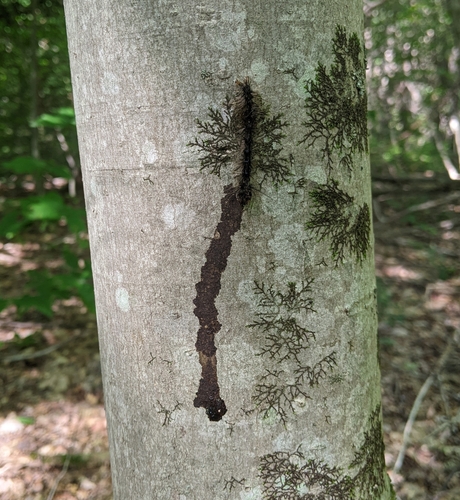
Alphabaculovirus is a genus of viruses in the family Baculoviridae. The natural hosts of species in this family are invertebrates, among them winged insects (Lepidopterans, Hymenopterans, Dipterans), and decapods. However, species in this genus have been isolated only from the insect order Lepidoptera. T
Nanovirus
Nanovirus is a genus of viruses, in the family Nanoviridae. Legume plants serve as natural hosts. There are 12 species in this genus. Diseases associated with this genus include: stunting, severe necrosis and early plant death.
Bromovirus
Bromovirus is a genus of viruses, in the family Bromoviridae. Plants serve as natural hosts. There are seven species in this genus.
Tobamovirus
Tobamovirus is a genus of positive-strand RNA viruses in the family Virgaviridae. Many plants, including tobacco, potato, tomato, and squash, serve as natural hosts. Diseases associated with this genus include: necrotic lesions on leaves. The name Tobamovirus comes from the host and symptoms of the first virus discovered (Tobacco mosaic virus).
Babuvirus
Babuvirus is a genus of viruses, in the family Nanoviridae. Musa species serve as natural hosts. There are three species in this genus. Diseases associated with this genus include: stunting, severe necrosis and early plant death. BBTV induces banana bunchy top disease (BBTD).
Luteovirus
Luteovirus is a genus of viruses, in the family Tombusviridae. There are 14 species in this genus. Plants serve as natural hosts. The geographical distribution of Luteoviruses is widespread, with the virus primarily infecting plants via transmission by aphid vectors. The virus only replicates within the host cell and not within the vector . The name 'luteovirus' arises from the Latin luteus, which is translated as 'yellow'. Luteovirus was given this name due to the symptomatic yellowing of the plant that occurs as a result of infection.
Iridovirus
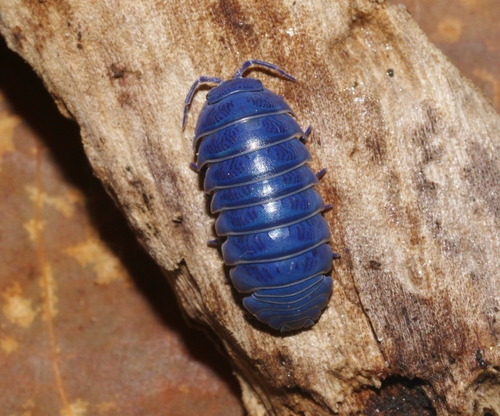
Iridovirus is a genus of viruses in the family Iridoviridae. Arthropods serve as natural hosts. Currently, only two species are placed in this genus. Invertebrate iridescent virus 6 (IIV-6) was recognised as the type species until such a designation was abolished. IIV-6 is hosted by mosquitos and usually causes covert (inapparent) infection that reduces fitness. The other species Invertebrate iridescent virus 31 (IIV-31) is hosted by isopods and causes patent (apparent) infection characterised by blue to bluish-purple iridescence and a shortened lifespan.
Medusavirus
Medusavirus is a genus of nucleocytoplasmic large DNA viruses that is the sole representative of Mamonoviridae (from mamono (), the Japanese word for "monster" in reference to Megaviricetes + -viridae). It was first isolated from a Japanese hot spring in 2019. It notably encodes all five types of histones — H1, H2A, H2B, H3, and H4 — which are involved in DNA packaging in eukaryotes, raising the possibility that they may have been involved in the origin of eukaryotes. The virus can harden amoebae of the species Acanthamoeba castellanii into stone-like cysts, but infection usually causes infect
Orthoreovirus
Orthoreovirus is a genus of viruses, in the family Reoviridae, in the subfamily Spinareovirinae. Vertebrates serve as natural hosts. There are ten species in this genus. Diseases associated with this genus include mild upper respiratory tract disease, gastroenteritis, and biliary atresia. Mammalian orthoreovirus 3 (strain dearing-T3D) induces cell death preferentially in transformed cells and therefore displays inherent oncolytic properties.
Sadwavirus
Sadwavirus is a genus of viruses in the order Picornavirales, in the family Secoviridae. Plants (specifically Satsuma mandarin trees) serve as natural hosts. There are three subgenera and 15 species in this genus. Diseases associated with this genus include: satsuma dwarf virus disease which causes spoon-shaped leaves on citrus tree. Symptoms are enations, multiple flushing, stunting or dwarfing, reduction in number and size of leaves and fruits. The name of this genus comes from one of its species: Satsuma dwarf virus.
Cucumovirus
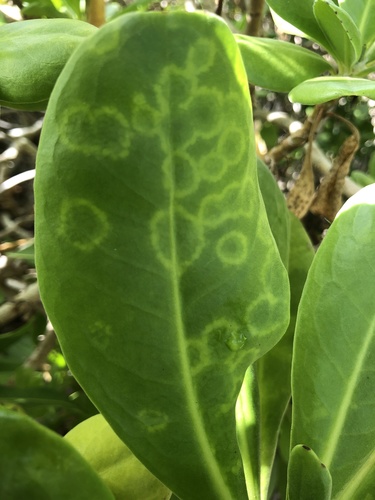
Cucumovirus is a genus of viruses, in the family Bromoviridae. Plants serve as natural hosts. There are four species in this genus.
Narnavirus
Narnavirus is a genus of positive-strand RNA viruses in the family Narnaviridae. Fungi serve as natural hosts. There are two species in this genus. Member viruses have been shown to be required for sexual reproduction of Rhizopus microsporus ("Narnaviruses decrease asexual reproduction, but together with Mycetohabitans, are required for sexual reproductive success. This fungal–bacterial-viral system represents an outstanding model to investigate three-way microbial symbioses and their evolution."). Narnaviruses have a naked RNA genome without a virion and derive their name from this feature.
Potexvirus
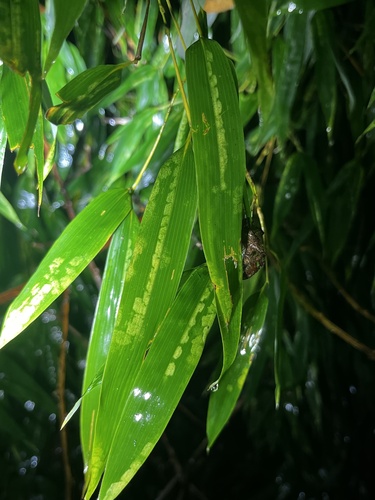
Potexvirus is a genus of pathogenic viruses in the order Tymovirales, in the family Alphaflexiviridae. Plants serve as natural hosts. There are 52 species in this genus, three of which are assigned to a subgenus. Diseases associated with this genus include: mosaic and ringspot symptoms. The genus name comes from POTato virus X).
Phytoreovirus
Phytoreovirus is a genus of viruses, in the order Reovirales, in the family Sedoreoviridae. They are non-turreted reoviruses that are major agricultural pathogens, particularly in Asia. Oryza sativa for RDV and RGDV, dicotyledonous for WTV, and leafhoppers serve as natural hosts. There are three species in this genus. Diseases associated with this genus include: WTV: galls (tumor). RDV: dwarf (or stunt) disease of rice. RGDV: dwarfing, stunting, and galls.
Benyvirus
Benyvirus is a genus of viruses, in the family Benyviridae. Plants serve as natural hosts. There are five species in this genus. Diseases associated with this genus include: BNYVV: rhizomania.
Furovirus
Furovirus is a genus of viruses, in the family Virgaviridae. Graminae, winter wheat, wheat, triticale, oat, sorghum bicolor, and plants serve as natural hosts. There are six species in this genus. Diseases associated with this genus include: (SBWMV): green and yellow mosaic.
Lymphocystivirus
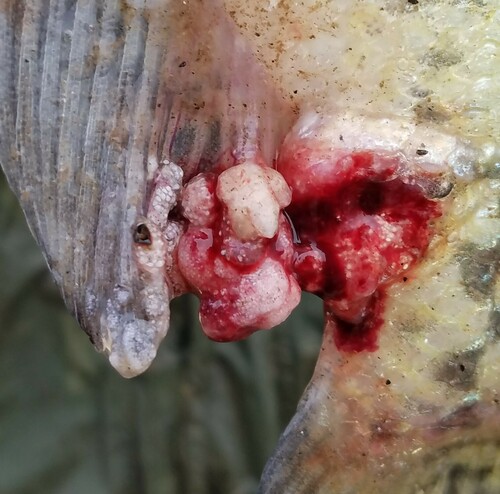
Lymphocystivirus is a genus of viruses, in the family Iridoviridae. Fish serve as natural hosts. There are four species in this genus. Diseases associated with this genus include: tumor-like growths on the skin.
Fijivirus
Fijivirus is a genus of double-stranded RNA viruses in the order Reovirales and family Spinareoviridae. Plants serve as natural hosts. Diseases associated with this genus include: galls (tumours) in infected plants and Fiji disease, with severe stunting, deformation and death. The group name derives from Fiji island the place where the first virus was isolated. There are nine species in this genus.
Seneca Valley virus-001
Senecavirus is a genus of viruses in the order Picornavirales, in the family Picornaviridae. Mammals of the order Artiodactyla (even-toed ungulates) serve as natural hosts, with senecaviruses reported in cows, pigs and dolphins. The genus contains two species. Senecavirus is a replication-competent oncolytic picornavirus. It has selective tropism for cancers with neuroendocrine features including small cell lung cancer (SCLC) and several pediatric solid tumors including retinoblastoma, neuroblastoma, and medulloblastoma. A Phase I clinical trial of Senecavirus in adults with neuroendocrine tum
Bocavirus
Bocaparvovirus is a genus of viruses in the subfamily Parvovirinae of the virus family Parvoviridae. Humans, cattle, and dogs serve as natural hosts. There are 36 species in this genus. Diseases associated with this genus include, in humans, acute respiratory illness, and in cattle, diarrhea and mild respiratory symptoms.
Mavirus virophage
Mavirus is a genus of double stranded DNA virus that can infect the marine phagotrophic flagellate Cafeteria roenbergensis, but only in the presence of the giant CroV virus (Cafeteria roenbergensis). The genus contains only one species: Mavirus cafeteriae. Mavirus can integrate into the genome of cells of C. roenbergensis, and thereby confer immunity to the population
Kobuvirus
Kobuvirus is a genus of viruses in the order Picornavirales, in the family Picornaviridae. Humans and cattle serve as natural hosts. There are six species in this genus. Diseases associated with this genus include: gastroenteritis. The genus was named because of the virus particles' lumpy appearance by electron microscopy; "kobu" means "knob" in Japanese.
Mastrevirus
thumb | right | alt=Maize streak virus. Picture taken by Kassie Kasdorf, presently at Plant Protection Research Institute, Pretoria, for the University of Cape Town. | Maize streak virus. Picture taken by Kassie Kasdorf, presently at Plant Protection Research Institute, Pretoria, for the University of Cape Town.
Mastrevirus is a genus of ssDNA viruses, in the family Geminiviridae. Mostly monocotyledonous plants serve as natural hosts. They are vectored by planthoppers. There are 55 species in this genus. Diseases associated with this genus include: maize streak virus: maize streak disease (MSD
Molluscipoxvirus
REDIRECT Molluscum contagiosum virus
Pegivirus
thumb|right|upright=1.5|Schematic drawing of a Pegivirus virion (cross section and side view)
Pegivirus is a genus of single positive-stranded RNA viruses in the family Hepaciviridae. The name is a derived one: "Pe" stands for "persistent" and "g" is a reference to Hepatitis G, a former name of the C species.
thumb|right|upright=1.5|Pegivirus genome
Avihepadnavirus
Avihepadnavirus is a genus of viruses, in the family Hepadnaviridae. Birds serve as natural hosts. There are five species in this genus. Diseases associated with this genus include: hepatitis, hepatocellular carcinomas (chronic infections), and cirrhosis.
Teschovirus
Teschovirus is a genus of viruses in the order Picornavirales, in the family Picornaviridae. Pigs serve as natural hosts. There are two species in this genus, including Porcine teschovirus, which is responsible for the porcine enteroviral encephalomyelitis disease caused in pigs. The genus name comes from this species and the disease it causes: Teschen disease (a severe and fatal form of pig encephalomyelitis), which itself was named for the town Teschen in Poland/Czechoslovakia where the disease was first recognised in 1929.
Hepatovirus
Hepatovirus is a genus of viruses. The genus has nine species, including Hepatitis A virus, which is the causative agent of hepatitis A.
Tobravirus
Tobravirus is a genus of viruses, in the family Virgaviridae. Plants serve as natural hosts. There are three species in this genus. Diseases associated with this genus include: SBWMV: green and yellow mosaic.
Parechovirus
Parechovirus is a genus of viruses in the family Picornaviridae. Humans, ferrets, and various rodents serve as natural hosts. The genus contains six species. Human parechoviruses may cause gastrointestinal or respiratory illness in infants, and they have been implicated in cases of myocarditis and encephalitis.
Dianthovirus
Dianthovirus is a genus of viruses, in the family Tombusviridae. Dianthoviruses are plant viruses. There are three species in this genus. The virus probably has a worldwide distribution, and can be transmitted via nematodes, by mechanical inoculation, by grafting of plants and by contact between infected hosts with previously uninfected host.
Quaranjavirus
Quaranjavirus is a genus of enveloped RNA viruses, one of seven genera in the virus family Orthomyxoviridae. The genome is single-stranded, negative-sense segmented RNA, generally with six segments. The genus contains six species. Quaranjaviruses predominantly infect arthropods and birds; Quaranfil quaranjavirus is the only member of the genus to have been shown to infect humans. The Quaranfil and Johnston Atoll viruses are transmitted between vertebrates by ticks, resembling members of Thogotovirus, another genus of Orthomyxoviridae.
Ourmiavirus
Ourmiavirus is a genus of positive-strand RNA viruses. Cucurbits, cherry, and cassava serve as natural hosts. There are three species in this genus. Diseases associated with this genus include: OuMV: yellowing and chlorotic spot symptoms.
Tombusvirus
thumb | right | A model of tomato bushy stunt virus, a type of tombusvirus.
Tombusvirus is a genus of viruses, in the family Tombusviridae. Plants serve as natural hosts. There are 17 species in this genus. Symptoms associated with this genus include mosaic. The name of the genus comes from Tomato bushy stunt virus.
Nepovirus
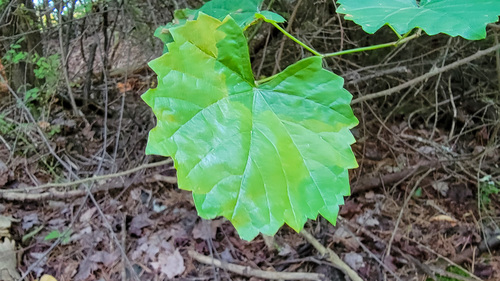
Nepovirus is a genus of viruses in the order Picornavirales, in the family Secoviridae, in the subfamily Comovirinae. Plants serve as natural hosts. There are 78 species in this genus. Nepoviruses, unlike the genera Comovirus and Fabavirus in the subfamily Comovirinae, are transmitted by nematodes.
SPO1-like viruses
Okubovirus is a genus of viruses in the family Herelleviridae, in the subfamily Spounavirinae. Bacteria serve as natural hosts. There are two species in this genus.
Betalipothrixvirus
Betalipothrixvirus is a genus of viruses in the family Lipothrixviridae. Archaea serve as natural hosts. The genus contains six species.
Bymovirus
Bymovirus is a genus of viruses, in the family Potyviridae. Plants serve as natural hosts. There are six species in this genus.
Salterprovirus
Halspiviridae is a family of viruses that consists of a single genus, Salterprovirus, which consists of a single recognised species; Halovirus His1 (His1, Salterprovirus australiense). This virus was isolated from hypersaline water in Australia and was able to be cultured on the halophilic archaeon Haloarcula hispanica. Like many other archaeoviruses, His1 has an approximately limoniform (lemon-shaped) virion.
Klosneuvirus
Klosneuvirus (KNV, also KloV) is a type of giant virus found by the analysis of low-complexity metagenomes from a wastewater treatment plant in Klosterneuburg, Austria. It has a 1.57-Mb genome coding unusually high number of genes typically found in cellular organisms, including aminoacyl transfer RNA synthetases with specificities for 19 different amino acids, over 10 translation factors and several tRNA-modifying enzymes. Klosneuvirus, Indivirus, Catovirus and Hokovirus, are part of a group of giant viruses denoted as Klosneuviruses or Klosneuvirinae, a proposed subfamily of the Mimiviridae.
Dinodnavirus
Dinodnavirus is a genus of viruses that infect dinoflagellates. This genus belongs to the clade of nucleocytoplasmic large DNA viruses. The only species in the genus is Heterocapsa circularisquama DNA virus 01 (Dinodnavirus heterocapsae).
Orthonairovirus
Orthonairovirus is a genus of viruses in the family Nairoviridae of the order Hareavirales which includes viruses with circular, negative-sense single stranded RNA. The name is derived from the Nairobi sheep disease which affects the gastrointestinal tracts of sheep and goats. All viruses in this genus are tick-borne viruses with human or other vertebrate hosts.