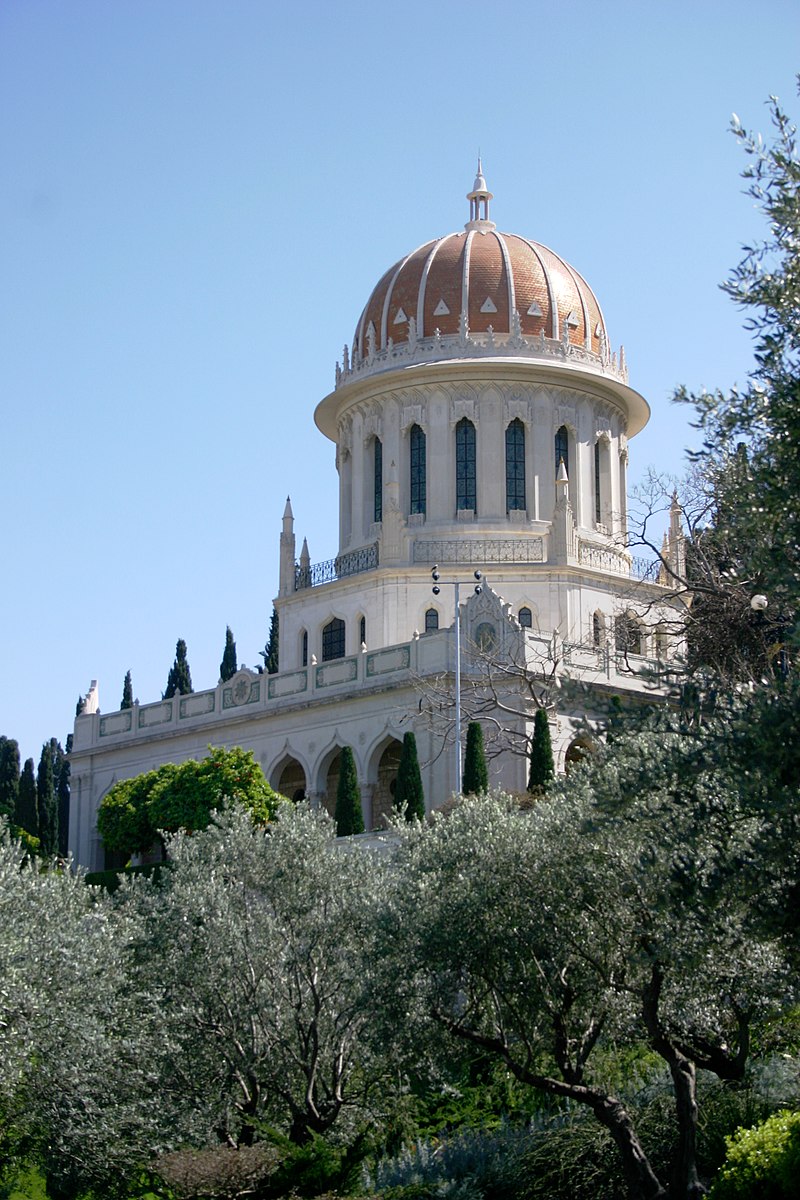
File:Shrine_Bab_North_West.jpg · Wikimedia Commons · See Wikimedia Commons
علي محمد الشيرازي
Sign in to saveAlso known as Bab, Nuqtah-i Ula, Ali Mukhamed Bab, Ali Muhammad ibn Rida al-Bazzazz, Ali Muhammad Rida al-Shirazi, the Báb, the Bab, ʻAlí-Muḥammad
مؤسس البابية وأحد الشخصيات الرئيسية في البهائية
The Báb was a 19th-century Iranian religious leader who founded Bábism and claimed to be a Manifestation of God comparable to Moses, Jesus, and Muhammad, with revelations he believed would be as significant as the Torah, Gospel, and Quran. He is venerated as a central figure in the Baháʼí Faith, and his teachings emphasized that his new revelation would unlock the spiritual and creative forces needed to bring about global unity and peace.
AI-generated from the Wikipedia summary — may contain errors.
Key facts
- Religious biography.name
- The Báb
- Religious biography.religion
- Bábism
- Religious biography.image
- Shrine Bab North West.jpg
- Religious biography.caption
- Shrine of the Báb in Haifa, Israel
- Religious biography.birth_name
- ʻAlí-Muḥammad
- Religious biography.birth_place
- Shiraz, Iran
- Religious biography.death_place
- Tabriz, Iran
- Religious biography.death_cause
- Execution by firing squad
- Religious biography.occupation
- MerchantReligious leader
- Religious biography.known_for
- Founder of BábismCentral figure in Baháʼí Faith
- Religious biography.nationality
- Iranian
- Religious biography.spouse
- Khadíjih-Sultán (1842–1850)
- Religious biography.children
- Ahmad (1843–1843)
- Religious biography.parents
- Mirzá Muhammad Ridá (father) Fátimih Bagum (mother)
- Religious biography.relatives
- Afnán
- Religious biography.disciples
- Notable students:
- Religious biography.successor
- Baháʼu'lláh (for Baháʼís)Subh-i-Azal (for Azalis)
via Wikipedia infobox
Wikidata facts
- Instance of
- human
- Gender
- male
- Citizenship
- Qajar Iran
- Place of birth
- Shiraz
- Place of death
- Tabriz
- Occupation
- poet
- Religion
- Bábism
- Image
- Bahai center Haifa 2.jpg
Show 9 more facts
- Commons category
- Báb
- date of birth
- 1819-01-01
- date of death
- 1849-00-00
- place of burial
- Shrine of the Báb
- cause of death
- gunshot wound
- name in native language
- الْبَاب
- manner of death
- capital punishment
- birth name
- عَلیمُحَمَّد شیرازی
- on focus list of Wikimedia project
- Wikipedia:Vital articles/Level/4
Sources (2)
via Wikidata · CC0
Article · العربية
سيد علي محمد الشيرازي الملقب بـ الباب (20 تشرين الأول، 1819 – 9 تموز، 1850) ، نبيٌ إيرانيٌ وشارع الديانة البابية، والذي أحصى أتباعًا عديدةً خلال السنوات الست من رسالته – وهو في عمرٍ يناهز 25 إلى 31 عامًا - من مختلف الطبقات والأعراق ونقابات إيران. أطلق على نفسه اسم المهدي الموعود، النبي الجديد والمبشر لدينٍ عالميٍ سيظهر من بعده بواسطة «من يُظهره الله»، والذي ذكره مرارًا وتكرارًا في أعماله وكتاباته وأشار إلى ظهوره قريبًا. من أهم ما قام به الباب في دورته القصيرة هو الإعلان عن بداية دورٍ جديدٍ للبشرية وتكامل الظهور التدريجي للرسالة الإلهية واستمراريتها، والنهوض بدور المرأة، والاهتمام بالتربية والتعليم. بعد أن ذاع صيته وازداد عدد أتباعه، قامت حكومة القاجار بترحيل الباب إلى أبعد مناطق إيران في أذربيجان، وحرض رجال الدين على اضطهاد وتعذيب وقتل أتباع الباب في جميع أنحاء إيران، وأخيرًا، بعد ست سنوات من بدء النهضة البابية، وفي سن 31، تم إعدام الباب رميًا بالرصاص مع أحد أتباعه في مدينة تبريز. بعد أكثر من عقدٍ بقليلٍ من إعدام الباب، وقتل العديد من البابيين في إيران، آمن الغالبية العظمى من أتباعه ببهاء الله كما وعد به الباب بأنه «من يُظهره الله» وأصبحوا بهائيين. بهاء الله هو رسول وشارع ومؤسس الدين البهائي.
Abstract from DBpedia / Wikipedia · CC BY-SA
Gallery (18)
On the map
2 mapped locations
Available in 76 languages
- Español
- Français
- Deutsch
- 中文
- 日本語
- Русский
- Português
- Italiano
- العربية
- हिन्दी
- Afrikaans
- Albanian
- Angika
- Aragonese
- Armenian
- Asturian
- azb
- Azerbaijani
Show 57 more
- Bahasa Indonesia
- Bangla
- Bashkir
- Basque
- Bosnian
- Catalan
- Central Kurdish
- Croatian
- Czech
- Egyptian Arabic
- Esperanto
- Filipino
- Finnish
- Galician
- Georgian
- Greek
- Hausa
- Hebrew
- Hungarian
- Icelandic
- Interlingua
- Kazakh
- Latin
- Latvian
- Lithuanian
- Low German
- Luxembourgish
- Malagasy
- Malayalam
- Mirandese
- Nederlands
- Norwegian
- Norwegian Nynorsk
- Polski
- Punjabi
- Romanian
- Scots
- Serbian
- Serbian (Latin)
- simple
- Slovak
- Svenska
- Swahili
- Tajik
- Tiếng Việt
- Türkçe
- Ukrainian
- Urdu
- Uzbek
- Waray
- Western Panjabi
- Wu Chinese
- zh_min_nan
- zh_yue
- فارسی
- ไทย
- 한국어
via Wikidata sitelinks · CC0