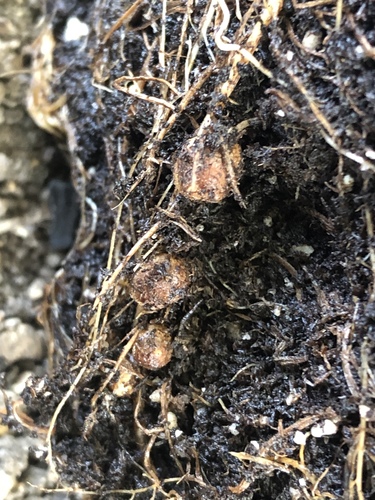
Bradyrhizobium
Also known as P. carboxydohydrogena
Bradyrhizobium is a genus of Gram-negative soil bacteria, many of which fix nitrogen. Nitrogen fixation is an important part of the nitrogen cycle. Plants cannot use atmospheric nitrogen (N2); they must use nitrogen compounds such as nitrates.
Species
GENUS
- KingdomBacteria
- PhylumProteobacteria
- ClassAlphaproteobacteria
- OrderRhizobiales
- FamilyXanthobacteraceae
Observations5
via GBIF
Research
3,767 papersArticle
14 sectionsContents
- Characteristics
- Taxonomy
- Accepted Species
- Provisional Species
- Phylogeny
- Nodulation
- Nodule formation
- ''Nod'' genes
- Nitrogen fixation
- Genes
- Diversity
- Significance
- Notable species
- References
Bradyrhizobium is a genus of Gram-negative soil bacteria, many of which fix nitrogen. Nitrogen fixation is an important part of the nitrogen cycle. Plants cannot use atmospheric nitrogen (N2); they must use nitrogen compounds such as nitrates.
==Characteristics== Bradyrhizobium species are Gram-negative bacilli (rod-shaped) with a single subpolar or polar flagellum. They are common soil-dwelling micro-organisms that can form symbiotic relationships with leguminous plant species where they fix nitrogen in exchange for carbohydrates from the plant. Like other rhizobia, many members of this genus have the ability to fix atmospheric nitrogen into forms readily available for other organisms to use. Bradyrhizobia are also major components of forest soil microbial communities, where strains isolated from these soils are not typically capable of nitrogen fixation or nodulation. They are slow-growing in contrast to Rhizobium species, which are considered fast-growing rhizobia. In a liquid medium, Bradyrhizobium species take 3–5 days to create a moderate turbidity and 6–8 hours to double in population size. They tend to grow best with pentoses as carbon sources. Some strains (for example, USDA 6 and CPP) are capable of oxidizing carbon monoxide aerobically.