Category
page 1Bacteria genera
.jpg)
Salmonella
Salmonella is a genus of rod-shaped, (bacillus) Gram-negative bacteria of the family Enterobacteriaceae. The two known species of Salmonella are Salmonella enterica and Salmonella bongori. S. enterica is the type species and is further divided into six subspecies that include over 2,650 serotypes. Salmonella was named after Daniel Elmer Salmon (1850–1914), an American veterinary surgeon.

Staphylococcus
Staphylococcus, from Ancient Greek σταφυλή (staphulḗ), meaning "bunch of grapes", and (kókkos), meaning "kernel" or "Kermes", is a genus of Gram-positive bacteria in the family Staphylococcaceae from the order Bacillales. Under the microscope, they appear spherical (cocci), and form in grape-like clusters. Staphylococcus species are facultative anaerobic organisms (capable of growth both aerobically and anaerobically).

Streptococcus
Streptococcus, from Ancient Greek στρεπτός (streptós), meaning "twisted", and κόκκος (kókkos), meaning "grain", is a genus of gram-positive spherical bacteria that belongs to the family Streptococcaceae, within the order Lactobacillales (lactic acid bacteria), in the phylum Bacillota. Cell division in streptococci occurs along a single axis, thus when growing they tend to form pairs or chains, which may appear bent or twisted. This differs from staphylococci, which divide along multiple axes, thereby generating irregular, grape-like clusters of cells. Most streptococci are oxidase-negative and

Bacillus
Bacillus, from Latin "bacillus", meaning "little staff, wand", is a genus of Gram-positive, rod-shaped bacteria, a member of the phylum Bacillota, with 266 named species. The term is also used to describe the shape (rod) of other so-shaped bacteria; and the plural Bacilli is the name of the class of bacteria to which this genus belongs. Bacillus species can be either obligate aerobes which are dependent on oxygen, or facultative anaerobes which can survive in the absence of oxygen. Cultured Bacillus species test positive for the enzyme catalase if oxygen has been used or is present.

Mycoplasma
Mycoplasma is a genus of bacteria that, like the other members of the class Mollicutes, lack a cell wall (peptidoglycan) around their cell membrane. The absence of peptidoglycan makes them naturally resistant to antibiotics such as the beta-lactam antibiotics that target cell wall synthesis. They can be parasitic or saprotrophic.

Mycobacterium
Mycobacterium is a genus of over 190 species of Gram-positive bacteria in the phylum Actinomycetota, assigned its own family, Mycobacteriaceae. This genus includes pathogens known to cause serious diseases in mammals, including tuberculosis (M. tuberculosis) and leprosy (M. leprae) in humans. The Greek prefix myco- means 'fungus', alluding to this genus's mold-like colony surfaces. Since this genus has cell walls with a waxy lipid-rich outer layer containing high concentrations of mycolic acid, acid-fast staining is used to emphasize their resistance to acids, compared to other cell types.

Clostridium
Clostridium is a genus of anaerobic, Gram-positive bacteria. Species of Clostridium inhabit soils and the intestinal tracts of animals, including humans. This genus includes several significant human pathogens, including the causative agents of botulism and tetanus. It also formerly included an important cause of diarrhea, Clostridioides difficile, which was reclassified into the Clostridioides genus in 2016.

Lactobacillus
Lactobacillus is a genus of gram-positive bacteria within the Lactobacillaceae family. Members of the genus are aerotolerant anaerobes or microaerophilic, rod-shaped, and do not form endospores. Until 2020, the genus Lactobacillus comprised 261 phylogenetically, ecologically, and metabolically diverse species; a taxonomic revision of the genus reassigned many former Lactobacillus species to 25 genera (see below).
Rhizobium
Rhizobium is a genus of Gram-negative soil bacteria that fix nitrogen. Rhizobium species form an endosymbiotic nitrogen-fixing association with roots of (primarily) legumes and other flowering plants.

Shigella
Shigella is a genus of bacteria that is Gram negative, facultatively anaerobic, non–spore-forming, nonmotile, rod shaped, and is genetically nested within Escherichia coli. The genus is named after Japanese physician Kiyoshi Shiga, who discovered it in 1897.
Rickettsia
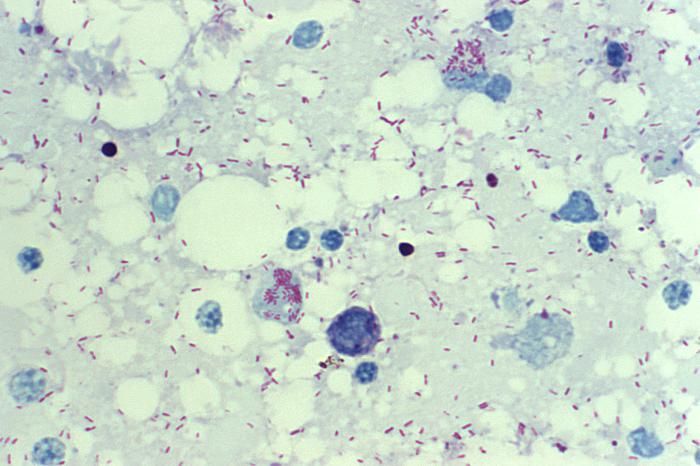
Rickettsia is a genus of nonmotile, gram-negative, nonspore-forming, highly pleomorphic bacteria that may occur in the forms of cocci (0.1 μm in diameter), bacilli (1–4 μm long), or threads (up to about 10 μm long). The genus was named after Howard Taylor Ricketts in honor of his pioneering work on tick-borne spotted fever.

Vibrio
Vibrio is a genus of Gram-negative bacteria, which have a characteristic curved-rod (comma) shape, several species of which can cause foodborne infection or soft-tissue infection called Vibriosis. Infection is commonly associated with eating undercooked seafood. Being highly salt tolerant, Vibrio spp. are commonly found in various salt water environments, but some species are found in freshwater. Vibrio spp. are facultative anaerobes that test positive for oxidase and do not form spores. All members of the genus are motile. They are able to have polar or lateral flagellum with or without sheat

Streptomyces
thumb|254px|
Campylobacter
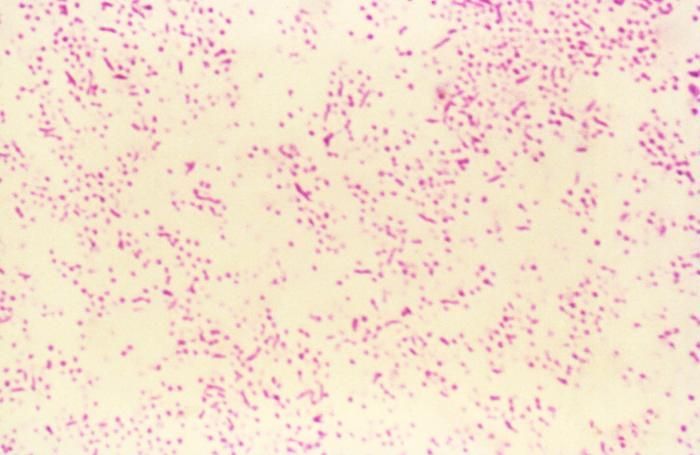
Campylobacter is a type of bacteria that can cause a diarrheal disease in people. Its name means 'curved bacterium' because the germ typically appears in a comma or s shape. According to its scientific classification, it is a genus of gram-negative bacteria that is motile.

Listeria
thumb|Listeria grown on agar medium
thumb|Transmission electron microscopy|TEM [[micrograph of Listeria monocytogenes]]

Chlamydia
genus of bacteria

Enterococcus
Enterococcus is a large genus of lactic acid bacteria of the phylum Bacillota. Enterococci are Gram-positive cocci that often occur in pairs (diplococci) or short chains, and are difficult to distinguish from streptococci on physical characteristics alone. Two species are common commensal organisms in the intestines of humans: E. faecalis (90–95%) and E. faecium (5–10%). Rare clusters of infections occur with other species, including E. durans, E. casseliflavus, E. gallinarum, and E. raffinosus.
Pseudomonas
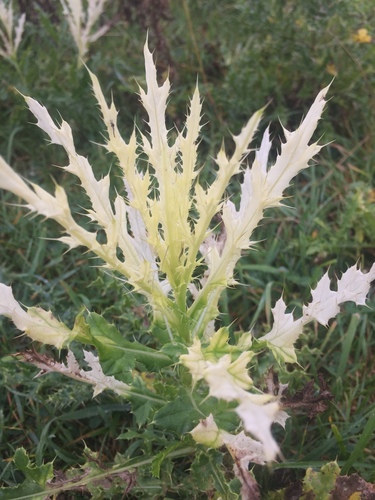
Pseudomonas is a genus of Gram-negative bacteria belonging to the family Pseudomonadaceae in the class Gammaproteobacteria. The 348 members of the genus demonstrate a great deal of metabolic diversity and consequently are able to colonize a wide range of niches and hosts. Their ease of culture in vitro and availability of an increasing number of Pseudomonas strain genome sequences has made the genus an excellent focus for scientific research; the best studied species include P. aeruginosa in its role as an opportunistic human pathogen, the plant pathogen P. syringae, the soil bacterium P. puti
.jpg)
Azotobacter
thumb|Azotobacter beijerinckii on agar plate

Legionella
Legionella is a genus of Gram-negative bacteria that can be seen using a silver stain or grown in a special media that contains cysteine, an amino acid. Most Legionella species are intracellular pathogens whose primary hosts are amoebae, however many Legionella are accidental pathogens of humans. Legionella bacteria are known to cause legionellosis (all illnesses caused by Legionella) including a pneumonia-type illness called Legionnaires' disease and a mild flu-like illness called Pontiac fever. These bacteria are common in many places, like soil and water. Legionella are aerobic and motile.

Bifidobacterium
Bifidobacterium is a genus of gram-positive, nonmotile, often branched anaerobic bacteria. They are ubiquitous inhabitants of the gastrointestinal tract though strains have been isolated from the vagina and mouth (B. dentium) of mammals, including humans. Bifidobacteria are one of the major genera of bacteria that make up the gastrointestinal tract microbiota in mammals. Some bifidobacteria are used as probiotics.
Escherichia
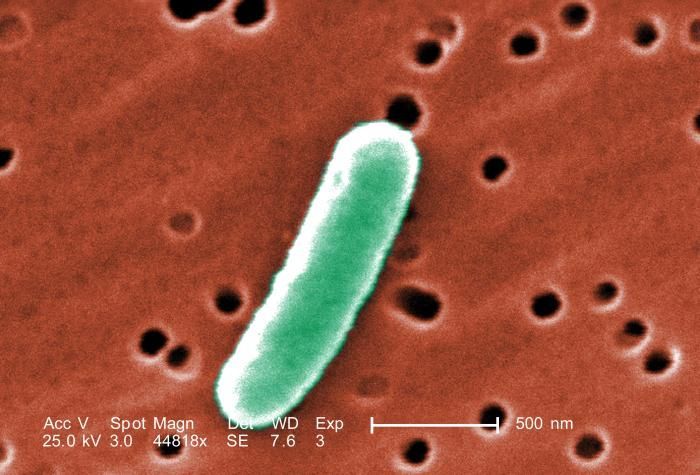
Escherichia ( ) is a genus of Gram-negative, non-spore-forming, facultatively anaerobic, rod-shaped bacteria from the family Enterobacteriaceae. In those species which are inhabitants of the gastrointestinal tracts of warm-blooded animals, Escherichia species provide a portion of the microbially derived vitamin K for their host. A number of the species of Escherichia are pathogenic. The genus is named after Theodor Escherich, the discoverer of Escherichia coli. Escherichia are facultative aerobes, with both aerobic and anaerobic growth, and an optimum temperature of 37 °C. Escherichia are
Klebsiella
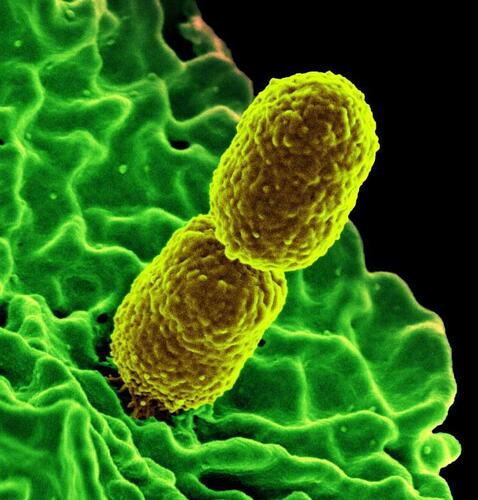
Klebsiella is a genus of Gram-negative, oxidase-negative, rod-shaped bacteria with a prominent polysaccharide-based capsule.
Brucella
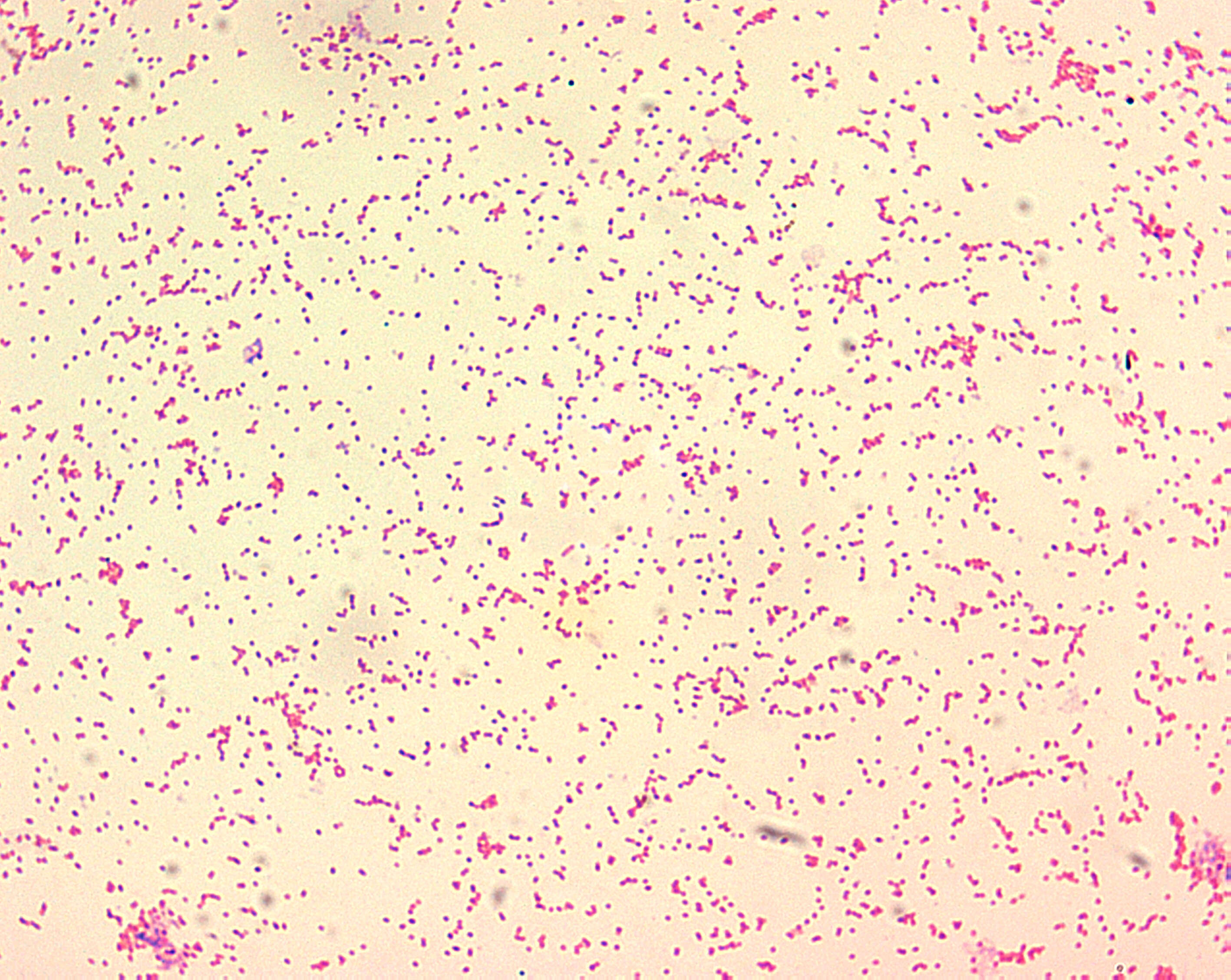
Brucella is a genus of Gram-negative bacteria, named after David Bruce (1855–1931). They are small (0.5 to 0.7 by 0.6 to 1.5 μm), non-encapsulated, non-motile, facultatively intracellular coccobacilli.
Yersinia
Yersinia is a genus of bacteria in the family Yersiniaceae. Yersinia species are Gram-negative, coccobacilli bacteria, and are facultative anaerobes. Three members of Yersinia are pathogenic in humans: Y. pestis causes the plague and Y. enterocolitica and Y. pseudotuberculosis cause gastrointestinal syndromes. Rodents are the natural reservoirs of Yersinia; less frequently, other mammals serve as the host. Infection may occur either through blood (in the case of Y. pestis) or in an alimentary fashion, occasionally via consumption of food products (especially vegetables, milk-derived products,

Wolbachia
Wolbachia is a genus of gram-negative bacteria infecting many species of arthropods and filarial nematodes. The relationship between Wolbachia and its hosts ranges from parasitism through benign symbiosis up to obligate mutualism. It is one of the most common parasitic microbes of arthropods, and is possibly the most widespread reproductive parasite bacterium in the biosphere. Its interactions with hosts are complex and highly diverse across the various species in which it is found. Some host species cannot reproduce, or even survive, absent internal Wolbachia colonies. One study concluded tha
Leptospira
Leptospira () is a genus of spirochaete bacteria, including a small number of pathogenic and saprophytic species. Leptospira was first observed in 1907 in kidney tissue slices of a leptospirosis victim who was described as having died of "yellow fever". In 1917, Hideyo Noguchi named the genus Leptospira after witnessing it in the kidneys of American rats seemingly producing the same disease in Guinea pigs as in European rats.
Spirillum
Spirillum is a genus
of Gram-negative bacteria in the family Spirillaceae of the Nitrosomonadales of the Betaproteobacteria. There are two species of Spirillum with validly or effectively published names - Spirillum winogradskyi and Spirillum volutans.

Neisseria
Neisseria is a large genus of bacteria that colonize the mucous membranes of many animals. Of the 11 species that colonize humans, only two are pathogens: N. meningitidis and N. gonorrhoeae.
Acinetobacter
Acinetobacter is a genus of Gram-negative bacteria belonging to the wider class of Gammaproteobacteria. Acinetobacter species are oxidase-negative, exhibit twitching motility, and occur in pairs under magnification.
Acetobacter
Acetobacter is a genus of acetic acid bacteria. Acetic acid bacteria are characterized by the ability to convert ethanol to acetic acid in the presence of oxygen. Of these, the genus Acetobacter is distinguished by the ability to oxidize lactate and acetate into carbon dioxide and water. Bacteria of the genus Acetobacter have been isolated from industrial vinegar fermentation processes and are frequently used as fermentation starter cultures.
Corynebacterium
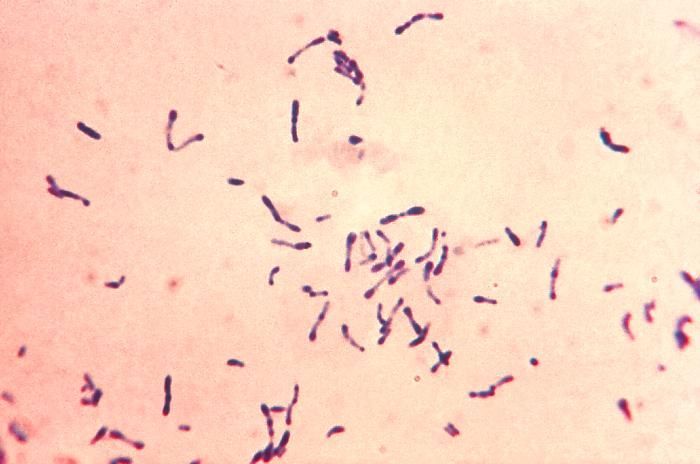
Corynebacterium () is a genus of Gram-positive bacteria and most are aerobic. They are bacilli (rod-shaped), and in some phases of life they are, more specifically, club-shaped, which inspired the genus name (coryneform means "club-shaped").

Borrelia
Borrelia is a genus of bacteria of the spirochete phylum. Several species cause Lyme disease, also called Lyme borreliosis, a zoonotic, vector-borne disease transmitted by ticks. Other species of Borrelia cause relapsing fever, and are transmitted by ticks or lice, depending on the species of bacteria.

Nocardia
thumb|Nocardia as found on a brain biopsy.
Nocardia is a genus of weakly staining Gram-positive, catalase-positive, rod-shaped bacteria. It forms partially acid-fast beaded branching filaments (appearing similar to fungi, but being truly bacteria). It contains a total of 85 species. Some species are nonpathogenic, while others are responsible for nocardiosis. Nocardia species are found worldwide in soil rich in organic matter. In addition, they are oral microflora found in healthy human gingiva, as well as periodontal pockets. Most Nocardia infections are acquired by inhalation of the bacteria
Helicobacter
Helicobacter is a genus of gram-negative bacteria possessing a characteristic helical shape. They were initially considered to be members of the genus Campylobacter, but in 1989, Goodwin et al. published sufficient reasons to justify the new genus name Helicobacter. The genus Helicobacter contains about 35 species.
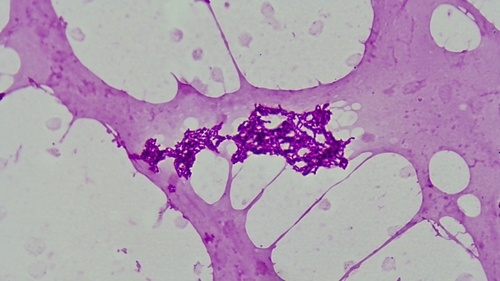
Fusobacterium
Fusobacterium is a genus of obligate anaerobic, Gram-negative, non-sporeforming bacteria belonging to Gracilicutes. Individual cells are slender, rod-shaped bacilli with pointed ends. Fusobacterium was discovered in 1900 by Courmont and Cade and is common in the flora of humans.
Citrobacter
Citrobacter is a genus of Gram-negative, aerobic, rod-shaped coliform bacteria of the Enterobacteriaceae family.
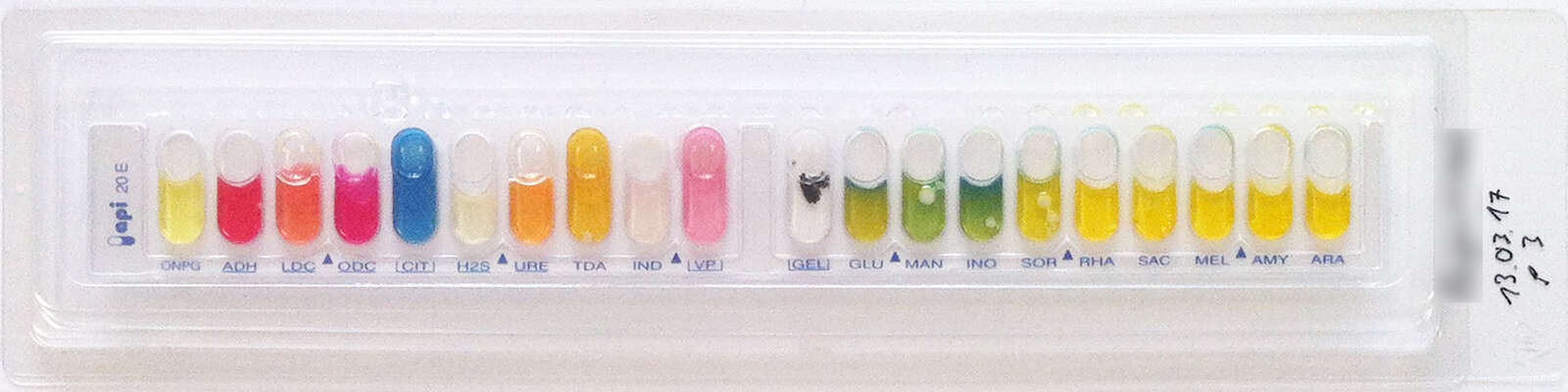
Enterobacter
Enterobacter is a genus of Gram-negative, facultatively anaerobic, rod-shaped, non-spore-forming bacteria in the family Enterobacteriaceae. Enterobacter spp. are found in soil, water, sewage, feces and gut environments. It is the type genus of the order Enterobacterales. Several strains of these bacteria are pathogenic and cause opportunistic infections in immunocompromised (usually hospitalized) hosts and in those who are on mechanical ventilation. The urinary and respiratory tracts are the most common sites of infection. The genus Enterobacter is a member of the coliform group of bacteria. I
Proteus
genus of bacteria
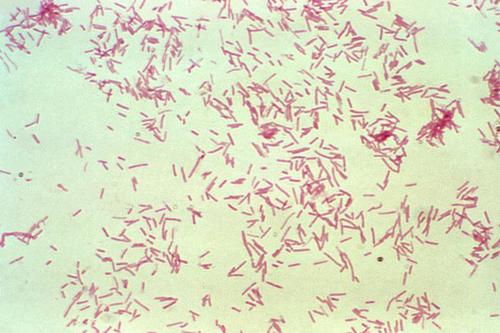
Bacteroides
Bacteroides is a genus of Gram-negative, obligate anaerobic bacteria. Bacteroides species are non endospore–forming bacilli, and may be either motile or nonmotile, depending on the species. The DNA base composition is 40–48% GC. Unusual in bacterial organisms, Bacteroides membranes contain sphingolipids. They also contain meso-diaminopimelic acid in their peptidoglycan layer.

Bartonella
Bartonella is a genus of Gram-negative bacteria. It is the only genus in the family Bartonellaceae. Bartonella species cause Bartonellosis, which is a group of zoonotic infectious diseases that affects both humans and animals. Common forms include cat-scratch disease (Bartonella henselae) and trench fever (Bartonella quintana). As Facultative intracellular parasites, Bartonella species can infect healthy people, but are considered especially important as opportunistic pathogens. Bartonella species are transmitted by vectors such as fleas, sand flies, and mosquitoes.

Bordetella
Bordetella () is a genus of small (0.2 – 0.7 μm), Gram-negative, coccobacilli bacteria of the phylum Pseudomonadota. Bordetella species, with the exception of B. petrii, are obligate aerobes, as well as highly fastidious, or difficult to culture. All species can infect humans. The first three species to be described (B. pertussis, B. parapertussis, B. bronchiseptica) are sometimes referred to as the 'classical species'. Two of these (B. pertussis and B. bronchiseptica) are also motile.

Micrococcus
Micrococcus, from Ancient Greek μικρός (mikrós), meaning "small", and κόκκος (kókkos), meaning "sphere", is a genus of bacteria in the Micrococcaceae family. Micrococcus occurs in a wide range of environments, including water, dust, and soil. Micrococci have Gram-positive spherical cells ranging from about 0.5 to 3 micrometers in diameter and typically appear in tetrads. They are catalase positive, oxidase positive, indole negative and citrate negative. Micrococcus has a substantial cell wall, which may comprise as much as 50% of the cell mass. The genome of Micrococcus is rich in guanine and

Agrobacterium
Agrobacterium is a genus of Gram-negative bacteria established by H. J. Conn that uses horizontal gene transfer to cause tumors in plants. Agrobacterium tumefaciens is the most commonly studied species in this genus. Agrobacterium is well known for its ability to transfer DNA between itself and plants, and for this reason it has become an important tool for genetic engineering.
Nitrosomonas
Nitrosomonas is a genus of Gram-negative bacteria belonging to the class Betaproteobacteria. It is one of the five genera of ammonia-oxidizing bacteria and, as an obligate chemolithoautotroph, uses ammonia (NH3) as an energy source and carbon dioxide (CO2) as a carbon source in the presence of oxygen.
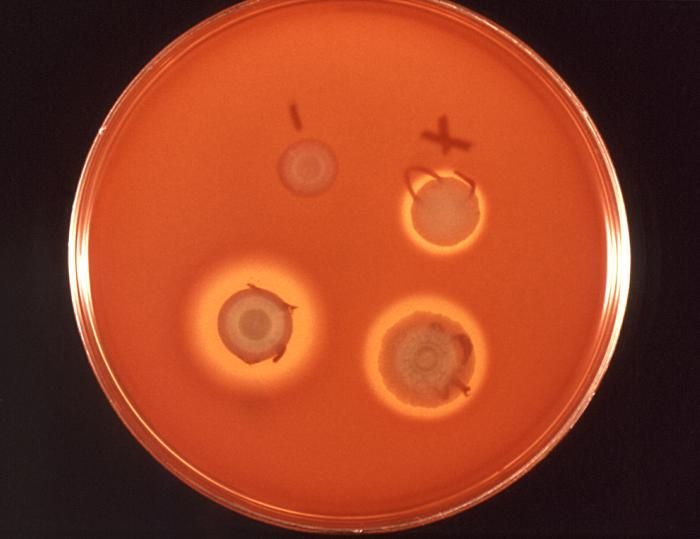
Serratia
Serratia is a genus of Gram-negative, facultatively anaerobic, rod-shaped bacteria of the family Yersiniaceae. They are typically 1–5 μm in length, do not produce spores, and can be found in water, soil, plants, and animals. Some members of this genus produce a characteristic red pigment, prodigiosin, and can be distinguished from other members of the order Enterobacterales by their unique production of three enzymes: DNase (nucA), lipase, and gelatinase (serralysin). Serratia was thought to be a harmless environmental bacteria until it was discovered that the most common species in the g
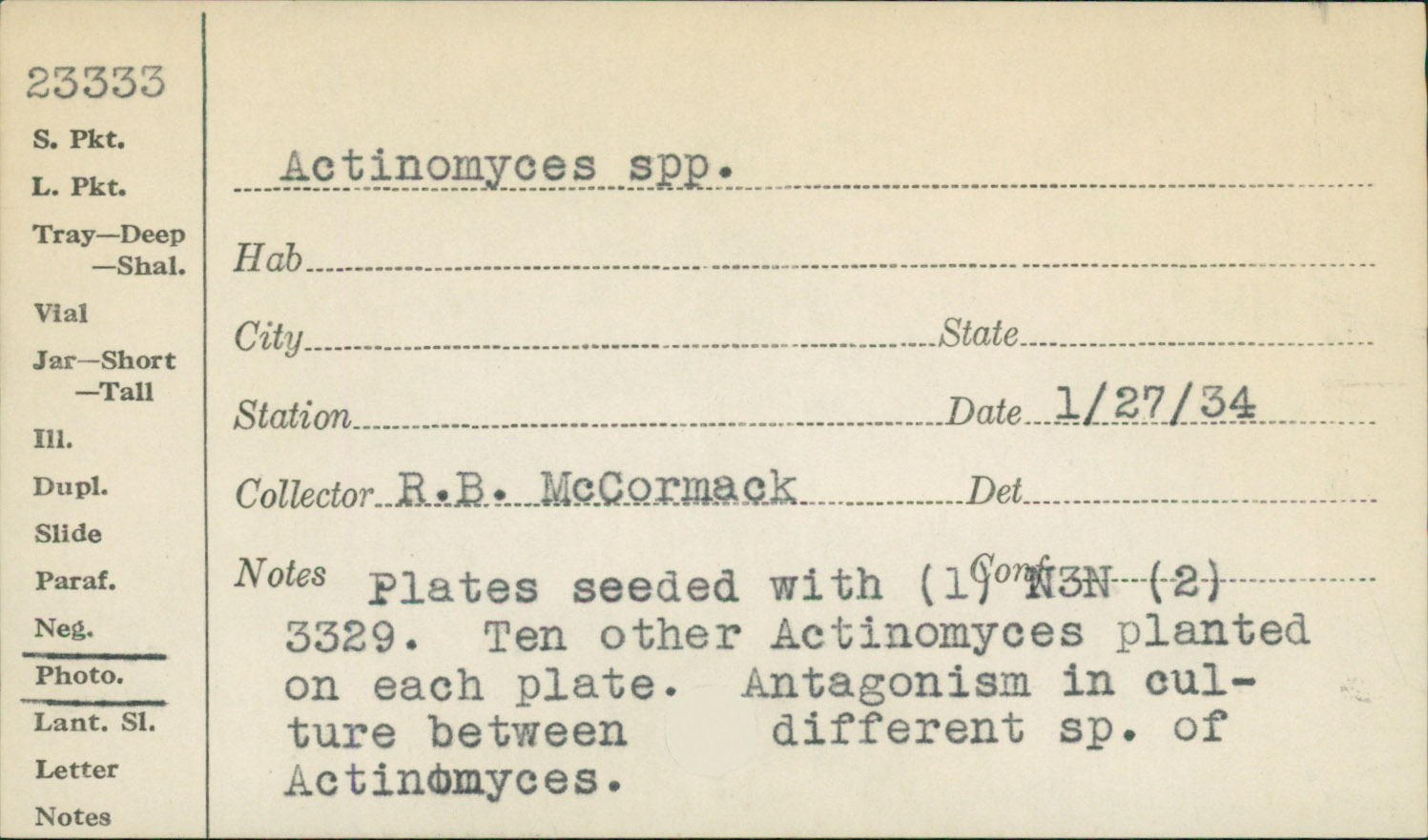
Actinomyces
Actinomyces is a genus of the Actinomycetia class of bacteria. They all are Gram-positive and facultatively anaerobic, growing best under anaerobic conditions. While individual bacteria are rod-shaped, Actinomyces colonies form fungus-like branched networks of hyphae. The aspect of these colonies initially led to the incorrect assumption that the organism was a fungus and to the name Actinomyces, "ray fungus" (from Greek , ray or beam, and , fungus).

Nitrobacter
Nitrobacter is a genus comprising rod-shaped, gram-negative, and chemoautotrophic bacteria. The name Nitrobacter derives from the Latin neuter gender noun nitrum, nitri, alkalis; the Ancient Greek noun βακτηρία, βακτηρίᾱς, rod. They are non-motile and reproduce via budding or binary fission. Nitrobacter cells are obligate aerobes and have a doubling time of about 13 hours.
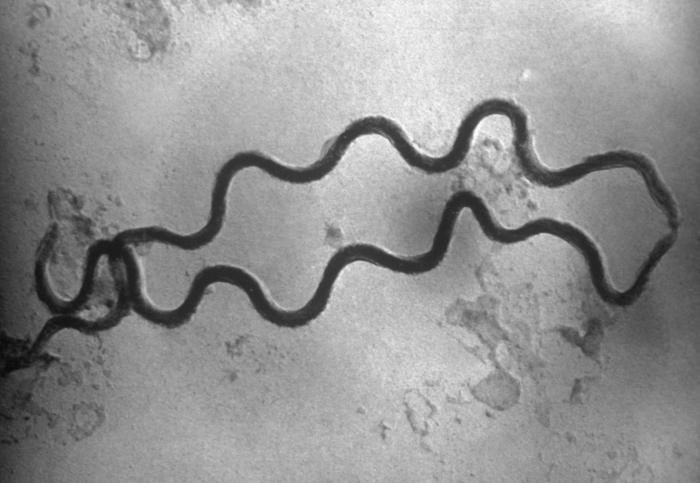
Treponem
Treponema is a genus of spiral-shaped bacteria. The major treponeme species of human pathogens is Treponema pallidum, whose subspecies are responsible for diseases such as syphilis, bejel, and yaws.
Erwinia
Erwinia is a genus of Enterobacterales bacteria containing mostly plant pathogenic species which was named for the famous plant pathologist, Erwin Frink Smith. It contains Gram-negative bacteria related to Escherichia coli, Shigella, Salmonella, and Yersinia. They are primarily rod-shaped bacteria.
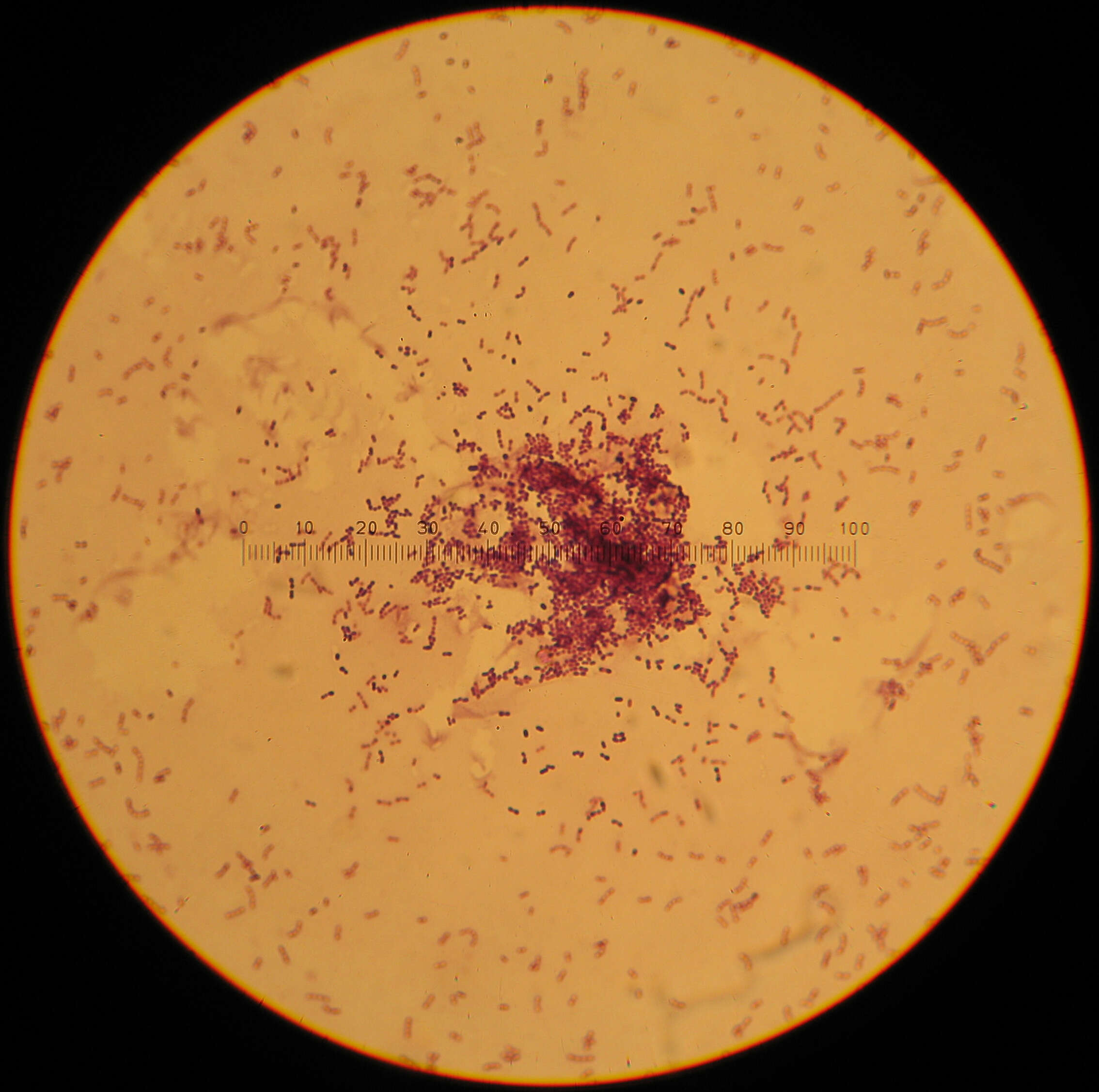
Lactococcus
Lactococcus, from Latin lac, meaning "milk", and Ancient Greek κόκκος (kókkos), meaning "berry", is a genus of lactic acid bacteria that were formerly included in the genus Streptococcus Group N1. They are known as homofermenters meaning that they produce a single product, lactic acid in this case, as the major or only product of glucose fermentation. Their homofermentative character can be altered by adjusting environmental conditions such as pH, glucose concentration, and nutrient limitation. They are gram-positive, catalase-negative, non-motile cocci that are found singly, in pairs, or in c
Aeromonas
Aeromonas is a genus of Gram-negative, facultative anaerobic, rod-shaped, bacteria that morphologically resemble members of the family Enterobacteriaceae. Most of the 14 described species have been associated with human diseases. The most important pathogens are A. hydrophila, A. caviae, and A. veronii biovar sobria. The organisms are ubiquitous in fresh and brackish water.
Haemophilus
Haemophilus is a genus of Gram-negative, pleomorphic, coccobacilli bacteria belonging to the family Pasteurellaceae. While Haemophilus bacteria are typically small coccobacilli, they are categorized as pleomorphic bacteria because of the wide range of shapes they occasionally assume. These organisms inhabit the mucous membranes of the upper respiratory tract, mouth, vagina, and intestinal tract. The genus includes commensal organisms along with some significant pathogenic species such as H. influenzae—a cause of sepsis and bacterial meningitis in young children—and H. ducreyi, the
Moraxella
Moraxella is a genus of gram-negative bacteria in the family Moraxellaceae. It is named after the Swiss ophthalmologist Victor Morax. The organisms are short rods, coccobacilli, or as in the case of Moraxella catarrhalis, diplococci in morphology, with asaccharolytic, oxidase-positive, and catalase-positive properties. M. catarrhalis is the clinically most important species under this genus.
Pediococcus
Pediococcus is a genus of gram-positive lactic acid bacteria, placed within the family Lactobacillaceae. They usually occur in pairs or tetrads, and divide along two planes of symmetry, as do the other lactic acid cocci genera Aerococcus and Tetragenococcus. They are purely homofermentative.

Anaplasma
Anaplasma is a genus of gram-negative bacteria of the alphaproteobacterial order Rickettsiales, family Anaplasmataceae.
Burkholderia
Burkholderia is a genus of Pseudomonadota whose pathogenic members include the Burkholderia cepacia complex, which attacks humans and plants; Burkholderia mallei, responsible for glanders, a disease that occurs mostly in horses and related animals; Burkholderia pseudomallei, causative agent of melioidosis; and Burkholderia cenocepacia, an important pathogen of pulmonary infections in people with cystic fibrosis (CF). Burkholderia species is also found in marine environments. S.I. Paul et al. isolated and characterized Burkholderia cepacia from marine sponges of the Saint Martin's Island of the

Bdellovibrio
Bdellovibrio is a genus of gram-negative, obligate aerobic bacteria. One of the most notable characteristics of this genus is that members can prey upon other gram-negative bacteria and feed on the biopolymers, e.g. proteins and nucleic acids, of their hosts. They have two lifestyles: a host-dependent, highly mobile phase, the "attack phase", in which they form "bdelloplasts" in their host bacteria; and a slow-growing, irregularly shaped, host-independent form.

Xanthomonas
Xanthomonas (from greek: xanthos – "yellow"; monas – "entity") is a genus of bacteria, many of which cause plant diseases. There are at least 27 plant associated Xanthomonas spp., that all together infect at least 400 plant species. Different species typically have specific host and/or tissue range and colonization strategies.

Leuconostoc
Leuconostoc is a genus of gram-positive bacteria, placed within the family of Leuconostocaceae, order Lactobacillales. They are generally ovoid cocci often forming chains. Leuconostoc spp. are intrinsically resistant to vancomycin and are catalase-negative (which distinguishes them from staphylococci). All species within this genus are heterofermentative and are able to produce dextran from sucrose. They are generally slime-forming. The name Leuconostoc comes from Greek adjective leukos meaning clear; and the word nostoc gelatinous colonies, Leuconostoc - colorless nostoc.