Commersonia · Kew POWO · Kew Plants of the World Online
Commersonia
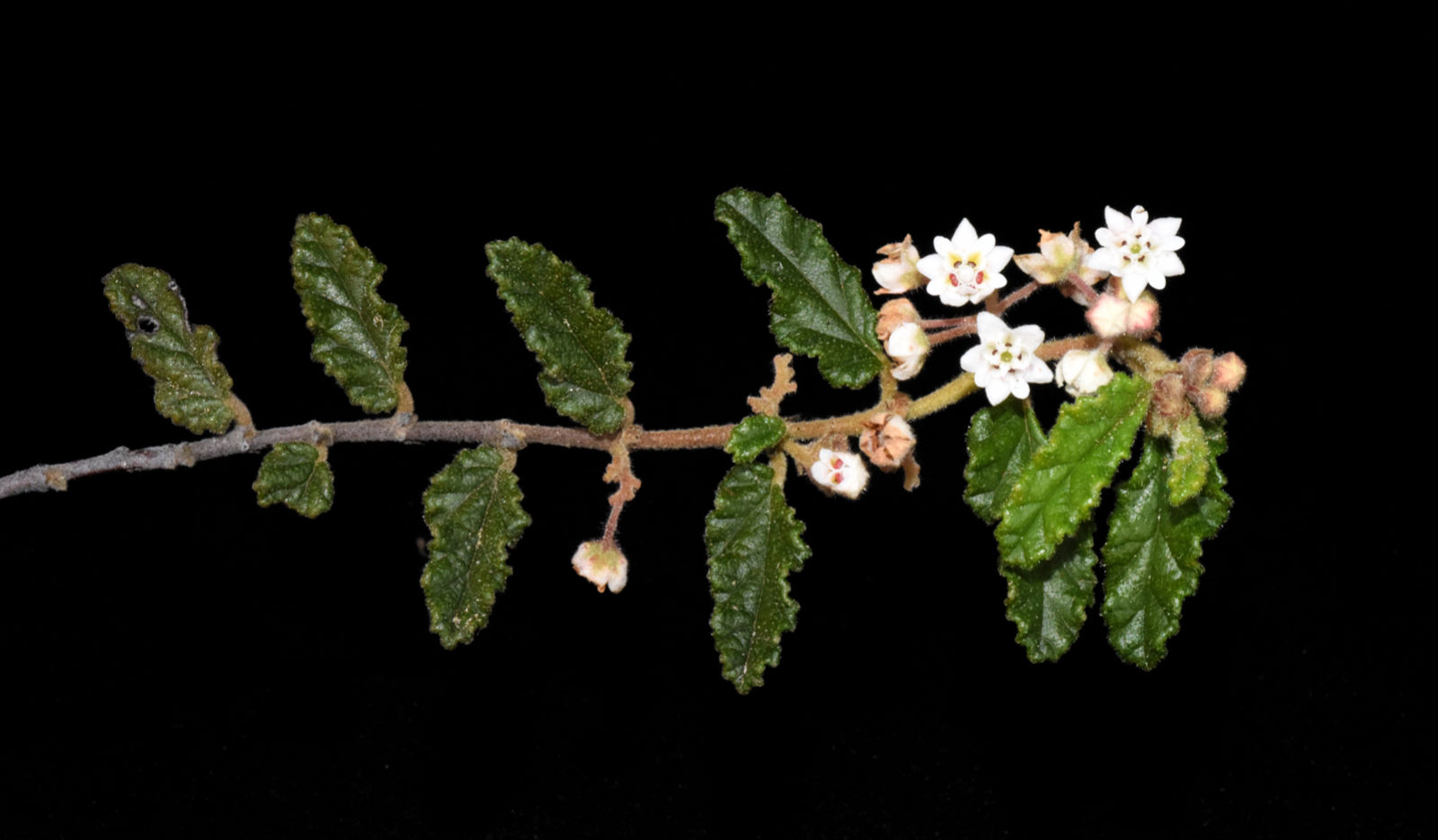
Sign in to saveCommersonia is a genus of twenty-five species of flowering plants in the family Malvaceae. Plants in this genus are shrubs or trees, occurring from Indochina to Australia and have stems, leaves and flowers covered with star-like hairs. The leaves are simple, often with irregularly-toothed edges, the flowers bisexual with five sepals, five petals and five stamens and the fruit a capsule with five valves. The genus underwent a revision in 2011 and some species were separated from Commersonia, others were added from Rulingia.
In the Vinony graph
Within Vinony's link graph, Commersonia is referenced by 39 other articles, and connects out to Mauritius, plant and Carl Linnaeus.
It sits within the topics Commersonia, FloraBase ID same as Wikidata and Malvaceae genera.
Its subject is documented across 9 Wikipedia language editions.
Species
GENUS
- KingdomPlantae
- PhylumTracheophyta
- ClassMagnoliopsida
- OrderMalvales
- FamilyMalvaceae
General: ; two species are found in New Guinea: the common Commersonia
via GBIF · Kew POWO
Museum specimens
- Specimen records
- 165
- With media
- 132
- Family
- Malvaceae
- Collections
- BRIT, MICH, RSA
- Recorded in
- Indonesia, Philippines, Papua New Guinea, Australia
Wikidata facts
- Instance of
- taxon
- Parent taxon
- Lasiopetaleae
- Named after
- Philibert Commerson
- Image
- Commersonia bartramia.jpg
Show 6 more facts
- taxon name
- Commersonia
- taxon rank
- genus
- topic's main category
- Category:Commersonia
- Commons category
- Commersonia
- taxon common name
- 山麻树属
Sources (2)
via Wikidata · CC0
~3 min read
Encyclopedic overview
3 sectionsContents
- Taxonomy
- Species list
- References
Commersonia is a genus of twenty-five species of flowering plants in the family Malvaceae. Plants in this genus are shrubs or trees, occurring from Indochina to Australia and have stems, leaves and flowers covered with star-like hairs. The leaves are simple, often with irregularly-toothed edges, the flowers bisexual with five sepals, five petals and five stamens and the fruit a capsule with five valves. The genus underwent a revision in 2011 and some species were separated from Commersonia, others were added from Rulingia.
==Taxonomy== The genus Commersonia was first formally described in 1775 by Johann Reinhold Forster and his son Georg Forster in the book Characteres generum plantarum and the first species they described was Commersonia echinata, now known as Commersonia bartramia.
Excerpted from Wikipedia’s “Commersonia” article, available under the CC BY-SA 4.0 licence.