
File:David_Garrick_by_Thomas_Gainsborough.jpg · Wikimedia Commons · See Wikimedia Commons
David Garrick
Sign in to saveAlso known as Devid Garrik
British actor, playwright, theatre manager and producer (1717–1779)
Key facts
- Born
- 19 February 1716, Widemarsh Street, Hereford
- Died
- 20 January 1779 (1779-01-20) (aged 62), Adelphi Buildings , London
- Resting place
- Westminster Abbey
- Occupation
- Actor
- Spouse
- Eva Marie Veigel
via Wikipedia infobox
Wikidata facts
- Instance of
- human
- Given name
- David
- Gender
- male
- Citizenship
- Kingdom of Great Britain
- Place of birth
- Hereford
- Place of death
- London
- Spouse
- Eva Marie Veigel
- Occupation
- actor
- Languages spoken
- English language
- Student of
- Samuel Johnson
- Genre
- Shakespearean comedy
- Image
- Kauffman-Garrick.jpg
- Work location
- London
Show 9 more facts
- place of burial
- Poets' Corner
- Commons category
- David Garrick
- date of birth
- 1717-02-19
- date of death
- 1779-01-20
- Commons gallery
- David Garrick
- archives at
- National Library of Wales
- name in native language
- David Garrick
- writing language
- English language
- P12749
- Lengefeld
via Wikidata · CC0
Works in European collections
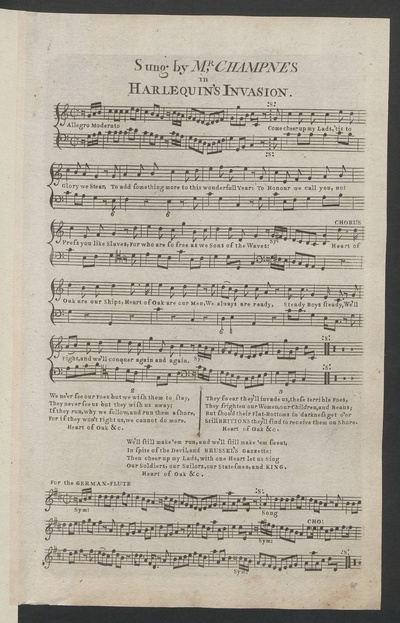
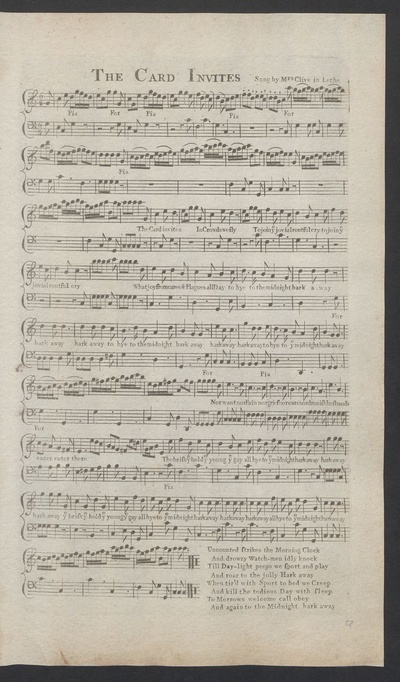
2 objects attributed to David Garrick, held across European museums, libraries & archives · via Europeana
~23 min read
Encyclopedic overview
David Garrick (19 February 1716 – 20 January 1779) was an English actor who wrote, produced and influenced nearly all aspects of European theatrical practice throughout the 18th century, and was a pupil and friend of Samuel Johnson. He appeared in several amateur theatricals, and with his appearance in the title role of Shakespeare's Richard III, audiences and managers began to take notice.
Impressed by his portrayals of Richard III and several other roles, Charles Fleetwood engaged Garrick for a season at the Theatre Royal, Drury Lane in the West End. He remained with the Drury Lane company for the next five years and purchased a share of the theatre with James Lacy. This purchase inaugurated 29 years of Garrick's management of the Drury Lane, during which time it rose to prominence as one of the leading theatres in Europe. At his death, three years after he retired from Drury Lane and the stage, he was given a lavish public funeral at Westminster Abbey where he was buried in Poets' Corner.
Excerpted from Wikipedia’s “David Garrick” article, available under the CC BY-SA 4.0 licence.