Category
page 1Burials at Westminster Abbey

Isaac Newton
Sir Isaac Newton was an English polymath who was a mathematician, physicist, astronomer, alchemist, theologian, author and inventor. He was a key figure in the Scientific Revolution and the Enlightenment that followed. His book Philosophiæ Naturalis Principia Mathematica, first published in 1687, achieved the first great unification in physics and established classical mechanics. Newton also made seminal contributions to optics, and shares credit with the German mathematician Gottfried Wilhelm Leibniz for formulating infinitesimal calculus, although he developed calculus years before Leibniz. Newton contributed to and refined the scientific method, and his work is considered the most influential in bringing forth modern science.

Charles Darwin
English naturalist and biologist (1809-1882)
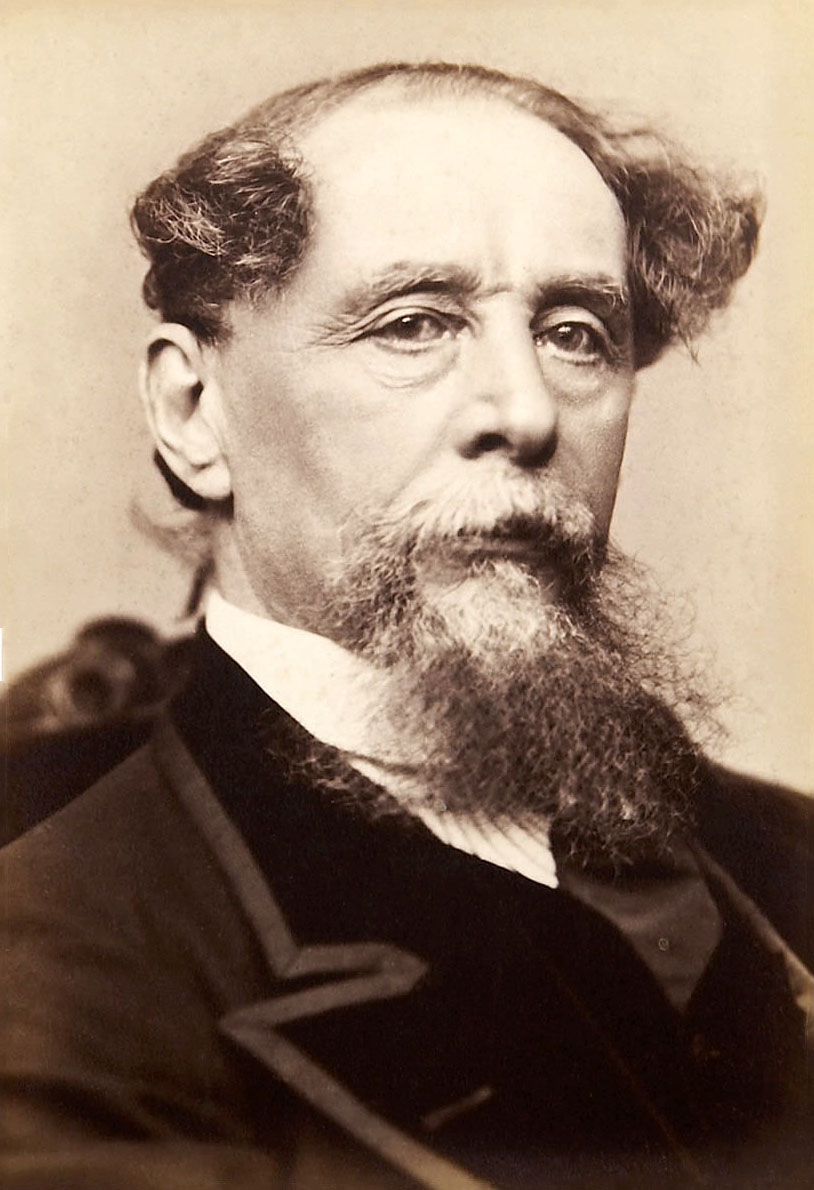
Charles Dickens
Charles John Huffam Dickens was an English writer and journalist. He created some of literature's best-known fictional characters, and is regarded by many as the greatest novelist of the Victorian era. His works enjoyed unprecedented popularity during his lifetime and, by the 20th century, critics and scholars had recognised him as a literary genius. His novels and short stories are widely read today.

Stephen Hawking
Stephen William Hawking was an English theoretical astrophysicist, cosmologist, and author who was director of research at the Centre for Theoretical Cosmology at the University of Cambridge. Between 1979 and 2009, he was the Lucasian Professor of Mathematics at Cambridge, widely viewed as one of the most prestigious academic posts in the world.
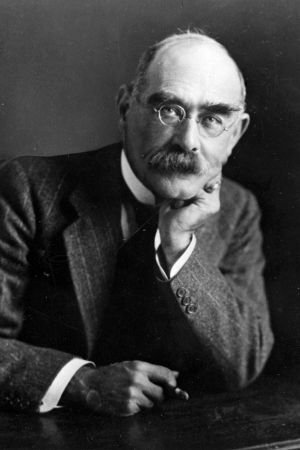
Rudyard Kipling
English writer and poet (1865–1936)
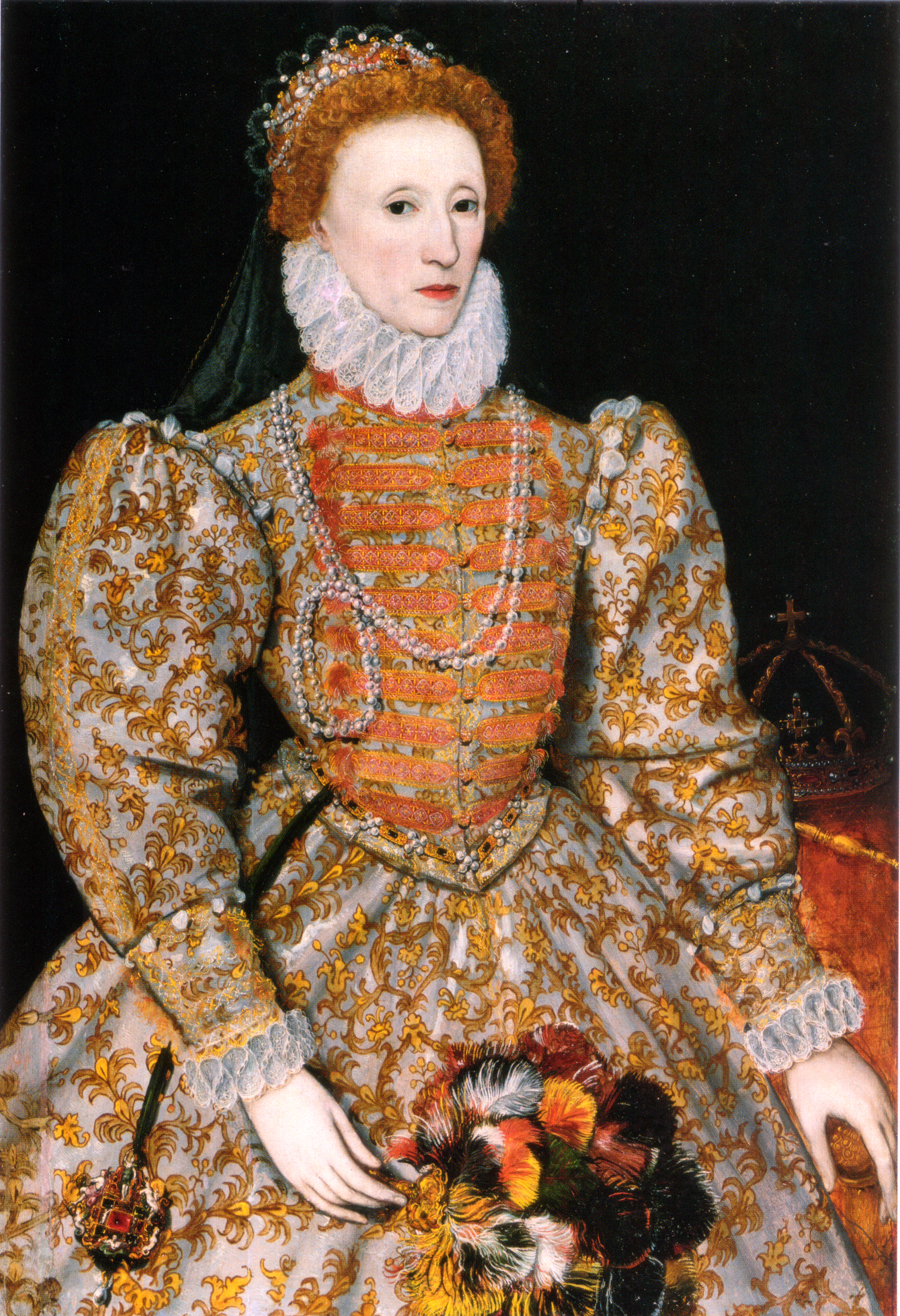
Elizabeth I
Elizabeth I was Queen of England and Ireland from 17 November 1558 until her death in 1603. She was the last and longest reigning monarch of the House of Tudor. Her eventful reign, and its effect on history and culture, gave name to the Elizabethan era.

Geoffrey Chaucer
14th century English poet and author (1343–1400)
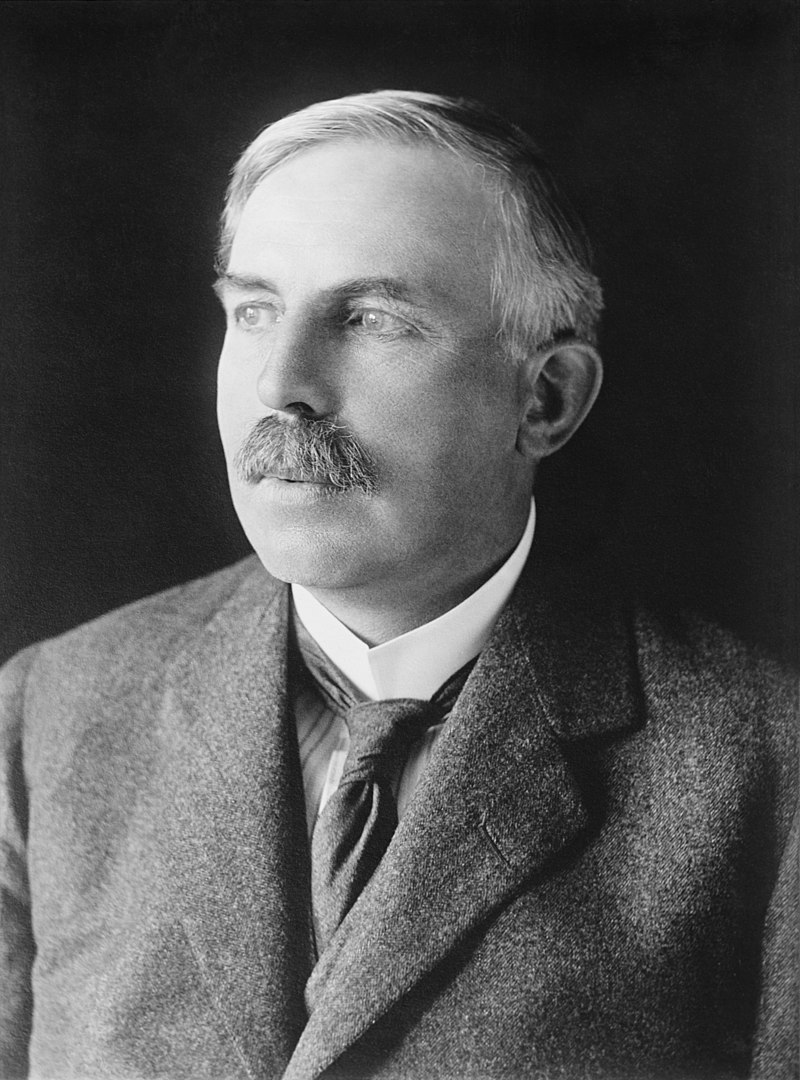
Ernest Rutherford
New Zealand physicist (1871–1937)
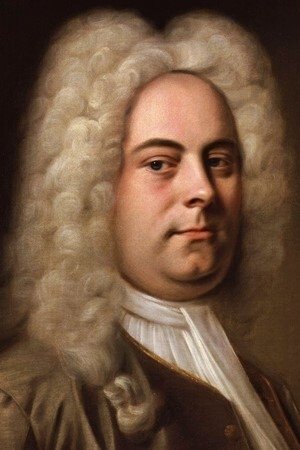
George Frideric Handel
German-British Baroque composer (1685–1759)

Samuel Johnson
English writer and lexicographer (1709–1784)

Neville Chamberlain
Prime Minister of the United Kingdom from 1937 to 1940
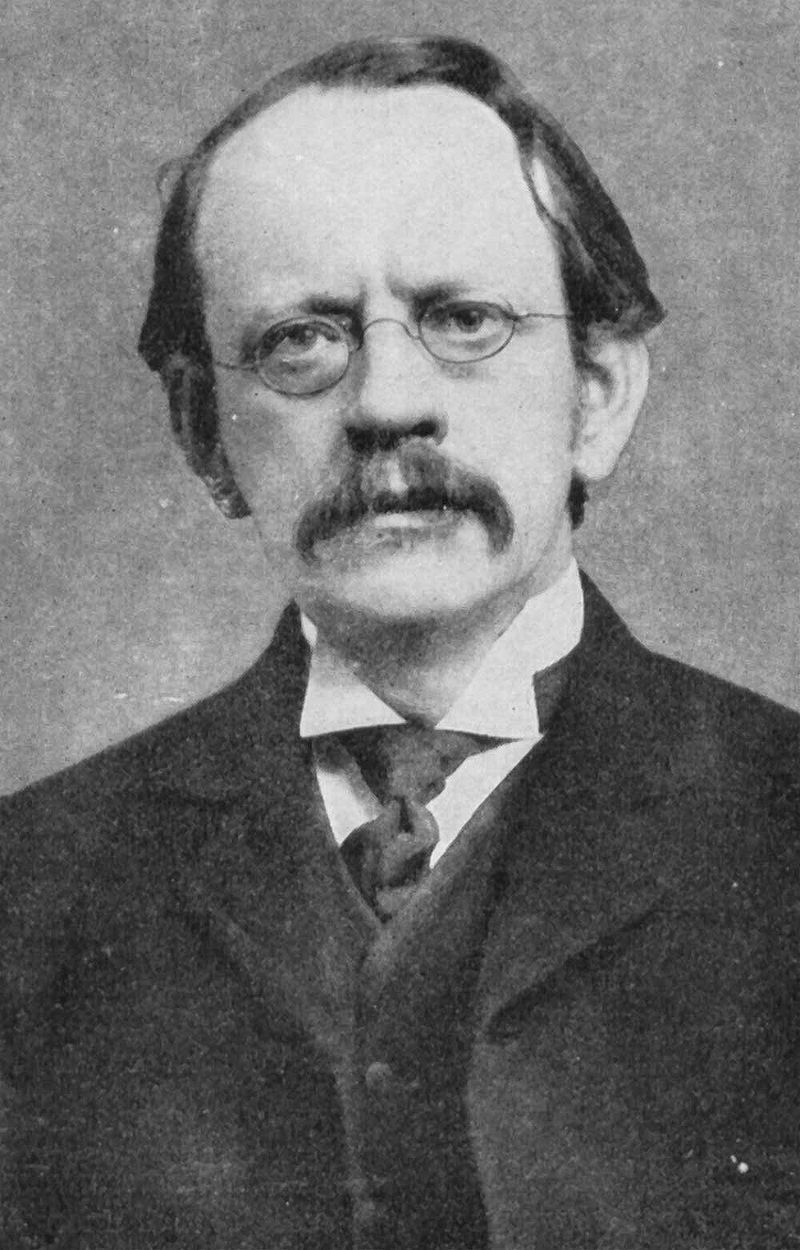
J. J. Thomson
British physicist (1856-1940)

Thomas Hardy
English novelist and poet (1840–1928)
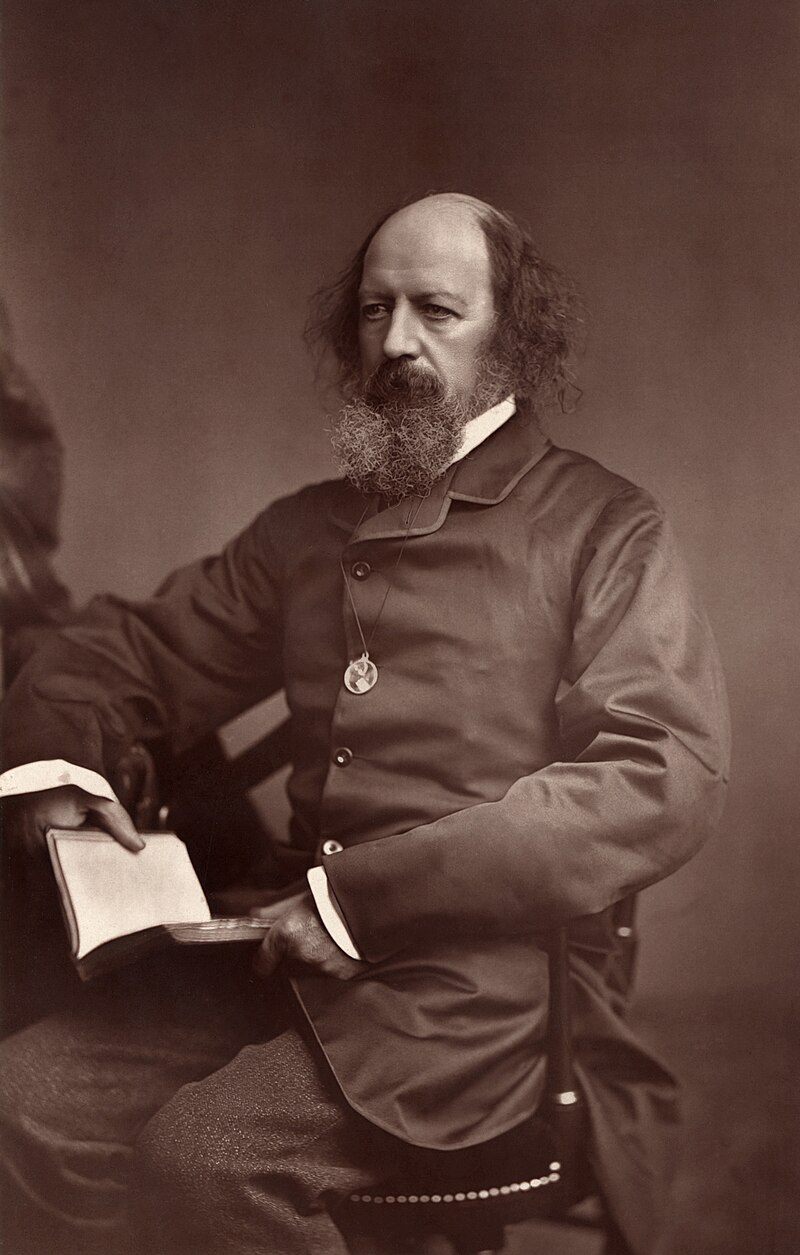
Alfred Tennyson
British Poet Laureate (1809–1892)

Mary, Queen of Scots
Mary, Queen of Scots, also known as Mary Stuart or Mary I of Scotland, was Queen of Scotland from 14 December 1542 until her forced abdication on 24 July 1567.

Clement Attlee
Prime Minister of the United Kingdom from 1945 to 1951 (1883–1967)

Mary I
Queen of England and Ireland from 1553 to 1558
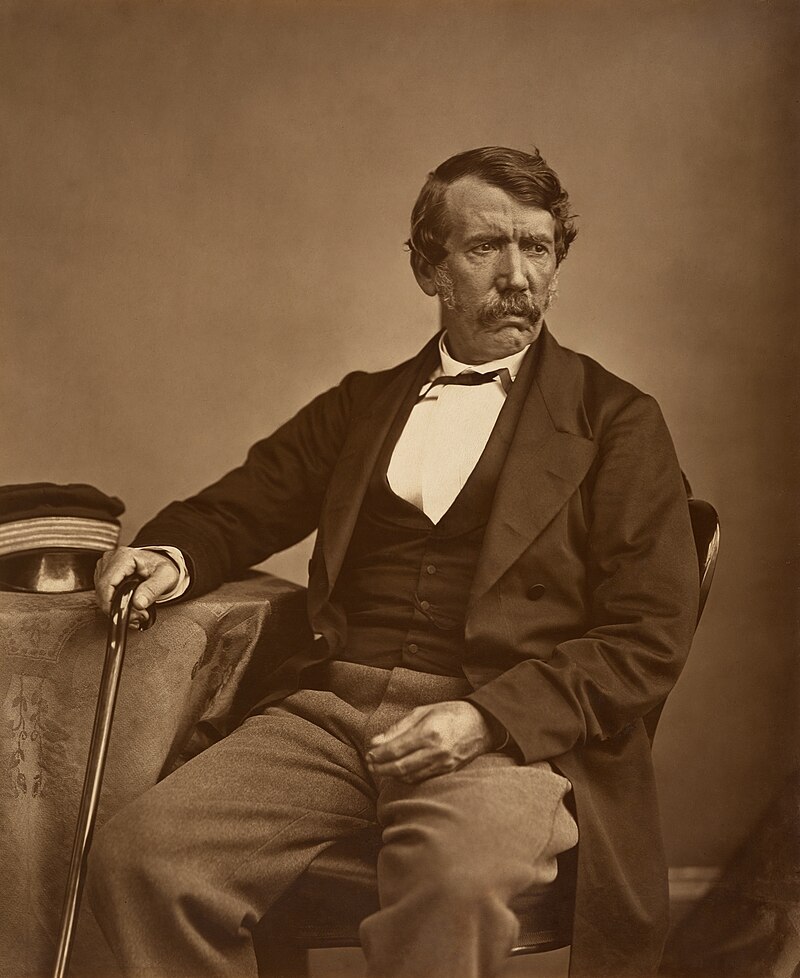
David Livingstone
Scottish missionary and explorer (1813-1873)

William Thomson, 1st Baron Kelvin
British physicist and engineer (1824–1907)

Robert Browning
English poet and playwright (1812–1889)
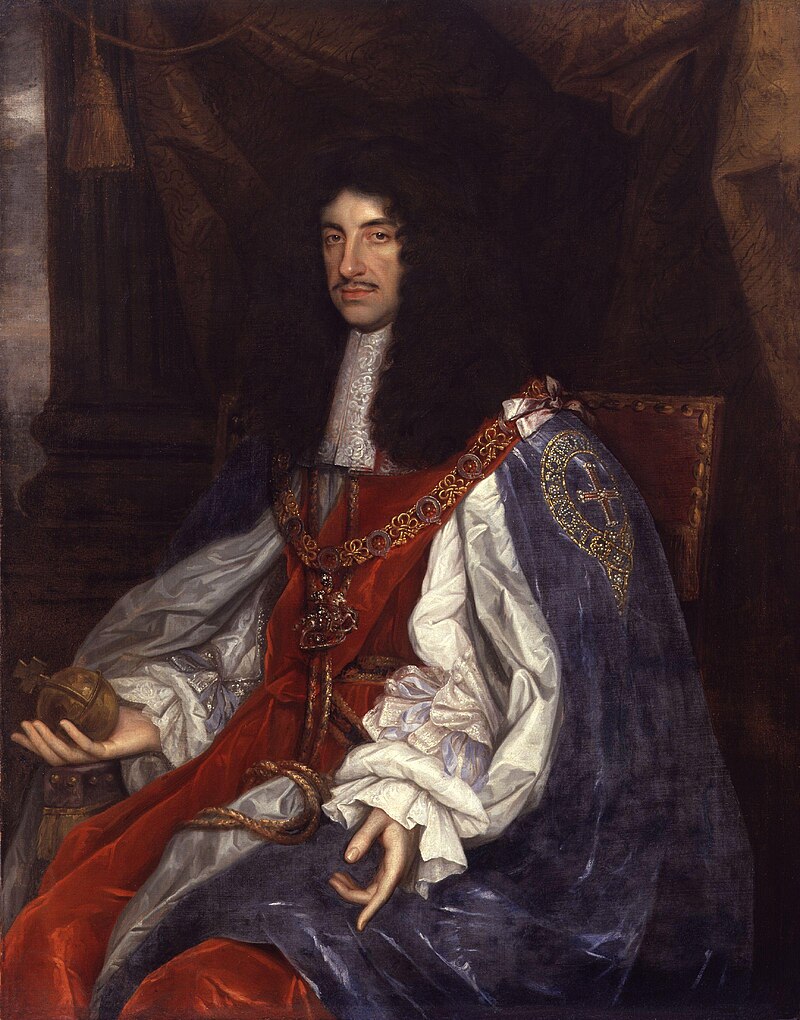
Charles II of England
King of England, Scotland, and Ireland from 1660 to 1685 (1630-1685)

John Dryden
17th-century English poet and playwright (1631–1700)

William Ewart Gladstone
British Liberal prime minister (1809–1898)
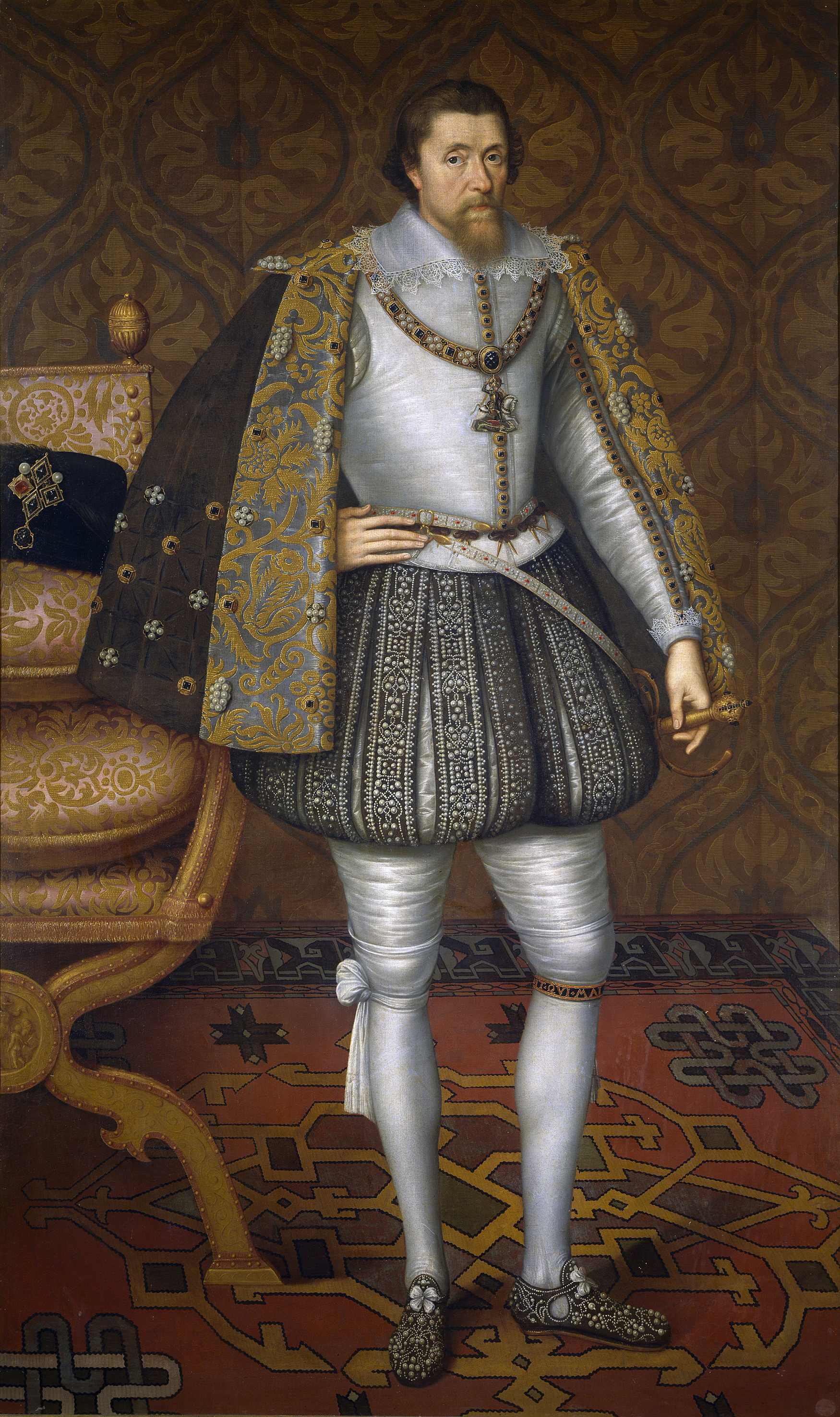
James VI and I
James VI and I was King of Scotland as James VI from 24 July 1567, and King of England and Ireland as James I from the union of the Scottish and English crowns on 24 March 1603, until his death in 1625. Though he long attempted to get both countries to adopt a closer political union, the kingdoms of Scotland and England remained sovereign states ruled by James in personal union, with their own parliaments, judiciaries and laws.

Anne of Great Britain
Queen of Great Britain and Ireland from 1702 to 1714 (1665–1714)
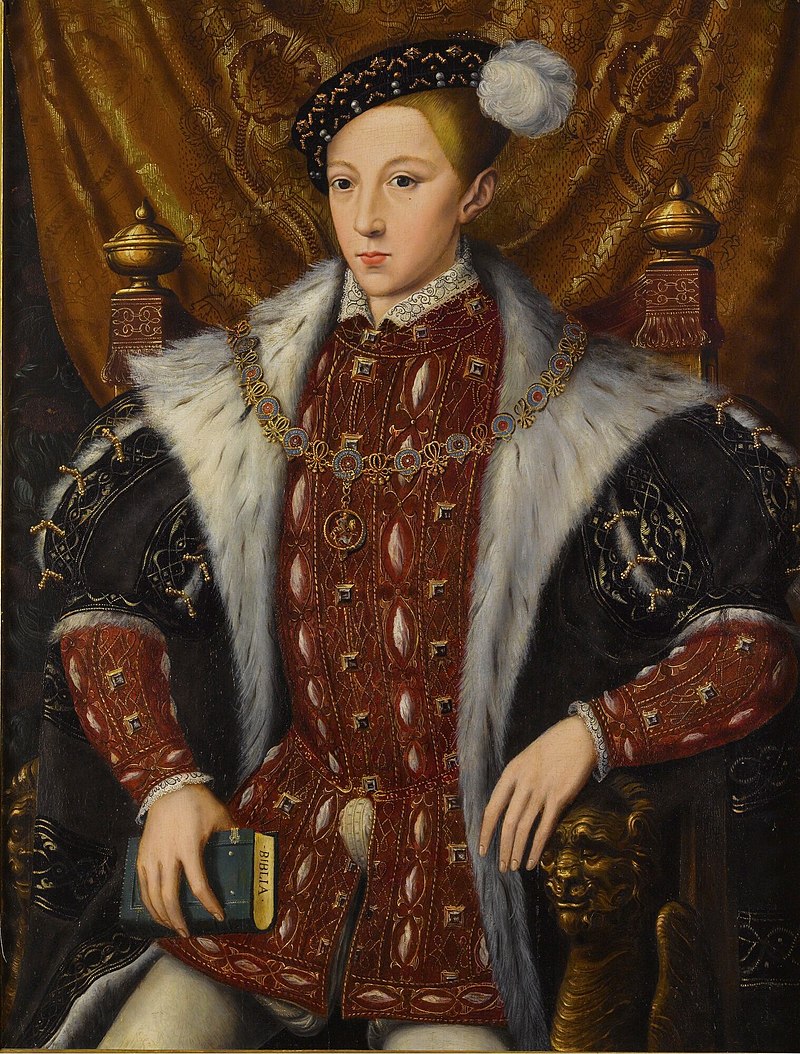
Edward VI of England
king of England and Ireland from 1547 to 1553
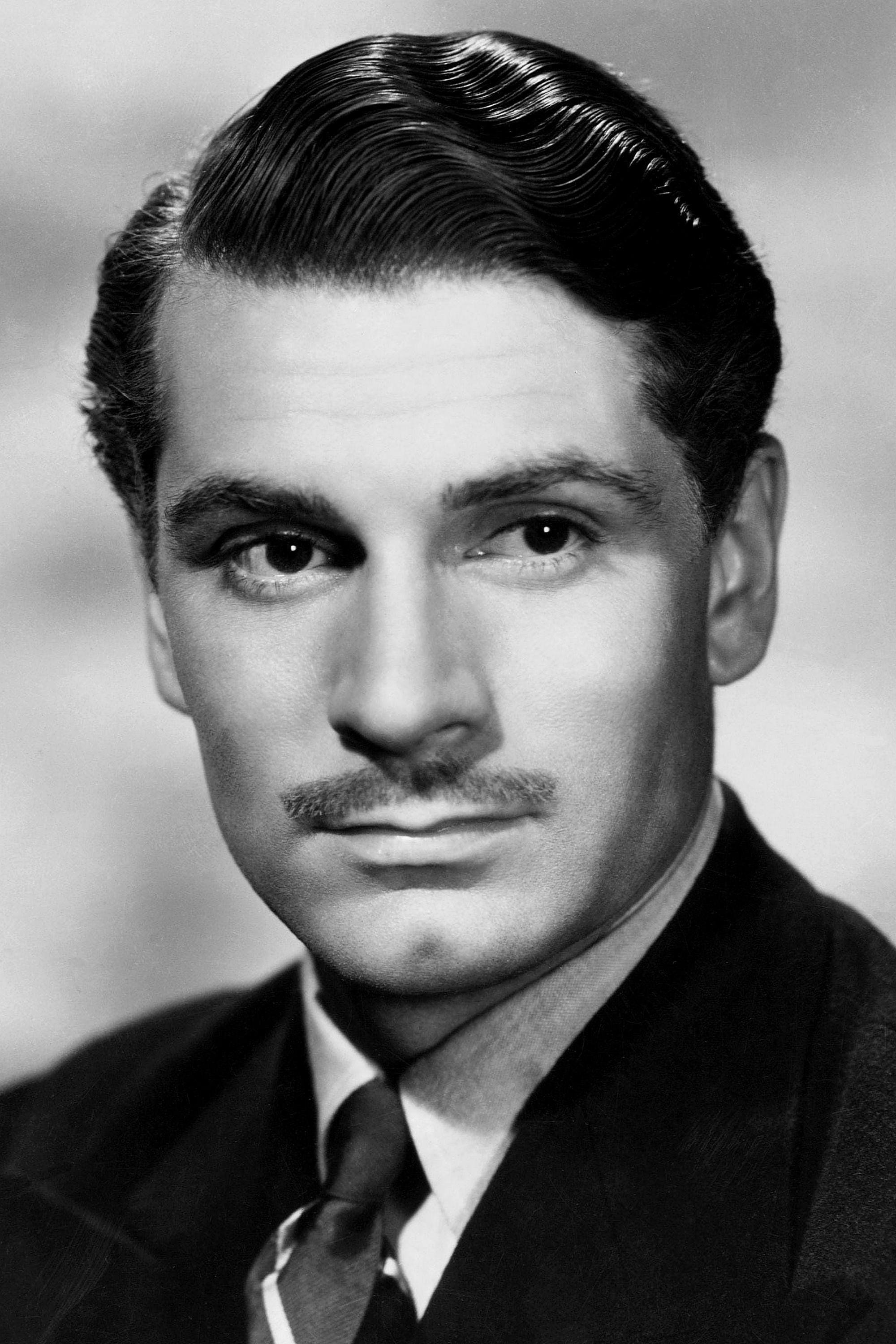
Laurence Olivier
English actor and director (1907–1989)

William III of England
King of England, Scotland, and Ireland from 1689 to 1702 (1650-1702)

George II of Great Britain
King of Great Britain and Ireland from 1727 to 1760
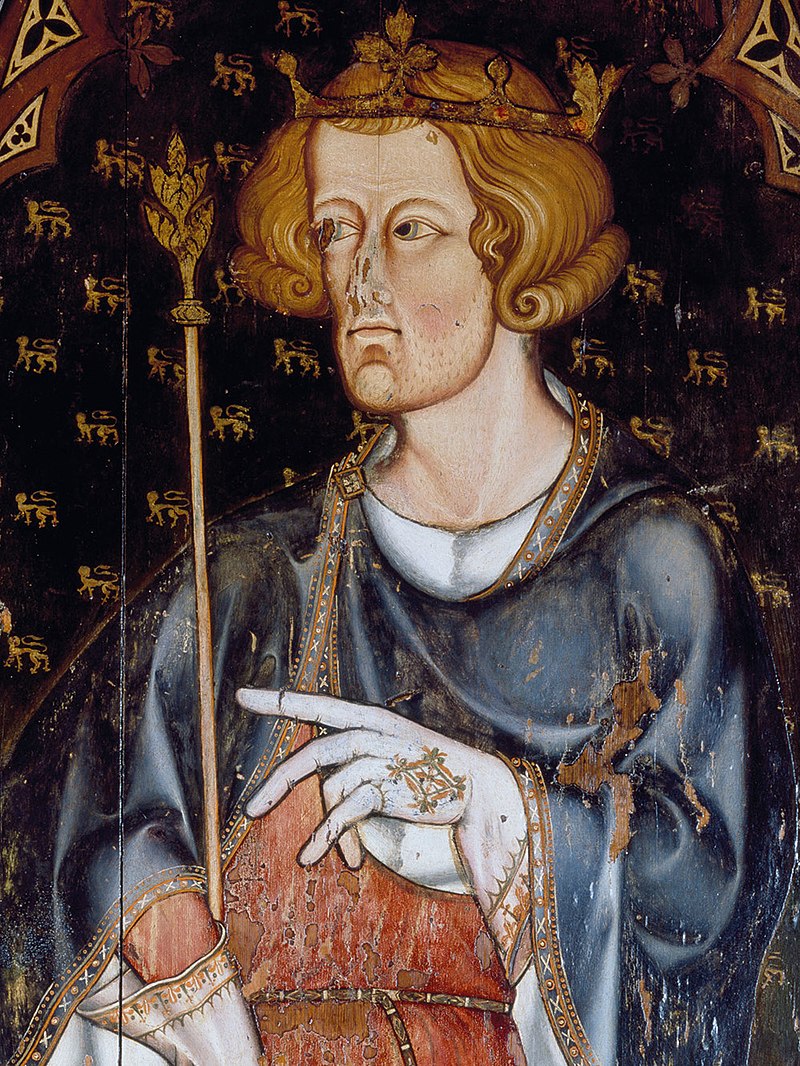
Edward I of England
King of England from 1272 to 1307

John Frederick William Herschel
English polymath, mathematician, astronomer, chemist, inventor and photographer (*1792 – †1871)

Henry V of England
King of England from 1413 to 1422

Ben Jonson
English playwright, poet, and actor (1572-1637)

Joseph Addison
English essayist, poet, playwright and politician (1672–1719)

Edward III of England
King of England from 1327 to 1377

Henry VII of England
King of England from 1485 to 1509

William Pitt the Younger
British statesman (1759–1806)

Mary II of England
Queen of England, Scotland, and Ireland from 1689 to 1694 (1662-1694)

Edmund Spenser
English poet (c. 1552 – 1599)

Henry III of England
King of England from 1216 to 1272

Aphra Behn
British playwright, poet and spy (1640–1689)

Richard II of England
King of England from 1377 to 1399

Thomas Babington Macaulay, 1st Baron Macaulay
British historian and politician (1800–1859)
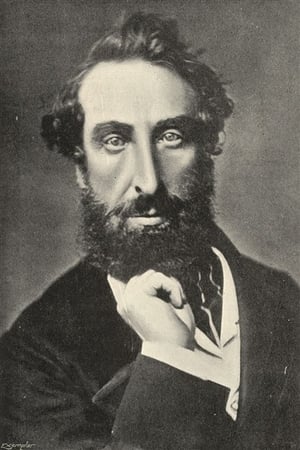
Edward Bulwer-Lytton
British statesman and author (1803–1873)

Henry Temple, 3rd Viscount Palmerston
British statesman and prime minister (1784–1865)
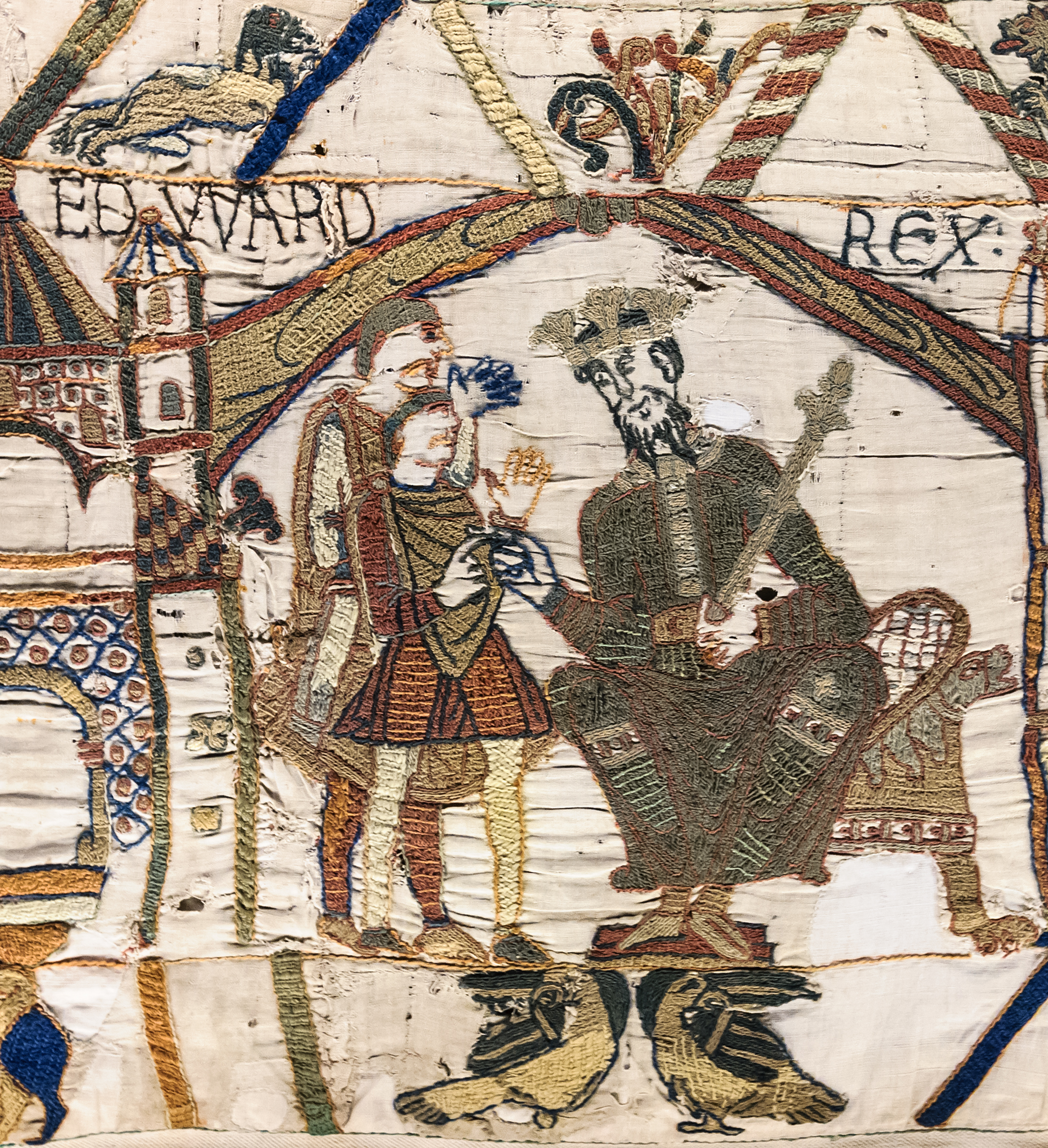
Edward the Confessor
Edward the Confessor was King of the English from 1042 until his death in 1066. He was the last reigning monarch of the House of Wessex.
Edward V of England
king of England in 1483 (1470-1483)

George Canning
British Prime Minister, statesman, and politician (1770-1827)

Henry Purcell
English composer (1659–1695)

William Pitt, 1st Earl of Chatham
Prime Minister of Great Britain from 1766 to 1768 (1708–1778)

Bonar Law
Prime Minister of the United Kingdom from 1922 to 1923
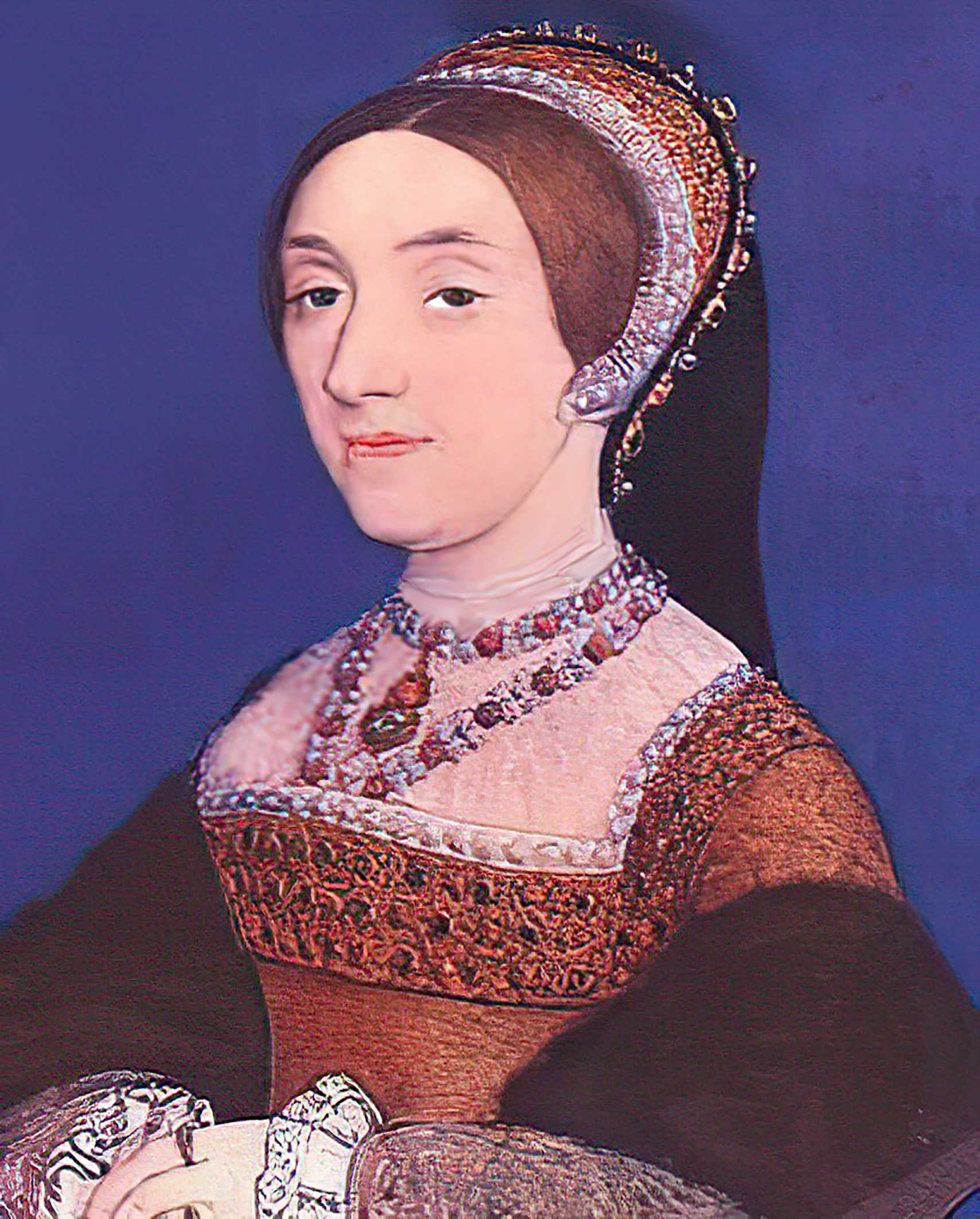
Anne of Cleves
Queen consort of England (1515–1557)

Charles Lyell
British geologist (1797–1875)

William Wilberforce
English politician and abolitionist (1759–1833)

Elizabeth of York
Queen of England

Isaac Barrow
English Christian theologian, and mathematician (1630-1677)

Richard Brinsley Sheridan
Irish-British politician, playwright and writer (1751-1816)

William Congreve
British writer (1670-1729)

Eleanor of Castile
Infanta of Castile and queen consort of England

Ralph Vaughan Williams
English composer (1872-1958)