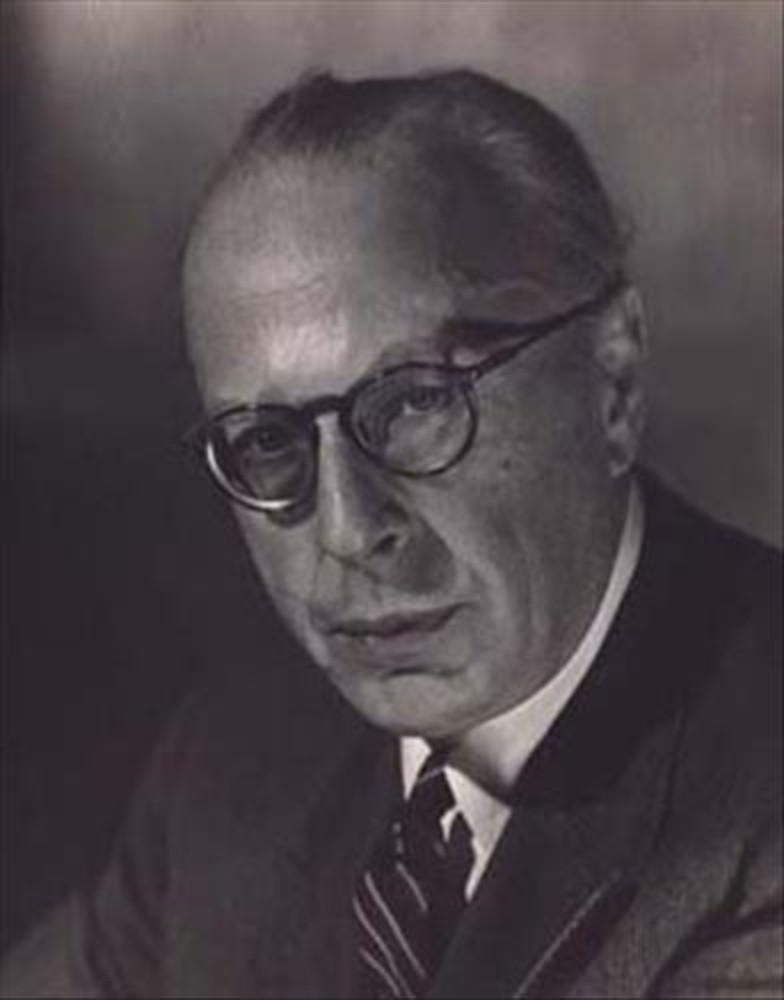
George Szell · Spotify · Courtesy of Spotify
George Szell
Sign in to saveAlso known as György Széll, György Endre Szél
Classical conductor and composer (1897–1970)
OverviewAI-generated
George Szell was a Hungarian-American conductor, composer, and university teacher born in Budapest in 1897. He studied at the University of Music and Performing Arts Vienna under Richard Robert and began his professional work in 1913. Szell was a member of the American Academy of Arts and Sciences and was employed by The New School and the Hanns Eisler Music School Berlin. He spoke German and performed on the piano.
He recorded for Epic Records and His Master's Voice, focusing on classical music and symphony works. Szell received the Commander of the Order of the British Empire award. He died in Cleveland in 1970 from multiple myeloma, a result of natural causes. His career spanned his citizenship in Hungary, the United States, and Germany.
Synthesized by Vinony from 29 facts across 5 sources: Wikidata, MusicBrainz, Last.fm, Europeana Sparql, Vinony collections. Generated from structured data (not the Wikipedia text) and checked against those facts — may still contain errors.
Listeners · Last.fm
- Listeners
- 37,018
- Total plays
- 218,097
Tags
George Szell (originally "György Széll" like "cell"), born in Budapest, Hungary on June 7, 1897 and died in Cleveland, Ohio on July 30, 1970, was a Jewish-American conductor and composer. Well known for his long held position as musical director of the Cleveland Orchestra. By the time of his death he was credited, to quote the critic Donal Henahan, with having built it into "what many critics regarded as the world's keenest symphonic instrument. <a href="https://www.last.fm/music/George+Szell">R
Wikidata facts
- Instance of
- human
- Given name
- György
- Gender
- male
- Citizenship
- Germany
- Place of birth
- Budapest
- Place of death
- Cleveland
- Occupation
- university teacher
- Position held
- professor
- Employer
- Hanns Eisler Music School Berlin
- Languages spoken
- German
- Student of
- Richard Robert
- Genre
- classical music
- Instrument
- piano
- Record label
- Epic Records
- Image
- George Szell (1965).jpg
Show 9 more facts
- Commons category
- George Szell
- date of birth
- 1897-06-07
- date of death
- 1970-07-30
- manner of death
- natural causes
- cause of death
- multiple myeloma
- name in native language
- George Szell
- start of work period
- 1913-00-00
- P8168
- Lugos
via Wikidata · CC0
Works in European collections
33 objects attributed to George Szell, held across European museums, libraries & archives · via Europeana

La boheme: “Che gelida manina”/(Puccini)

Erlkönig (Who rides so late): Ballad/Carl Loewe
![The Jewish: Arie des Brogni: “Wenn ew 'ger Hass”; [1st act]/(Halevy)](https://api.europeana.eu/thumbnail/v2/url.json?uri=http%3A%2F%2Fmedia.slub-dresden.de%2Ffon%2Fsnp%2Fa%2F000099%2Ffon_snp_a_000099_02.jpg&type=IMAGE)
The Jewish: Arie des Brogni: “Wenn ew 'ger Hass”; [1st act]/(Halevy)

The Mastersingers of Nuremberg: “Am stille Herd”/(Rich. Wagner)

Tosca: Arie des Cavaradossi (1st act): “Recondita armonia” (How the images are the same)/(Puccini)

The Mastersingers of Nuremberg: “Am stille Herd”/(Wagner)

The mastersingers of Nuremberg: prize song: “Morgendlich leuchDie”/(Rich. Wagner)

Lohengrin : Gralserzählung: In fernem Land / (Wagner)

Rigoletto: “Friendly look at this and those” (Questa o quella par me pari sono)/(Verdi)

The mastersingers of Nuremberg: prize song: “Morgendlich leuchDie”/(Rich. Wagner)

The Dead City: Arie of the Marietta: “The First, the Lieb 'Me Die”/(E. W. Korngold)

La bohème : Che gelida manina (Wie eiskalt ist dies Händchen) / (Puccini)

Tosca: Arie des Cavaradossi (1st act): “How the images are equal” (Recondita armonia)/(Puccini)

Carmen: “Il fior” (floral aria)/(Bizet)

Turandot: Arie of the Prince (1st act): “O weine nicht, Liu”/(Puccini)

La bohème : Che gelida manina (Wie eiskalt ist dies Händchen) / (Puccini)

Tosca: Arie des Cavaradossi (Act III): “And the stars flashed” (E lucean le stelle)/(Puccini)

Rigoletto : "O wie so trügerisch" (La donna è mobile) / (Verdi)

Tosca: Arie des Cavaradossi, 3rd act: “E lucevan le stelle” (And the stars flashed)/(Puccini)

Margarethe: Rondo of the golden calf: “Yes, gold rules the world”/(Gounod)
![The Jewish: Arie des Brogni: “Wenn ew 'ger Haß” [1st act]/(Halevy)](https://api.europeana.eu/thumbnail/v2/url.json?uri=http%3A%2F%2Fmedia.slub-dresden.de%2Ffon%2Fsnp%2Fa%2F008327%2Ffon_snp_a_008327_02.jpg&type=IMAGE)
The Jewish: Arie des Brogni: “Wenn ew 'ger Haß” [1st act]/(Halevy)

Turandot: Arie of the Prince (III Nude): “No Sleep”/(Puccini)

Carmen: “Il flor” (floral aria)/(Bizet)

Tosca: Arie des Cavaradossi (Act III): “And the stars flashed”; (E lucean le stelle)/(Puccini)

The Mastersingers of Nuremberg: “Am stille Herd”/(Rich. Wagner)

Turandot: Arie of the Prince (III Nude): “No Sleep”/(Puccini)

Turandot: Arie of the Prince (1st act): “O weine nicht, Liu”/(Puccini)

Rigoletto : "Freundlich blick' ich" (Questa o quella) / (Verdi)

The Dead City: Duett Marietta and Paul: “Happiness the Me Remained”/(E. W. Korngold)

Carmen: Song of the Escamillo: “Auf in die Kampf, Torero!”/(Bizet)

The Mastersingers of Nuremberg: “Am stille Herd”/(Wagner)

The Bride Sold: Arie des Kezal II Nude: “Who in Lieb 'entbrannt”/(Fr. Smetana)

Tosca: Arie des Cavaradossi (1st act): “E lucean le stelle” (And the stars flashed)/(Puccini)