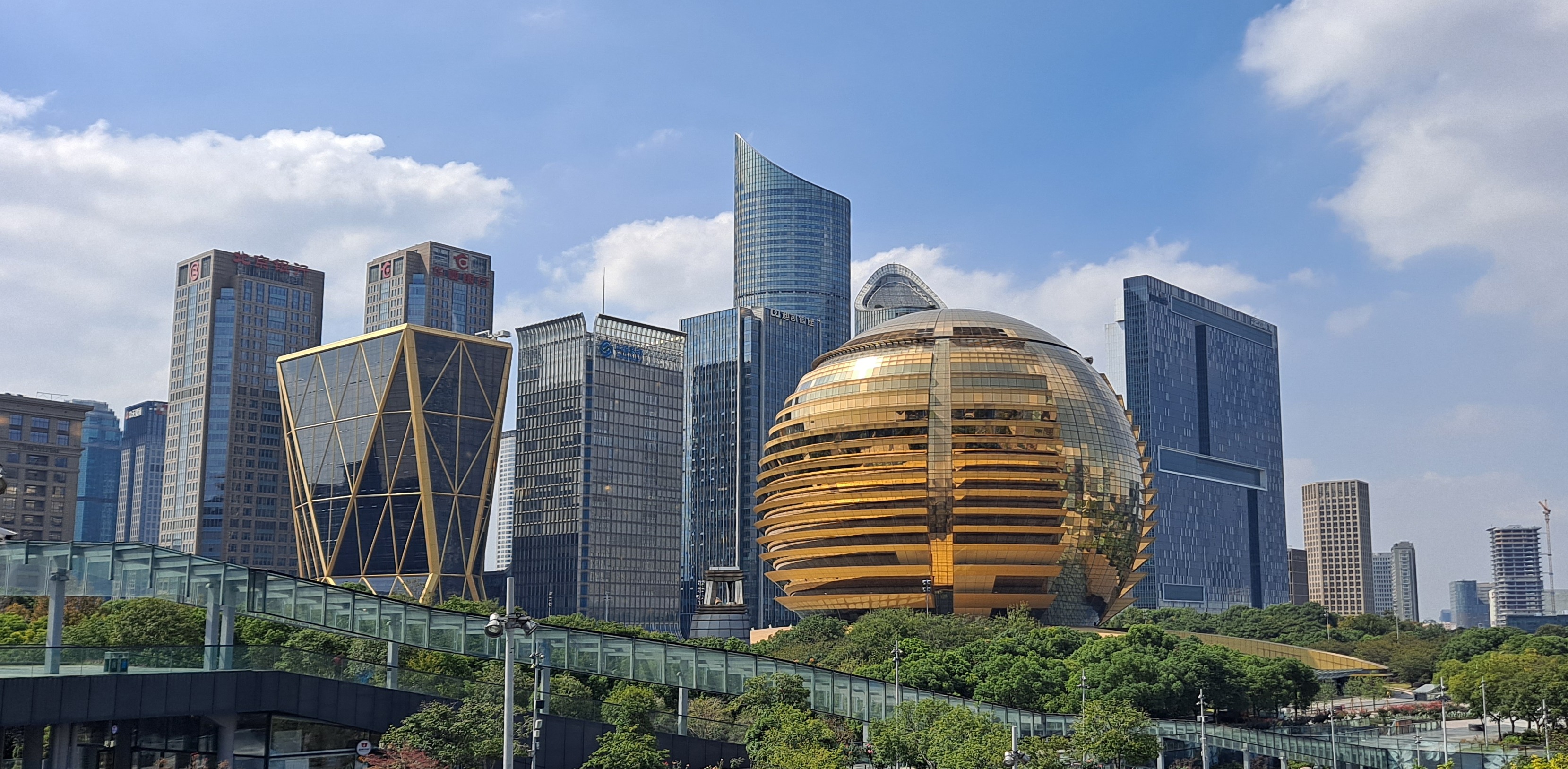
Hangzhou
Also known as Hangzhou Municipality, Hanceu, Hang-chou, Kinsay, Hangchow, Hangchou, Quinsay, Kinsai
capital de la provincia de Zhejiang, China
AI overview
Hangzhou is the capital and largest city of Zhejiang province in China, located where the historic Grand Canal meets Hangzhou Bay, and it is one of China's Eight Ancient Capitals. The city is famous for its rich cultural heritage and its scenic West Lake, which is recognized as a UNESCO World Heritage site.
AI-generated from the Wikipedia summary — may contain errors.
Weather now
cached 12h ago31°overcast clouds
75% 1.2 m/s OpenWeatherMap
7-day forecast
via Open-Meteo
Place details
- Locality
- 拱墅区
- Region
- 浙江省
- Country
- 中国
- Population
- 9,236,032
- Timezone
Travel guide
Understand
thumb|View over West Lake Hangzhou, known for its natural scenery, including West Lake (西湖; Xīhú), has been celebrated by poets and artists throughout history. The city served as the capital of the Southern Song Dynasty from 1127 until the Mongol conquest in 1276. During this period, its population is estimated to have reached around one million, making it one of the largest cities in the world at the time. Marco Polo visited the city, describing it as one of the finest in the world. In 2011, the West Lake Cultural Landscape was designated a .
Over time, as the city's harbor silted up, much of its trade and industry shifted north to nearby Shanghai. However, Hangzhou remains a bustling city with a population of approximately 8.7 million and continues to be one of China's most popular tourist destinations.
Do
thumb|upright 1.25|Maitreya and disciples carving in Feilai Feng Caves Walk around the lake. It will take you about 5 hours of slow walking. The lake is not very big and there are two shortcuts (causeways) through it. You can also hire small non-motor powered boats (¥120/hour for personal boat with driver, or use the ferry services) to take you around the lake and to the two islands, which feature some interesting sites. Go hiking in the mountains. Hangzhou has the most accessible and interesting hiking environments within walking distance of any city. Purchase a topographic map, not difficult to find. Some suggested hikes: Start with the climb up to the Baochu Pagoda from Beishan Road. The trail passes the pagoda and continues on with a rock scramble and great views to a series of stone paths that follow the ridge. Keep going and relax, you can't get lost because this mountain is surrounded by main roads. There are temples, shrines and caves along the way with a sprinkling of tea houses. Stay with the high ground where you can and you should come out near the corner of Shuguang Rd and Beishan Rd in an easy 2 hours, with plenty of opportunities for side explorations. You can walk back or return by bus (be brave, as long as the bus is going inbound it will take you somewhere central. The fare will be ¥1-3 and services are frequent) or cab. Start at Wushan Square, at the southern end of Yan'an Rd, and walk south through the developed park land. Stay high, and pass the war memor…
Buy
Hangzhou China Silk Town on Tiyuchang Road. You can also get silk at other places in the city, but most of it will just be the fabric. It is open from 08:00-17:00 and is near the Zhejiang International Hotel. Bargain hard! Night Market (夜市) off Yan'an Road near Pinghai Road (right near Wushan) every night. Here you can find Mao memorabilia, jewellery, paper fans, pipes, luggage, handicrafts and other items that most Chinese cities have. Pirated DVDs and counterfeit handbags are for sale as well. You can also find a lot of those silk-screen printed paintings/embroidery things that the silk market also has. Bargain very hard - Many stalls sell the same stuff, so be prepared to walk away. Be careful buying "antiques" because they are probably new, and pearls. Often the pearl culturing process has been very short, and in fact the "pearl" is a plastic marble with only the thinnest of cultured skin. Electronics Markets (电子产品市场 - Running west-east in north-west Hangzhou on Wensan Road are several indoor, multistory electronics shopping centers offering all manner of electronics including desktop computers, laptops, computer software (licensed and un-licensed), cellphones, mp3 players, and hundreds of peripherals and storage media. Pirated DVDs and computer games are offered as well, and if you are obviously a foreigner, vendors will shout "DVD! DVD!" at you to urge you to browse their selection. Bird and Flower Markets - Several in town, Gucui Rd and Wener West Rd in the west, anoth…
Article · Español
Hangzhou ( (?·i) Jang-Zhóu en chino, 杭州; pinyin, Hángzhōu; transcripción antigua, Hangchow) es la capital y la ciudad más grande de la provincia de Zhejiang en la República Popular China. Está situada en las riberas del río Qiantang, cerca de su desembocadura, y a la cabeza de la bahía de Hangzhou, que separa Shanghái y Ningbo. Hangzhou cobró relevancia al ser el extremo sur del Gran Canal, y ha sido una de las ciudades chinas con más renombre durante el último milenio. El Lago Oeste, patrimonio de la Humanidad reconocido por la UNESCO, está entre sus atracciones más conocidas.
Abstract from DBpedia / Wikipedia · CC BY-SA
Gallery (54)
On the map
3 mapped locations