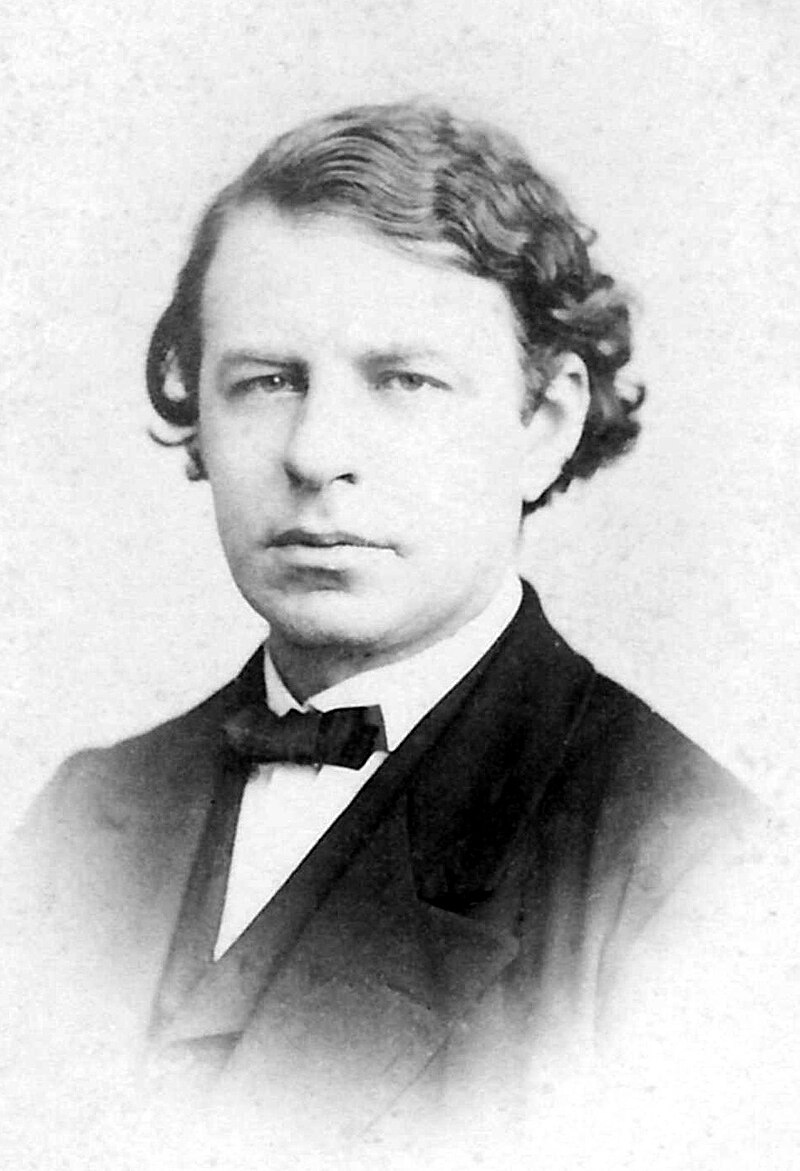
File:Joseph_Joachim_(photo_by_Reutlinger).jpg · Wikimedia Commons · See Wikimedia Commons
Joseph Joachim
Sign in to saveAlso known as József Joachim, Joseph Georg Maria Joachim
Hungarian violinist, composer, and teacher (1831–1907)
Music · MusicBrainz
- Type
- Person
- Gender
- Male
- Origin
- Germany
- Active from
- 1949-02-22
Discography
- Silberblick1980
- Edelweiß1982
- Märchenblau1983
- Mit Rucksack und Harpune1985
- Moonlight Nights1985
- 10 Millionen Partys1988
- Kapitän der Träume1992
- Bayreuth Eins1998
- Bayreuth Zwei2000
- Eisenherz2002
Member of
via MusicBrainz · CC0
Listeners · Last.fm
- Listeners
- 6,839
- Total plays
- 23,878
Tags
Joseph Joachim (June 28, 1831 – August 15, 1907) (IPA: /ˈjoʊɑːxɪːm/) was a Hungarian violinist, conductor, composer and teacher. He is regarded as one of the most influential violinists of all time. Joseph Joachim was born in Kittsee (Kopčany / Köpcsény), near Bratislava and Eisenstadt, in today's Burgenland area of Austria. He was the seventh of eight children born to Julius and Fanny Joachim. His father was a wool merchant. Joachim was born Jewish <a href="https://www.last.fm/music/Joseph+Joa
Key facts
- Born
- Joachim József , ( 1831-06-28 ) 28 June 1831, Köpcsény , Kingdom of Hungary , Austrian Empire
- Died
- 15 August 1907 (1907-08-15) (aged 76), Berlin, German Empire
- Education
- Vienna Conservatory
- Occupations
- Classical Violinist Conductor Academic teacher
- Organizations
- Gewandhausorchester Opernhaus Hannover Joachim Quartet
- Spouse
- Amalie Joachim
via Wikipedia infobox
Wikidata facts
- Instance of
- human
- Given name
- József
- Gender
- male
- Citizenship
- Hungary
- Place of birth
- Kittsee
- Place of death
- Berlin
- Spouse
- Amalie Joachim
- Occupation
- violinist
- Employer
- Leipzig Gewandhaus Orchestra
- Languages spoken
- German
- Academic degree
- Doctor of Music
- Genre
- classical music
- Instrument
- violin
- Image
- Joseph Joachim.jpg
Show 10 more facts
- place of burial
- Kaiser Wilhelm Memorial Cemetery
- Commons category
- Joseph Joachim
- date of birth
- 1831-06-28
- date of death
- 1907-08-15
- manner of death
- natural causes
- cause of death
- actinomycosis
- different from
- Joachim Raff
- name in native language
- Joseph Joachim
- relative
- Irène Joachim
- P8168
- Cormeilles
Sources (8)
via Wikidata · CC0
Works in European collections
21 objects attributed to Joseph Joachim, held across European museums, libraries & archives · via Europeana

Crepundia Sacra, M. LVDOVICI HELMBOLDI MVLHVSINI. Christian Liedlein, to sing by four votes to S. Gregorij, the student Festag, vnd liche

Hungarian Dance No. 1 G-moll/(Brahms)

Variationen über ein eigenes Thema : für Viola u. Pianoforte ; op. 10 ; Leipzig, bei Breitkopf & Härtel

Concert in ungarischer Weise : op. 11

Drei Stücke für Violine mit Begleitung des Pianoforte : op. 2

Cadenzen zu L. van Beethovens Violin-Concert

Concert : op. 3

Joseph Joachim (1822-1882) und Helene Raff (1865-1942) Nachlass: Brief von Joseph Joachim an Joseph Joachim Raff - BSB Raffiana I. Joachim, Joseph

3 Cadenzen zu L. van Beethoven's Violin-Concerte : 61. Werk ; für d. Violine allein

Ouverture für großes Orchester : dem Andenken d. Dichters Heinrich von Kleist ; op. 13

Drei Stücke für Violine und Pianoforte : op. 5

Hebraeische Melodien : (nach Eindrücken d. Byron'schen Gesänge) ; für Viola u. Pianoforte ; op. 9

Concert (in einem Satze, g-Moll) für Violine mit Orchester : op. 3

Untitled
Untitled

Untitled

Untitled

Untitled
Untitled
Untitled
Untitled
~40 min read
Encyclopedic overview
Joseph Joachim (28 June 1831 – 15 August 1907) was a Hungarian violinist, conductor, composer and teacher who made an international career, based in Hanover and Berlin. A close collaborator of Johannes Brahms, he is widely regarded as one of the most distinguished violinists of the 19th century.
Joachim studied violin early, beginning in Buda at age five, then in Vienna and Leipzig. He made his debut in London in 1844, playing Ludwig van Beethoven's Violin Concerto, with Felix Mendelssohn conducting. He returned to London many times throughout life. After years of teaching at the Leipzig Conservatory and playing as principal violinist of the Gewandhausorchester, he moved to Weimar in 1848, where Franz Liszt established cultural life. From 1852, Joachim served at the court of Hanover, playing principal violin in the opera and conducting concerts, with months of free time in summer for concert tours. In 1853, he was invited by Robert Schumann to the Lower Rhine Music Festival, where he met Clara Schumann and Brahms, with whom he performed for years to come. In 1879, he premiered Brahms' Violin Concerto with Brahms as conductor. He married Amalie, an opera singer, in 1863, who gave up her career; the couple had six children.
Excerpted from Wikipedia’s “Joseph Joachim” article, available under the CC BY-SA 4.0 licence.