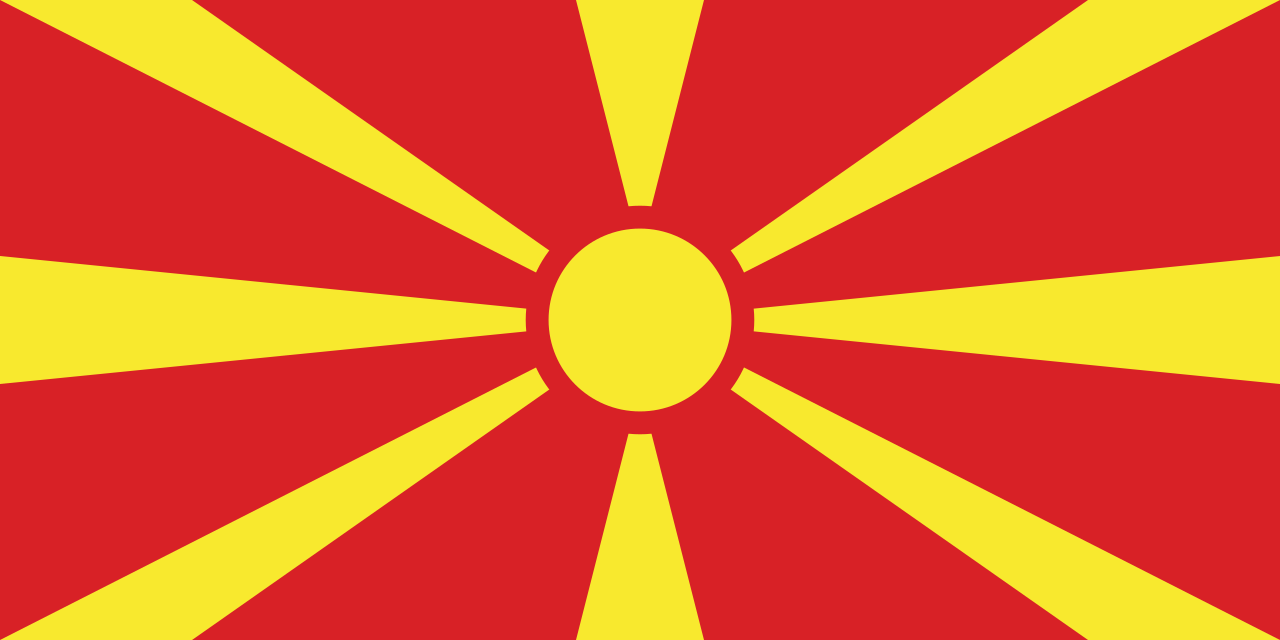
مقدونيا الشمالية
Also known as Republic of North Macedonia, FYROM, FYR Macedonia, Former Yugoslav Republic of Macedonia, Republic of Macedonia, Macedonia
دولة في جنوب أوروبا الشرقية
AI overview
North Macedonia is a landlocked country in Southeast Europe bordered by Greece, Albania, Bulgaria, Kosovo, and Serbia, with its capital in Skopje and a population of over 1.83 million people who are primarily ethnic Macedonians with significant Albanian and other minority populations. It occupies roughly the northern third of the broader geographical region of Macedonia and serves as an important crossroads between different Balkan nations and ethnic communities.
AI-generated from the Wikipedia summary — may contain errors.
Weather now
cached 12h ago20°clear sky
40% 4.0 m/s OpenWeatherMap
7-day forecast
via Open-Meteo
Country
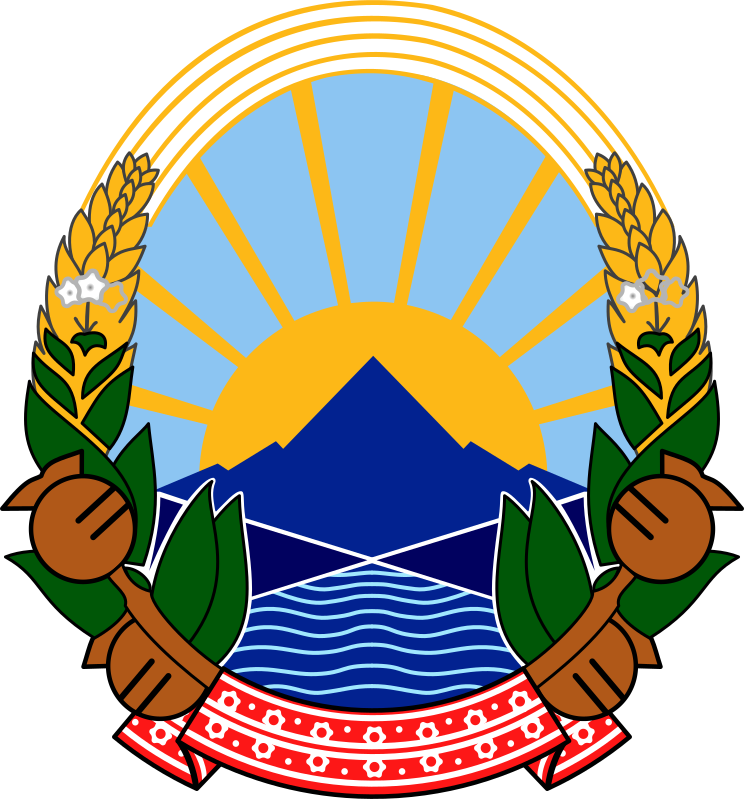
- Capital
- Skopje
- Population
- 1,822,612
- Region
Travel guide
Understand
The country officially changed its name from the Republic of Macedonia (Macedonian: Македонија, Makedonija) to the Republic of North Macedonia in February 2019 in order to settle a dispute over its name with Greece. However, hardly any Macedonian refers to their country as "North Macedonia"; instead, they continue to use "Macedonia" and find "North" to be offensive. It was also known as "the former Yugolav Republic of Macedonia (FYROM)" prior to the official name change.
North Macedonia is a country with several ethnic minorities. The majority of the population is ethnic Macedonian and Orthodox Christian but there is also a significant Albanian Muslim minority, and Albanians form majorities in areas in the northwest.
Get in
thumb|450px|Visa policy of North Macedonia
See
thumb|Ohrid is known for its countless churches. thumb|The rugged landscapes of Galičica National Park.
This lovely, compact country has a surprising myriad of attractions to offer. It's a fascinating mix of the ancient Balkan, the laid-back Mediterranean and the hip and happening vibe of modern Europe.
It all starts in lively Skopje, the country's main city and the centre of its economy. It offers great shopping and party opportunities, but also grand historic monuments. The 5th century Tvrdina Kale Fortress is one of the main landsmarks, together with the beautiful Sveti Spas Church, the charming old Ottoman bazaar Čaršija and the Kameni Most. This 600 year old Stone Bridge will take you right onto the city's main square, where a gigantic statue of Alexander the Great awaits. If you're up for a hike, make your way up to the enormous Millennium Cross on top of Vodno mountain, or take the rope railway to get the same views with less effort. If summer makes the city hard to bear, follow the locals to the cool shores of Lake Matka just out of town, where you can explore the gorge and caves through hikes and kayak tours.
Smaller but a visitor's favourite is the city of Ohrid, famous for its countless Byzantine churches. Beautifully situated on Lake Ohrid, this place is listed by UNESCO as both a cultural and a natural monument. It's home to one of the most prominent collections of Byzantine icons in the world, second only to that of the famous Tretiakov Gallery in Moscow, as …
Eat
Article · العربية
مقدونيا الشمالية أو رسميًا جمهورية مقدونيا الشمالية (بالمقدونية: Република Северна Македонија) هي دولة تقع في وسط شبه جزيرة البلقان في جنوب شرق أوروبا. إنها واحدة من الدول التي خلفت يوغوسلافيا السابقة، التي أعلنت استقلالها في عام 1991 تحت اسم جمهورية مقدونيا. أصبحت عضواً في الأمم المتحدة في عام 1993، ولكن نتيجة للنزاع مع اليونان على اسمها، تم قَبولها تحت الوصف المؤقت لجمهورية مقدونيا اليوغوسلافية السابقة، يختصر أحيانا FYROM. بفضل جهود الأمين العام للأمم المتحدة أنطونيو غوتيريش تم توقيع اتفاقية بين أثينا وسكوبيه حول اسم مقدونيا الجديدة، في 18/03/2018. ليصبح الاسم الرسمي للدولة هو جمهورية مقدونيا الشماليةوبتاريخ 11 كانون الثاني وافق برلمان مقدونيا على تعديل دستوري لتغيير اسم البلاد إلى جمهورية مقدونيا الشمالية طبقا لاتفاق مع اليونان لحل مشكلة استمرت عقودا. وأيد التعديل 81 عضوا في البرلمان المكون من 120 مقعدا. لكن المعارضين الذين رفضوا الاتفاق مع اليونان قاطعوا التصويت.جمهورية مقدونيا الشمالية بلد غير ساحلي يحدها كوسوفو من الشمال الغربي، وصربيا من الشمال، ومن الشرق بلغاريا، واليونان من الجنوب وألبانيا من الغرب. وهو يشكل ما يقرب من النصف الشمالي الغربي من أكبر منطقة جغرافية مقدونيا، التي تضم أيضاً أجزاء من اليونان وبلغاريا. عاصمة البلاد وأكبر مدنها هي سكوبي، ويبلغ عدد سكان سكوبي 506926 نسمة وفقاً لتعداد عام 2002. مدن أخرى تشمل بيتولا، كومانوفو، بريليب، تيتوفو، ، فيليس، ، ، غوستيفار، المرفق بحسب وستروميكا. وتتوفر في شمال مقدونيا أكثر من 50 بحيرة وستة عشر جبلا أعلاها ارتفاعاً يبلغ 2,000 متر (6562 قدم). وتعد مقدونيا عضواً في الأمم المتحدة ومجلس أوروبا منذ ديسمبر 2005 وقد كانت أيضًا مرشحة للانضمام إلى الاتحاد الأوروبي وقد قامت بتقديم طلب الانضمام له وتعد مقدونيا الشمالية دولة قريبة للأنضمام إليه في المستقبل القريب جدا، وتقدمت بطلب للحصول على عضوية الناتو وانضمت له في عام 2020.
Abstract from DBpedia / Wikipedia · CC BY-SA
Gallery (16)
On the map
2 mapped locations
Connections
Categories
1991 establishments in the Republic of MacedoniaCountries and territories where Albanian is an official languageCountries in EuropeCountries in the BalkansHarv and Sfn no-target errorsLandlocked countriesMember states of NATOMember states of the Council of EuropeMember states of the Organisation internationale de la FrancophonieMember states of the United NationsNorth Macedonia