Holzer, Victoria J. C.;Kretschmann, Juliane;Knechtel, Johanna;Owsianny, Paweł M.;Gottschling, Marc
Peridinium
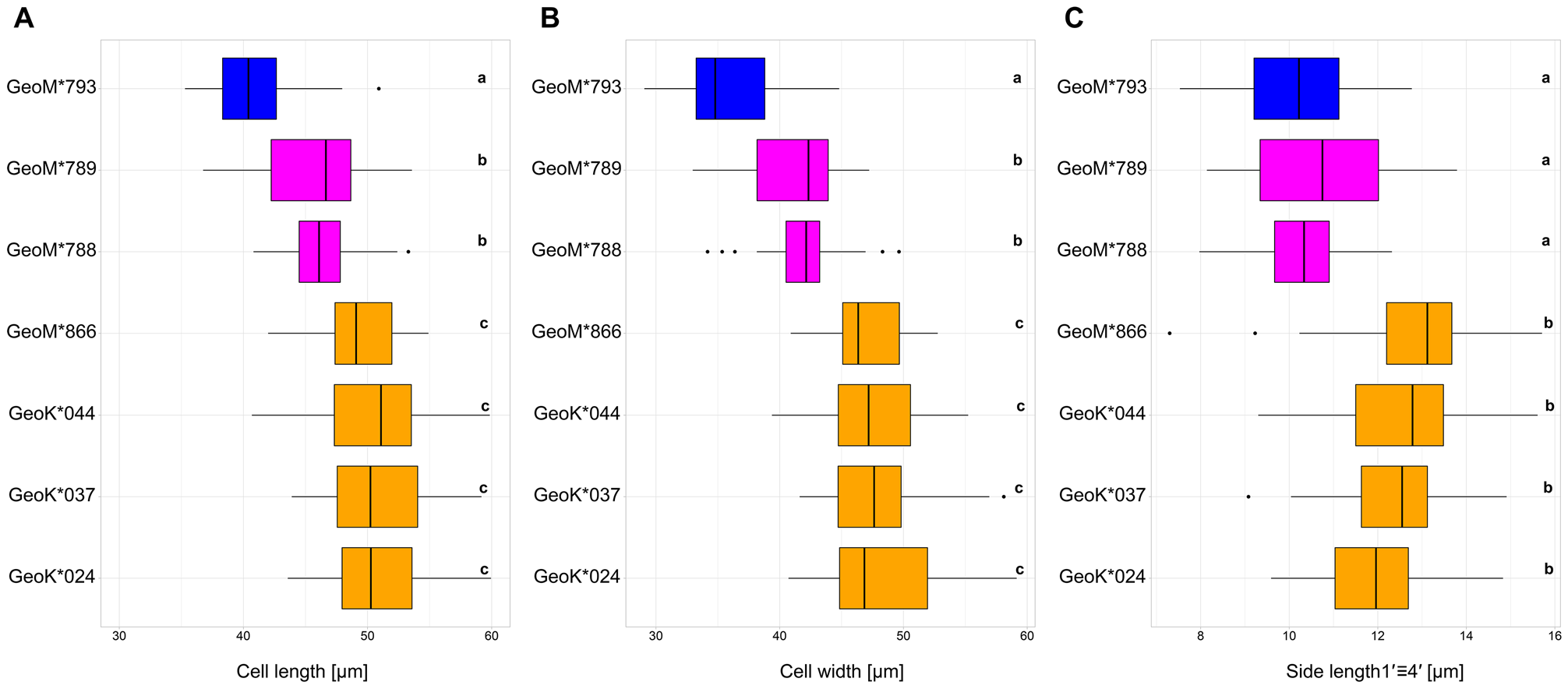
Sign in to savePeridinium is a genus of motile, marine and freshwater dinoflagellates. Their morphology is considered typical of the armoured dinoflagellates, and their form is commonly used in diagrams of a dinoflagellate's structure. Peridinium can range from 30 to 70 μm in diameter, and has very thick thecal plates.
Species
ペリディニウム属
GENUS
- KingdomChromista
- PhylumMyzozoa
- ClassDinophyceae
- OrderPeridiniales
- FamilyPeridiniaceae
via GBIF
Museum specimens
- Specimen records
- 86
- With media
- 64
- Family
- Peridiniaceae
- Collections
- US, CCBA-FMVZ-UADY
- Recorded in
- United States, Mexico, Finland, Belize
Wikidata facts
- Instance of
- taxon
- Parent taxon
- Peridiniaceae
- Image
- Peridinium willei - 400x - Dinoflagellate (15058894916).jpg
Show 5 more facts
- taxon rank
- genus
- taxon common name
- ペリジニウム属
- taxon name
- Peridinium
- Commons category
- Peridinium
Sources (1)
via Wikidata · CC0
~13 min read
Encyclopedic overview
5 sectionsContents
- Morphology
- Life cycle
- Ecology
- Species
- References
Peridinium is a genus of motile, marine and freshwater dinoflagellates. Their morphology is considered typical of the armoured dinoflagellates, and their form is commonly used in diagrams of a dinoflagellate's structure. Peridinium can range from 30 to 70 μm in diameter, and has very thick thecal plates.
== Morphology== Peridinium is enclosed by cellulose theca and with two flagellates. The composition of the theca is laminaribiose and laminaritriose linking by β – 1, 4 and β – 1, 3 linkages. The cell body of Peridinium is highly polarized and is distinguishable from apical and antapical sides or dorsal and ventral sides. Their theca is divided into epicone and hypocone by the middle region (also called girdle or cingulum). The flagellates have two different directions, one is surrounding the middle region while the other are in the longitudinal groove of hypocone. The chloroplast in Peridinium is triple membrane, and some plastid-derived organelles like pyrenoid or eyespot also. This provides the evidence that these organelles originated from secondary endosymbiosis. The inner membrane of mitochondrion is tubular. Trichocyst is a specialized organelle in dinoflagellate which help them defense to predators.
Excerpted from Wikipedia’s “Peridinium” article, available under the CC BY-SA 4.0 licence.