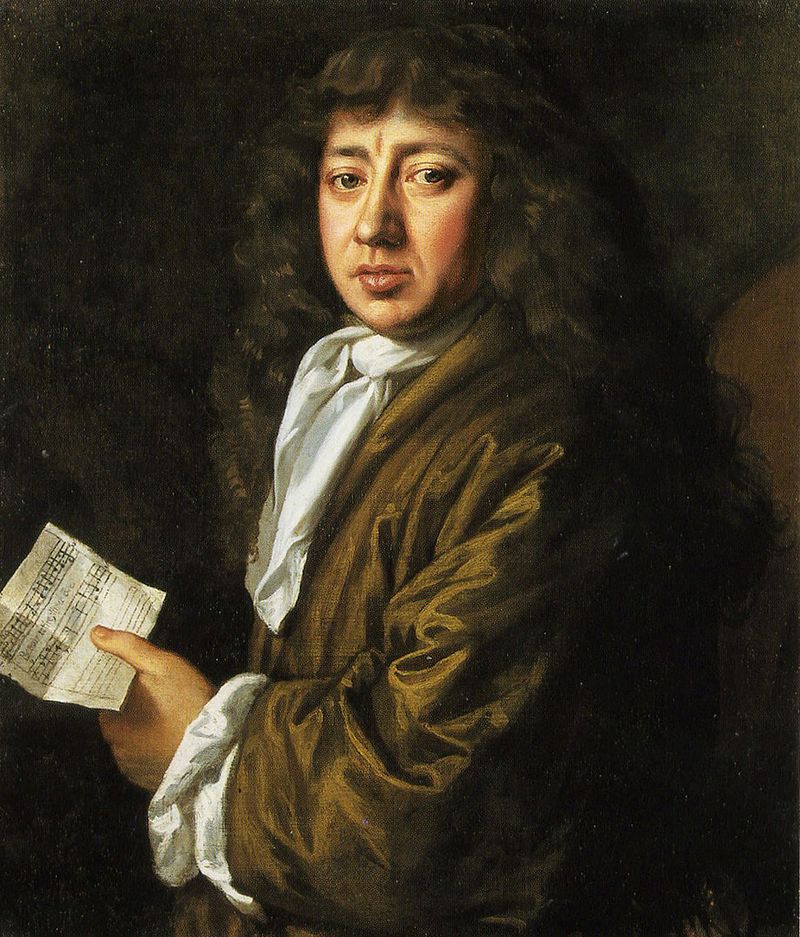
File:Samuel_Pepys.jpg · Wikimedia Commons · See Wikimedia Commons
OverviewAI-generated
Samuel Pepys was a male politician, writer, and diarist from the Kingdom of England. Born in London on 23 February 1633, he worked primarily in London. His professional activities included politics, justice and judicial activities, and writing. He served as a justice of the peace and was a member of the Cavalier Parliament. He was also recognized in the Royal Society collection and received the award of Fellow of the Royal Society.
Pepys is noted for his Diary of Samuel Pepys, written in the English language. Other works include Diary and correspondence, in the reigns of Charles II. and James II, and The Pepys ballads. He was educated at Magdalene College and St Paul's School. An adherent of Anglicanism, he was detained at the Tower of London. He died in Clapham, London, on 26 May 1703 and was buried at St Olave Hart Street.
Synthesized by Vinony from 27 facts across 3 sources: Wikidata, Open Library, Vinony collections. Generated from structured data (not the Wikipedia text) and checked against those facts — may still contain errors.
Person · Open Library
- Born
- 23 February 1633
- Died
- 26 May 1703
- Works
- 320
Top works
- Dziennik Samuela Pepysa
- Diary and correspondence, in the reigns of Charles II. and James II
- Diary of Samuel Pepys, F.R.S.
- Passages from The diary
- The Pepys ballads
via Open Library + Wikidata
Wikidata facts
- Instance of
- human
- Given name
- Samuel
- Gender
- male
- Citizenship
- Kingdom of England
- Place of birth
- London
- Place of death
- London
- Occupation
- judge
- Educated at
- St Paul's School
- Languages spoken
- English language
- Religion
- Anglicanism
- Notable work
- Diary of Samuel Pepys
- Field of work
- diary
- Image
- Samuel Pepys.jpg
- Work location
- London
Show 9 more facts
- Commons category
- Samuel Pepys
- date of birth
- 1632-02-23
- date of death
- 1703-05-26
- place of burial
- St Olave Hart Street
- place of detention
- Tower of London
- writing language
- English language
- Commons Creator page
- Samuel Pepys
- name in native language
- Samuel Pepys
- P13311
- Robert L. Stewart
via Wikidata · CC0
~40 min read
Encyclopedic overview
Samuel Pepys (/ˈpiːps/ PEEPS; 23 February 1633 – 26 May 1703) was an English writer and Tory politician. He served as an official in the Navy Board and Member of Parliament, but is now most renowned for the diary he kept for almost a decade, first published in the 19th century and one of the most important primary sources of the Stuart Restoration.
Son of a tailor, Pepys was educated at St Paul's School and attended Magdalene College, Cambridge. After receiving his Bachelor of Arts degree, he entered the service of his cousin Sir Edward Montagu, and later found work as a teller in the Exchequer under George Downing. Pepys began to keep a detailed private diary in 1660. The diary provides a combination of personal revelation and eyewitness accounts of major events, such as the Second Anglo-Dutch War, the Great Plague of London, and the Great Fire of London. He recorded his daily life until 1669 when concerns over fading eyesight forced him to abandon the routine.
Excerpted from Wikipedia’s “Samuel Pepys” article, available under the CC BY-SA 4.0 licence.