Category
page 1British fellows of the Royal Society

Isaac Newton
Sir Isaac Newton was an English polymath who was a mathematician, physicist, astronomer, alchemist, theologian, author and inventor. He was a key figure in the Scientific Revolution and the Enlightenment that followed. His book Philosophiæ Naturalis Principia Mathematica, first published in 1687, achieved the first great unification in physics and established classical mechanics. Newton also made seminal contributions to optics, and shares credit with the German mathematician Gottfried Wilhelm Leibniz for formulating infinitesimal calculus, although he developed calculus years before Leibniz. Newton contributed to and refined the scientific method, and his work is considered the most influential in bringing forth modern science.

Winston Churchill
Sir Winston Leonard Spencer Churchill was a British statesman, military officer, and writer who was Prime Minister of the United Kingdom from 1940 to 1945, during the Second World War, and again from 1951 to 1955. For some 62 of the years between 1900 and 1964, he was a Member of Parliament (MP) and represented a total of five constituencies over that time. Ideologically an adherent to economic liberalism and imperialism, he was for most of his career a member of the Conservative Party, which he led from 1940 to 1955. He was a member of the Liberal Party from 1904 to 1924.

Lord Byron
English Romantic poet and lyricist (1788–1824)
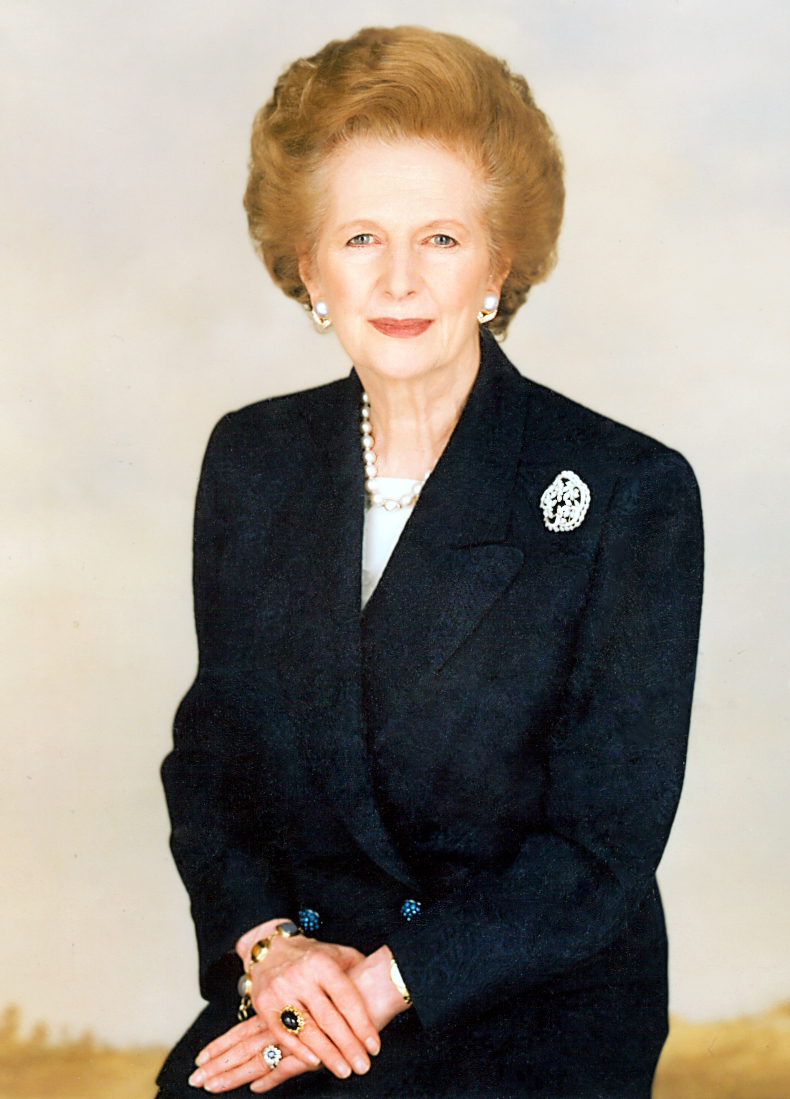
Margaret Thatcher
Margaret Hilda Thatcher, Baroness Thatcher, was a British stateswoman who served as Prime Minister of the United Kingdom from 1979 to 1990 and Leader of the Conservative Party from 1975 to 1990. She was the longest-serving British prime minister of the 20th century and the first woman to hold the office. As prime minister, she implemented policies that came to be known as Thatcherism. A Soviet journalist dubbed her the "Iron Lady", a nickname that became associated with her uncompromising politics and leadership style.

John Locke
English philosopher and physician (1632-1704)

Alan Turing
English computer scientist (1912–1954)
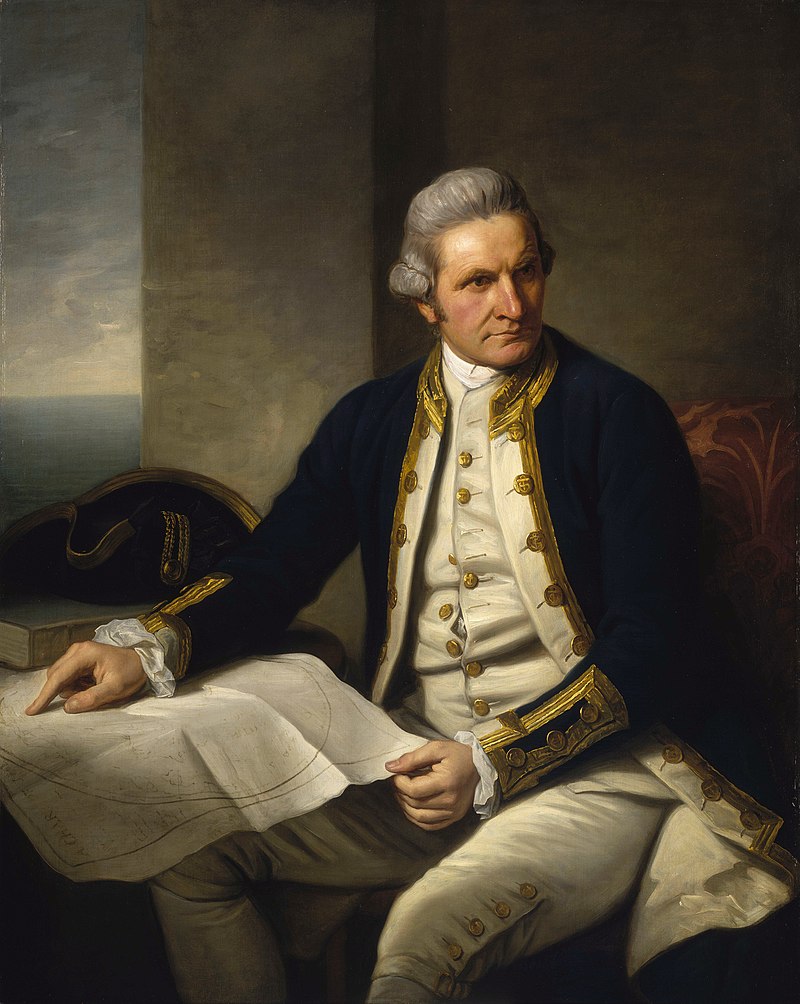
James Cook
British explorer, cartographer and naval officer (1728–1779)

Bertrand Russell
British philosopher and logician (1872–1970)
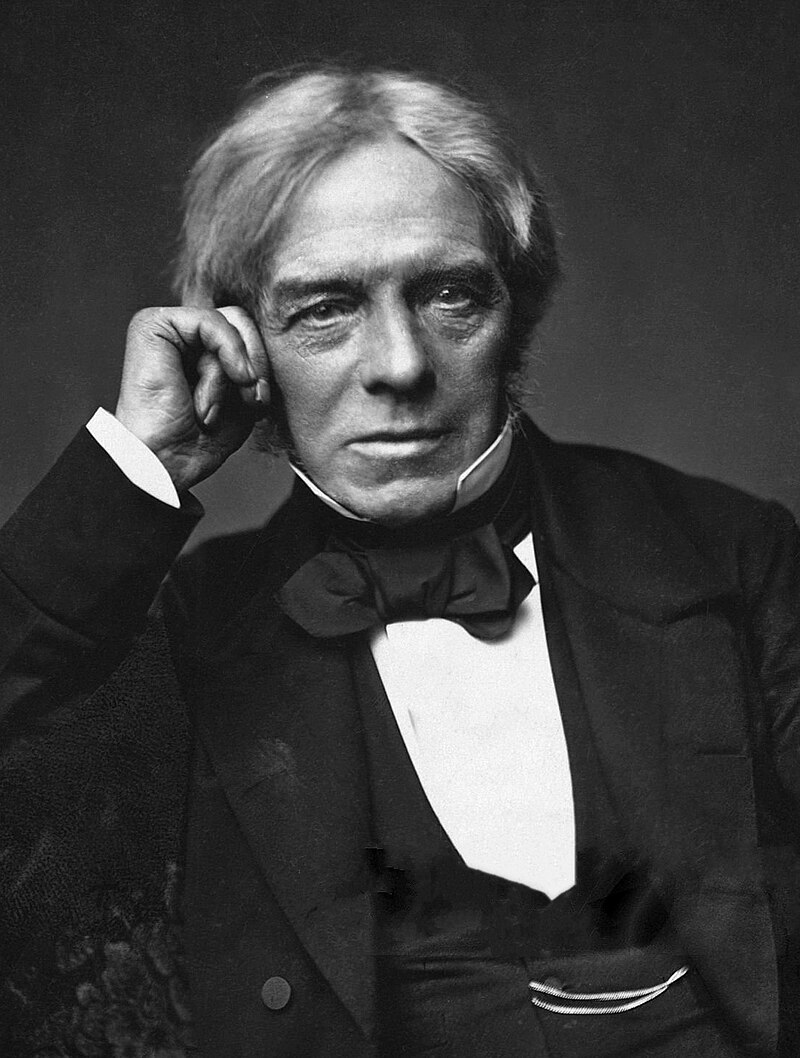
Michael Faraday
British scientist (1791–1867)

Ernest Rutherford
New Zealand physicist (1871–1937)
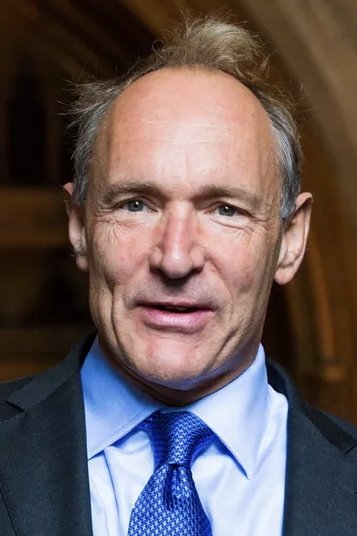
Tim Berners-Lee
English computer scientist (born 1955)
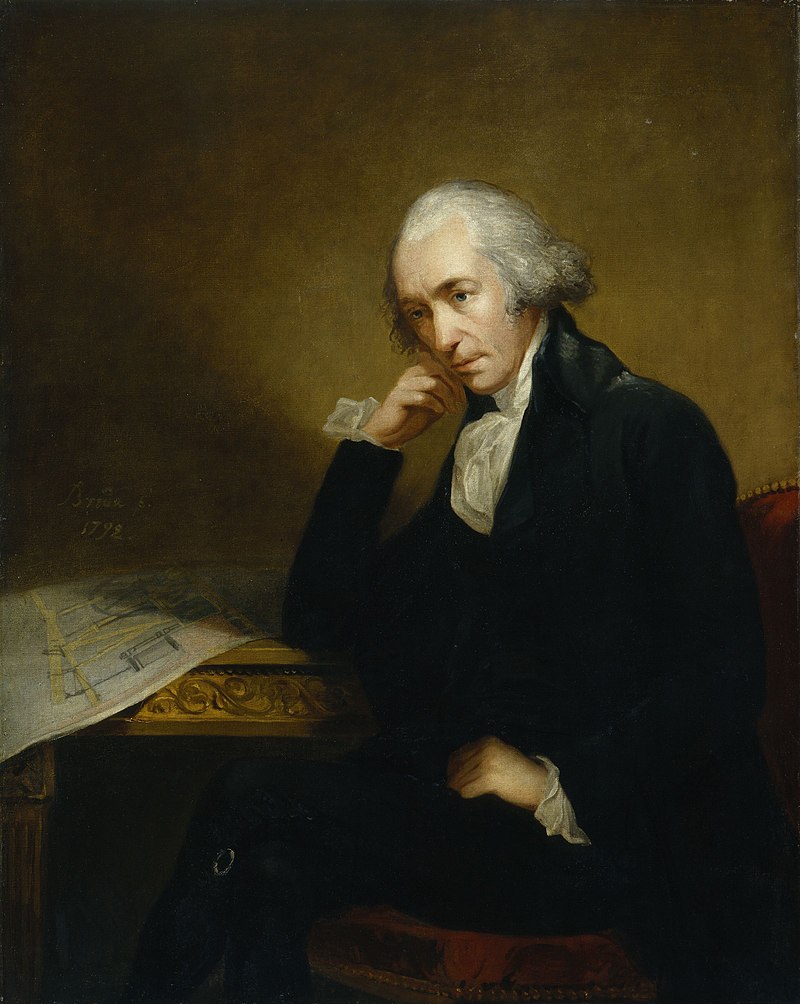
James Watt
British engineer (1736–1819)

Benjamin Disraeli
British statesman (1804–1881)

Richard Dawkins
English ethologist, evolutionary biologist and author (born 1941)

Alexander Fleming
Scottish biologist, pharmacologist, botanist, and Nobel laureate (1881–1955)
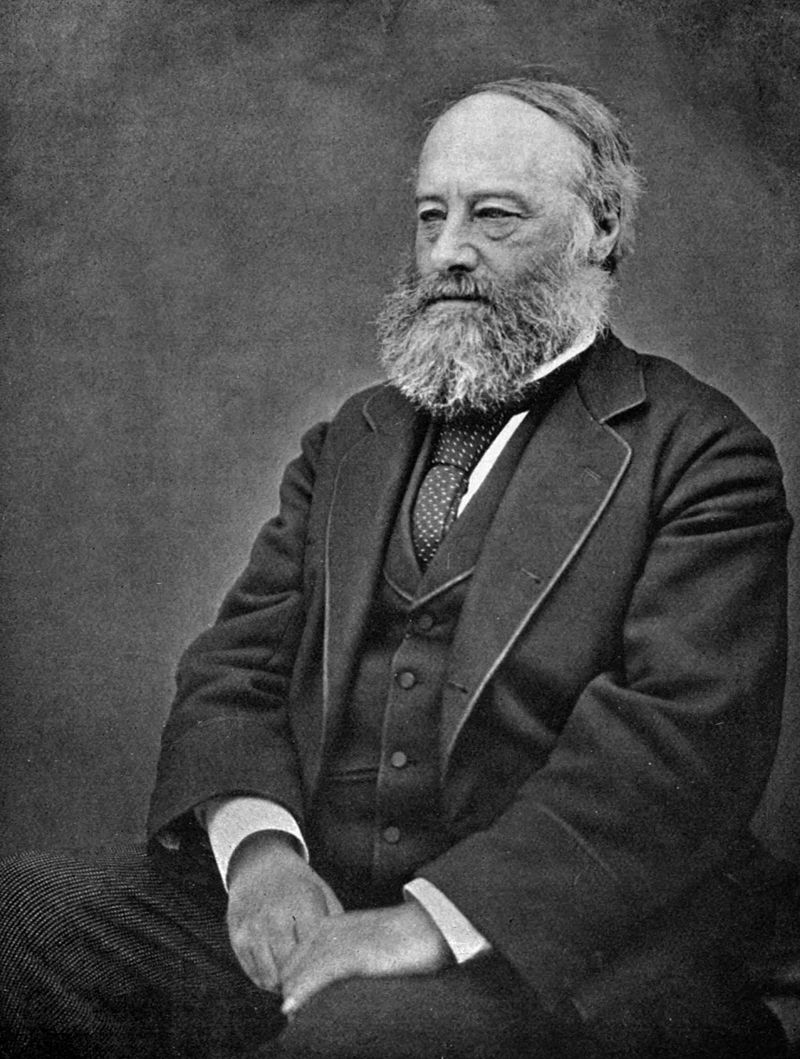
James Prescott Joule
English physicist and brewer (1818–1889)

Karl Popper
Austrian-British philosopher of science and social and política e falsificationism and for criticism of Plato, Hegel and Marx as totalitarian opponents of open society (1902-1994)
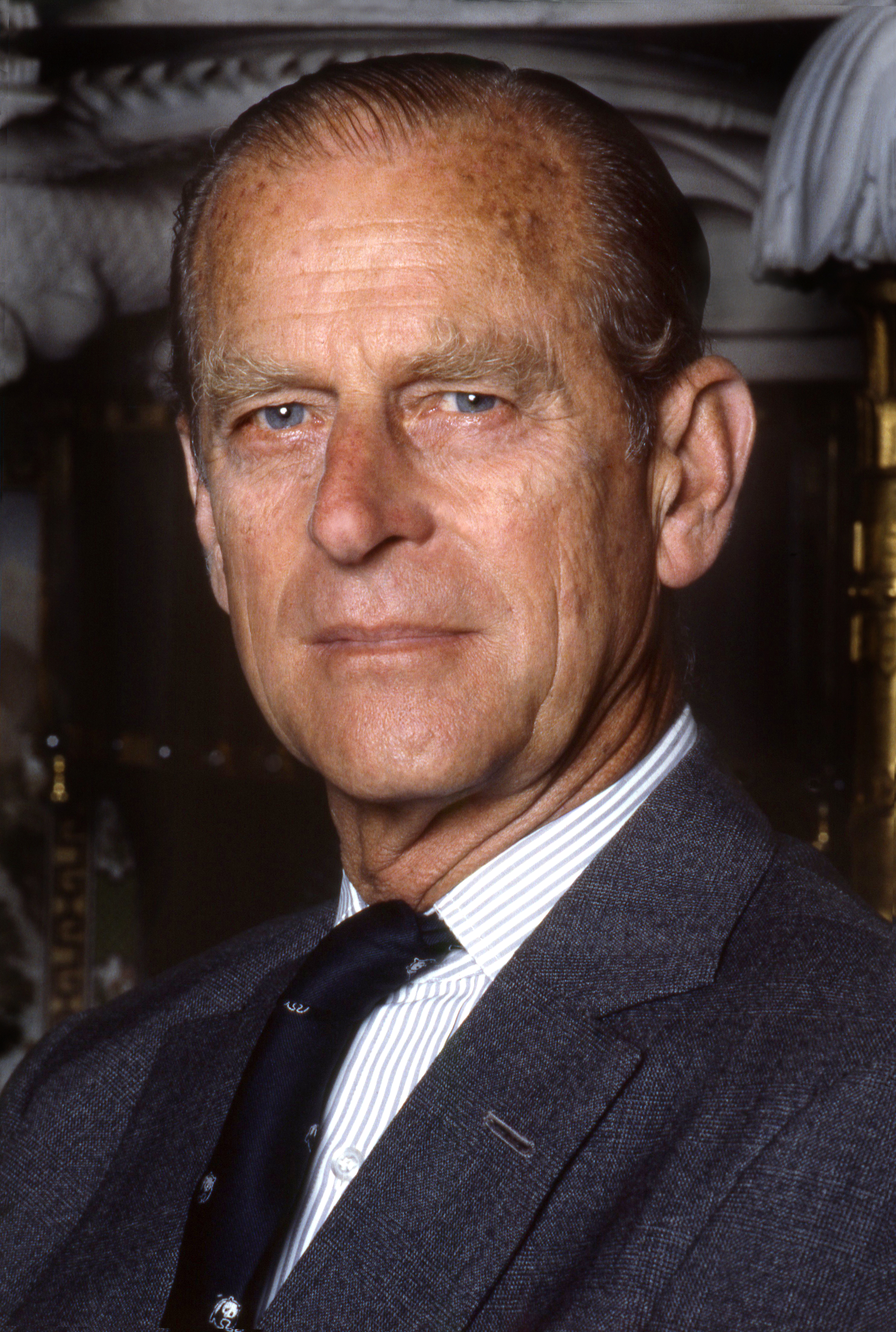
Prince Philip, Duke of Edinburgh
Prince Philip, Duke of Edinburgh, was the husband of Queen Elizabeth II and served as consort of the British monarch from her accession on 6 February 1952 until his death in 2021, making him the longest-serving royal consort in British history.

Paul Dirac
British theoretical physicist (1902–1984)
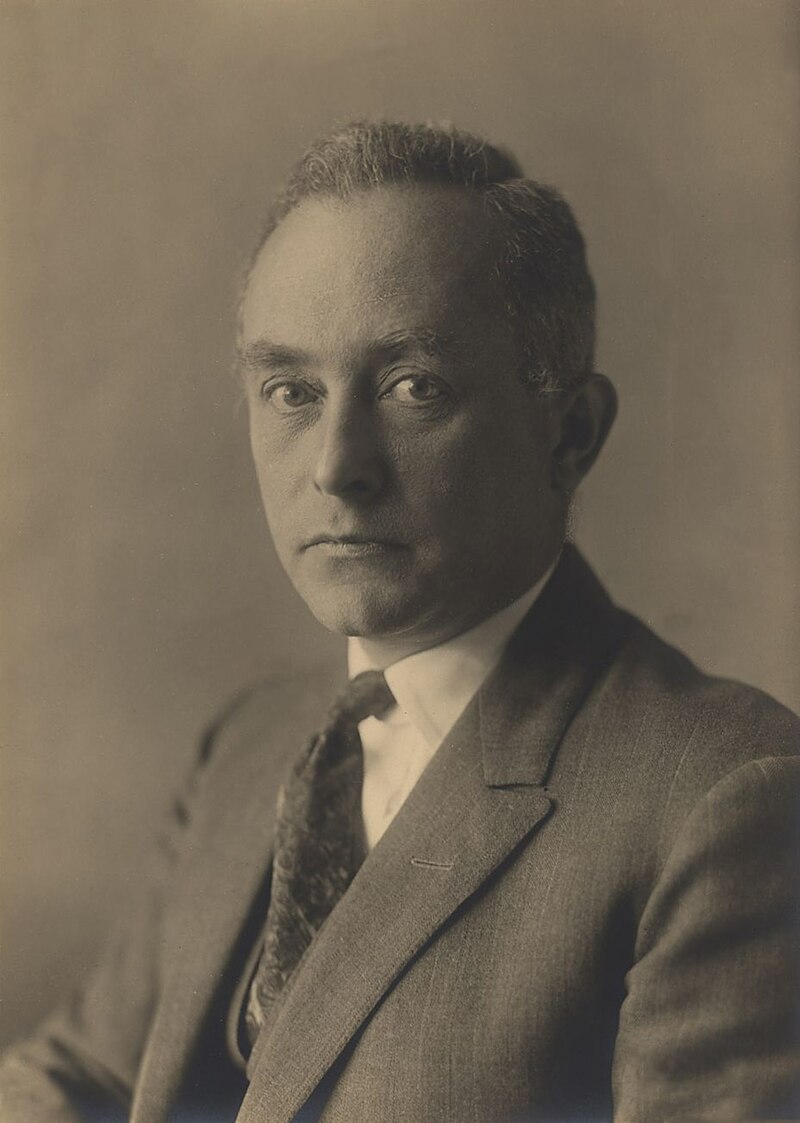
Max Born
German-Jewish physicist and mathematician (1882-1970)

J. J. Thomson
British physicist (1856-1940)

Charles Babbage
English mathematician, philosopher, and engineer (1791–1871)

Robert Boyle
Anglo-Irish natural philosopher, chemist, physicist, and inventor

John Dalton
British chemist and mathematician (1766–1844)

Edward Jenner
English physician, scientist and pioneer of vaccination (1749–1823)

George V
George V was King of the United Kingdom and the British Dominions, and Emperor of India, from 6 May 1910 until his death in 1936.

Thomas Henry Huxley
British biologist and comparative anatomist (1825–1895)

Alfred Russel Wallace
British naturalist, explorer, geographer, anthropologist and biologist (1823–1913)

Clement Attlee
Prime Minister of the United Kingdom from 1945 to 1951 (1883–1967)

Edward Gibbon
English historian and politician (1737–1794)

Robert Hooke
English natural philosopher, architect and polymath (1635 — 1703)

Dorothy Hodgkin
British chemist

William Henry Bragg
British scientist (1862–1942)
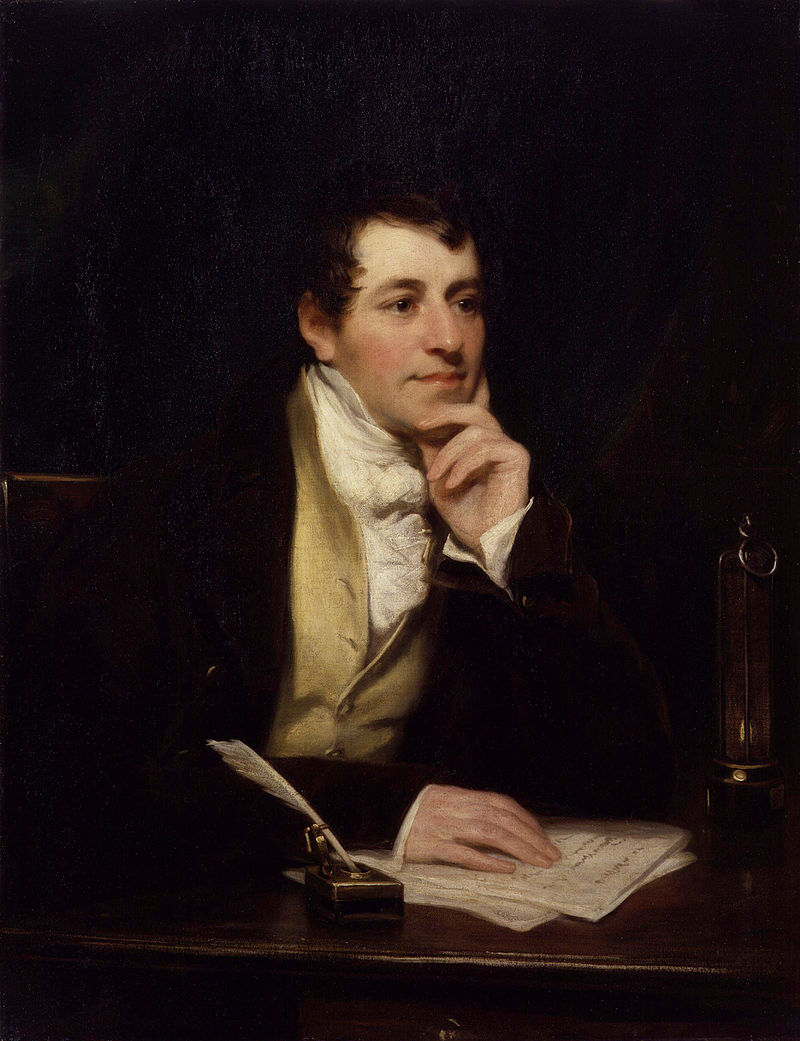
Humphry Davy
British chemist

David Livingstone
Scottish missionary and explorer (1813-1873)

James Chadwick
English physicist (1891-1974), who discovered the neutron in 1932

Edmond Halley
English astronomer, mathematician, geophysicist, meteorologist and physicist (1656–1742)

William Thomson, 1st Baron Kelvin
British physicist and engineer (1824–1907)

Alfred North Whitehead
English mathematician and philosopher (1861–1947)
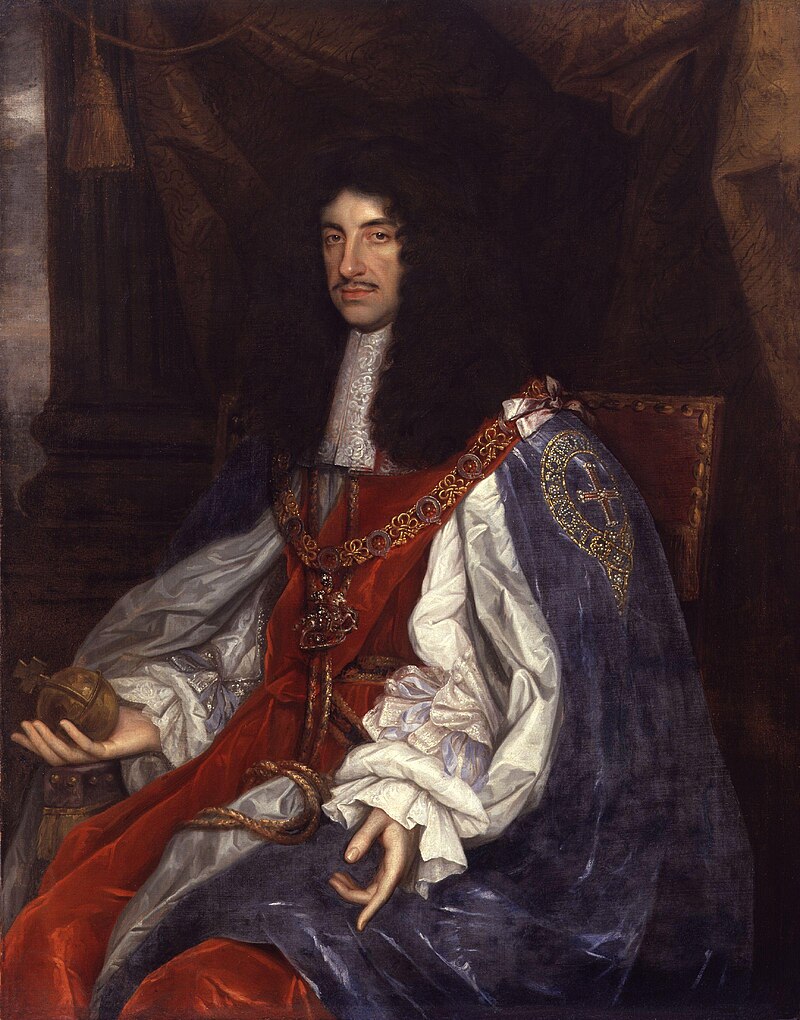
Charles II of England
King of England, Scotland, and Ireland from 1660 to 1685 (1630-1685)

Francis Crick
British molecular biologist, biophysicist, neuroscientist; co-discoverer of the structure of DNA

John Strutt, 3rd Baron Rayleigh
English physicist (1842–1919)

Ronald Ross
British doctor, Nobel laureate, writer, and artist (1857–1932)

Peter Higgs
British physicist and Nobel Prize winner (1929–2024)

William Ramsay
Scottish chemist (1852–1916)

Q134661
English mathematician, philosopher and logician (1815–1864)

Joseph Priestley
English chemist, theologian, educator, and political theorist (1733–1804)

Roger Penrose
English mathematical physicist, recreational mathematician and philosopher

William Lawrence Bragg
Australian-born British physicist and X-ray crystallographer
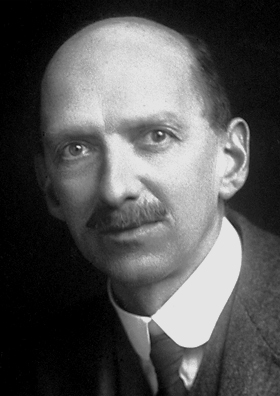
Charles Thomson Rees Wilson
Scottish physicist and meteorologist (1869-1959)

Henry Cavendish
English natural philosopher, and scientist (1731–1810)

David Attenborough
Sir David Frederick Attenborough is an English broadcaster, natural historian and writer. His presenting career began as host of Zoo Quest in 1954, and has spanned eight decades; it includes the nine documentary series forming The Life Collection, Natural World, Wildlife on One, the Planet Earth franchise, The Blue Planet and Blue Planet II. He is the only person to have won BAFTA Awards in black-and-white, colour, high-definition, 3D and 4K resolution. Over his life, he has collected dozens of honorary degrees and awards, including three Primetime Emmy Award for Outstanding Narrator and one Daytime Emmy Award for Outstanding Daytime Personality - Non-Daily.

Thomas Young
English polymath (1773-1829)

Arthur Balfour
British Prime Minister, Conservative politician, and statesman (1848-1930)

James II of England
King of England, Scotland, and Ireland from 1685 to 1688 (1633–1701)

John Frederick William Herschel
English polymath, mathematician, astronomer, chemist, inventor and photographer (*1792 – †1871)

Dennis Gabor
Nobel Prize-winning physicist and inventor of holography
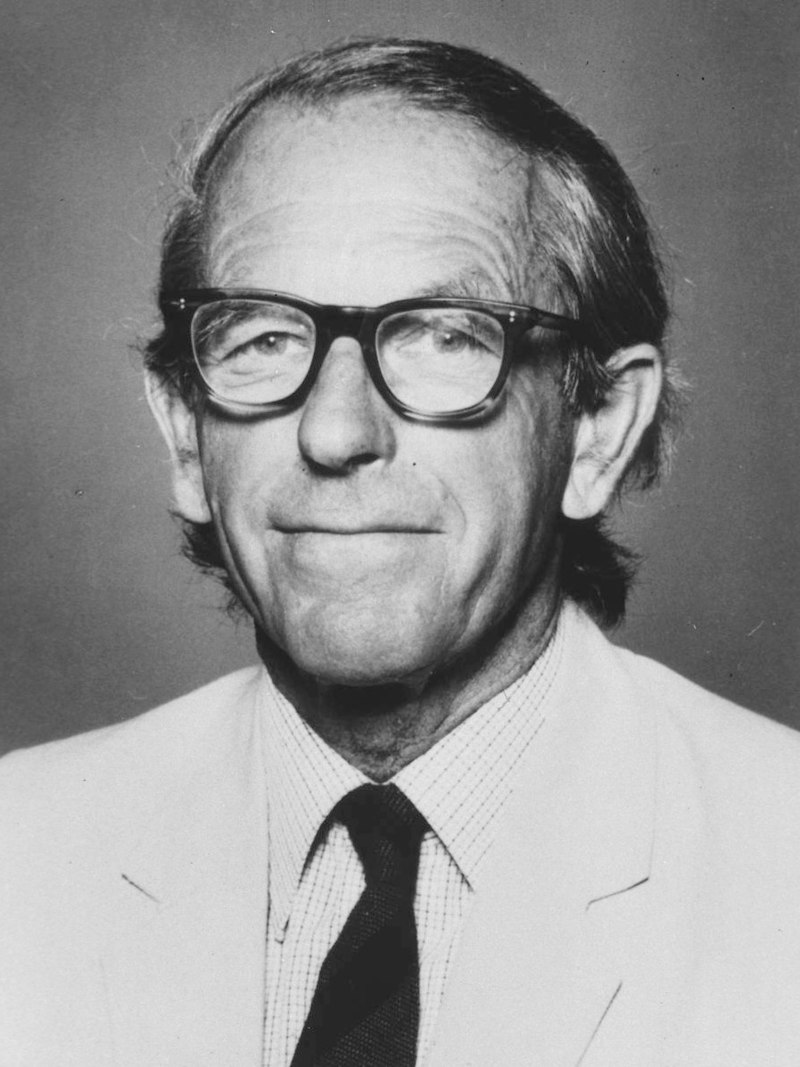
Frederick Sanger
British biochemist (1918–2013)

Edward Victor Appleton
English physicist (1892–1965)
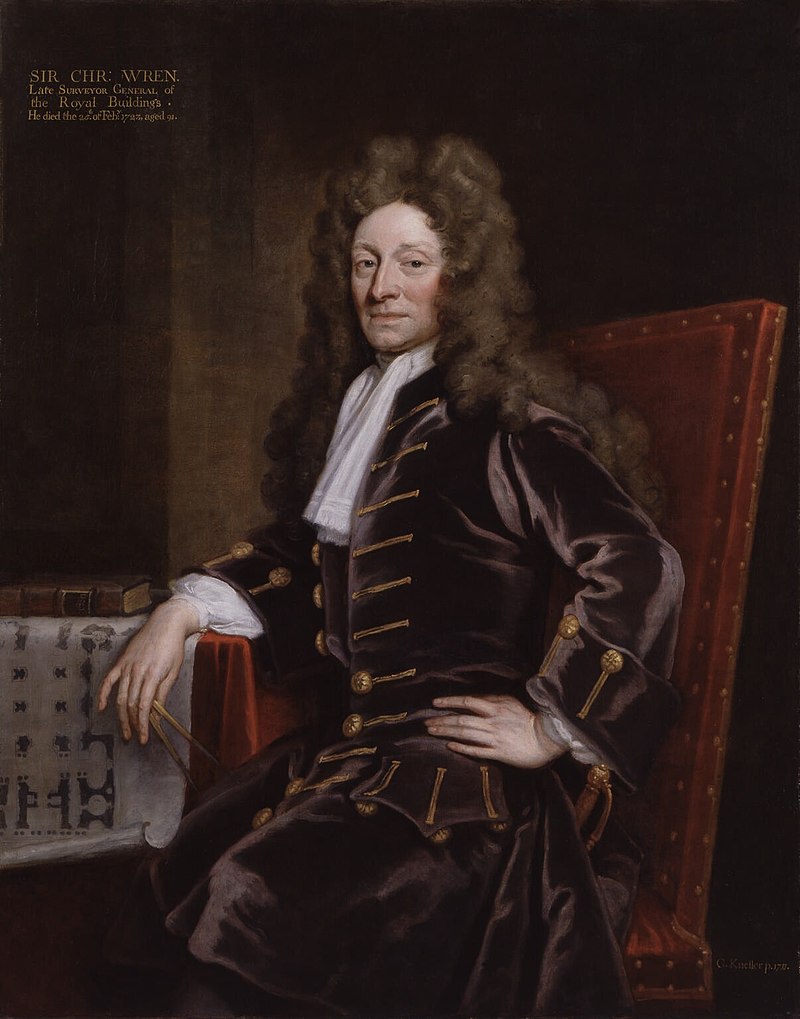
Christopher Wren
English architect (1632–1723)