
تونس
Also known as Republic of Tunisia, Tunisian Republic, tn, TUN
دولة عربية تقع في شمال إفريقيا
AI overview
Tunisia is a North African country bordered by Algeria and Libya, with coastlines along the Mediterranean Sea that connect it to Italy and Malta. It is notable for its ancient archaeological sites like Carthage and the Great Mosque of Kairouan, as well as its distinctive architecture, traditional markets, and coastal landscapes.
AI-generated from the Wikipedia summary — may contain errors.
Weather now
cached 8h ago27°clear sky
64% 3.1 m/s OpenWeatherMap
7-day forecast
via Open-Meteo
Country
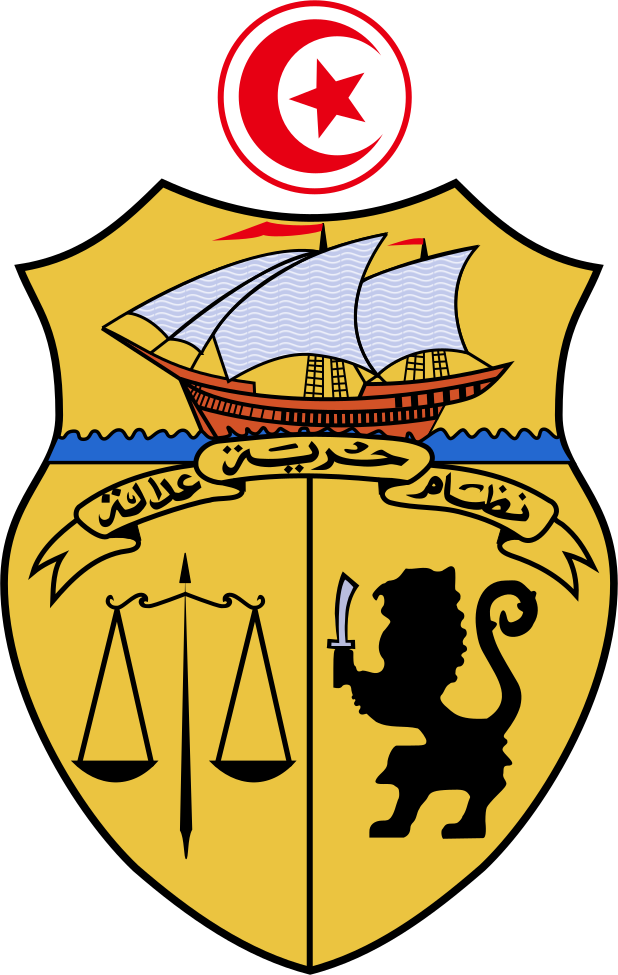
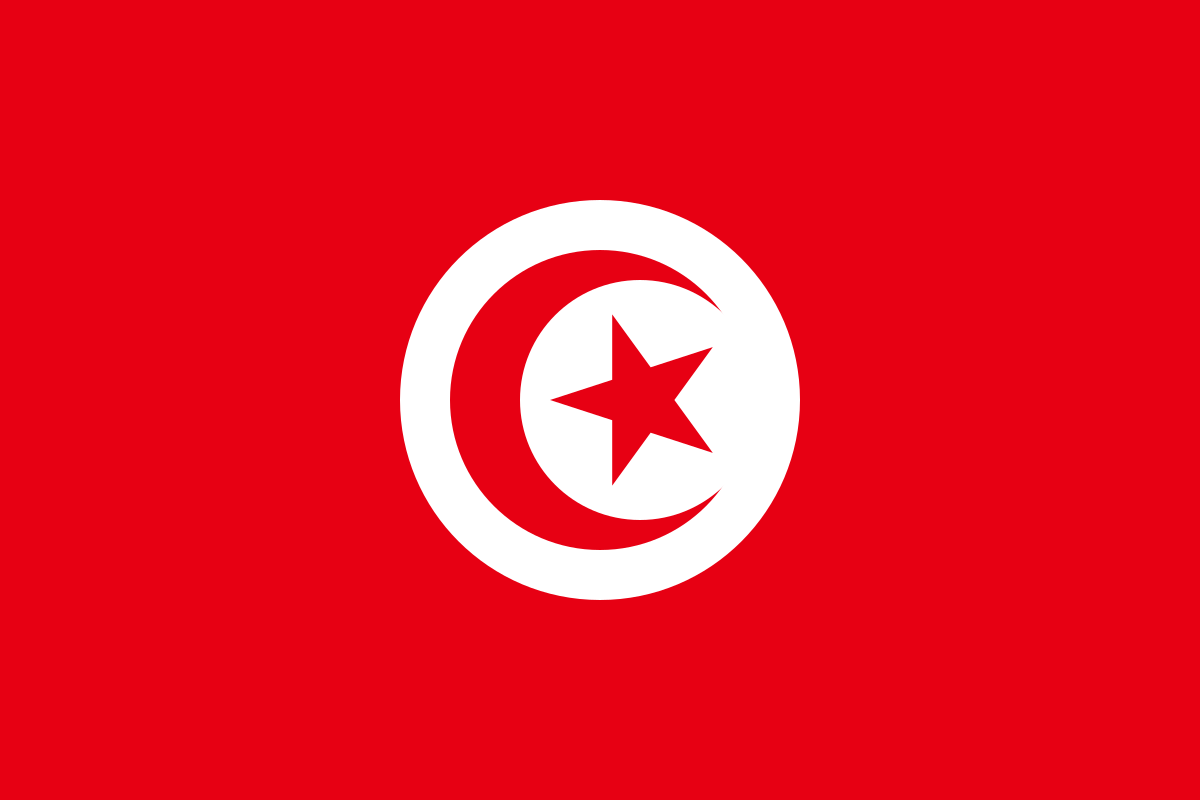
- Capital
- Tunis
- Population
- 11,972,169
- Region
Travel guide
Get in
thumb|250px|A map showing the visa requirements of Tunisia, with countries in green having visa-free access Tunisia depends a lot on tourism; therefore, many people can visit the country without a visa.
See
thumb|Byrsa Hills, some of the remains of Carthage
Eat
Tunisian cuisine has similarities with Middle Eastern cuisine, and mainly builds on the Northern African Maghreb tradition, with couscous and marqa stews (similar to the Moroccan tajine) forming the backbone of most meals. Distinguishing characteristics are the fiery harissa chili sauce, the heavy use of tiny olives which are abundant in the country, and the Tunisian tajine which, unlike the Moroccan dish of the same name, refers to a type of omelette-like pie prepared with a ragout of meat and/or vegetables mixed with herbs, legumes and even offal, enriched with eggs and cheese and baked in a deep pie dish until the eggs are just set, somewhat like an Italian frittata. Lamb forms the basis of most meat dishes and local seafood is plentiful. Pork and pork products are not widely available but can be found in some supermarkets and in some hotels in tourist areas.
thumb|A fiery plate of Harissa
Harissa: very hot spicy chili paste (sometimes made more mild with carrots or yogurt), served with bread and olive oil as a starter at almost any meal. Shorba Frik: lamb soup Coucha: shoulder of lamb cooked with turmeric and cayenne pepper Khobz Tabouna (pronounce Khobz Taboona): traditional oven baked bread Brik (pronounce Breek): very crispy thin pastry with a whole egg (Brik à l'œuf), parsley and onions and sometimes meat like minced lamb or tuna (Brik au thon). Very tasty as an inexpensive starter. Eat it very carefully with your fingers. Berber Lamb: Lamb cooked with potatoes, car…
Drink
Being a progressive Muslim-majority country, alcohol availability is restricted (but not greatly) to certain licensed (and invariably more expensive) restaurants, resort areas and Magasin Général shops. Large department stores (Carrefour at Marsa/Carthage and Hammamet) and some supermarkets (e.g. Monoprix) sell beer and wine, and some local and imported hard liquors, except during Muslim holidays. Female travelers should be aware that, outside resort and areas of significant tourist concentration, they may find themselves with a beer in a smoky bar full of men drinking in a rather dedicated fashion. Some bars will refuse to admit women, others may ask for a passport to check nationality. Look around a bar before you decide to imbibe!
Article · العربية
تُونِس (رسميًّا: الجُمْهُوريَّة التُونِسيِّة)، هي دولة عربية في أقصى شمال أفريقيا. وهي جزء من منطقة المغرب العربي، وتحدها الجزائر من الغرب والجنوب الغربي، ليبيا من الجنوب الشرقي والبحر الأبيض المتوسط من الشمال والشرق. تغطي 163,610 كم مربع (63,170 ميل مربع)، ويبلغ عدد سكانها 11 مليون نسمة. تحتوي على الطرف الشرقي لجبال الأطلس والروافد الشمالية للصحراء الكبرى، مع الكثير من أراضيها المتبقية من الأراضي الصالحة للزراعة. يشمل خطها الساحلي الذي يبلغ طوله 1300 كيلومتر (810 ميل) الارتباط الأفريقي بين الأجزاء الغربية والشرقية من حوض البحر الأبيض المتوسط. تونس هي موطن لأقصى نقطة في شمال أفريقيا، رأس أنجلة. وعاصمتها وأكبر مدنها هي مدينة تونس، وتقع على الساحل الشمالي الشرقي، الذي يُطلق على البلاد اسمها. منذ العصور القديمة، كانت تونس مأهولة من قبل السكان. بدأ الفينيقيون في الوصول في القرن الثاني عشر قبل الميلاد، وأنشأوا عدة مستوطنات، ظهرت قرطاج بحلول القرن السابع قبل الميلاد. إمبراطورية تجارية كبرى ومنافسة عسكرية للجمهورية الرومانية، هُزمت قرطاج على يد الرومان في عام 146 قبل الميلاد واحتلوا تونس في الثمانمائة عام التالية، وأدخلوا المسيحية وتركوا الموروثات المعمارية مثل قصر الجم. بعد عدة محاولات بدأت عام 647 ميلادي، فتح العرب المسلمون تونس كلها بحلول عام 697، إصطحبوا الديانة الإسلامية والثقافة العربية إلى السكان المحليين. فرضت الدولة العثمانية سيطرتها عام 1574 وسيطرت لأكثر من 300 عام، حتى غزا الفرنسيون تونس عام 1881. حصلت تونس على استقلالها تحت قيادة الحبيب بورقيبة، الذي أعلن الجمهورية التونسية في 25 يوليو 1957. في عام 2011، أطاحت الثورة التونسية، التي اندلعت بسبب الافتقار إلى الحرية والديمقراطية في ظل حكم الرئيس زين العابدين بن علي الذي استمر لمدة 23 عامًا، بنظامه وحفزت الربيع العربي في جميع أنحاء المنطقة. وأجريت بعد فترة وجيزة انتخابات المجلس الوطني التأسيسي، صوتت البلاد مرة أخرى للبرلمان في 26 أكتوبر 2014 وللرئيس في 23 نوفمبر 2014. تظل تونس دولة مركزية بحكم نظام شبه رئاسي وديمقراطية تمثيلية. وهي الدولة الوحيدة في شمال أفريقيا المصنفة على أنها «حرة» حسب منظمة فريدم هاوس، وتعتبر الدولة الديمقراطية الكاملة الوحيدة في الوطن العربي في مؤشر الديمقراطية حسب وحدة الاستخبارات الاقتصادية. وهي واحدة من الدول القليلة البلدان في أفريقيا تحتل مرتبة عالية في مؤشر التنمية البشرية، مع واحدة من أعلى دخل للفرد في القارة. إن تونس مندمجة بشكل جيد في المجتمع الدولي. وهي عضو في الأمم المتحدة، المنظمة الدولية للناطقين بالفرنسية، جامعة الدول العربية، منظمة التعاون الإسلامي، الاتحاد الأفريقي، حركة عدم الانحياز، المحكمة الجنائية الدولية، مجموعة ال77 والكثير من المنظمات الأخرى. تحافظ تونس على علاقات اقتصادية وسياسية وثيقة مع بعض الدول الأوروبية، ولا سيما مع فرنسا وإيطاليا التي تقع جغرافيًا بالقرب منها. لدى تونس أيضًا اتفاقية شراكة مع الاتحاد الأوروبي، وحصلت أيضًا على مكانة حليف رئيسي خارج الناتو للولايات المتحدة.
Abstract from DBpedia / Wikipedia · CC BY-SA
Gallery (59)
On the map
6 mapped locations
Connections
Categories
1956 establishments in TunisiaCountries and territories where Arabic is an official languageCountries in AfricaCountries in North AfricaMaghrebi countriesMember states of the African UnionMember states of the Arab LeagueMember states of the Organisation internationale de la FrancophonieMember states of the Organisation of Islamic CooperationMember states of the Union for the MediterraneanMember states of the United Nations