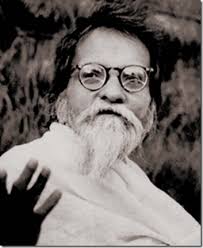
File:Vinobabhaveji.jpg · Wikimedia Commons · See Wikimedia Commons
Vinoba Bhave
Sign in to saveAlso known as Vinayak Narahari Bhave, Acharya Vinoba
Indian advocate of nonviolence and human rights (1895-1982)
OverviewAI-generated
Vinoba Bhave was an Indian philosopher, politician, writer, and human rights defender. Born in the Raigad district in 1895, he was a student of Mahatma Gandhi and educated at the Maharaja Sayajirao University of Baroda. He practiced Hinduism and spoke Marathi and Sanskrit. His fields of work included philosophy, nonviolence, and human rights.
Bhave received the Ramon Magsaysay Award and the Bharat Ratna, and was nominated for the Nobel Peace Prize. He authored works such as *Gramdan*, *Gitāpravacan*, *Gītāī*, *Vinobā sārasvata*, and *Khrista-dharma-sāra*. His students included Satish Kumar. He died in Wardha in 1982.
Synthesized by Vinony from 24 facts across 2 sources: Wikidata, Open Library. Generated from structured data (not the Wikipedia text) and checked against those facts — may still contain errors.
Person · Open Library
- Born
- 11 September 1895
- Died
- 15 November 1982
- Works
- 86
Top works
- Gramdan (villagisation of land)
- Gitāpravacan
- Gītāī
- Vinobā sārasvata
- Khrista-dharma-sāra
via Open Library + Wikidata
Key facts
- Born
- Vinayak Narahar Bhave , ( 1895-09-11 ) 11 September 1895, Gagode, Pen , Bombay Presidency , British India , (present-day Maharashtra , India)
- Died
- 15 November 1982 (1982-11-15) (aged 87), Pavnar, Wardha , Maharashtra , India
- Alma mater
- Maharaja Sayajirao University of Baroda
- Known for
- Bhoodan Movement , Satyagraha
- Honours
- Ramon Magsaysay Award (1958), Bharat Ratna (1983)
- Website
- vinobabhave .org
via Wikipedia infobox
Wikidata facts
- Instance of
- human
- Gender
- male
- Citizenship
- Dominion of India
- Place of birth
- Raigad district
- Place of death
- Wardha
- Educated at
- Maharaja Sayajirao University of Baroda
- Languages spoken
- Sanskrit
- Religion
- Hinduism
- Award
- Bharat Ratna
- Student of
- Mahatma Gandhi
- Field of work
- human rights
- Image
- Vinoba Bhave 1983 stamp of India.jpg
Show 8 more facts
- Commons category
- Vinoba Bhave
- date of birth
- 1895-09-11
- date of death
- 1982-11-15
- nominated for
- Nobel Peace Prize
- name in native language
- Vinoba Bhave
- student
- Satish Kumar
- writing language
- Marathi
- on focus list of Wikimedia project
- WikiProject Human rights
Sources (3)
via Wikidata · CC0
~15 min read
Encyclopedic overview
Vinayak Narahar Bhave, also known as Vinoba Bhave (pronunciation; 11 September 1895 – 15 November 1982), was an Indian philosopher and an advocate of nonviolence and human rights. Often called Acharya (teacher in Sanskrit), he is best known for the Bhoodan land reform movement, and is considered as the spiritual successor of Mahatma Gandhi.
Bhave was born in Gagoji, and was the eldest of five children and was brought up by his grandfather. Influenced by his mother's religious values, he developed an early interest in spiritual texts such as the Bhagavad Gita. After being inspired by Gandhi, he abandoned formal education and joined Gandhi’s Sabarmati Ashram in 1916. He actively participated in various programmes promoting khadi, village industries, and sanitation.
Excerpted from Wikipedia’s “Vinoba Bhave” article, available under the CC BY-SA 4.0 licence.