Browse
page 2People

Sophocles
Sophocles (; , , Sophoklễs; 497/496 – winter 406/405 BC) was an ancient Greek tragedian, one of three from whom at least two plays have survived in full. His first plays were written later than, or contemporary with, those of Aeschylus and earlier than, or contemporary with, those of Euripides. Sophocles wrote more than 120 plays, but only seven have survived in a complete form: Ajax, Antigone, Women of Trachis, Oedipus Rex, Electra, Philoctetes, and Oedipus at Colonus. For almost 50 years, Sophocles was the most celebrated playwright in the dramatic competitions of the city-state of Athens, w
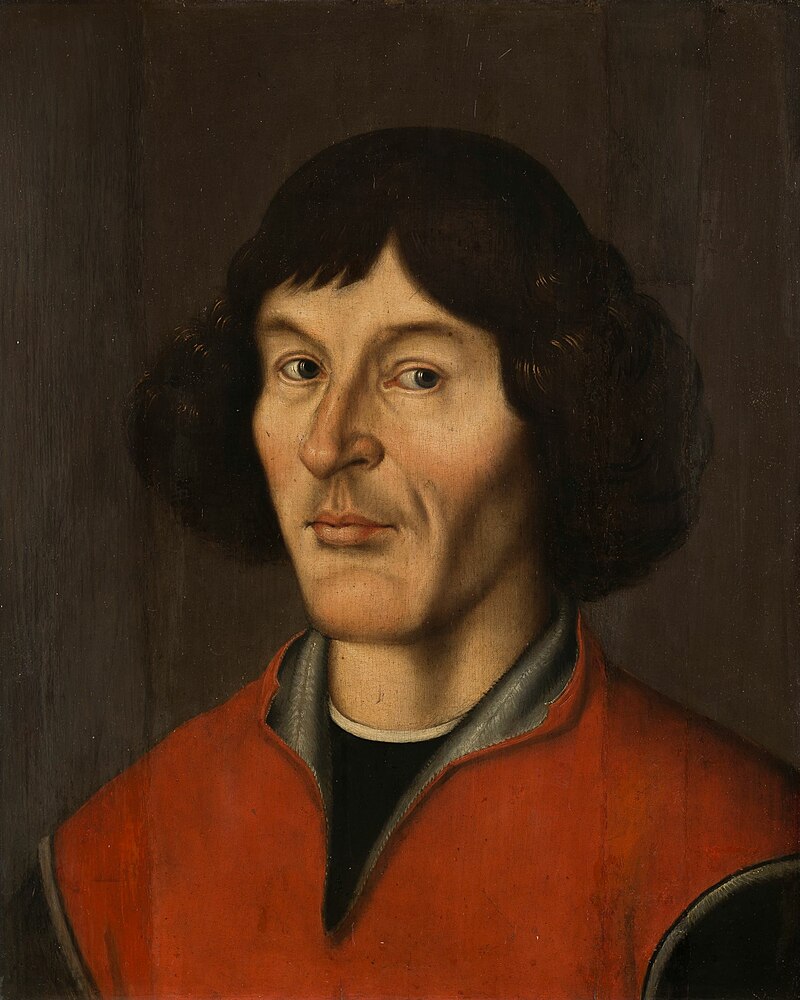
Nicolaus Copernicus
Polish mathematician and astronomer (1473-1543)
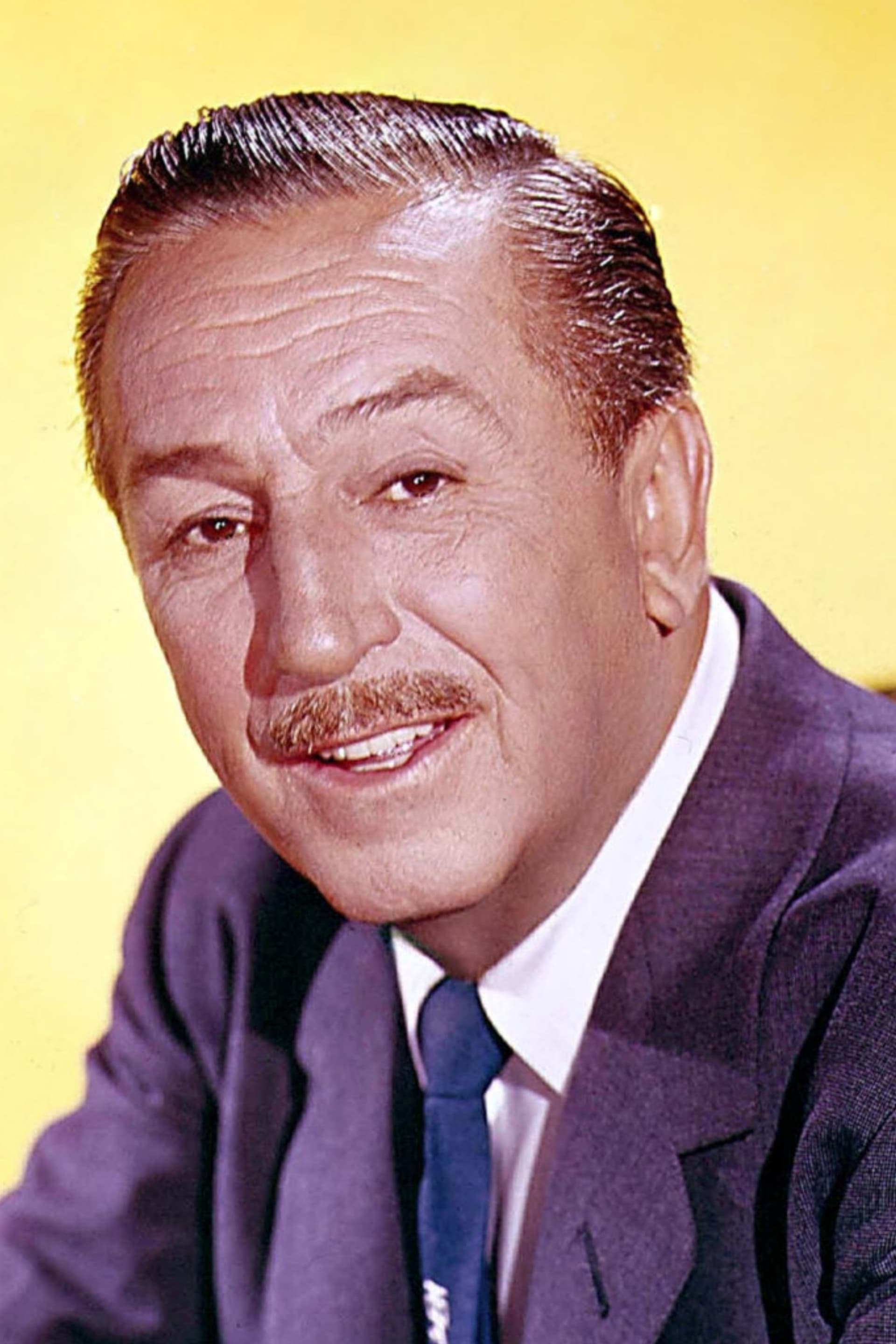
Walt Disney
American animator, producer, director, screenwriter, voice actor and entrepreneur, founder of The Walt Disney Company (1901–1966)

Carl Linnaeus
Swedish botanist, physician, and zoologist (1707–1778)
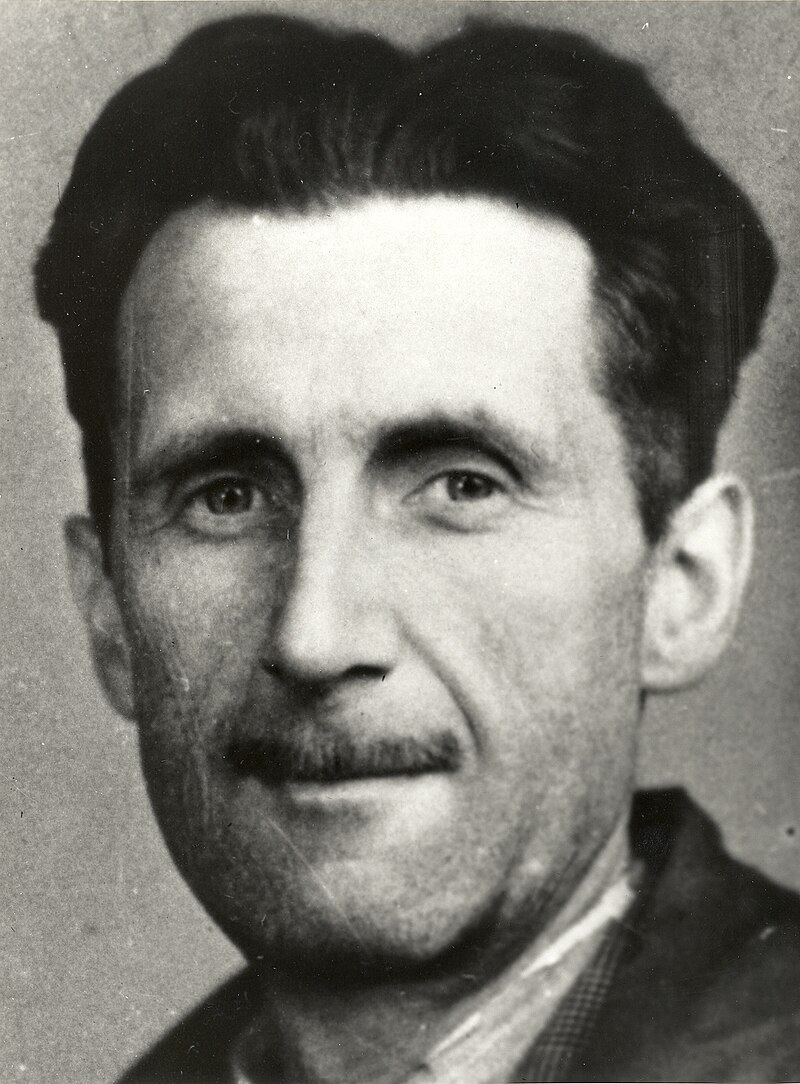
George Orwell
British writer and journalist (1903–1950)
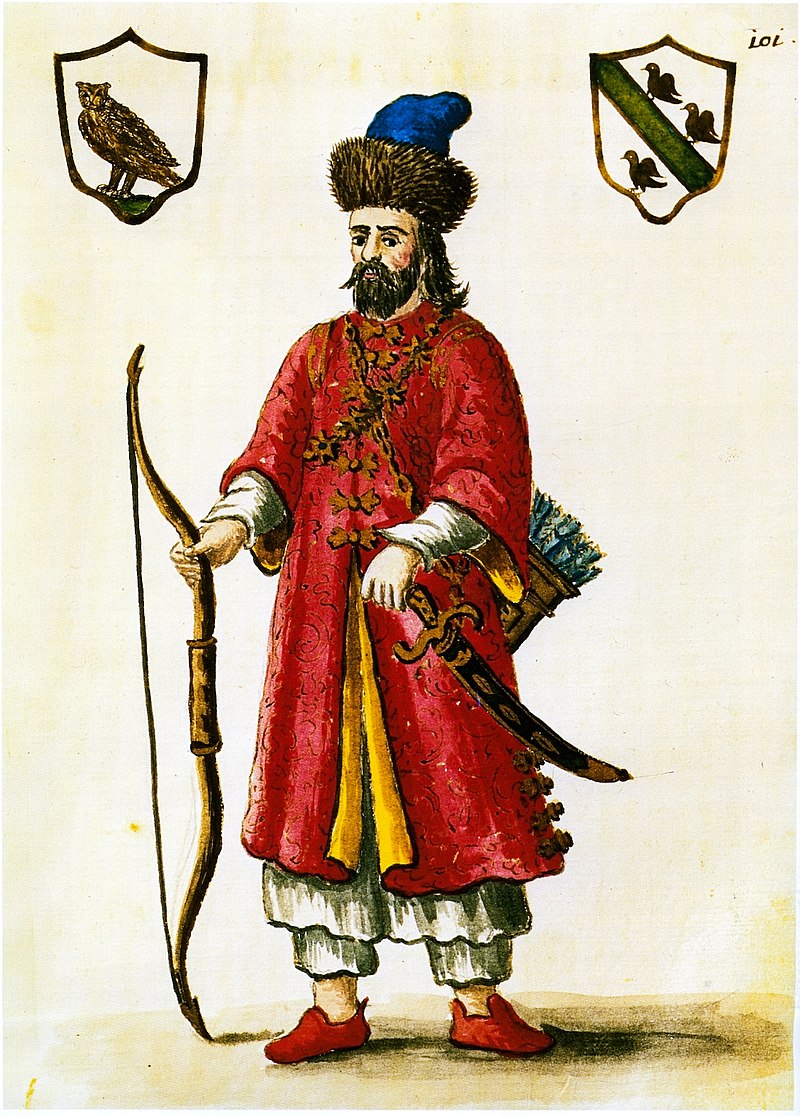
Marco Polo
Venetian explorer and merchant who travelled through Asia (1254–1324)

Louis Pasteur
French chemist and microbiologist (1822-1895)

Pythagoras
Pythagoras of Samos (; BC) was an ancient Ionian Greek philosopher, polymath, and the eponymous founder of Pythagoreanism. His political and religious teachings were well known in Magna Graecia and influenced the philosophies of Plato, Aristotle, and, through them, Western philosophy. Modern scholars disagree regarding Pythagoras's education and influences, but most agree that he travelled to Croton in southern Italy around 530 BC, where he founded a school in which initiates were allegedly sworn to secrecy and lived a communal, ascetic lifestyle.

Ernest Hemingway
American author and journalist (1899–1961)

John Locke
English philosopher and physician (1632-1704)

Thomas Aquinas
Italian Dominican friar, philosopher, Catholic priest, and Doctor of the Church (1225–1274)

Gabriel García Márquez
Colombian writer and Nobel laureate (1927–2014)

Albert Camus
French philosopher, author, and journalist (1913–1960)

Rembrandt
Rembrandt Harmenszoon van Rijn (15 July 1606 – 4 October 1669) was a Dutch Golden Age painter, printmaker, and draughtsman. He is generally considered one of the greatest visual artists in the history of Western art. It is estimated that Rembrandt's surviving works amount to about three hundred paintings, three hundred etchings, and several hundred drawings.
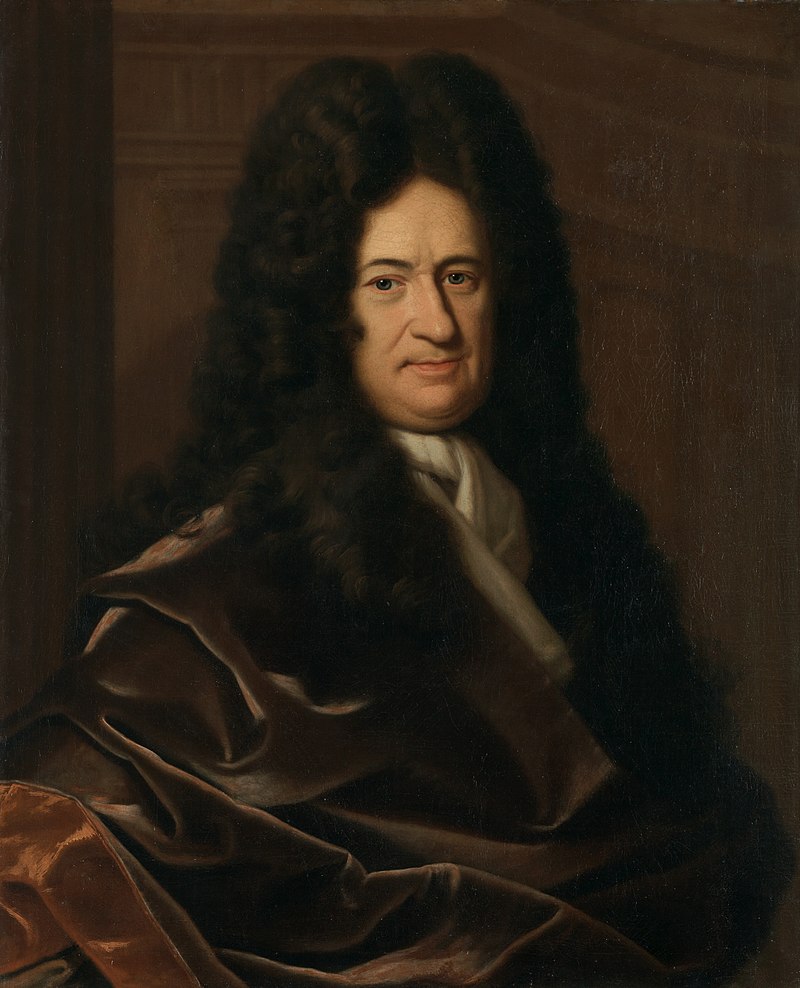
Gottfried Wilhelm Leibniz
German mathematician and philosopher (1646–1716)

Richard Wagner
German composer (1813–1883)

John Paul II
264th pope of the Catholic Church (1978–2005)

James Joyce
Irish novelist and poet (1882–1941)

Cicero
Marcus Tullius Cicero ( , ; 3 January 106 BC – 7 December 43 BC) was a Roman statesman, lawyer, scholar, philosopher, orator, and writer who tried to uphold principles during the political crises of the Roman Republic that led to the establishment of the Roman Empire. The extensive writings of Cicero include treatises on rhetoric, philosophy, and politics. He is considered one of Rome's greatest orators and prose stylists and the innovator of what became known as "Ciceronian rhetoric". Cicero was educated in Rome and in Greece. He came from a wealthy municipal () family of the Roman

Euclid
Euclid (; ; BC) was an ancient Greek mathematician active as a geometer and logician. Considered the "father of geometry", he is chiefly known for the Elements treatise, which established the foundations of geometry that largely dominated the field until the early 19th century. His system, now referred to as Euclidean geometry, involved innovations in combination with a synthesis of theories from earlier Greek mathematicians, including Eudoxus of Cnidus, Hippocrates of Chios, Thales and Theaetetus. With Archimedes and Apollonius of Perga, Euclid is generally considered among the greatest mathe

Benedict XVI
265 th pope of the Catholic Church (2005–2013)

Matsuo Bashō
Japanese poet (1644–1694)

Ovid
Publius Ovidius Naso (; 20 March 43 BC – AD 17/18), known in English as Ovid ( ), was a Roman poet who lived during the reign of Augustus. He was a younger contemporary of Virgil and Horace, with whom he is often ranked as one of the three canonical poets of Latin literature. The Imperial scholar Quintilian considered him the last of the Latin love elegists. Although Ovid enjoyed enormous popularity during his lifetime, the emperor Augustus exiled him to Tomis, the capital of the newly organised province of Moesia, on the Black Sea, where he remained for the last nine or ten years of his life.
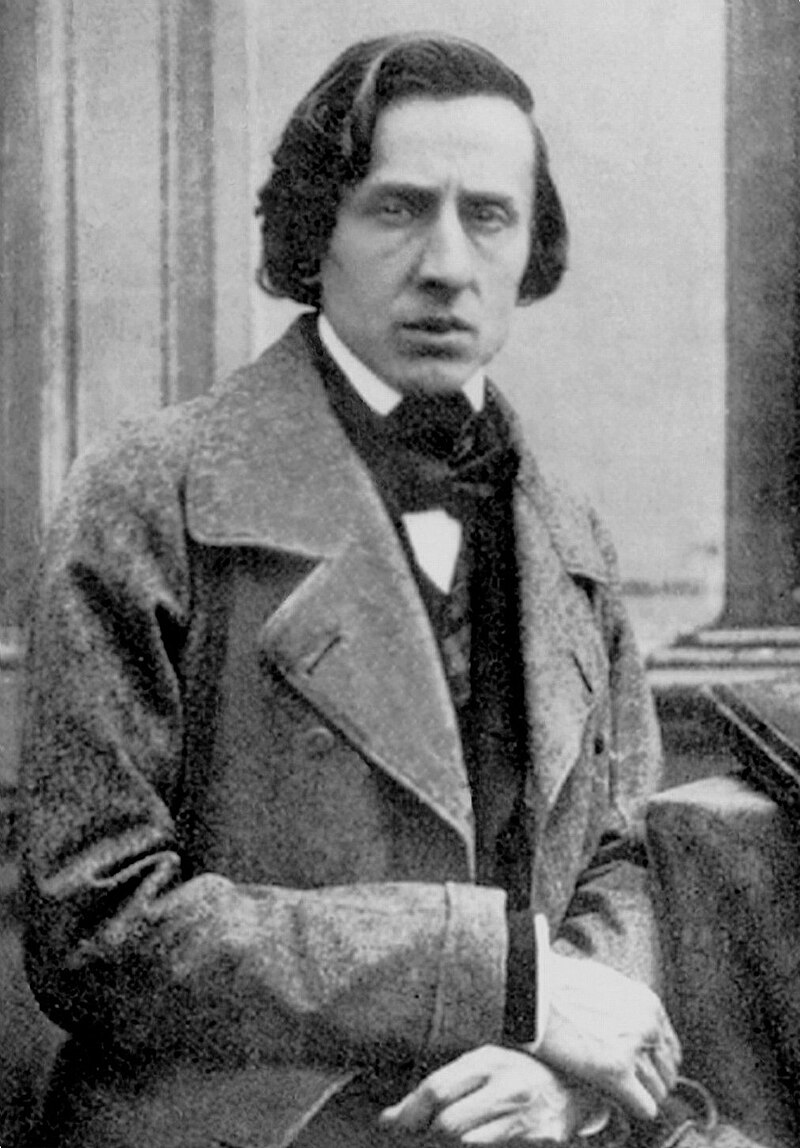
Frédéric Chopin
Polish composer and pianist (1810–1849)

Mikhail Gorbachev
leader of the Soviet Union from 1985 to 1991 (1931–2022)

Carl Friedrich Gauss
German mathematician and physicist (1777–1855)

Henry Ford
American business magnate (1863–1947)
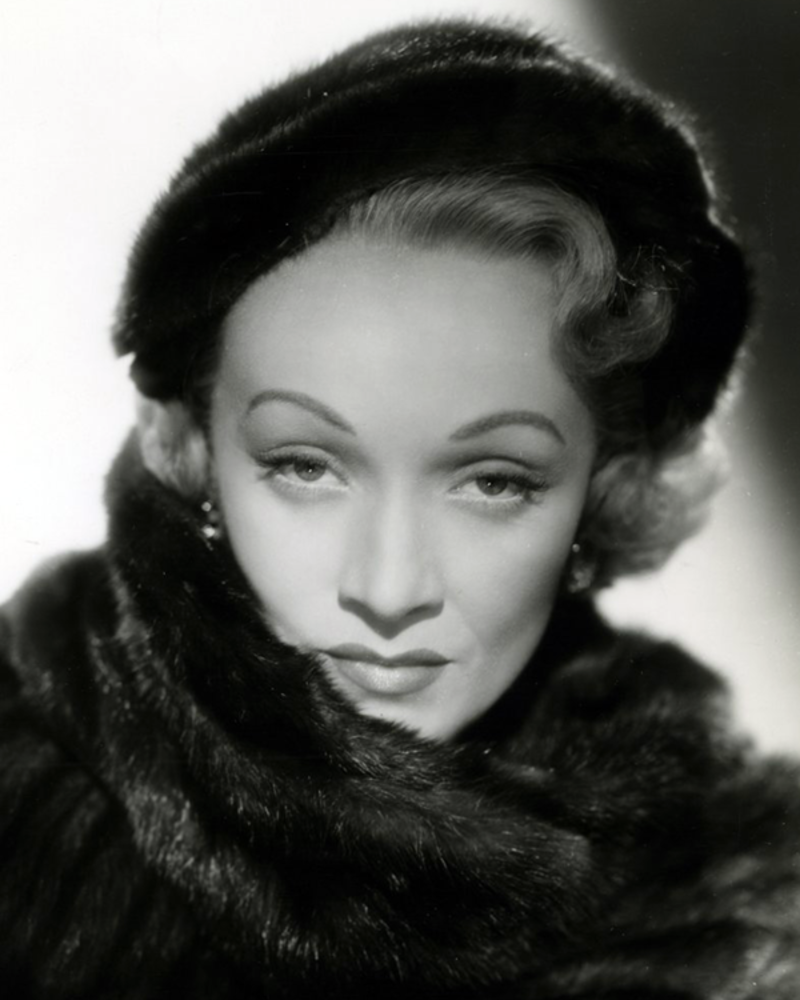
Marlene Dietrich
German and American actress and singer (1901–1992)

Jean-Paul Sartre
French existentialist philosopher (1905–1980)

Mother Teresa
Albanian-Indian Catholic nun and missionary (1910–1997)

Le Corbusier
Swiss-French architect, designer, urbanist, and writer (1886–1965)

Friedrich Engels
German philosopher, sociologist and economist (1820–1895)
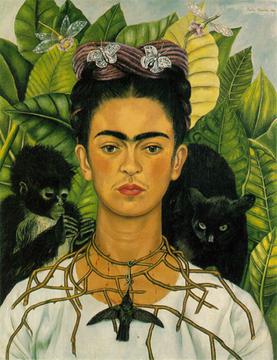
Frida Kahlo
Mexican painter (1907–1954)
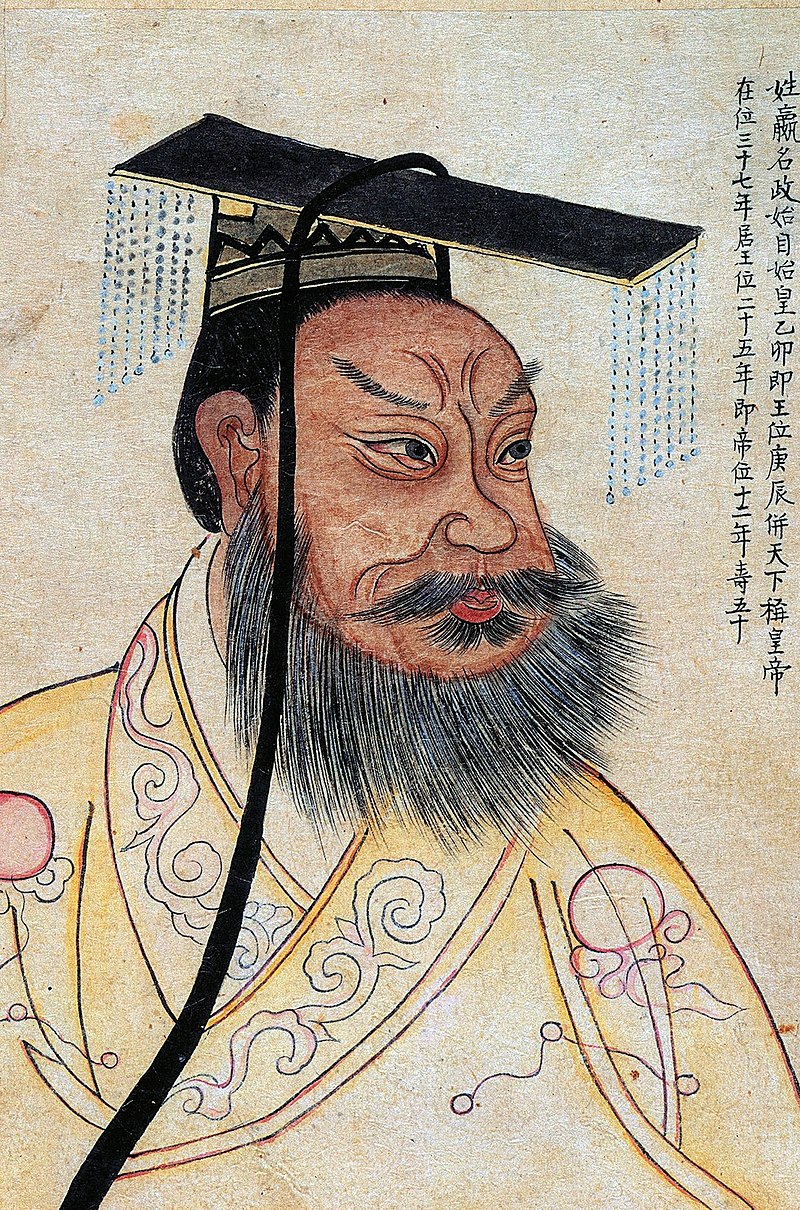
Qin Shi Huang
first emperor of Qin Dynasty

Herodotus
Herodotus (; BC) was a Greek historian and geographer from the Greek city of Halicarnassus (now Bodrum, Turkey), under Persian control in the 5th century BC, and a later citizen of Thurii in modern Calabria, Italy. He wrote the Histories, a detailed account of the Greco-Persian Wars, among other subjects such as the rise of the Achaemenid dynasty of Cyrus. He has been described as "The Father of History", a title conferred on him by the ancient Roman orator Cicero.

Ferdinand Magellan
Portuguese explorer in the service of Spain

Li Bai
Classical Chinese poet of the Tang dynasty (701–762)

Harry S. Truman
president of the United States from 1945 to 1953; politician (1884–1972)

Paul the Apostle
Early Christian apostle and missionary (c. AD 5 – c. 64/65)

Raphael
Raffaello Sanzio da Urbino (; March 28 or April 6, 1483April 6, 1520), now generally known in English as Raphael ( , ), was an Italian painter and architect of the High Renaissance. His work is admired for its clarity of form, ease of composition, and visual achievement of the Neoplatonic ideal of human grandeur. Together with Leonardo da Vinci and Michelangelo, he forms the traditional trinity of great masters of that period.

Avicenna
Ibn Sina ( – 22 June 1037), commonly known in the West as Avicenna ( ), was a preeminent philosopher and physician of the Muslim world. He was a seminal figure of the Islamic Golden Age, serving in the courts of various Iranian rulers, and was influential to medieval European medical and Scholastic thought.
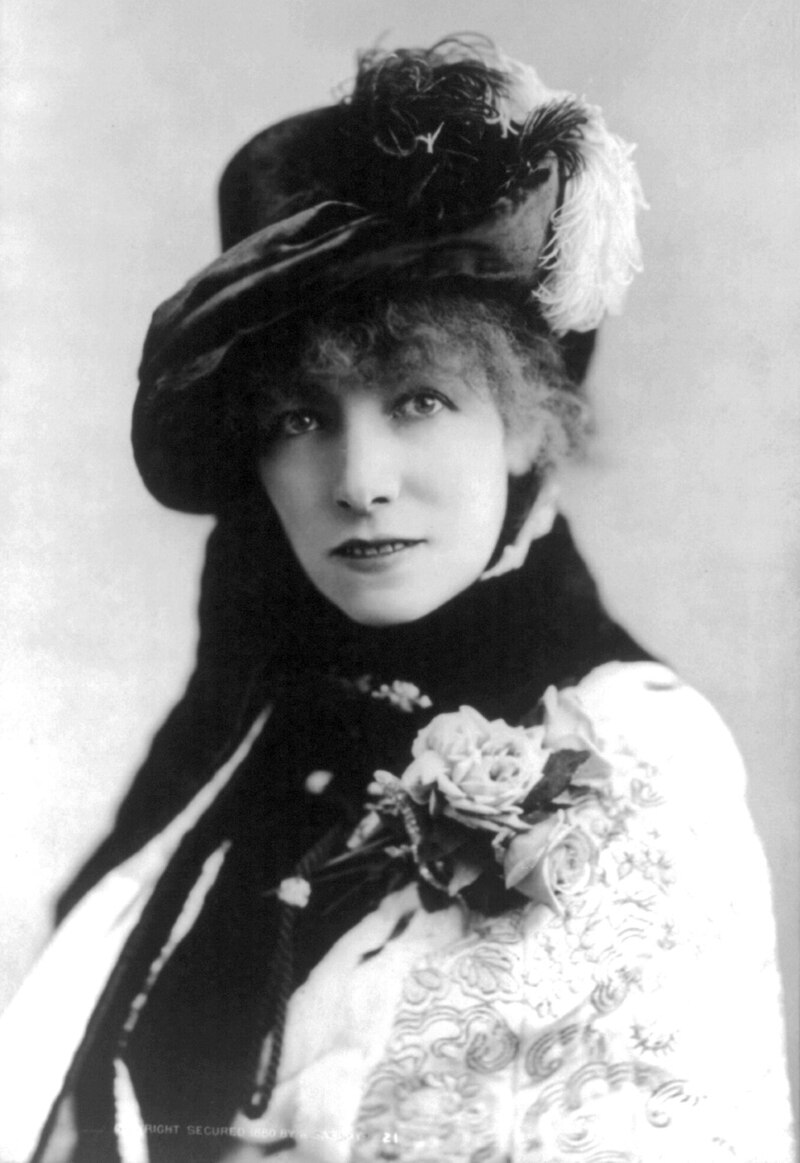
Sarah Bernhardt
French stage actress, painter and sculptor (1844–1923)

Blaise Pascal
French mathematician, physicist, inventor, writer, and Christian philosopher (1623-1662)

Georg Wilhelm Friedrich Hegel
German philosopher and theologian (1770–1831)
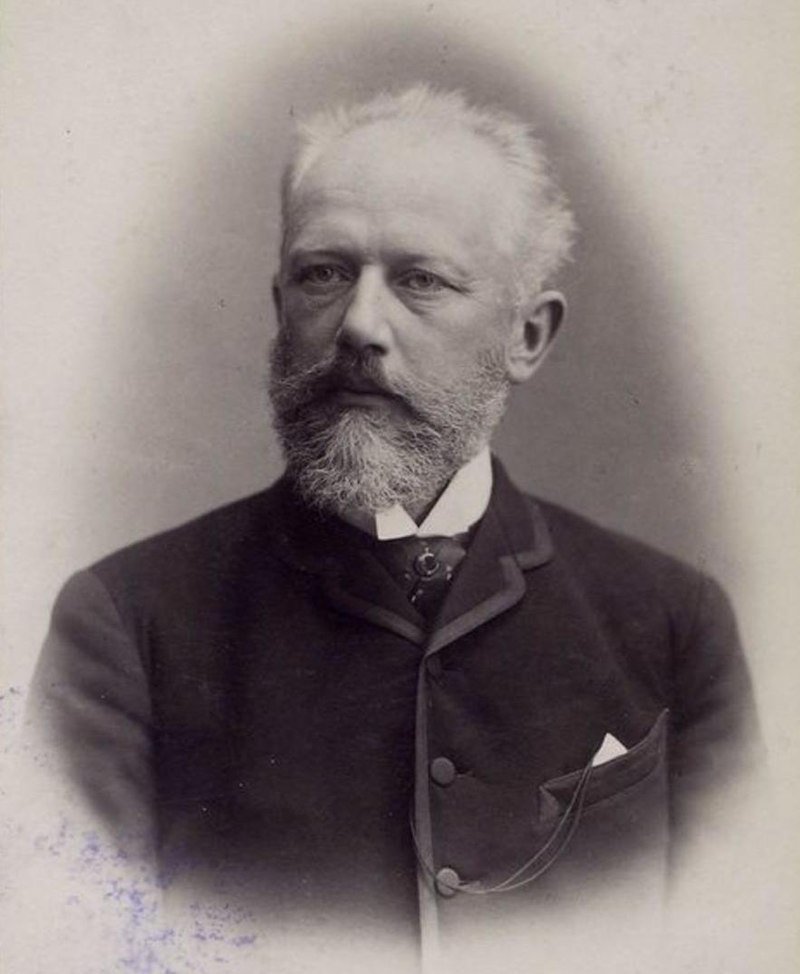
Pyotr Ilyich Tchaikovsky
Russian composer (1840–1893)

Alfred Nobel
Swedish chemist and inventor (1833–1896)

Joan of Arc
French folk heroine (1412–1431), military leader who crowned Charles VII and Roman Catholic saint, canonized 500 years after her death

Kamala Harris
Vice President of the United States from 2021 to 2025

Jorge Luis Borges
Argentine writer, essayist, poet and translator (1899–1986)

Naruhito
Naruhito (born 23 February 1960) is Emperor of Japan since 1 May 2019. He is the 126th monarch, according to the traditional order of succession.

Leonhard Euler
Swiss mathematician, physicist, and engineer (1707–1783)

Woodrow Wilson
president of the United States from 1913 to 1921 (1856–1924)

Sung Jae-gi
South Korean masculism activist (1967-2013)

Alan Turing
English computer scientist (1912–1954)

Rudyard Kipling
English writer and poet (1865–1936)

Rosa Luxemburg
Polish-German Marxist revolutionary (1871–1919)

Roald Amundsen
Norwegian explorer; first person to reach the South Pole (1872–1928)

Jules Verne
French writer (1828–1905)

John Adams
Founding Father, U.S. president from 1797 to 1801

Albrecht Dürer
German painter, printmaker, mathematician, and theorist (1471-1528)