Category
page 15-HT2A agonists

lysergic acid diethylamide
Lysergic acid diethylamide, commonly known as LSD (from German ) and by the nicknames acid and lucy, is a semisynthetic hallucinogenic drug derived from ergot, known for its powerful psychological effects and serotonergic activity. It was historically used in psychiatry and 1960s counterculture; it is currently legally restricted but receiving renewed scientific interest and increasing use.

MDMA
3,4-Methylenedioxymethamphetamine (MDMA), commonly known as ecstasy (tablet form), and molly (crystal form), is an entactogen with stimulant and minor psychedelic properties.

Lophophora williamsii
The peyote (Lophophora williamsii) is a small, spineless cactus which contains psychoactive alkaloids, particularly mescaline. is a Spanish word derived from the Nahuatl , meaning "caterpillar cocoon", from a root , "to glisten".

psilocybin
Psilocybin, also known as '4-phosphoryloxy-N,N-dimethyltryptamine (4-PO-DMT'), is a naturally occurring tryptamine alkaloid and investigational drug found in more than 200 species of mushrooms, with hallucinogenic and serotonergic effects. Effects include euphoria, changes in perception, a distorted sense of time, and perceived spiritual experiences. It can also cause adverse reactions such as nausea and panic attacks.

mescaline
Mescaline, also known as mescalin or mezcalin, and in chemical terms 3,4,5-trimethoxyphenethylamine, is a naturally occurring classical psychedelic protoalkaloid of the substituted phenethylamine class, found in cacti like peyote (Lophophora williamsii) and San Pedro (certain species of the genus Echinopsis).
%20en%20floraci%C3%B3n.jpg)
ayahuasca
Ayahuasca is a South American psychoactive decoction prepared from Banisteriopsis caapi vine and a dimethyltryptamine (DMT)-containing plant, used by Indigenous cultures in the Amazon and Orinoco basins as part of traditional medicine and shamanism. The word ayahuasca, originating from Quechuan languages spoken in the Andes, refers both to the B. caapi vine and the psychoactive brew made from it, with its name meaning 'spirit rope' or 'liana of the soul'.
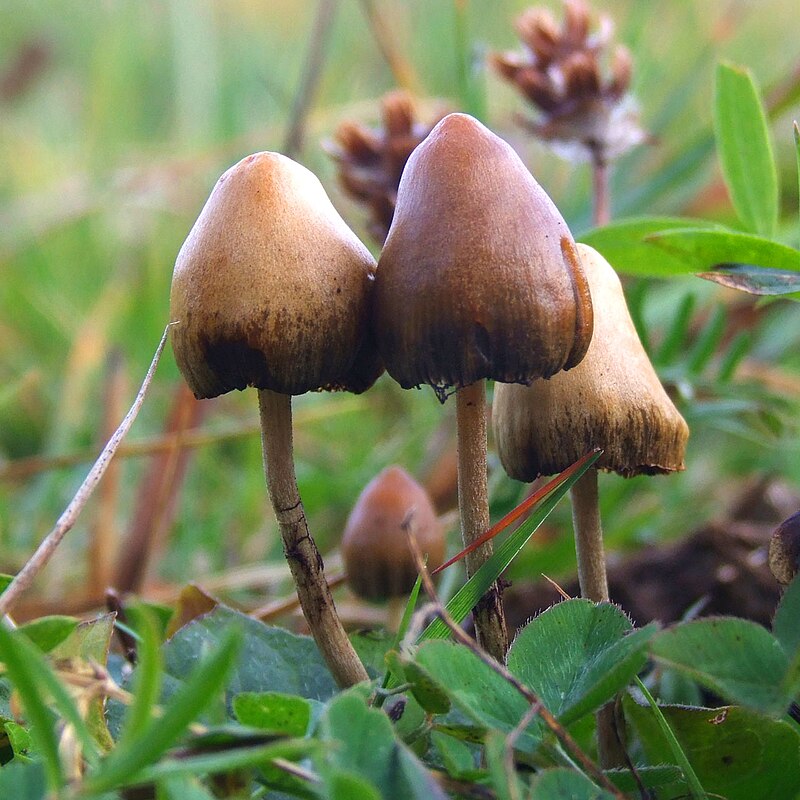
psilocybin mushroom
mushrooms containing psychoactive indole alkaloids

dimethyltryptamine
Dimethyltryptamine (DMT), also known as '''N,N-dimethyltryptamine (N,N-DMT'''), is a serotonergic hallucinogen and investigational drug of the tryptamine family that occurs naturally in many plants and animals. DMT is used as a psychedelic drug and prepared by various cultures for ritual purposes as an entheogen.

tryptamine
Tryptamine, also known as 2-(3-indolyl)ethylamine, is an indolamine metabolite of the essential amino acid tryptophan. The chemical structure is defined by an indole—a fused benzene and pyrrole ring, and a 2-aminoethyl group at the second carbon (third aromatic atom, with the first one being the heterocyclic nitrogen). The structure of tryptamine is a shared feature of certain aminergic neuromodulators including melatonin, serotonin, bufotenin and psychedelic derivatives such as dimethyltryptamine (DMT), psilocybin, psilocin and others.
.jpg)
aripiprazole
alt=A box of aripiprazole 15 mg tablets.|thumb|Aripiprazole 15 mg tablets
Aripiprazole, sold under the brand name Abilify, among others, is a unique atypical antipsychotic primarily used in the treatment of schizophrenia, mania in bipolar disorder, and irritability associated with autism spectrum disorder (in children and adolescents aged 6 to 17 years); other uses include as an add-on treatment for major depressive disorder, obsessive–compulsive disorder, and tic disorders. Aripiprazole is taken by mouth or via injection into a muscle.
psychedelic drug
serotonin receptor agonist temporarily altering states of consciousness

Argyreia nervosa
species of plant
ergotamine
Ergotamine, sold under the brand name Ergomar among others, is an ergopeptine and part of the ergot family of alkaloids; it is structurally and biochemically closely related to ergoline. It is structurally similar to several neurotransmitters, and it acts as a vasoconstrictor. It is used for acute migraines, sometimes with caffeine as the combination ergotamine/caffeine.

psilocin
Psilocin, also known as '4-hydroxy-N,N-dimethyltryptamine (4-HO-DMT'), is a psychedelic drug and fungal alkaloid of the tryptamine and 4-hydroxytryptamine families. Along with its phosphate ester psilocybin, it is found in most species of psilocybin-containing mushrooms, such as Psilocybe cubensis and Psilocybe mexicana, and is the compound responsible for their hallucinogenic effects, although concentrations of psilocin are variably lower than those of psilocybin. The drug is taken orally and its effects include perceptual changes and visual effects, emotional changes, ego dissolution, time d

mefloquine
Mefloquine, sold under the brand name Lariam among others, is a medication used to prevent or treat malaria. When used for prevention it is typically started before potential exposure and continued for several weeks after potential exposure. It can be used to treat mild or moderate malaria but is not recommended for severe malaria. It is taken by mouth.

mephedrone
Mephedrone, also known as ', , or , is a synthetic stimulant drug belonging to the amphetamine and cathinone classes. It is commonly referred to by slang names such as drone, , white magic, meow meow, and bubble'. Chemically, it is similar to the cathinone compounds found in the khat plant, native to eastern Africa.

Ipomoea tricolor
species of plant

2C-B
2C-B, also known as 4-bromo-2,5-dimethoxyphenethylamine or by names such as Nexus or Erox, is a psychedelic drug of the phenethylamine and 2C families. The drug is used as a recreational drug and is usually taken orally. 2C-B produces hallucinogenic, mild stimulant, and mild entactogenic-like effects. Its hallucinogenic effects at typical doses are milder than those of other psychedelics like LSD or psilocybin.

bromocriptine
Bromocriptine, sold under the brand name Parlodel among others, is an ergoline derivative and dopamine agonist that is used in the treatment of pituitary tumors, Parkinson's disease, hyperprolactinaemia, neuroleptic malignant syndrome, and, as an adjunct, type 2 diabetes.

bufotenine
Bufotenin, also known as dimethylserotonin or as '5-hydroxy-N,N-dimethyltryptamine (5-HO-DMT'), is a serotonergic psychedelic of the tryptamine family. It is a derivative of the psychedelic dimethyltryptamine (DMT) and of the neurotransmitter serotonin (5-hydroxytryptamine; 5-HT). The compound is an alkaloid found in some species of mushrooms, plants, and toads. It is also found naturally in the human body in small amounts. Bufotenin, for instance derived from the trees Anadenanthera colubrina and Anadenanthera peregrina, has a long history of entheogenic use as a snuff in South America.

3,4-methylenedioxyamphetamine
3,4-Methylenedioxyamphetamine (MDA) is an entactogen, stimulant, and psychedelic drug of the amphetamine and MDxx families that is encountered mainly as a recreational drug. It is usually taken orally.
efavirenz
Efavirenz (EFV), sold under the brand names Sustiva among others, is an antiretroviral medication used to treat and prevent HIV/AIDS. It is generally recommended for use with other antiretrovirals. It may be used for prevention after a needlestick injury or other potential exposure. It is sold both by itself and in combination as efavirenz/emtricitabine/tenofovir. It is taken by mouth.

N,N-dimethyl-5-methoxytryptamine
5-MeO-DMT, also known as '5-methoxy-N,N-dimethyltryptamine, as well as O-methylbufotenin or mebufotenin', is an atypical psychedelic drug, entheogen, and alkaloid of the tryptamine and 5-methoxytryptamine families. It is found naturally in a wide variety of plant species, and is also secreted by the glands of at least one toad species, the Colorado River toad (Incilius alvarius, formerly Bufo alvarius). It may occur naturally in humans as well. Like its close relatives dimethyltryptamine (DMT) and bufotenin (5-HO-DMT), it has been used as an entheogen in South America. Slang terms include five

Incilius alvarius
species of amphibian
ergometrine
Ergonovine, also known as ergometrine and lysergic acid propanolamide, is a medication used to cause contractions of the uterus to treat heavy vaginal bleeding after childbirth. It can be used either by mouth, by injection into a muscle, or injection into a vein.
.png)
ergine
Ergine, also known as lysergic acid amide (LSA or LAA) as well as LA-111, is a psychoactive compound of the ergoline and lysergamide families related to lysergic acid diethylamide (LSD). Ergine is an ergoline alkaloid found in fungi such as Claviceps paspali (ergot) and Periglandula species such as Periglandula clandestina, which are permanently connected with many morning glory vines. Ergine induces relatively mild psychedelic effects as well as pronounced sedative effects.

Echinopsis pachanoi
fast-growing columnar cactus

cabergoline
Cabergoline, sold under the brand name Dostinex among others, is a dopaminergic medication used in the treatment of high prolactin levels, prolactinomas, Parkinson's disease, and for other indications. It is taken by mouth.

Anadenanthera peregrina
species of plant
indopan
α-Methyltryptamine (αMT, AMT) is a psychedelic, stimulant, and entactogen drug of the tryptamine and α-alkyltryptamine families. It was originally developed as an antidepressant at Upjohn in the 1960s, and was used briefly as an antidepressant in the Soviet Union under the brand name Indopan or Indopane before being discontinued.
methylergonovine
Methylergometrine, also known as methylergonovine and sold under the brand name Methergine, is a medication of the ergoline and lysergamide groups which is used as an oxytocic in obstetrics and as an antimigraine agent in the treatment of migraine headaches. It reportedly produces psychedelic effects similar to those of lysergic acid diethylamide (LSD) at high doses.
lorcaserin
Lorcaserin, marketed under the brand name Belviq, was a weight-loss drug developed by Arena Pharmaceuticals. It reduces appetite by activating the 5-HT2C serotonin receptor in the hypothalamus, a region of the brain which is known to control appetite. It was approved in 2012, and in 2020 was removed from the market in the United States due to an increased risk of cancer detected in users of Belviq.
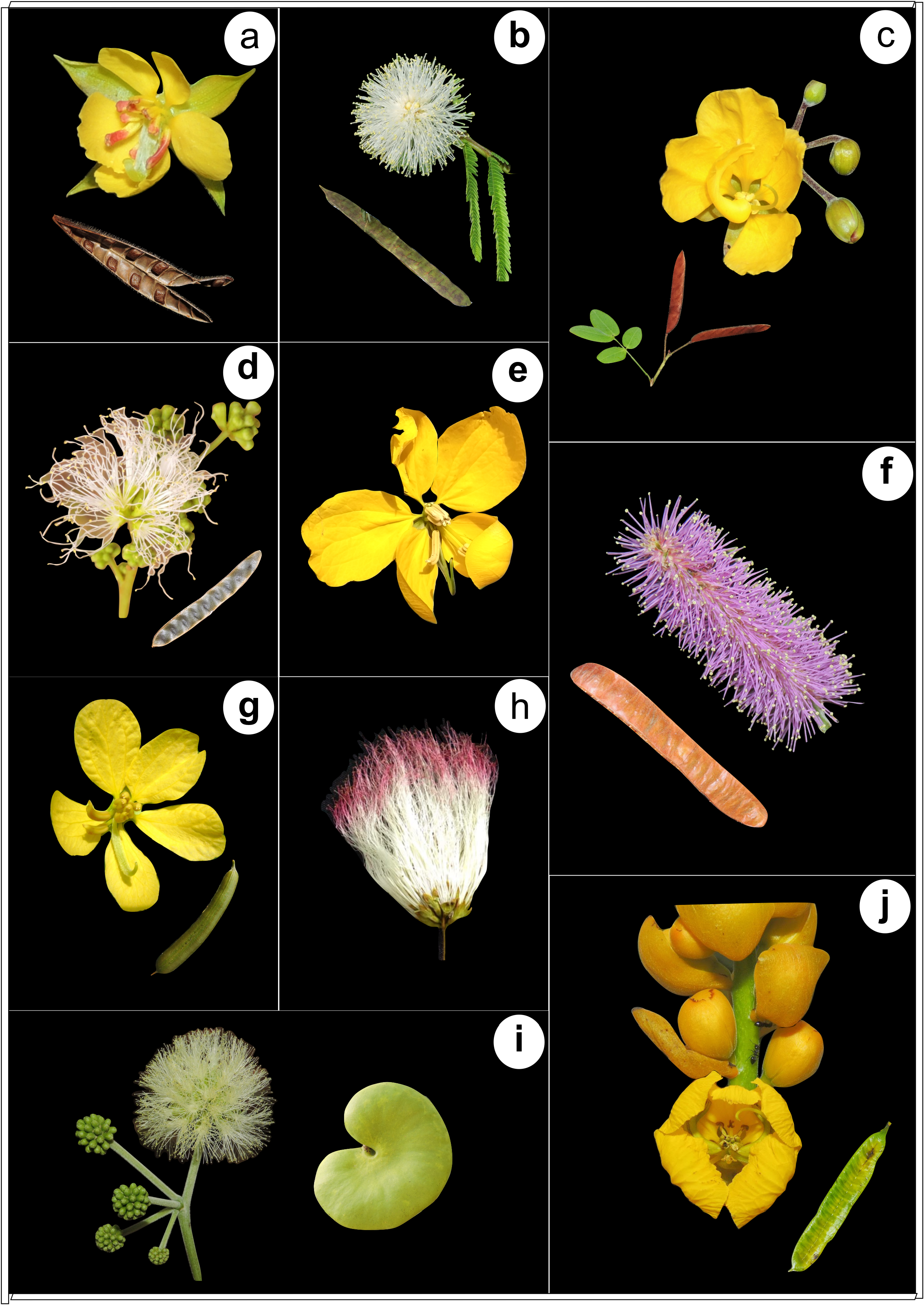
Anadenanthera colubrina
species of plant
2C-I
2C-I, also known as 4-iodo-2,5-dimethoxyphenethylamine, is a psychedelic drug of the phenethylamine and 2C families. It is taken orally.
morning glory
common idea of a flowering plant
2,5-dimethoxy-4-methylamphetamine
2,5-Dimethoxy-4-methylamphetamine (DOM), also known as STP (standing for "Serenity, Tranquility, and Peace" and other phrases), is a psychedelic drug of the phenethylamine, amphetamine, and DOx families. It has stimulant and antidepressant-like effects at low doses and hallucinogenic effects at higher doses. The drug can have a very slow onset and long duration, with its duration possibly being up to a few days at high doses. It is usually taken orally.
2C-E
2C-E, also known as 4-ethyl-2,5-dimethoxyphenethylamine, is a psychedelic drug of the phenethylamine and 2C families. It is taken orally.

(RS)-brolamfetamine
2,5-Dimethoxy-4-bromoamphetamine (DOB), also known as brolamfetamine (), is a psychedelic drug of the phenethylamine, amphetamine, and DOx families. For many years, prior to the discovery of newer compounds, DOB was the most potent known phenethylamine psychedelic. It is taken orally.
N-methyltryptamine
'''N-Methyltryptamine (NMT), also known as monomethyltryptamine''', is a chemical compound of the tryptamine family and a naturally occurring compound found in various plants and animals, including humans.
25I-NBOMe
25I-NBOMe, also known as 2C-I-NBOMe, Cimbi-5, and shortened to "25I", is a psychedelic drug of the phenethylamine, 2C, and NBOMe (25-NB) families. Since 2010, it has circulated in the recreational drug scene, often misrepresented as LSD. It is the most well-known member of the 25-NB family and the earliest member to be encountered as a novel recreational drug.
methysergide
Methysergide, sold under the brand names Deseril and Sansert, is a monoaminergic medication which is used in the prevention and treatment of migraine and cluster headaches. It has been withdrawn from the market in the United States and Canada due to safety concerns. The drug has also been found to produce psychedelic effects at high doses. It is taken orally.
N,N-diethyltryptamine
Diethyltryptamine (DET), also known as '''N,N-diethyltryptamine or T-9''', is a psychedelic drug of the tryptamine family closely related to dimethyltryptamine (DMT). It is taken orally, but can also be used by parenteral routes.

dipropyltryptamine
Dipropyltryptamine (DPT), also known as '''N,N-dipropyltryptamine or as "The Light'''", is a psychedelic drug of the tryptamine family related to dimethyltryptamine (DMT). It is taken orally or by other routes.
4-iodo-2,5-dimethoxyphenylisopropylamine
2,5-Dimethoxy-4-iodoamphetamine (DOI) is a psychedelic drug of the phenethylamine, amphetamine, and DOx families. It is little-used recreationally, but is widely used in scientific research in the study of psychedelics and serotonin receptors. The drug is taken orally.
(RS)-bromo-dragonfly
Bromo-DragonFLY, also known as DOB-DragonFLY (DOB-DFLY), is a psychedelic drug of the phenethylamine, DOx, and FLY families. It is taken orally. The drug has a delayed onset of up to 6hours and a very long duration of up to 1 to 3days.

Echinopsis lageniformis
species of plant
glaucine
Glaucine (also known as 1,2,9,10-tetramethoxyaporphine, bromcholitin, glauvent, tusidil, and tussiglaucin) is an aporphine alkaloid found in several different plant species in the family Papaveraceae, such as Glaucium flavum, Glaucium oxylobum, and Corydalis yanhusuo, and in other plants such as Croton lechleri in the family Euphorbiaceae.
2C-D
2C-D, also known as 4-methyl-2,5-dimethoxyphenethylamine, is a psychedelic drug of the phenethylamine and 2C families. It has an unusually wide and gradual dose range and at low doses produces claimed cognitive enhancer-like effects, mild stimulant effects, and mild perceptual effects, whereas at high doses, it produces robust psychedelic effects. The drug is taken orally.

m-chlorophenylpiperazine
'''meta-Chlorophenylpiperazine (mCPP''') is a psychoactive drug of the phenylpiperazine class. It was initially developed in the late-1970s and used in scientific research before being sold as a designer drug in the mid-2000s. It has been detected in pills touted as legal alternatives to illicit stimulants in New Zealand and pills sold as "ecstasy" in Europe and the United States.
2C-C
2C-C, also known as 4-chloro-2,5-dimethoxyphenethylamine, is a psychedelic drug of the phenethylamine and 2C families. It is taken orally.
allylescaline
Allylescaline (AL), or allylmescaline, also known as 4-allyloxy-3,5-dimethoxyphenethylamine, is a psychedelic drug of the phenethylamine and scaline families related to mescaline. It is taken orally.
N,N-diisopropyltryptamine
Diisopropyltryptamine (DiPT), also known as '''N,N-diisopropyltryptamine''', is a psychedelic drug of the tryptamine family related to dimethyltryptamine (DMT). It is unusual among psychedelics in that at usual doses it primarily or exclusively produces strong auditory changes, including decreased pitch, harmonic distortion, and sound unfamiliarity, but produces no other hallucinogenic effects such as visuals. However, the drug may produce more classically psychedelic effects at very high doses. It is taken orally, but can also be smoked.
2C-P
2C-P, also known as 4-propyl-2,5-dimethoxyphenethylamine or as Selene, is a psychedelic drug of the phenethylamine and 2C families. It is taken orally and is among the most potent and long-lasting of the 2C psychedelics.
2C-T-2
2C-T-2, also known as 4-ethylthio-2,5-dimethoxyphenethylamine, is a psychedelic drug of the phenethylamine and 2C families. It is taken orally.

5-methoxy-N,N-diisopropyltryptamine
5-MeO-DiPT, also known as '5-methoxy-N,N-diisopropyltryptamine and sometimes as foxy methoxy or simply foxy', is an atypical psychedelic drug of the tryptamine and 5-methoxytryptamine families. It has unique and distinct effects from other serotonergic tryptamines, including some stimulant- and entactogen-like effects, robust tactile and sexual enhancement, and only light hallucinogenic effects. The drug is usually taken orally, but may also be used by other routes.
eletriptan
Eletriptan, sold under the brand name Relpax and used in the form of eletriptan hydrobromide, is a second-generation triptan medication intended for treatment of migraine headaches. It is used as an abortive medication, blocking a migraine attack which is already in progress. Eletriptan is marketed and manufactured by Pfizer.

1-(3-trifluoromethylphenyl)piperazine
3-Trifluoromethylphenylpiperazine (TFMPP) is a recreational drug of the phenylpiperazine chemical class and is a substituted piperazine. Usually in combination with benzylpiperazine (BZP) and other analogues, it is sold as an alternative to the illicit drug MDMA ("Ecstasy").
proscaline
Proscaline, also known as 4-propoxy-3,5-dimethoxyphenethylamine, is a psychedelic drug of the phenethylamine and scaline families related to mescaline. It is taken orally.
2C-B-FLY
2C-B-FLY is a psychedelic and designer drug of the phenethylamine, 2C, and FLY families. It was first described in 1995 by Aaron Monte, Professor of Chemistry at UW-La Crosse.
2C-T-7
2C-T-7, also known as 4-propylthio-2,5-dimethoxyphenethylamine or as Blue Mystic or 7th Heaven, is a psychedelic drug of the phenethylamine and 2C families. It is taken orally.