Category
page 2Bacteria genera
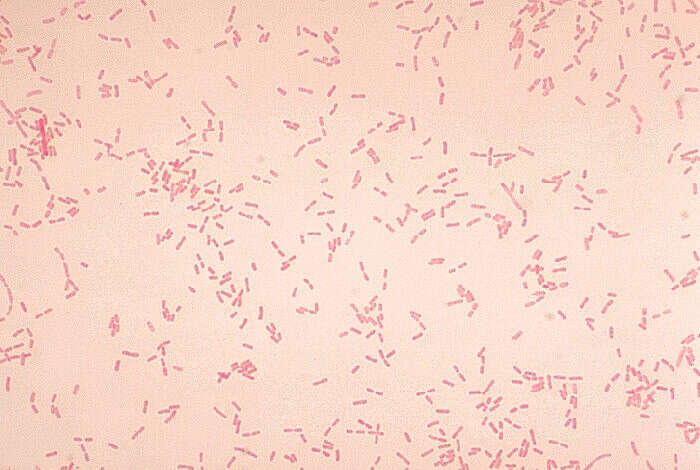
Alcaligenes
Alcaligenes is a genus of Gram-negative, aerobic, rod-shaped bacteria in the order of Burkholderiales, family Alcaligenaceae.

Desulfovibrio
thumb | right
Desulfovibrio is a genus of Gram-negative sulfate-reducing bacteria. Desulfovibrio species are commonly found in aquatic environments with high levels of organic material, as well as in water-logged soils, and form major community members of extreme oligotrophic habitats such as deep granitic fractured rock aquifers. They're also found in the guts of beetles, such as Melolontha melolontha, where they perform sulfate reduction.
Frankia
Frankia is a genus of nitrogen-fixing bacteria that live in symbiosis with actinorhizal plants, similar to the Rhizobium bacteria found in the root nodules of legumes in the family Fabaceae. Frankia also initiate the forming of root nodules.
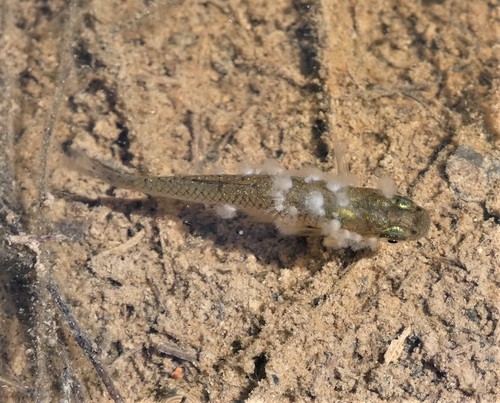
Flavobacterium
Flavobacterium is a genus of Gram-negative, nonmotile and motile, rod-shaped bacteria that consists of 130 recognized species. Flavobacteria are found in soil and fresh water in a variety of environments. Several species are known to cause disease in freshwater fish.
Pasteurella
__NOTOC__
Pasteurella is a genus of Gram-negative, facultatively anaerobic bacteria. Pasteurella species are nonmotile and pleomorphic, and often exhibit bipolar staining ("safety pin" appearance). Most species are catalase- and oxidase-positive.
The genus is named after the French chemist and microbiologist, Louis Pasteur, who first identified the bacterium now known as Pasteurella multocida as the agent of chicken cholera.

Ralstonia
thumb|Symptoms of southern bacterial wilt in tomato caused by Ralstonia solanacearum

Rhodococcus
Rhodococcus is a genus of aerobic, nonsporulating, nonmotile Gram-positive bacteria closely related to Mycobacterium and Corynebacterium. While a few species are pathogenic, most are benign, and have been found to thrive in a broad range of environments, including soil, water, and eukaryotic cells. Some species have large genomes, including the 9.7 megabasepair genome (67% G/C) of Rhodococcus sp. RHA1.
Propionibacterium
Propionibacterium is a gram-positive, anaerobic, rod-shaped genus of bacteria named for their unique metabolism: They are able to synthesize propionic acid by using unusual transcarboxylase enzymes.

Arthrobacter
Arthrobacter (from the Greek, "jointed small stick”) is a genus of bacteria that is commonly found in soil. Members of the genus have also been reported from insect-associated environments, suggesting ecological roles beyond soil habitats. All species in this genus are Gram-positive obligate aerobes that are rods during exponential growth and cocci in their stationary phase. Arthrobacter have a distinctive method of cell division called "snapping division" or reversion in which the outer bacterial cell wall ruptures at a joint.
Chlorobium
Chlorobium is a genus of green sulfur bacteria. They are photolithotrophic oxidizers of sulfur and most notably utilise a noncyclic electron transport chain to reduce NAD+. Photosynthesis is achieved using a Type 1 Reaction Centre using bacteriochlorophyll (BChl) a. Two photosynthetic antenna complexes aid in light absorption: the Fenna-Matthews-Olson complex ("FMO", also containing BChl a), and the chlorosomes which employ mostly BChl c, d, or e. Hydrogen sulfide is used as an electron source and carbon dioxide its carbon source.
Shewanella
Shewanella is the sole genus included in the marine bacteria family Shewanellaceae. Some species within it were formerly classed as Alteromonas. Shewanella consists of facultatively anaerobic Gram-negative rods, most of which are found in extreme aquatic habitats where the temperature is very low and the pressure is very high. Shewanella bacteria are a normal component of the surface flora of fish and are implicated in fish spoilage. Shewanella chilikensis is a species of the genus Shewanella commonly found in the marine sponges of Saint Martin's Island of the Bay of Bengal, Bangladesh.
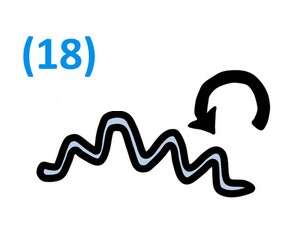
Spiroplasma
Spiroplasma is a genus of Mollicutes, a group of small bacteria without cell walls. Spiroplasma shares the simple metabolism, parasitic lifestyle, fried-egg colony morphology and small genome of other Mollicutes, but has a distinctive helical morphology, unlike Mycoplasma. It has a spiral shape and moves in a corkscrew motion. Many Spiroplasma are found either in the gut or haemolymph of insects where they can act to manipulate host reproduction, or defend the host as endosymbionts. Spiroplasma are also disease-causing agents in the phloem of plants. Spiroplasmas are fastidious organisms, whic

Beggiatoa
Beggiatoa is a genus of Gammaproteobacteria belonging to the order Thiotrichales, in the Pseudomonadota phylum. These bacteria form colorless filaments composed of cells that can be up to 200 μm in diameter, and are one of the largest prokaryotes on Earth. Beggiatoa are chemolithotrophic sulfur-oxidizers, using reduced sulfur species as an energy source. They live in sulfur-rich environments such as soil, both marine and freshwater, in the deep sea hydrothermal vents, and in polluted marine environments. In association with other sulfur bacteria, e.g. Thiothrix, they can form biofilms tha
Providencia
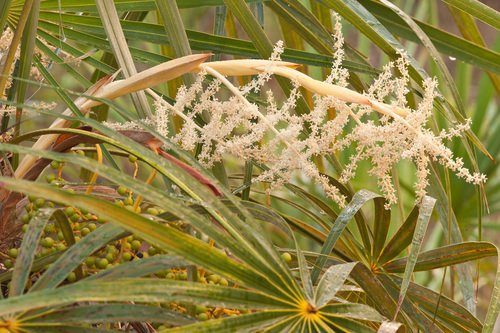
genus of bacteria
Ehrlichia
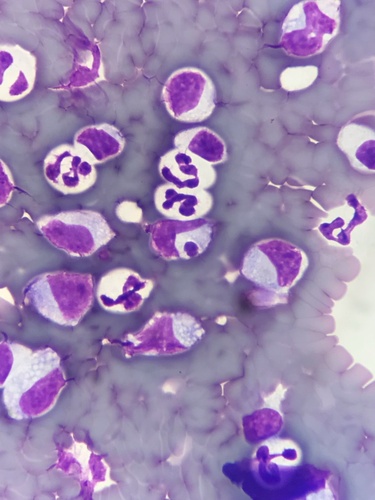
Ehrlichia is a genus of Rickettsiales bacteria that are transmitted to vertebrates by ticks. These bacteria cause the disease ehrlichiosis, which is considered zoonotic, because the main reservoirs for the disease are animals.
Francisella
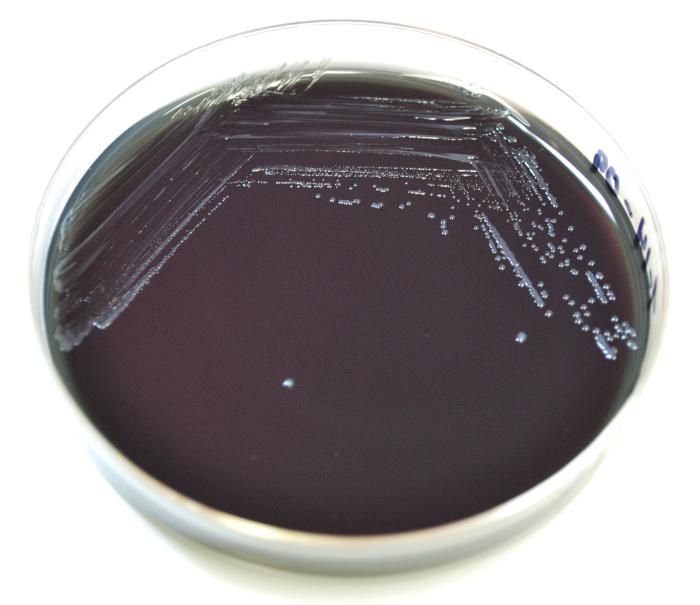
Francisella is a genus of Gram-negative bacteria. They are small coccobacillary or rod-shaped, nonmotile organisms, which are also facultative intracellular parasites of macrophages. Strict aerobes, Francisella colonies bear a morphological resemblance to those of the genus Brucella. Some Francisella species are pathogenic bacteria but some others are endosymbionts of ticks. Ticks do not use any other food source than vertebrate blood and therefore ingest high levels of protein, iron and salt, but few vitamins. To overcome these nutritional deficiencies, ticks have evolved obligate interaction
Thermus
Thermus is a genus of thermophilic bacteria. It is one of several bacteria belonging to the Deinococcota phylum. According to comparative analysis of 16S rRNA, this is one of the most ancient group of bacteria. Thermus species can be distinguished from other genera in the family Thermaceae as well as all other bacteria by the presence of eight conserved signature indels found in proteins such as adenylate kinase and replicative DNA helicase as well as 14 conserved signature proteins that are exclusively shared by members of this genus.
Edwardsiella
genus of bacteria
Bradyrhizobium
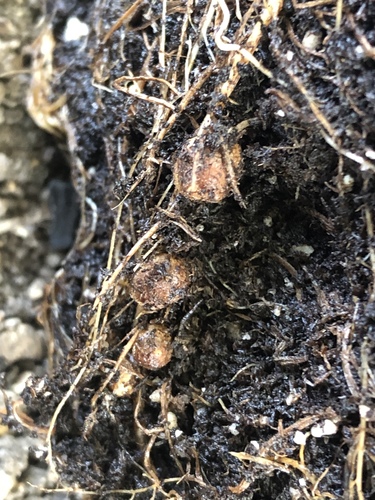
Bradyrhizobium is a genus of Gram-negative soil bacteria, many of which fix nitrogen. Nitrogen fixation is an important part of the nitrogen cycle. Plants cannot use atmospheric nitrogen (N2); they must use nitrogen compounds such as nitrates.
Azospirillum
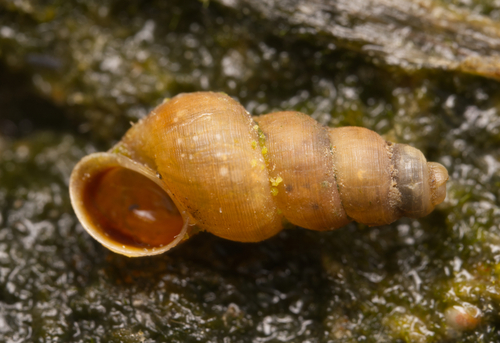
Azospirillum is a Gram-negative, microaerophilic, non-fermentative and nitrogen-fixing bacterial genus from the family of Rhodospirillaceae. Azospirillum bacteria can promote plant growth.
Coxiella
genus of bacteria
Paenibacillus
Paenibacillus is a genus of facultative anaerobic or aerobic, endospore-forming bacteria, originally included within the genus Bacillus, and then reclassified as a separate genus in 1993. Bacteria belonging to this genus have been detected in a variety of environments, such as soil, water, rhizosphere, vegetable matter, forage, and insect larvae, as well as clinical samples. The name reflects: Latin paene means almost, so the paenibacilli are literally "almost bacilli". The genus includes P. larvae, which causes American foulbrood in honeybees, P. polymyxa, which is capable of fixing nitrogen,
Achromobacter
Achromobacter is a genus of bacteria, included in the family Alcaligenaceae in the order Burkholderiales. The cells are Gram-negative straight rods and are motile by using one to 20 peritrichous flagella. They are strictly aerobic and are found in water (fresh and marine) and soils. They have also been identified as a contaminant in laboratory cell cultures. They have been identified as opportunistic human pathogens in people with certain immunosuppressive conditions such as cystic fibrosis, cancer and kidney failure. They also have been known to be resistant to antibiotics.
Myxococcus
Myxococcus is a genus of bacteria in the family Myxococcaceae. Myxococci are Gram-negative, spore-forming, chemoorganotrophic, obligate aerobes. They are elongated rods with rounded or tapered ends, and they are nonflagellated. The cells utilize gliding motility to move and can predate other bacteria. The genus has been isolated from soil.

Peptostreptococcus
Peptostreptococcus is a genus of anaerobic, Gram-positive, non-spore forming bacteria. The cells are small, spherical, and can occur in short chains, in pairs or individually. They typically move using cilia. Peptostreptococcus are slow-growing bacteria with increasing resistance to antimicrobial drugs. Peptostreptococcus is a normal inhabitant of the healthy lower reproductive tract of women.
Brevibacterium
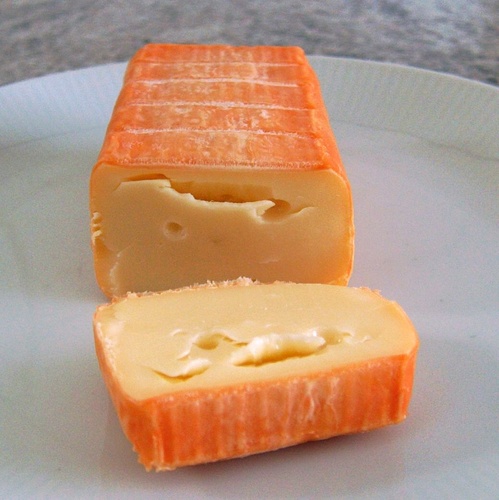
Brevibacterium is a genus of bacteria of the order Micrococcales. They are Gram-positive soil organisms.
Cronobacter
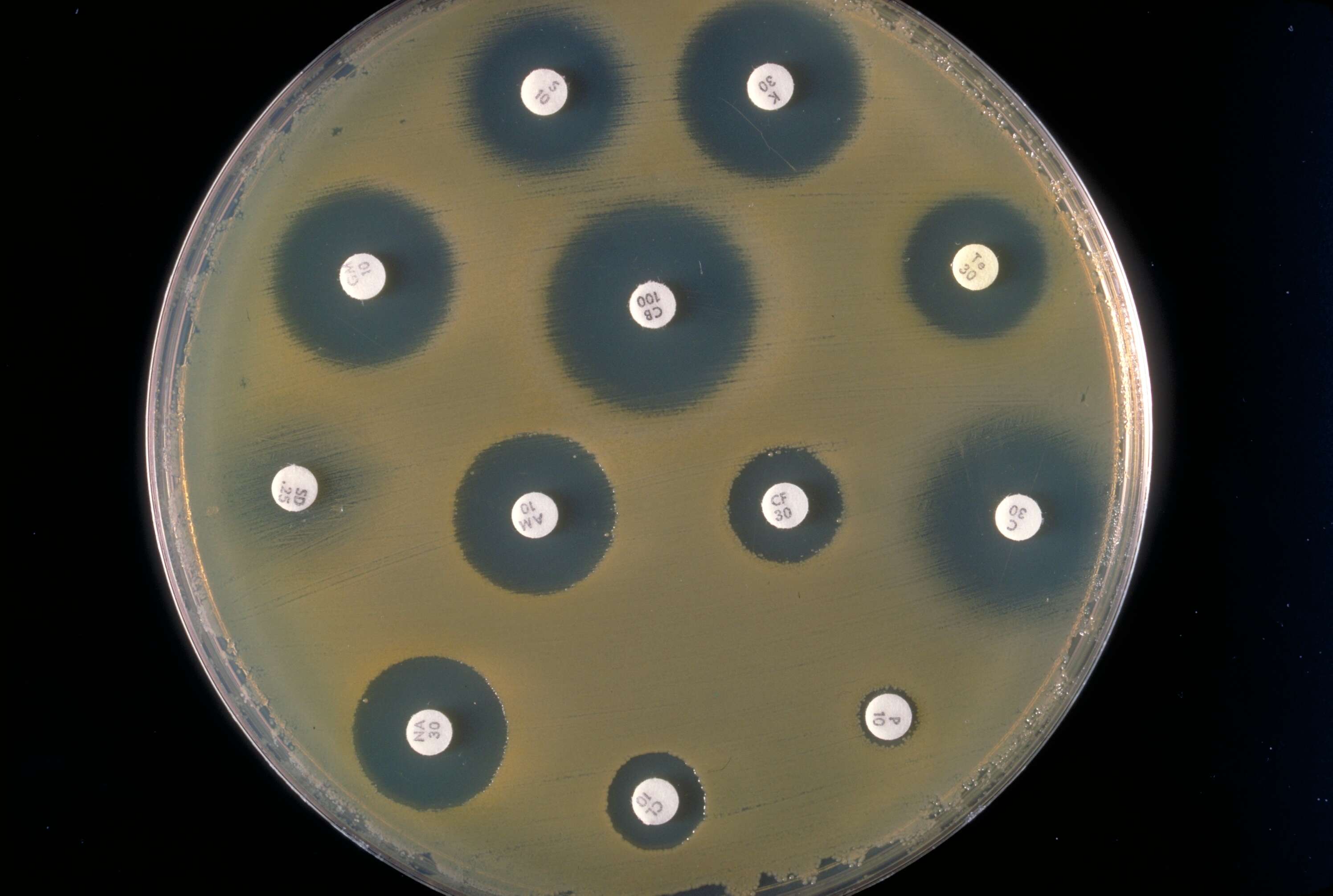
Cronobacter is a genus of Gram-negative, facultatively anaerobic, oxidase-negative, catalase-positive, rod-shaped bacteria of the family Enterobacteriaceae.
Several Cronobacter species are desiccation resistant and persistent in dry products such as powdered infant formula. They are generally motile, reduce nitrate, use citrate, hydrolyze esculin and arginine, and are positive for L-ornithine decarboxylation. Acid is produced from D-glucose, D-sucrose, D-raffinose, D-melibiose, D-cellobiose, D-mannitol, D-mannose, L-rhamnose, L-arabinose, D-trehalose, galacturonate and D-maltose.
Cronobacter
Geobacter
Geobacter is a genus of bacteria. Geobacter species use anaerobic respiration to alter the redox state of minerals and many pollutants, a trait that makes them useful in bioremediation. Geobacter was the first organism described with the ability to completely oxidize organic compounds to carbon dioxide, and transfer these electrons to metals such as Fe(III), Mn(IV), and U(VI). Geobacter species are also found to be able to transfer electrons to conductive surfaces such as graphite electrodes. They are found in anaerobic habitats including wetlands, subsurface aquifers, soils, and aquatic sedim
Ureaplasma
Ureaplasma is a genus of bacteria belonging to the family Mycoplasmataceae. As the name implies, Ureaplasma is urease positive.

Hafnia
genus of bacteria

Sarcina
genus of bacteria
Acidovorax
Acidovorax is a genus of within the family Comamonadaceae. The genus contains some plant pathogens, such as Acidovorax avenae, which causes bacterial fruit blotch on cucurbit crops. Other Acidovorax sp. perform Fe(II) oxidation in anaerobic environments, forming iron minerals in the soil.
Ruminococcus
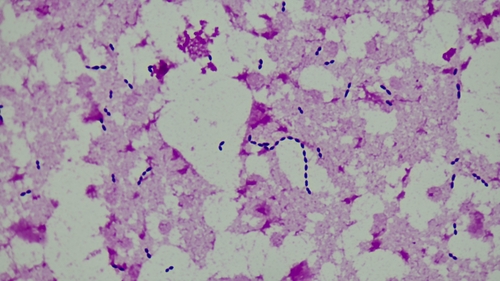
Ruminococcus is a genus of bacteria in the class Clostridia. They are anaerobic, Gram-positive gut microbes. One or more species in this genus are found in significant numbers in the human gut microbiota. The type species is R. flavefaciens. As usual, bacteria taxonomy is in flux, with Clostridia being paraphyletic, and some erroneous members of Ruminococcus being reassigned to a new genus Blautia on the basis of 16S rRNA gene sequences.
Halothiobacillus
Halothiobacillus is a genus in the class Gammaproteobacteria. Both species are obligate aerobic bacteria; they require oxygen to grow. They are also halotolerant; they live in environments with high concentrations of salt or other solutes, but don't require them in order to grow.

Thiomargarita
Thiomargarita is a genus (family Thiotrichaceae) which includes the vacuolate sulfur bacteria species Thiomargarita namibiensis, Candidatus, Thiomargarita nelsonii, and Ca. Thiomargarita joergensenii. In 2022, scientists working in a Caribbean mangrove discovered an extremely large member of the genus, provisionally named Ca. T. magnifica, whose cells are easily visible to the naked eye at up to long.
Peptococcus
Peptococcus is a Gram-positive bacterium genus in the family Peptococcaceae.
Nitrospira
Nitrospira (from Latin: nitro, meaning "nitrate" and Greek: spira, meaning "spiral") is a genus of bacteria within the monophyletic clade of the Nitrospirota phylum. The first member of this genus was described 1986 by Watson et al., isolated from the Gulf of Maine. The bacterium was named Nitrospira marina. Populations were initially thought to be limited to marine ecosystems, but it was later discovered to be well-suited for numerous habitats, including activated sludge of wastewater treatment systems, natural biological marine settings (such as the Seine River in France and beaches in Cape
Aquifex
Aquifex is a bacterial genus, belonging to phylum Aquificota. There is one species of Aquifex with a validly published name – A. pyrophilus – but "A. aeolicus" is sometimes considered as species though it has no standing as a name given it has not been validly or effectively published. Aquifex spp. are extreme thermophiles, growing best at temperature of 85 °C to 95 °C. They are members of the Bacteria as opposed to the other inhabitants of extreme environments, the Archaea.
Acetobacterium
Acetobacterium is a genus of anaerobic, Gram-positive bacteria that belong to the Eubacteriaceae family.
The type species of this genus is Acetobacterium woodii. The name, Acetobacterium, has originated because they are acetogens, predominantly making acetic acid as a byproduct of anaerobic metabolism. Most of the species reported in this genus are homoacetogens, i.e. solely producing acetic acid as their metabolic byproduct. They should not be confused with acetic acid bacteria which are aerobic, Gram-negative Alphaproteobacteria.
Thermotoga
Thermotoga is a genus of the phylum Thermotogota. Members of Thermotoga are hyperthermophilic bacteria whose cell is wrapped in a unique sheath-like outer membrane, called a "toga".
Micromonospora
Micromonospora is a genus of bacteria of the family Micromonosporaceae. The genus name was first proposed in 1923 by Danish physician Jeppe Ørskov in an attempt to classify what at the time was considered "ray fungi" based on morphology. Members of this genus are found throughout natural soil and sediment environments, as well as in association with roots of plants of various species. The genus is well known for its ability to produce a variety of medically relevant products.
Rhodobacter
Rhodobacter is a genus of bacteria in the family Rhodobacteraceae. The most famous species of Rhodobacter are Rhodobacter sphaeroides and Rhodobacter capsulatus, which are used as model organisms to study bacterial photosynthesis.

Spirochaeta
Spirochaeta is a genus of bacteria classified within the phylum Spirochaetota.
Capnocytophaga
Capnocytophaga is a genus of Gram-negative bacteria. Normally found in the oropharyngeal tract of mammals, they are involved in the pathogenesis of some animal bite wounds and periodontal diseases.
Anaerobacter
Anaerobacter is a genus of Gram-positive bacteria related to Clostridium. They are anaerobic chemotrophs and are unusual spore-formers as they produce more than one spore per bacterial cell (up to five). They fix nitrogen. Their G+C content is 29%.
Only one species of this genus (Anaerobacter polyendosporus) has been described.
Sphingobium
Sphingobium species are different from other sphingomonads in that they are commonly isolated from soil; They can degrade a variety of chemicals in the environment such as aromatic and chloroaromatic compounds, phenols like nonylphenol and pentachlorophenol, herbicides such as (RS)-2-(4-chloro-2-methylphenoxy) propionic acid and hexachlorocyclohexane, and polycyclic aromatic hydrocarbons.
Photobacterium
Photobacterium is a genus of gram-negative, oxidase-positive and catalase-positive bacteria in the family Vibrionaceae. Members of the genus are bioluminescent, that is they have the ability to emit light.
Oenococcus
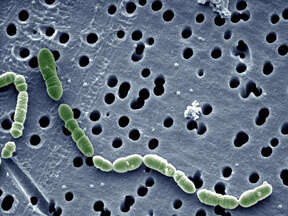
Oenococcus is a genus of gram-positive bacteria, placed within the family Lactobacillaceae. The only species in the genus was Oenococcus oeni (which was known as Leuconostoc oeni until 1995). In 2006, the species Oenococcus kitaharae was identified. As its name implies, Oenococcus oeni holds major importance in the field of oenology, where it is the primary bacterium involved in completing malolactic fermentation.
Acidithiobacillus
Acidithiobacillus is a genus of the Acidithiobacillia in the phylum "Pseudomonadota". This genus includes ten species of acidophilic microorganisms capable of sulfur and/or iron oxidation: Acidithiobacillus albertensis, Acidithiobacillus caldus, Acidithiobacillus cuprithermicus, Acidithiobacillus ferrianus, Acidithiobacillus ferridurans, Acidithiobacillus ferriphilus, Acidithiobacillus ferrivorans, Acidithiobacillus ferrooxidans, Acidithiobacillus sulfuriphilus, and Acidithiobacillus thiooxidans. A. ferooxidans is the most widely studied of the genus, but A. caldus and A. thiooxidans are also
Comamonas
Comamonas is a genus of bacteria in the phylum Pseudomonadota. Like all Pseudomonadota, they are Gram-negative bacteria. Comamonas species are aerobic organisms and motile using bipolar or polar tufts of one to five flagella. Comamonas testosteroni and Comamonas kerstersii have been found to cause infections in people.
Halomonas
Halomonas is a genus of halophilic (salt-tolerating) bacteria. It grows over the range of 5 to 25% NaCl.
Prevotella
Prevotella is a genus of anaerobic Gram-negative bacteria. The type species is Prevotella melaninogenica.
Veillonella
Veillonella are Gram-negative bacteria (Gram stain pink) anaerobic cocci, unlike most Bacillota, which are Gram-positive bacteria. This bacterium is well known for its lactate fermenting abilities. It is a normal bacterium in the intestines and oral mucosa of mammals. In humans they have been implicated in cases of osteomyelitis and endocarditis, for example with the species Veillonella parvula.
Thiobacillus
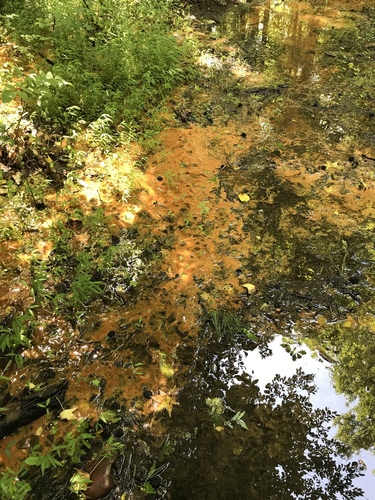
Thiobacillus is a genus of Gram-negative Betaproteobacteria. Thiobacillus thioparus is the type species of the genus, and the type strain thereof is the StarkeyT strain, isolated by Robert Starkey in the 1930s from a field at Rutgers University in the United States of America. While over 30 "species" have been named in this genus since it was defined by Martinus Beijerinck in 1904, (the first strain was observed by the biological oceanographer Alexander Nathansohn in 1902 - likely what we would now call Halothiobacillus neapolitanus), most names were never validly or effectively published. The

Paracoccus
genus of bacteria

Deinococcus
Deinococcus (from Ancient Greek δεινός (deinós), meaning "dreadful", and κόκκος (kókkos), meaning "grain") is in the formerly monotypic family Deinococcaceae, and one genus of three in the order Deinococcales of the bacterial phylum Deinococcota highly resistant to environmental hazards. These bacteria have thick cell walls that give them Gram-positive stains, but they also include a second membrane and are therefore closer in structure to Gram-negative bacteria. Deinococcus survive when their DNA is exposed to high doses of gamma and UV radiation. Whereas other bacteria change their structure

Merismopedia
Merismopedia (from the Greek merismos [division] and the Greek pedion [plain]) is a genus of cyanobacteria found in fresh and salt water. It is ovoid or spherical in shape and arranged in rows and flats, forming rectangular colonies held together by a mucilaginous matrix. Species in this genus divide in only two directions, creating a characteristic grid-like pattern.

Synechocystis
Synechocystis is a genus of unicellular, freshwater cyanobacteria in the family Merismopediaceae. It includes a strain, Synechocystis sp. PCC 6803, which is a well studied model organism.
Magnetospirillum
Magnetospirillum is a Gram-negative, microaerophilic genus of magnetotactic bacteria, first isolated from pond water by the microbiologist R. P. Blakemore in 1975. They have a spiral (helical) shape and are propelled by a polar flagellum at each end of their cells. The three main species identified are M. magnetotacticum strain MS-1, M. griphiswaldense strain MSR-1, and M. magneticum strain AMB-1.
Chromatium
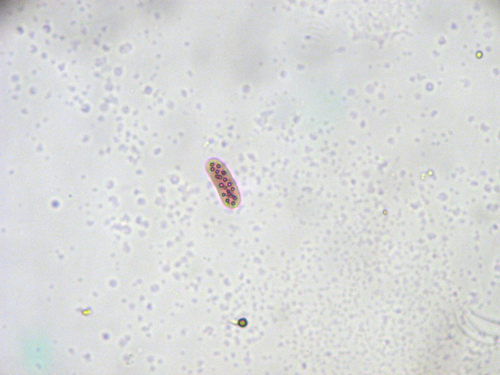
Chromatium is a genus of photoautotrophic Gram-negative bacteria which are found in water. The cells are straight rod-shaped or slightly curved. They belong to the purple sulfur bacteria and oxidize sulfide to produce sulfur which is deposited in intracellular granules of the cytoplasm.