Category
page 1Brand management

trademark
A trademark (also written trade mark or trade-mark) is a type of intellectual property that consists of a word, phrase, symbol, design, or combination thereof that identifies a product or service from a particular source and distinguishes it from others. Trademarks also extend to non-traditional marks like drawings, symbols, 3D shapes like product designs or packaging, sounds, scents, or specific colors used to create a unique identity. For example, Pepsi is a registered trademark associated with soft drinks, and the distinctive shape of the Coca-Cola bottle is a registered trademark protectin

brand
thumb|right|alt=Photograph of the Apple Store Omotesando in Tokyo, Japan|Apple Inc. was the world's most valuable brand in 2024 according to Brand Finance.
thumb|The Coca-Cola [[wordmark is a distinctive brand logo used to attract the attention of people attending a sporting event, or watching it on television.]]
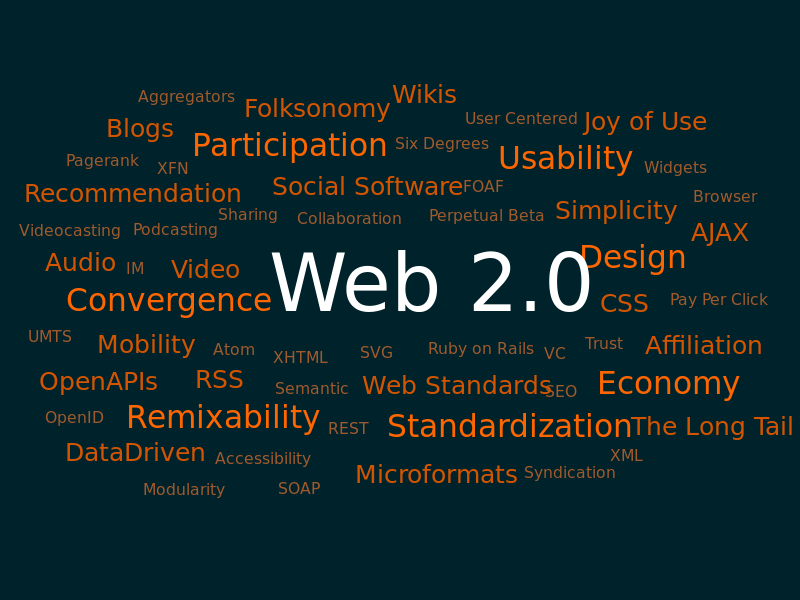
Web 2.0
World Wide Web sites that use technology beyond the static pages of earlier Web sites
.JPG)
mascot
thumb|Rolle the Clown, the mascot of the Linnanmäki|Linnanmäki amusement park in [[Helsinki, Finland]]
A mascot is any human, animal, or object thought to bring luck, or anything used to represent a group with a common public identity, such as a school, sports team, society, military unit, or brand name. Mascots are also used as fictional, representative spokespeople for consumer products.

planned obsolescence
practice of planning or designing a product with an artificially limited useful life
luxury good
type of desirable good
Growth-share matrix
BCG MATRIX
brand management
process of creating a relationship or a connection between a company's product and emotional perception of the customer for the purpose of generating differentiation from competition and building loyalty among customers
corporate identity
overall image of a corporation, firm or business in the minds of diverse publics, such as customers, investors and employees
private label
brand for goods manufactured under contract
trade name
name which a business trades under for commercial purposes
positioning
a marketing strategy to define the place a brand occupies in the minds of customers and how it distinguishes from competitor products
.jpg)
hallmark
thumb|A hallmark is Punch (tool)|punched into a section of a silver chain by a [[silversmith.]]
A hallmark is an official mark or series of marks struck on items made of metal, mostly to certify the content of noble metals—such as platinum, gold, silver and in some nations, palladium. In a more general sense, the term hallmark is used to refer to any standard of quality. Not to be confused with responsibility marks that are the marks of the maker.
generic trademark
trademark or brand name that has become the generic name for a class of product or service, sometimes resulting in loss of legal protection
TM-XML
The Trade Mark Extensible Markup Language (TM-XML) is an XML open standard for the trademark business and for the exchange of trademark information between the Industrial Property Offices and its partners or users.
product life-cycle management
successive marketing strategies as a product goes through its commericial appeal life-cycle

rebadging
In the automotive industry, rebadging (also known as badge engineering, an intentionally ironic misnomer in that little or no actual engineering takes place) is a form of market segmentation used by automobile manufacturers around the world. To allow for product differentiation without designing or engineering a new model or brand (at high cost or risk), a manufacturer creates a distinct automobile by applying a new "badge" or trademark (brand, logo, or manufacturer's name/make/marque) to an existing product line.
product management
organizational function within a company dealing with new product development, business justification, planning, verification, forecasting, pricing, product launch, and marketing of a product or products at all stages of the product lifecycle
product life-cycle
a period of time of a product being from inception, through engineering design and manufacture, to service and disposal
pink tax
form of economic discrimination that occurs when women are charged a higher price than men for equivalent goods or services

rebranding
thumb|Air Line Diner on Astoria Boulevard, Queens, New York City, partially rebranded as Jackson Hole Diner
customer experience
the product of an interaction between an organization and a customer over the duration of their relationship
professionalism
Professionalism is a set of standards that an individual is expected to adhere to in a workplace, usually in order to appear serious, uniform, and/or respectful. What constitutes professionalism is hotly debated and varies from workplace to workplace and between cultures. Professionalism is typically defined as a mix of professional ethics and dress code.
promotional model
model hired to drive consumer demand for a product, service, brand, or concept by directly interacting with potential consumers
brand equity
phrase used in marketing which describes the value of having a well-known brand name
product bundle
several products combined for sale as one product
employer branding
application of brand management to recruitment marketing and internal brand engagement
brand ambassador
Person employed by an organization or company to represent a brand in a positive light
nation branding
application of marketing techniques for the advancement of a country
Visual merchandising
marketing technique emphasizing 3D model displays
naming rights
financial transaction and form of advertising whereby a corporation or other entity purchases the right to name a facility or event, typically for a defined period of time
Integrated marketing communications
brand awareness
extent to which customers are able to recall or recognise a brand
G. E. multi factoral analysis
technique used in brand marketing and product management
country of origin
country of manufacture, production, or growth where an article or product comes from
wine label
brand loyalty
the positive feelings towards a brand and dedication to purchase the same product or service repeatedly, regardless of deficiencies, a competitor's actions or changes in the environment

wordmark
A wordmark or word mark is a text-only statement of the name of a product, service, company, organization, or institution that is used for purposes of identification and branding. A wordmark can be an actual word (e.g., Apple), a made-up term that reads like a word (e.g., iPhone), or an acronym, initialism, or series of letters (e.g., IBM). In some jurisdictions a wordmark may be trademarked, giving it legal distinction, and potentially additional protection of any artistic presentation.
Denominación de Origen
Whole-life cost
total cost of ownership over the life of an asset
category management
concept in retailing

white-label product
products produced by one company that other companies rebrand to make it appear as if they had made it
service mark
trademark used to identify a service rather than a tangible good
celebrity branding
form of advertising campaign or marketing strategy

co-branding
Co-branding is a marketing strategy that involves strategic alliance of multiple brand names jointly used on a single product or service.
branded content
entertainment product funded by an advertiser
project portfolio management
centralized management of the processes, methods, and technologies used by project managers and project management offices to analyze and collectively manage current or proposed projects based on numerous key characteristics
place branding
application of marketing techniques for the advancement of country subdivisions
visual identity
collection of visual and design elements used to represent a company, brand, or entity
nameplate
publication front page header
brand extension
marketing strategy
product lining
marketing strategy of offering several related products for sale simultaneously
retail design
creative and commercial discipline
sustainable packaging
sustainable packaging is an integral part of the "circular economy". Eco-friendly packaging uses raw materials and then restores them to their origins, minimizing waste of precious resources – like water and energy – necessary for their production
product life-cycle theory
7. Provide examples of products for each of the following IPLC stages. a. Local innovation b. Overseas innovation
product naming
discipline of deciding what a product will be called
Internet branding
brand managament technique

blind stamp
mark impressed into a print, photograph, or book by printers, artists, print workshops, or publishers as a distinguishing mark
Superbrands
The Superbrands organization publishes surveys related to brands. The organization also publishes a series of brand-focused books and publications. Superbrands has offices in 90 countries.

brand licensing
the renting or leasing of an intangible asset