Category
page 1Chemical pages without ChemSpiderID

penicillin

kerosene
right|thumb|upright|A kerosene bottle, containing blue-dyed kerosene

Escherichia coli
enteric, rod shaped, gram-negative bacterium

COVID-19 vaccine
vaccine against SARS-CoV-2 coronavirus

Betula pendula
species of plant

aqua regia
mixture of nitric acid and hydrochloric acid, in a molar ratio of 1:3

Pfizer–BioNTech COVID-19 vaccine
mRNA vaccine against COVID-19 from BioNTech in cooperation with Pfizer
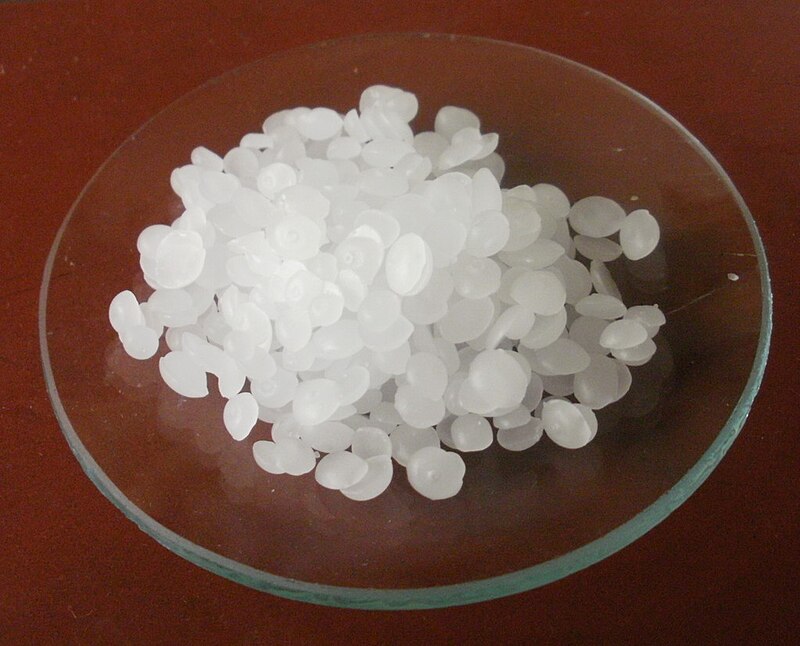
paraffin wax
waxy mixture of higher alkanes

Gam-COVID-Vac
Russian viral vector vaccine based on human adenovirus

mRNA-1273 vaccine
mRNA vaccine for COVID-19
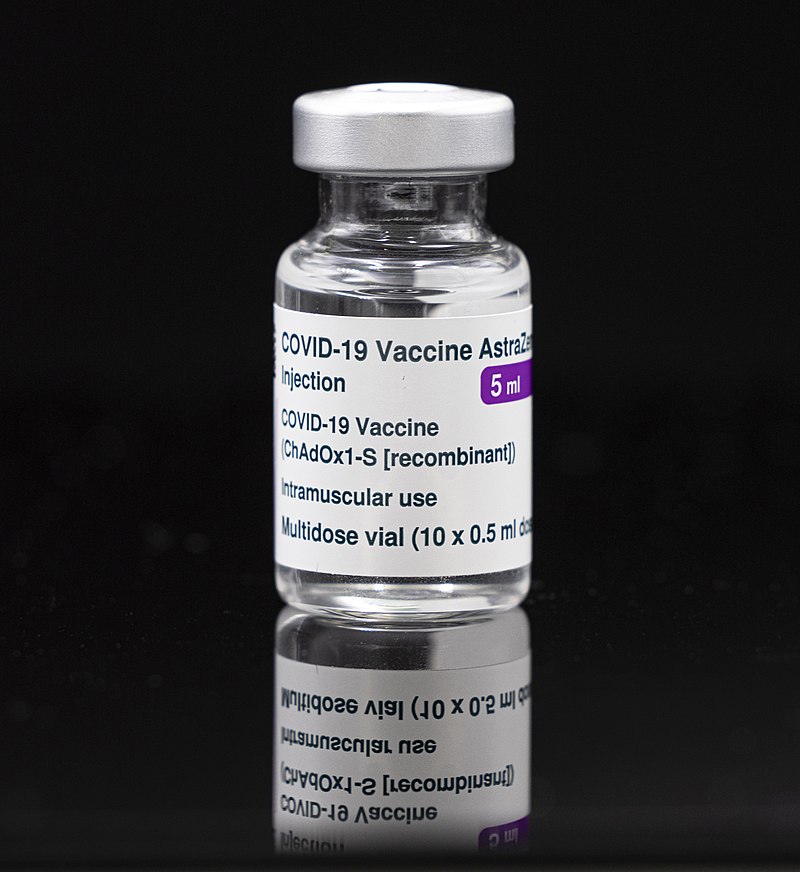
AZD1222
viral vector vaccine for prevention of COVID-19
![glyco-Lutropin [extracellular region] thumbnail](https://upload.wikimedia.org/wikipedia/commons/thumb/0/07/Protein_CGA_PDB_1dz7.png/800px-Protein_CGA_PDB_1dz7.png)
glyco-Lutropin [extracellular region]
instance of macromolecular complex in Homo sapiens with Reactome ID (R-HSA-378969)

thyroid-stimulating hormone
family of glycoprotein hormones in vertebrata

turpentine
Turpentine (which is also called spirit of turpentine, oil of turpentine, terebenthine, terebenthene, terebinthine and, colloquially, turps) is a fluid obtainable by the distillation of resin harvested from living trees, mainly pines. Principally used as a specialized solvent, it is also a source of material for organic syntheses.

Phleum pratense
species of grass

polychlorinated biphenyl
any chemical compound from a series of congeners based on biphenyl skeleton, differing from other compounds of this group by a number and position of chlorine atoms

soybean oil
oil from the seeds of Glycine max
hand sanitizer
alternative/supplement to hand washing. Destroys microorganisms/prevents transmission of pathogens

Ad26.COV2.S
COVID-19 vaccine of Johnson & Johnson

cementite
Cementite (or iron carbide) is a compound of iron and carbon, more precisely an intermediate transition metal carbide with the formula Fe3C. By weight, it is 6.67% carbon and 93.3% iron. It has an orthorhombic crystal structure. It is a hard, brittle material, normally classified as a ceramic in its pure form, and is a frequently found and important constituent in ferrous metallurgy. While cementite is present in most steels and cast irons, it is produced as a raw material in the iron carbide process, which belongs to the family of alternative ironmaking technologies. The name cementite origin

neoprene
Neoprene (also polychloroprene) is a family of synthetic rubbers that are produced by polymerization of chloroprene. Neoprene exhibits good chemical stability and maintains flexibility over a wide temperature range. Neoprene is sold either as solid rubber or in latex form and is used in a wide variety of commercial applications, such as laptop sleeves, orthopaedic braces (wrist, knee, etc.), electrical insulation, medical gloves, liquid and sheet-applied elastomeric membranes or flashings, and automotive fan belts.

Covaxin / BBV152

carbon black
chemical substance
oleum
Oleum (Latin oleum, meaning oil), or fuming sulfuric acid, is a term referring to solutions of various compositions of sulfur trioxide in sulfuric acid, or sometimes more specifically to disulfuric acid (also known as pyrosulfuric acid).

Vantablack
Vantablack is a class of super-black coatings with total hemispherical reflectances (THR) below 1% in the visible spectrum. The name is a compound of the acronym VANTA (vertically aligned nanotube arrays) and black.
azelaic acid
chemical compound
flavin mononucleotide
chemical compound
Lugol's iodine
mixture of water, iodine and potassium iodide
_2021_A.jpg)
CoronaVac

laudanum
Laudanum is a tincture of opium containing approximately 10% powdered opium by weight (the equivalent of 1% morphine). Laudanum is prepared by dissolving extracts from the opium poppy (Papaver somniferum) in alcohol (ethanol).
BBIBP-CorV
Chinese inactivated virus candidate vaccine against COVID-19
iron(II,III) oxide
chemical compound
indigotindisulfonate sodium
chemical compound
.jpg)
yellowcake
thumb|Yellowcake
Yellowcake (also called urania) is a type of powdered uranium concentrate obtained from leach solutions, representing an intermediate step in the processing of uranium ores. This material is produced after uranium mining but before either fuel fabrication or uranium enrichment. Yellowcake concentrates are created through various extraction and refining methods that vary depending on the ore types. The production involves milling and chemical processing of uranium ore, resulting in a coarse powder with a pungent odor that is insoluble in water. Yellowcake typically contains abo
carnauba wax
natural plant wax
benzyl benzoate
chemical compound
medical abortion
abortion induced non-surgically, through drugs
selenious acid
chemical compound
smallpox vaccine
first successful vaccine to be developed
Interleukin 2
mammalian protein found in Homo sapiens
benzalkonium chloride C8-18
mixture of chemical compounds
Hib vaccine
vaccine
tincture of iodine
antiseptic solution rubbed on skin before surgical operations
calcium phosphate
class of chemical compounds
LK-99
NVX-CoV2373
vaccine against COVID-19
Coomassie Brilliant Blue
chemical compound
coagulation factor IX
mammalian protein found in Homo sapiens
Raney nickel
fine nickel powder used as a catalyst

RTS,S
thumb|A poster advertising trials of the RTS,S vaccine
RTS,S/AS01 (trade name Mosquirix) is a recombinant protein-based malaria vaccine. It is one of two malaria vaccines approved (the other is R21/Matrix-M). , the vaccine has been given to 1million children living in areas with moderate-to-high malaria transmission, with millions more doses to be provided as the vaccine's production expands. 18 million doses have been allocated for 2023–2025. It requires at least three doses in infants by age 2, with a fourth dose extending the protection for another 1–2 years. The vaccine reduces hospital ad
sodium nitride
chemical compound
fecal bacteriotherapy
process of transplantation of fecal bacteria from a healthy individual into a recipient

poppers
Poppers are recreational drugs belonging to the alkyl nitrite family of chemical compounds. When fumes from these substances are inhaled, they act as potent vasodilators, producing mild euphoria, warmth, and dizziness. Most effects have a rapid onset and are short-acting. Its recreational use is believed to be potentially dangerous for people with heart problems, anaemia, or glaucoma. Reported adverse effects include fainting, retinal toxicity, and vision loss.
polyacrylonitrile
Polyacrylonitrile (PAN) is a synthetic, semicrystalline organic polymer resin, with the linear formula (CH2CHCN)n. Almost all PAN resins are copolymers with acrylonitrile as the main monomer. PAN is used to produce large variety of products including ultra filtration membranes, hollow fibers for reverse osmosis, fibers for textiles, and oxidized PAN fibers. PAN fibers are the chemical precursor of very high-quality carbon fiber. PAN is first thermally oxidized in air at 230 °C to form an oxidized PAN fiber and then carbonized above 1000 °C in inert atmosphere to make carbon fibers fo

phosphatidylinositols
Phosphatidylinositol or inositol phospholipid is a biomolecule. It was initially called "inosite" when it was discovered by Léon Maquenne and Johann Joseph von Scherer in the late 19th century. It was discovered in bacteria but later also found in eukaryotes, and was found to be a signaling molecule.
cord blood
blood in the placenta and umbilical cord blood
lopinavir/ritonavir
Lopinavir/ritonavir (LPV/r), sold under the brand name Kaletra among others, is a fixed-dose combination antiretroviral medication for the treatment and prevention of HIV/AIDS. It combines lopinavir with a low dose of ritonavir. It is generally recommended for use with other antiretrovirals. It may be used for prevention after a needlestick injury or other potential exposure. It is taken by mouth as a tablet, capsule, or solution.
nasal sprays
pharmacologic agents delivered into the nostrils in the form of a mist or spra
carmustine
Carmustine, sold under the brand name BiCNU among others, is a medication used mainly for chemotherapy. It is a nitrogen mustard β-chloro-nitrosourea compound used as an alkylating agent.

styrene-butadiene
Styrene-butadiene or styrene-butadiene rubber (SBR) describe families of synthetic rubbers derived from styrene and butadiene (the version developed by Goodyear is called Neolite). These materials have good abrasion resistance and good aging stability when protected by additives. In 2012, more than 5.4 million tonnes of SBR were processed worldwide. About 50% of car tires are made from various types of SBR. The styrene/butadiene ratio influences the properties of the polymer: with high styrene content, the rubbers are harder and less rubbery. SBR is not to be confused with the thermoplastic el