Category
page 1Deliriants

Datura stramonium
species of plant

Atropa bella-donna
species of toxic flowering plant in the nightshade family

Hyoscyamus niger
species of plant

Datura
Datura is a genus of nine species of highly poisonous, vespertine-flowering plants belonging to the nightshade family (Solanaceae). They are commonly known as thornapples or jimsonweeds, but are also known as '''devil's trumpets or mad apple''' (not to be confused with angel's trumpets, which are placed in the closely related genus Brugmansia). Other English common names include moonflower, '''devil's weed, and hell's bells'. All species of Datura'' are extremely poisonous and psychoactive, especially their seeds and flowers, which can cause respiratory depression, arrhythmias, fever, delirium

atropine
Atropine is a tropane alkaloid and anticholinergic medication used to treat certain types of nerve agent and pesticide poisonings as well as some types of slow heart rate, and to decrease saliva production during surgery. It is typically given intravenously or by injection into a muscle. Eye drops are also available which are used to treat uveitis and early amblyopia. The intravenous solution usually begins working within a minute and lasts half an hour to an hour. Large doses may be required to treat some poisonings.

L-scopolamine
Scopolamine, also known as hyoscine, or '''Devil's Breath''', is a medication used to treat motion sickness and postoperative nausea and vomiting. It is also sometimes used before surgery to decrease saliva. When used by injection, effects begin after about 20 minutes and last for up to 8 hours. It may also be used orally and as a transdermal patch since it has been long known to have transdermal bioavailability.

Brugmansia
Brugmansia is a genus of seven species of flowering plants in the nightshade family Solanaceae. They are woody trees or shrubs, with pendulous flowers, and have no spines on their fruit. Their large, fragrant flowers give them their common name of '''angel's trumpets''', adjacent to the nickname devil's trumpets of the closely related genus Datura.

Mandragora officinarum
species of plant
.jpg)
diphenhydramine
Diphenhydramine, sold under the brand name Benadryl among others, is an antihistamine and sedative. Although generally considered sedating, diphenhydramine can cause paradoxical central nervous system stimulation in some individuals, particularly at higher doses. This may manifest as agitation, anxiety, or restlessness rather than sedation. It is a first-generation H1-antihistamine and it works by blocking certain effects of histamine, which produces its antihistamine and sedative effects. Diphenhydramine is also a potent anticholinergic. It is mainly used to treat allergies, insomnia, and sym

Datura metel
species of plant, commonly known as devil's trumpet and metel
hyoscyamine
Hyoscyamine (also known as daturine or duboisine) is a naturally occurring tropane alkaloid and plant toxin. It is a secondary metabolite found in certain plants of the family Solanaceae, including henbane, mandrake, angel's trumpets, jimsonweed, the sorcerers' tree, and Atropa belladonna (deadly nightshade). It is the Levorotatory isomer of atropine.

dimenhydrinate
Dimenhydrinate, also known as diphenhydramine/8-chlorotheophylline salt and sold under the brand names Dramamine and Gravol, among others, is an over-the-counter medication used to treat motion sickness and nausea. Dimenhydrinate is a theoclate salt composed of diphenhydramine and 8-chlorotheophylline (a theophylline relative) in a 1:1 ratio.

doxylamine
Doxylamine is an antihistamine medication used to treat insomnia and allergies, and—in combination with pyridoxine (vitamin B6)—to treat morning sickness in pregnant women. It is available over-the-counter and is sold under such brand names as Equate or Unisom, among others; and it is used in nighttime cold medicines (e.g., NyQuil) and pain medications containing paracetamol (acetaminophen) or codeine to help with sleep. The medication is delivered chemically by the salt doxylamine succinate and is taken by mouth. Doxylamine and other first-generation antihistamines are the most widely used sl

Scopolia carniolica
species of plant

Datura innoxia
species of plant
3-quinuclidinyl-benzilate
chemical compound
-Pheniramin%20Structural%20Formula%20V1.svg)
pheniramine
Pheniramine (trade name Avil among others) is an antihistamine with anticholinergic properties used to treat allergic conditions such as hay fever or urticaria. It has relatively strong sedative effects, and may sometimes be used off-label as an over-the-counter sleeping pill in a similar manner to other sedating antihistamines such as diphenhydramine. Pheniramine is also commonly found in eyedrops used for the treatment of allergic conjunctivitis.

deliriant
thumb|The toxic berry of Atropa belladonna which contains the tropane deliriants [[scopolamine, atropine, and hyoscyamine.]]
benzatropine

Physochlaina
thumb|Coloured plate, 1831, of P. orientalis (as Hyoscyamus orientalis) by Margaret Roscoe

Datura wrightii
species of plant
tropane alkaloids
class of chemical compounds
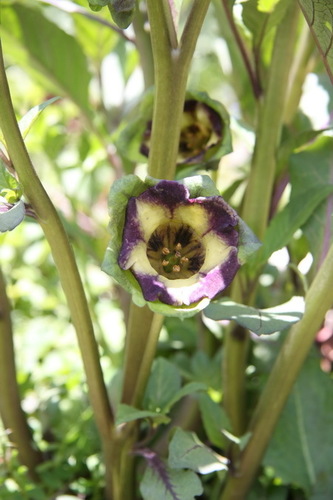
Anisodus tanguticus
species of plant
benactyzine
Benactyzine is an anticholinergic drug that was used in the treatment of clinical depression and anxiety disorders before it was pulled from the U.S. market by the FDA due to serious side effects.
mad honey
psychoactive type of honey containing grayanotoxins
mandrake
thumb|upright|The so-called "female" and "male" mandrakes, from a 1583 illustration
thumb|The flowers of [[Mandragora officinarum]]
thumb|A carved mandrake root, 16th or 17th century (Wellcome Collection)
Hyoscyameae
Hyoscyameae is an Old World tribe of the subfamily Solanoideae of the flowering plant family Solanaceae. It comprises seven genera: Anisodus, Atropa, Atropanthe, Hyoscyamus, Physochlaina, Przewalskia and Scopolia. The genera Atropanthe and Przewalskia are monotypic, the first being endemic to China and the second to Tibet.
EA-3167
EA-3167 is a potent and long-lasting anticholinergic deliriant drug, related to the chemical warfare agent 3-quinuclidinyl benzilate (QNB) and to the bronchodilator drug tiotropium bromide. It was developed under contract to Edgewood Arsenal during the 1960s as part of the US military chemical weapons program, in an attempt to develop non-lethal incapacitating agents. EA-3167 has identical effects to QNB (EA-2277), but is even more potent and longer-lasting, with an effective dose when administered by injection of as little as 2.5 μg/kg (i.e. 0.2 milligrams for an 80 kg person), and a dur
Ditran
Ditran (JB-329) is an anticholinergic drug mixture, related to the chemical warfare agent 3-Quinuclidinyl benzilate (QNB).
Ledol
Ledol is a poisonous sesquiterpene that can cause cramps, paralysis, and delirium. Caucasian peasants used Rhododendron plants for these effects in shamanistic rituals. Ledol resides in the essential oils of certain plants and when crushed, these oils are released. One of the plants with the highest concentration of these essential oils is Rhododendron tomentosum.
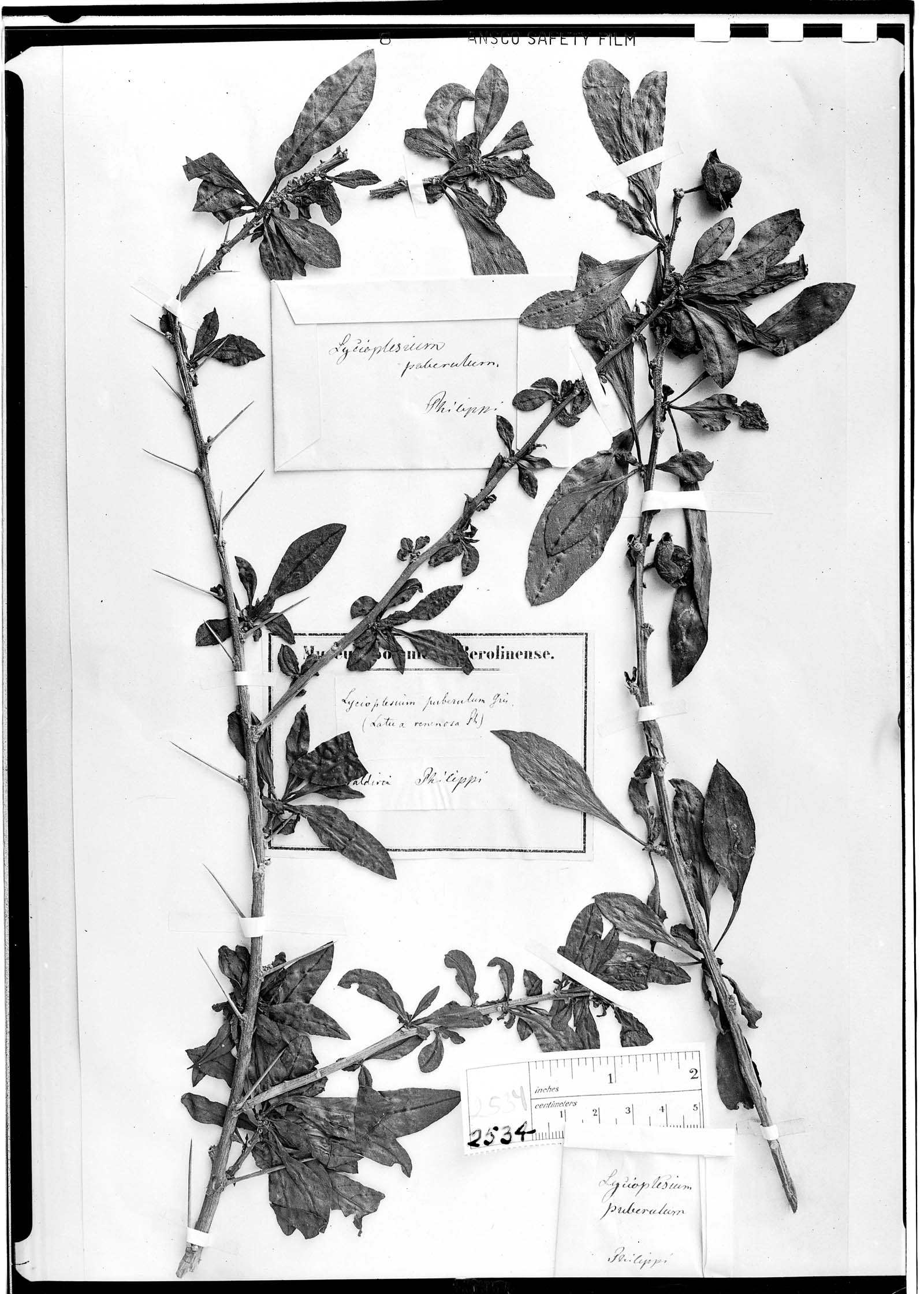
Latua
Latua pubiflora (common name in Spanish: árbol de los brujos, tree of the sorcerers) is the single species of the monotypic genus Latua, endemic to the coastal mountains of southern Chile. A shrub or small tree to 10 m in height, bearing attractive, magenta-to-red, hummingbird-pollinated flowers, it is extremely poisonous – hallucinogenic (deliriant) in smaller doses – due to tropane alkaloid content and is used by Chilean machi (shamans) of the Mapuche–Huilliche people in traditional medicine, as a poison and to enter trance states. Its elegant flowers and yellow tomato-like fruit are at