Category
page 1Diseases named after discoverers

leprosy
Leprosy, also known as '''Hansen's disease (HD'), is a long-term infection by the bacteria Mycobacterium leprae or Mycobacterium lepromatosis''. Infection can lead to damage of the nerves, respiratory tract, skin, and eyes. This nerve damage may result in the loss of nociception, which can lead to the loss of parts of a person's extremities from repeated injuries or infection through unnoticed wounds. An infected person may also experience muscle weakness and loss of eyesight. Leprosy symptoms may begin within one year or take 20 years or more.

Alzheimer's disease
progressive, neurodegenerative disease characterized by memory loss

Parkinson's disease
long-term degenerative neurological disorder

Down syndrome
chromosomal condition

Crohn's disease
type of inflammatory bowel disease

Tourette syndrome
neurodevelopmental condition

Huntington's disease
rare neurodegenerative disorder of the central nervous system characterized by unwanted choreatic movements, behavioral and psychiatric disturbances and dementia

Guillain–Barré syndrome
autoimmune disease that causes the immune system to attack part of the peripheral nervous system

Turner syndrome
chromosomal variation where a person is born with a 45X chromosome pattern rather than the typical 46XX

Addison's disease
adrenal cortical hypofunction that is characterized by insufficient steroid hormone production by the adrenal glands

Creutzfeldt-Jakob disease
degenerative neurological disorder

Sjögren's syndrome
hypersensitivity reaction type II disease affecting the exocrine glands
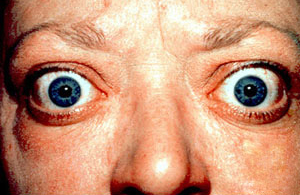
toxic diffuse goiter
endocrine disease
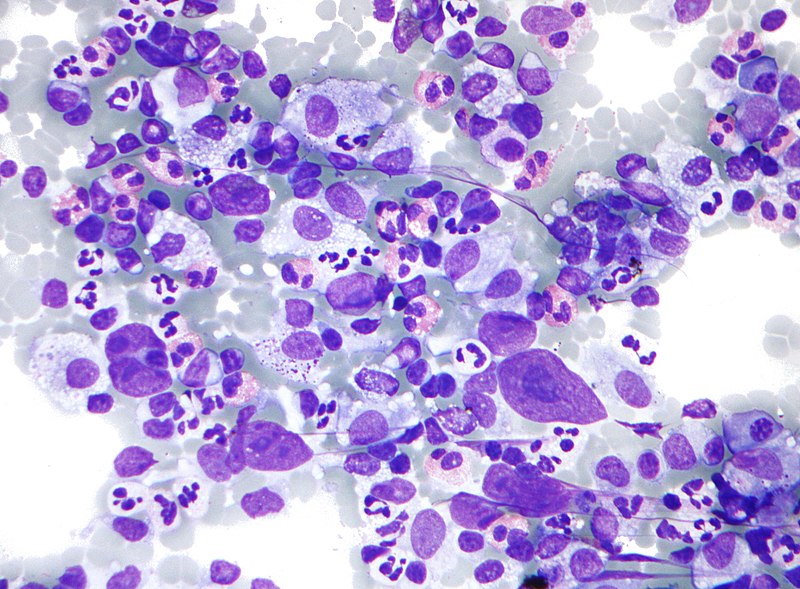
Hodgkin lymphoma
lymphoma that is marked classically by the presence of Reed-Sternberg cells

Klinefelter's syndrome
human chromosomal condition

Marfan syndrome
genetic disorder of the connective tissue

ankylosing spondylitis
type of arthritis in which there is long term inflammation of the joints of the spine

progeria
Progeria (also Hutchinson–Gilford syndrome or Hutchinson–Gilford progeroid syndrome; HGPS) is a type of progeroid syndrome. A single gene mutation is responsible for causing progeria. The affected gene, known as lamin A (LMNA), makes a protein necessary for holding the cell nucleus together. When this gene mutates, an abnormal form of lamin A protein called progerin is produced. Progeroid syndromes are a group of diseases that cause individuals to age faster than usual. People born with progeria typically live until their mid- to late-teens or early twenties. Severe cardiovascular complication

Cushing's syndrome
adrenal gland overactivity caused by a tumor of the pituitary gland or by medication

chronic thyroiditis
autoimmune disease

Kawasaki disease
human disease in which blood vessels throughout the body become inflamed
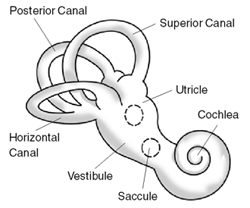
Meniere's disease
disorder of the inner ear, characterized by potentially severe and incapacitating episodes of vertigo, tinnitus, hearing loss, and a feeling of fullness in the ear

Bell's palsy
facial paralysis resulting from dysfunction in the cranial nerve VII (facial nerve)

Ehlers-Danlos syndrome
group of genetic connective tissue disorders

Edwards syndrome
human disease

Raynaud syndrome
medical condition in which spasm of arteries cause episodes of reduced blood flow
Reye syndrome
syndrome characterized by acute brain damage and liver function problems
Prader–Willi syndrome
rare genetic disorder
Tay-Sachs disease
Human medical condition
Patau syndrome
human disease
Treacher Collins syndrome
human genetic disorder
Peyronie's disease
Human disease
nephroblastoma
rare disease
Charcot–Marie–Tooth disease
neuromuscular disease that is characterized by a slowly progressive degeneration of the muscles of the foot, lower leg, hand and forearm
Stevens–Johnson syndrome
skin disease
Gaucher's disease
human disease characterized by deficiency of the enzyme glucocerebrosidase which results in the accumulation of harmful quantities of the glycolipid glucocerebroside throughout the body
Behçet's disease
rare immune-mediated small-vessel systemic vasculitis in humans
Arnold-Chiari malformation
human disease
Henoch-Schoenlein purpura
Human disease
Alport syndrome
monogenic disease characterized by glomerulonephritis, endstage kidney disease, and hearing loss
von Economo's disease
atypical form of encephalitis
Fabry disease
rare human genetic lysosomal storage disorder
Noonan syndrome
congenital, genetically widespread disease considered to be a type of dwarfism affecting boys and girls equally
Legg–Calvé–Perthes disease
osteochondrosis that results in death and fracture located in hip joint
Paget's disease of bone
bone formation disease that has material basis in hyperactive osteoclast which results in abnormal osteoblast bone formation located in skull, located in pelvis, located in vertebral column, located in set of limbs
Osgood-Schlatter's disease
osteochondrosis
Kallmann syndrome
form of hypogonadotropic hypogonadism which is also accompanied by a total lack or partial loss in the sense of smell. The condition affects people with XX or XY chromosomes and causes atypical puberty and infertility
Friedreich ataxia
Human disease
Churg-Strauss syndrome
a systemic vasculitis realized as blood vessel inflammation, with symptoms asthma along with hay fever, rash and gastrointestinal bleeding
folie à deux
shared psychosis, a psychiatric syndrome in which symptoms of a delusional belief are transmitted from one individual to another
adhesions of uterus
adhesions or fibrosis of endometrium of uterus
Usher syndrome
syndrome characterized by a combination of hearing loss and visual impairment
Krabbe disease
congenital disorder of the nervous system
Ganser syndrome
rare dissociative disorder previously classified as a factitious disorder
Niemann-Pick disease
severe metabolic disorders in which sphingomyelin accumulates in lysosomes in cells
Peutz-Jeghers syndrome
autosomal dominant genetic disorder characterized by the development of benign hamartomatous polyps in the gastrointestinal tract and hyperpigmented macules on the lips and oral mucosa (melanosis)
mucopolysaccharidosis II
mucopolysaccharidosis characterized by a deficiency of the lysosomal enzyme iduronate sulfatase
Morquio syndrome
rare disease
Cornelia de Lange syndrome
genetic disease
Werner syndrome
Lethal autosomal recessive disorder