Category
page 1E-number additives

gold
Gold is a chemical element; its chemical symbol is Au (from Latin ) and atomic number 79. In its pure form, it is a bright-metallic-yellow, dense, soft, malleable, and ductile metal. Chemically, gold is a transition metal, a group 11 element, and one of the noble metals. It is one of the least reactive chemical elements, being the second lowest in the reactivity series, with only platinum ranked as less reactive. Gold is solid under standard conditions.

hydrogen
Hydrogen is a chemical element; it has the symbolH and atomic number1. It is the lightest and most abundant chemical element in the universe, constituting about 75% of all normal matter. Under standard conditions, hydrogen is a gas of diatomic molecules with the formula, called dihydrogen, or sometimes hydrogen gas, molecular hydrogen, or simply hydrogen. Dihydrogen is colorless, odorless, non-toxic, and highly combustible. Stars, including the Sun, mainly consist of hydrogen in a plasma state, while on Earth, hydrogen is found as the gas (dihydrogen) and in molecules, such as in water and org

silver
Silver is a chemical element; it has symbol Ag () and atomic number 47. A soft, whitish-gray, lustrous transition metal, it exhibits the highest electrical conductivity, thermal conductivity, and reflectivity of any metal. Silver is found in the Earth's crust in the pure, free elemental form ("native silver"), as an alloy with gold and other metals, and in minerals such as argentite and chlorargyrite. Most silver is produced as a byproduct of copper, gold, lead, and zinc refining.

oxygen
Oxygen is a chemical element; it has the symbolO and its atomic number is8. It is a member of the chalcogen group in the periodic table. It is highly reactive, a nonmetal, and a potent oxidizing agent that readily forms oxides with most elements as well as with other compounds. Oxygen is the most abundant element in Earth's crust, making up almost half of the Earth's crust in the form of various oxides such as water, carbon dioxide, iron oxides, and silicates. It is also the third-most abundant element in the universe after hydrogen and helium.

aluminium

helium
Helium (from ) is a chemical element; it has symbol He and atomic number 2. It is a colorless, odorless, non-toxic, inert, monatomic gas and the first in the noble gas group in the periodic table. Its boiling point is the lowest among all the elements, and it does not have a melting point at standard pressures. It is the second-lightest and second-most abundant element in the observable universe, after hydrogen. It is present at about 24% of the total elemental mass, which is more than 12 times the mass of all the heavier elements combined. Its abundance is similar to this in both the Sun and

nitrogen
Nitrogen is a chemical element; it has symbol N and atomic number 7. Nitrogen is a nonmetal and the lightest member of group 15 of the periodic table, often called the pnictogens. It is a common element in the universe, estimated at seventh in total abundance in the Milky Way and the Solar System. At standard temperature and pressure, two atoms of the element bond to form N2, a colourless and odourless diatomic gas. N2 forms about 78% of Earth's atmosphere, making it the most abundant chemical species in air. Because of the volatility of nitrogen compounds, nitrogen is relatively rare in the s
argon
Argon is a chemical element; it has symbol Ar and atomic number 18. It is in group 18 of the periodic table and is a noble gas. Argon is the third most abundant gas in Earth's atmosphere, at 0.934% (9340 ppmv). It is more than twice as abundant as water vapor (which averages about 4000 ppmv, but varies greatly), 23 times as abundant as carbon dioxide (400 ppmv), and more than 500 times as abundant as neon (18 ppmv). Argon is the most abundant noble gas in Earth's crust, comprising 0.00015% of the crust.

carbon dioxide
chemical compound

Salvia rosmarinus
Salvia rosmarinus, synonym Rosmarinus officinalis, commonly known as rosemary, is a shrub with fragrant, evergreen, needle-like leaves and purple or sometimes white, pink, or blue flowers. It is a member of the mint family, Lamiaceae.

vitamin C
nutrient found in citrus fruits and other foods

sulfuric acid
chemical compound

chlorophyll
Chlorophyll is any of several related green pigments found in cyanobacteria and in the chloroplasts of algae and plants. Its name is derived from the Greek words (, "pale green") and (, "leaf"). Chlorophyll allows plants to absorb energy from light. Those pigments are involved in oxygenic photosynthesis, as opposed to bacteriochlorophylls, related molecules found only in bacteria and involved in anoxygenic photosynthesis.

Amaranthus
Amaranthus is a genus of plants commonly known as amaranths. Some species are known by variants of the common name "pigweed". Some members are annual and others are perennial. The plant can grow from tall with a succulent, hollow stem. Parts of the plant vary from green to reddish. Catkin-like cymes of densely packed flowers grow in the summer or fall.

acetic acid
chemical compound

cellulose
Cellulose is an organic compound with the formula , a polysaccharide consisting of a linear chain of several hundred to many thousands of β(1→4) linked D-glucose units. Cellulose is an important structural component of the cell walls of green plants, many forms of algae, and the oomycetes. Some species of bacteria secrete it to form biofilms. Cellulose is the most abundant organic polymer on Earth. The cellulose content of cotton fibre is 90%, that of wood is 40–50%, and that of dried hemp is approximately 57%.

hydrochloric acid
highly corrosive, strong mineral acid in aqueous solution

sodium bicarbonate
chemical compound

sodium hydroxide
chemical compound

urea
Urea, also called carbamide (because it is a diamide of carbonic acid), is an organic compound with chemical formula . This amide has two amino groups (−) joined by a carbonyl functional group (−C(=O)−). It is thus the simplest amide of carbamic acid.

calcium carbonate
chemical compound

citric acid
weak organic acid

riboflavin
Riboflavin, also known as vitamin B2, is a vitamin found in food and sold as a dietary supplement. It is essential to the formation of two major coenzymes, flavin mononucleotide and flavin adenine dinucleotide. These coenzymes are involved in energy metabolism, cellular respiration, and antibody production, as well as normal growth and development. The coenzymes are also required for the metabolism of niacin, vitamin B6, and folate. Riboflavin is prescribed to treat corneal thinning, and taken orally, may reduce the incidence of migraine headaches in adults.

silicon dioxide
chemical compound

potassium nitrate
chemical compound

glycine
thumb|Glycine ball and stick model spinning
Glycine (symbol Gly or G; ) is an organic compound with the formula C2H5NO2, and is the simplest stable amino acid, distinguished by having a single hydrogen atom as its side chain. As one of the 20 proteinogenic amino acids, glycine is a fundamental building block of proteins in all life and is encoded by all codons starting with GG (GGU, GGC, GGA, and GGG). Because of its minimal side chain, it is the only common amino acid that is not chiral, meaning it is superimposable on its mirror image.

glycerol
Glycerol () is a sugar alcohol with chemical formula . It has three carbon atoms and as many hydroxyl groups. It is a colorless, odorless, sweet-tasting, viscous liquid at Standard Ambient Temperature and Pressure (SATP). Because of its three hydroxyl groups, glycerol is miscible with water and is hygroscopic in nature.

sulfur dioxide
chemical compound

sodium carbonate
chemical compound

butane
Butane () is an alkane with the formula C4H10. Butane exists as two isomers, n-butane, and iso-butane, . Both isomers are highly flammable, colorless, easily liquefied gases that quickly vaporize at room temperature and pressure. Butanes are a trace component of natural gases, which contain higher concentrations of other hydrocarbons such as propane, ethane, and especially methane. Liquefied petroleum gas is a mixture of propane and some butanes.

propane
thumb|A 20 lb () steel propane cylinder. This cylinder is fitted with an overfill prevention device (OPD) valve, as evidenced by the trilobular handwheel.
Propane () is a three-carbon chain alkane with the molecular formula . It is a gas at standard temperature and pressure, but becomes liquid when compressed for transportation and storage. A by-product of natural gas processing and petroleum refining, it is often a constituent of liquefied petroleum gas (LPG), which is commonly used as a fuel in domestic and industrial applications and in low-emissions public transportation; other constituent

fatty acid
carboxylic acid with a long aliphatic chain, either saturated or unsaturated

DL-lactic acid
group of stereoisomers

talc
Talc, or talcum, is a clay mineral composed of hydrated magnesium silicate, with the chemical formula . Talc in powdered form, often combined with corn starch, is used as baby powder. This mineral is used as a thickening agent and lubricant. It is an ingredient in ceramics, paints, and roofing material. It is a main ingredient in many cosmetics. It occurs as foliated to fibrous masses, and in an exceptionally rare crystal form. It has a perfect basal cleavage and an uneven flat fracture, and it is foliated with a two-dimensional platy form.
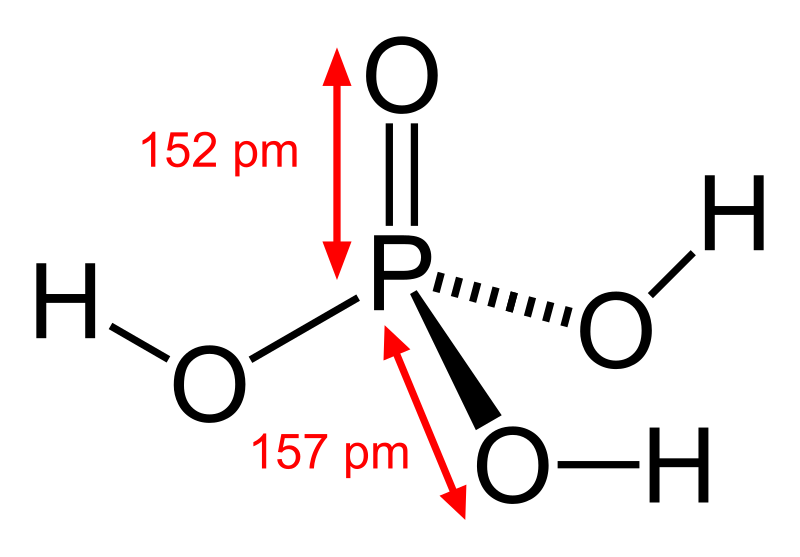
phosphoric acid
chemical compound

agar
thumb|Green tea-flavored yōkan, a popular Japanese red bean jelly made from agar
thumb|A blood agar plate used to culture bacteria and diagnose infection

calcium hydroxide
chemical compound

beeswax
thumb|right|Bee hive wax complex
thumb|right|Beeswax cake
thumb|Commercial honeycomb foundation, made by pressing beeswax between patterned metal rollers

monosodium L-glutamate
chemical compound, flavor enhancer

calcium oxide
chemical compound

orthoboric acid
chemical compound
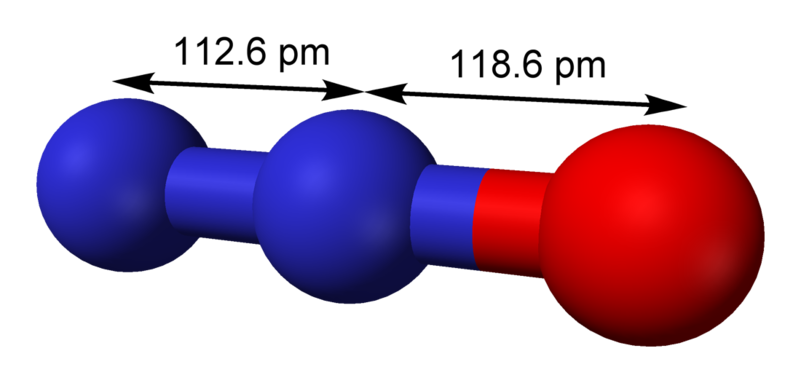
nitrous oxide
chemical compound

DL-glutamic acid
amino acid and neurotransmitter

borax
Borax (also referred to as sodium borate, tincal () and tincar ()) is a salt (ionic compound) normally encountered as a hydrated borate of sodium, with the chemical formula . Borax mineral is a crystalline borate mineral that occurs in only a few places worldwide in quantities that enable it to be mined economically.
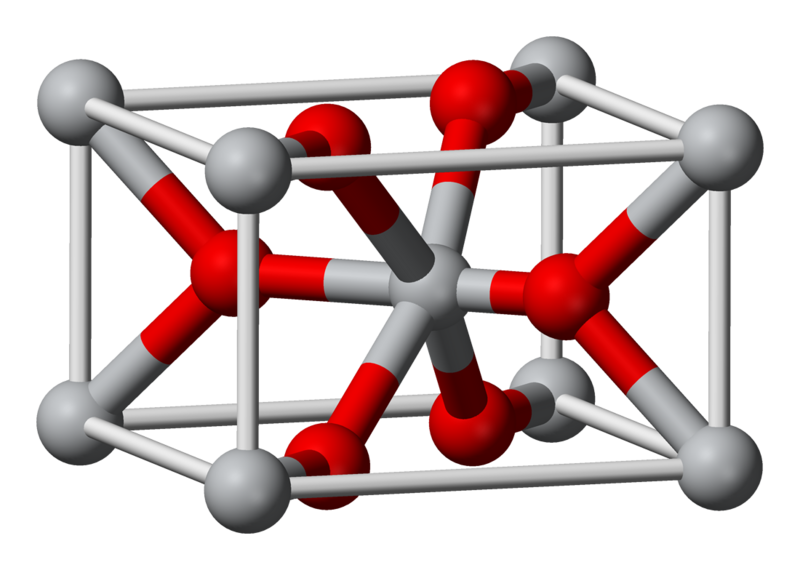
titanium dioxide
chemical compound

potassium hydroxide
inorganic compound with the formula KOH

L-leucine
thumb|Leucine ball and stick model spinning
Leucine or leucin (symbol Leu or L) is an essential amino acid that is used in the biosynthesis of proteins. Leucine is an α-amino acid, meaning it contains an α-amino group (which is in the protonated −NH3+ form under biological conditions), an α-carboxylic acid group (which is in the deprotonated −COO− form under biological conditions), and a side chain isobutyl group, making it a non-polar aliphatic amino acid. It is essential in humans, meaning the body cannot synthesize it; it must be obtained from the diet. Human dietary sources are foods that

potassium chloride
chemical compound

L-Cysteine
thumb|Cysteine ball and stick model spinning
Cysteine (; symbol Cys or C) is a semiessential proteinogenic amino acid with the formula . The thiol side chain in cysteine enables the formation of disulfide bonds, and often participates in enzymatic reactions as a nucleophile. Cysteine is chiral, but both D and L-cysteine are found in nature. LCysteine is a protein monomer in all biota, and D-cysteine acts as a signaling molecule in mammalian nervous systems. Cysteine is named after its discovery in urine, which comes from the urinary bladder or cyst, from Greek κύστις kýstis, "bladder".

carotene
thumb|upright=1.4|A 3-dimensional stick diagram of β-carotene
thumb|Carotene is responsible for the orange colour of carrots and the colours of many other fruits and vegetables and even some animals.
thumb|Lesser flamingo|Lesser flamingos in the [[Ngorongoro Crater, Tanzania. The pink colour of wild flamingos is due to astaxanthin (a carotenoid) they absorb from their diet of brine shrimp. If fed a carotene-free diet they become white.]]
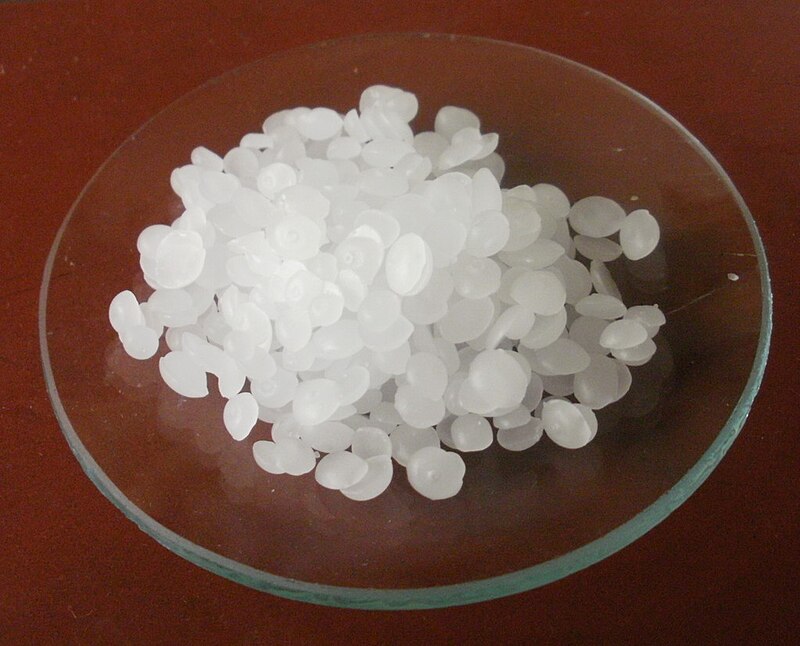
paraffin wax
waxy mixture of higher alkanes

aspartame
Aspartame is an artificial, non-saccharide sweetener commonly used as a sugar substitute in foods and beverages. It is 200 times sweeter than sucrose, and is a methyl ester of the aspartic acid/phenylalanine dipeptide with brand names NutraSweet, Equal, and Canderel. Discovered in 1965, aspartame was approved by the US Food and Drug Administration (FDA) in 1974 and re-approved in 1981 after its initial approval was briefly revoked.

sodium sulfate
chemical compound

calcium chloride
chemical compound

pectin
thumb|Commercially produced powder of pectin, extracted from citrus fruits
Pectin ( : 'congealed' and 'curdled') is a heteropolysaccharide, a structural polymer contained in the cell walls and middle lamellae of terrestrial plants. The principal chemical component of pectin is galacturonic acid (a sugar acid derived from galactose) which was isolated and described by Henri Braconnot in 1825. Commercially produced pectin is a white-to-light-brown powder, produced from citrus fruits for use as an edible gelling agent, especially in jams and jellies, dessert fillings, medications, and sweets; as

magnesium oxide
chemical compound naturally occurring as periclase

benzoic acid
chemical compound

ammonium sulfate
chemical compound

tartaric acid
C4-organic acid with different stereoisomers

succinic acid
dicarboxylic acid