Category
page 1Edible nuts and seeds

common sunflower
species of flowering plant in the family of Asteraceae

Prunus amygdalus
The almond (Prunus amygdalus, syn. Prunus dulcis (Mill.) D.A.Webb, nom. illeg. non Prunus dulcis Rouchy) is a species of tree from the genus Prunus. Along with the peach, it is classified in the subgenus Amygdalus, distinguished from the other subgenera by corrugations on the woody shell (endocarp) surrounding the seed.

nut
in botany, type of dry indehiscent fruit

peanut
The peanut (Arachis hypogaea), also known as the groundnut, goober (US, via Kikongo), goober pea, pindar (US, via Kikongo) or monkey nut (UK), is a legume crop grown mainly for its edible seeds, contained in underground pods. It is widely grown in the tropics and subtropics by small and large commercial producers, both as a grain legume and as an oil crop. Underground fruiting (geocarpy) is atypical among legumes, which led botanist Carl Linnaeus to name the species hypogaea, from Greek 'under the earth'.

pumpkin
thumb|upright=1.4|A pile of pumpkins at the French Market in New Orleans, Louisiana
thumb|upright=1.4|A variety of pumpkin cultivars. The central and rightmost orange fruits are Cucurbita pepo, all others are [[Cucurbita maxima]]
thumb|upright=1.4|A field of giant pumpkins

Sesamum indicum
Sesame (; Sesamum indicum) is a plant in the genus Sesamum, also called benne. Numerous wild relatives occur in Africa and a smaller number in India. It is widely naturalized in tropical regions around the world and is cultivated for its edible seeds, which grow in pods. World production in 2018 was , with Sudan, Myanmar, and India as the largest producers.

Foeniculum vulgare
Fennel (Foeniculum vulgare) is a flowering plant species in the carrot family. It is a hardy, perennial herb with yellow flowers and feathery leaves. It is indigenous to the shores of the Mediterranean but has become widely naturalized in many parts of the world, especially on dry soils near the sea coast and on riverbanks.
.svg)
Cashew
Cashew is the common name of a tropical evergreen tree Anacardium occidentale, in the family Anacardiaceae. It is the source of the cashew nut (often simply called a 'cashew') and the cashew apple. The tree can grow as tall as .

Castanea
Chestnuts are the deciduous trees and shrubs in the genus Castanea, in the beech family Fagaceae. The name also refers to the edible nuts they produce. They are native to temperate regions of the Northern Hemisphere.
.jpg)
Fagus
Beech (genus Fagus) is a genus of deciduous trees in the family Fagaceae, native to subtropical (accessory forest element) and temperate (as dominant element of mesophytic forests) Eurasia and North America. There are 14 accepted species in two distinct subgenera, Englerianae and Fagus. The subgenus Englerianae is found only in East Asia, distinctive for its low branches, often made up of several major trunks with yellowish bark. The better known species of subgenus Fagus are native to Europe, western and eastern Asia and eastern North America.
.jpg)
Brassica napus
Rapeseed ('''Brassica napus subsp. napus), also known as rape and oilseed rape and canola''', is a yellow-flowered member of the Brassicaceae family.

Juglans regia
species of plant

Pistacia vera
The pistachio (, ; Pistacia vera) is a small to medium-sized tree of the cashew family. The tree produces seeds that are widely consumed as food. Pistachios are eaten whole, and can be used as an ingredient in desserts, chocolate, candy, ice cream, and as a paste or butter. As a tree nut, pistachios are considered a priority allergen that may induce allergic reactions in susceptible people.
.jpg)
Juglans
Walnut trees are any species of tree in the plant genus Juglans, the type genus of the family Juglandaceae, the seeds of which are referred to as walnuts. All species are deciduous trees, tall, with pinnate leaves , with 5–25 leaflets; the shoots have chambered pith, a character shared with the wingnuts (Pterocarya), but not the hickories (Carya) in the same family.

acorn
thumb|English oak acorn
thumb|Acorns of the willow oak in South Carolina (from small to large, counterclockwise from center): Q. phellos (willow oak), Q. falcata (southern red oak; top right), Q. alba (white oak), and Q. coccinea (scarlet oak). Scale bar at upper right is 1 cm.

Castanea sativa
species of plant

Corylus
thumb|right|Young male catkins of Corylus avellana

Fagus sylvatica
species of beech tree

Chenopodium album
species of plant

walnut
thumb|Walnuts

drupe
250px|thumb|Diagram of a typical drupe (peach), showing both [[fruit and seed]]
right|thumb|300px|The development sequence of a typical drupe, a smooth-skinned (Peach#Nectarines|nectarine) type of peach (Prunus persica) over a -month period, from bud formation in early winter to fruit ripening in midsummer

Pinus pinea
species of plant

grain
thumb|upright=1.35|Various food grains at a market in IndiaA grain is a small, hard, dry fruit (caryopsis) – with or without an attached hull layer – harvested for human or animal consumption. A grain crop is a grain-producing plant. The two main types of commercial grain crops are cereals and legumes.
%20-%20whole%20with%20kernels.jpg)
hazelnut
thumb|Ripe hazelnuts

Salvia hispanica
species of plant

Citrullus colocynthis
species of plant in the family Cucurbitaceae

Carya illinoinensis
The pecan ( , , ; Carya illinoinensis) is a species of hickory native to the Southern United States and northern Mexico in the region of the Mississippi River.

Bertholletia excelsa
species of plant, Brazil nut

Araucaria araucana
species of plant
.jpg)
Macadamia
Macadamia is a genus of four species of trees in the flowering plant family Proteaceae. They are indigenous to Australia—specifically, northeastern New South Wales and central and southeastern Queensland. Two species of the genus are commercially important for their fruit, the macadamia nut (or simply macadamia). Global production in 2025 was . Other names include Queensland nut, bush nut, maroochi nut or bauple nut. It was an important source of bushfood for the Aboriginal peoples.

pine nut
edible seeds of certain species of pines
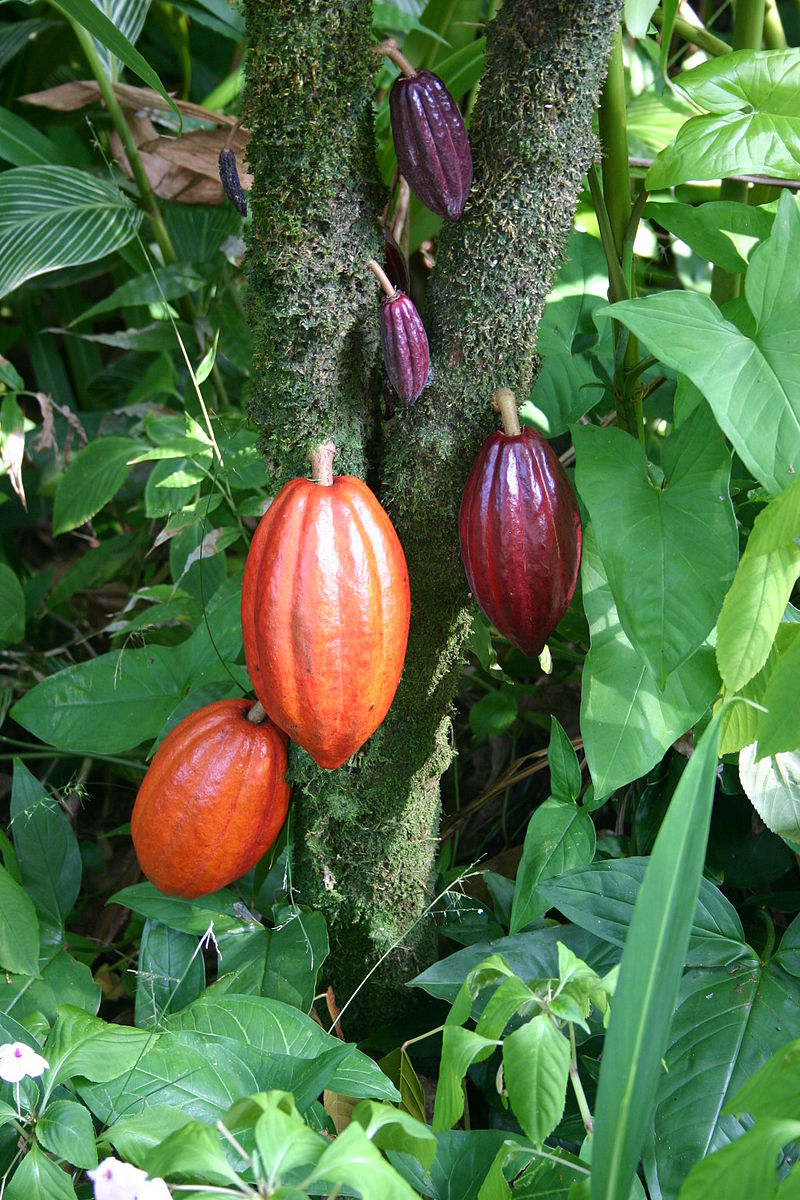
cocoa bean
fatty seed of Theobroma cacao which is the basis of chocolate

Pinus cembra
species of plant, Swiss pine

Pistacia
thumb|Mastic resin from Pistacia lentiscus
Pistacia is a genus of flowering plants in the cashew family, Anacardiaceae. It contains 10 to 20 species that are native to Africa and Eurasia from the Canary Islands, all of Africa, and southern Europe, warm and semidesert areas across Asia, and North America from Guatemala to Mexico, as well as southern Texas.

Trapa natans
species of plant

Pinus sibirica
species of plant
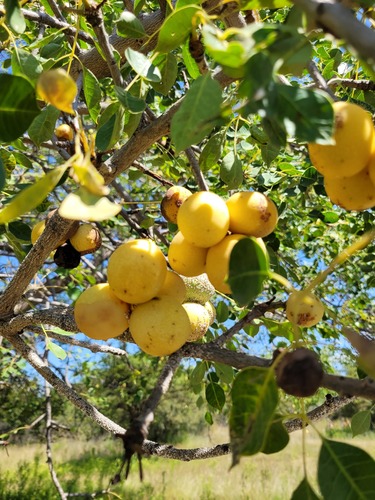
Sclerocarya birrea
species of plant

Cyperus esculentus
species of plant in the sedge family Cyperaceae

Piper cubeba
species of plant

Pinus pumila
species of pine
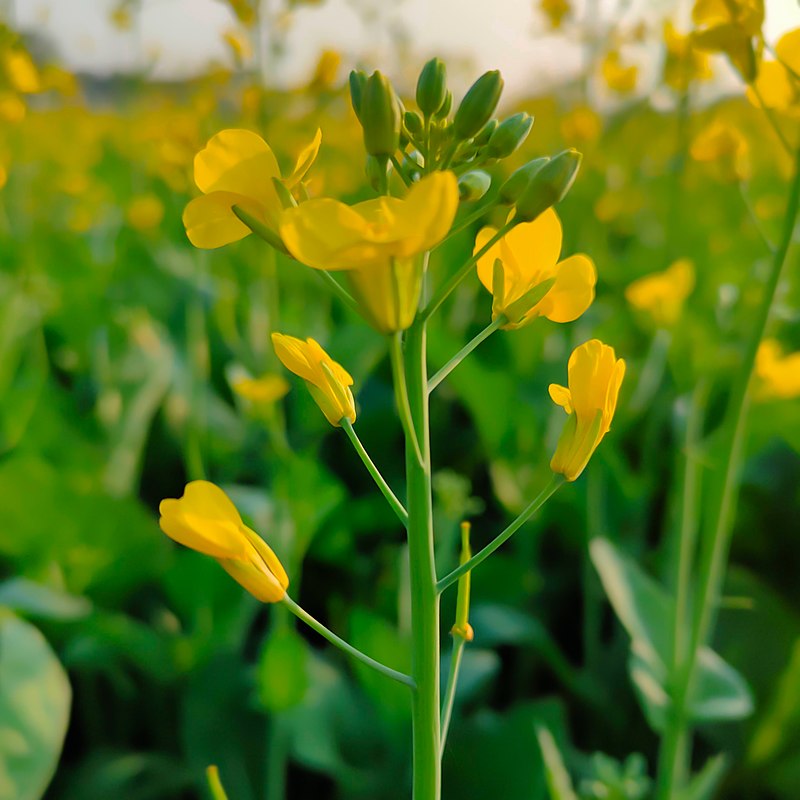
mustard plant
plants used for mustard

Juglans nigra
species of plant

Aleurites moluccanus
species of tree in the family Euphorbiaceae

Carya
Hickory is a common name for trees composing the genus Carya, which includes 19 species accepted by Plants of the World Online.

nutcracker
thumb|Using a nutcracker
A nutcracker is a tool designed to open nuts by cracking their shells. There are many designs, including levers, screws, and ratchets. The lever version is also used for cracking lobster and crab shells.

Araucaria angustifolia
species of plant

areca nut
the seed of the areca palm

coffee bean
seed of the coffee plant

Corylus maxima
species of plant
sunflower seed
fruit of the sunflower (Helianthus annuus)

Prunus virginiana
species of plant

Pinus lambertiana
species of evergreen tree
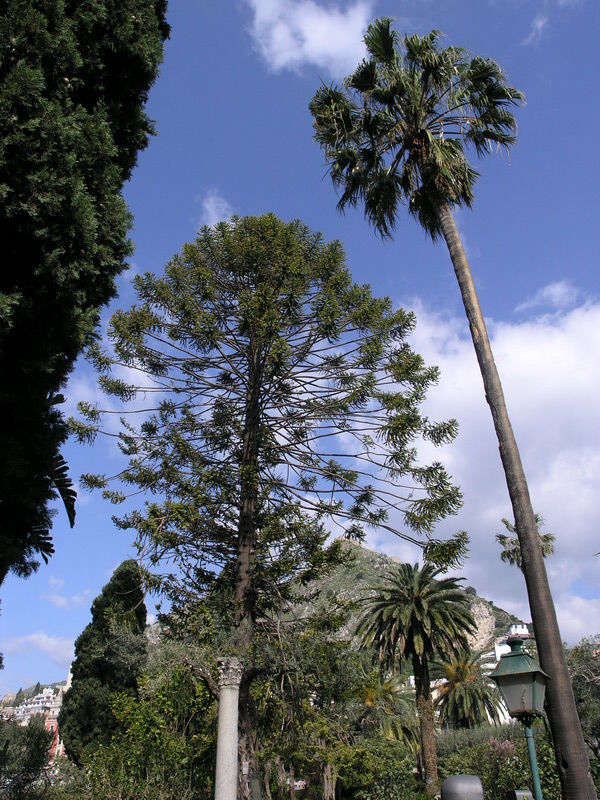
Araucaria bidwillii
species of conifer
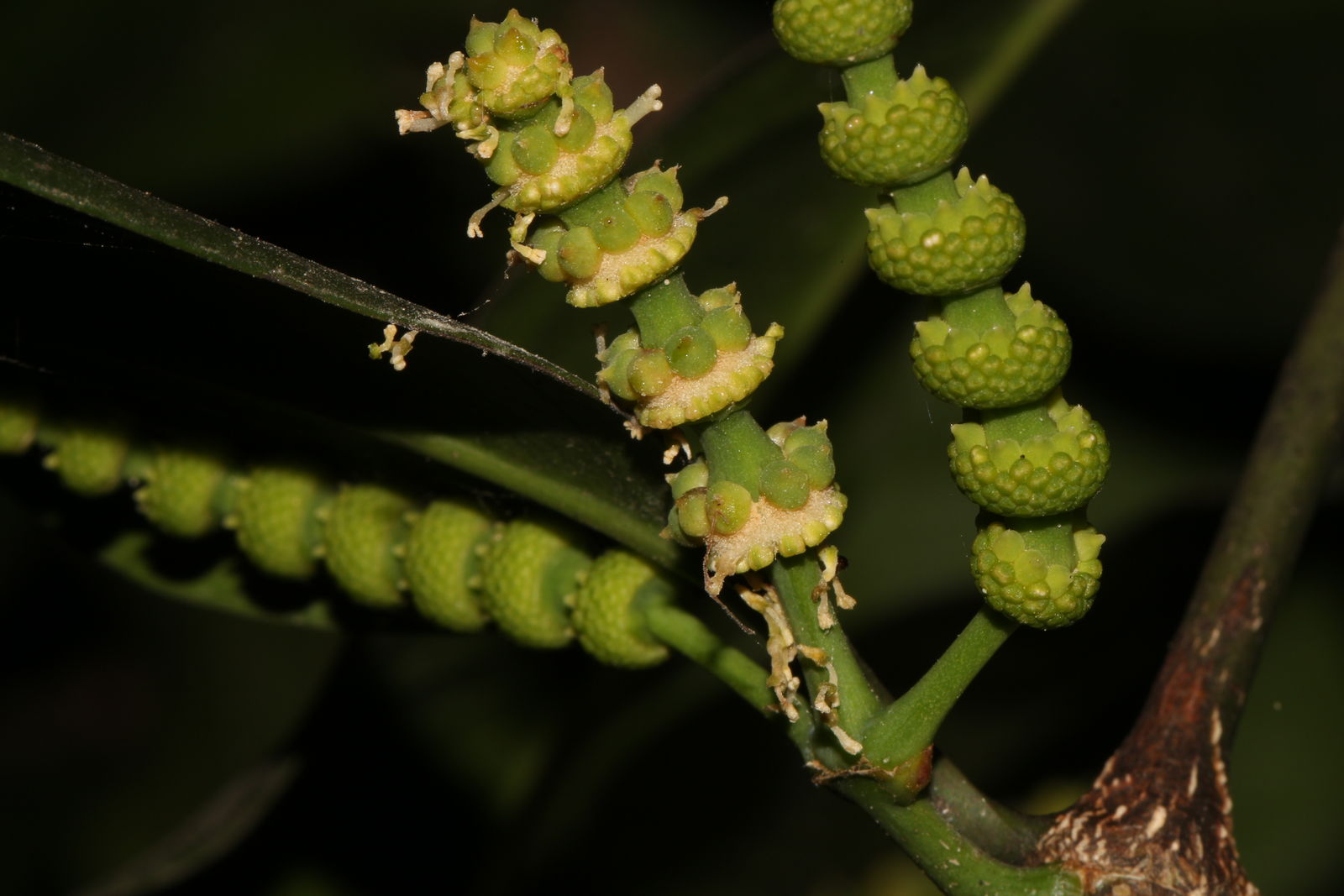
Gnetum gnemon
species of plant

Fagus grandifolia
species of plant
kola nut
fruit of the kola tree

Bryonia dioica
species of plant
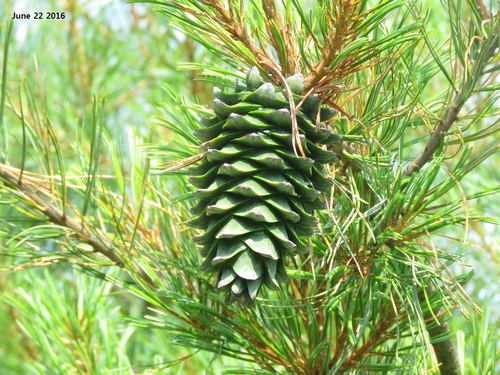
Pinus koraiensis
species of plant

Pinus armandii
species of plant

Pinus monophylla
species of plant