Category
page 1Epistemologists

Karl Marx
German-born philosopher (1818-1883)

Leo Tolstoy
Russian author (1828–1910)

Augustine of Hippo
Christian theologian, philosopher, and saint (354–430)

John Locke
English philosopher and physician (1632-1704)

Avicenna
Ibn Sina ( – 22 June 1037), commonly known in the West as Avicenna ( ), was a preeminent philosopher and physician of the Muslim world. He was a seminal figure of the Islamic Golden Age, serving in the courts of various Iranian rulers, and was influential to medieval European medical and Scholastic thought.

Francis Bacon
English philosopher and statesman (1561–1626)

Benedictus de Spinoza
Dutch philosopher (1632-1677)

Thales
ancient Greek philosopher and mathematician

David Hume
Scottish philosopher, economist, and historian (1711-1776)

Thomas Hobbes
English philosopher (1588–1679)

Al-Ghazali
Al-Ghazali, ( ( – 19 December 1111), Latinized as Algazelus, was a Shafi'i Sunni Muslim Iranian scholar and polymath. He is known as one of the most prominent and influential jurisconsults, legal theoreticians, muftis, philosophers, theologians, logicians and mystics in Islamic history.

Averroes
Ibn Rushd (14 April 112611 December 1198), Latinized as Averroes, was an Andalusian polymath and jurist who was proficient in a variety of intellectual fields, including philosophy, theology, medicine, astronomy, physics, psychology, mathematics, neurology, Islamic jurisprudence and law, and linguistics. The author of more than 100 books and treatises, his philosophical works include numerous commentaries on Aristotle, for which he was known in the Western world as "The Commentator" and "Father of Rationalism".

Karl Popper
Austrian-British philosopher of science and social and política e falsificationism and for criticism of Plato, Hegel and Marx as totalitarian opponents of open society (1902-1994)

Ayn Rand
Russian-born American writer and public philosopher (1905–1982)
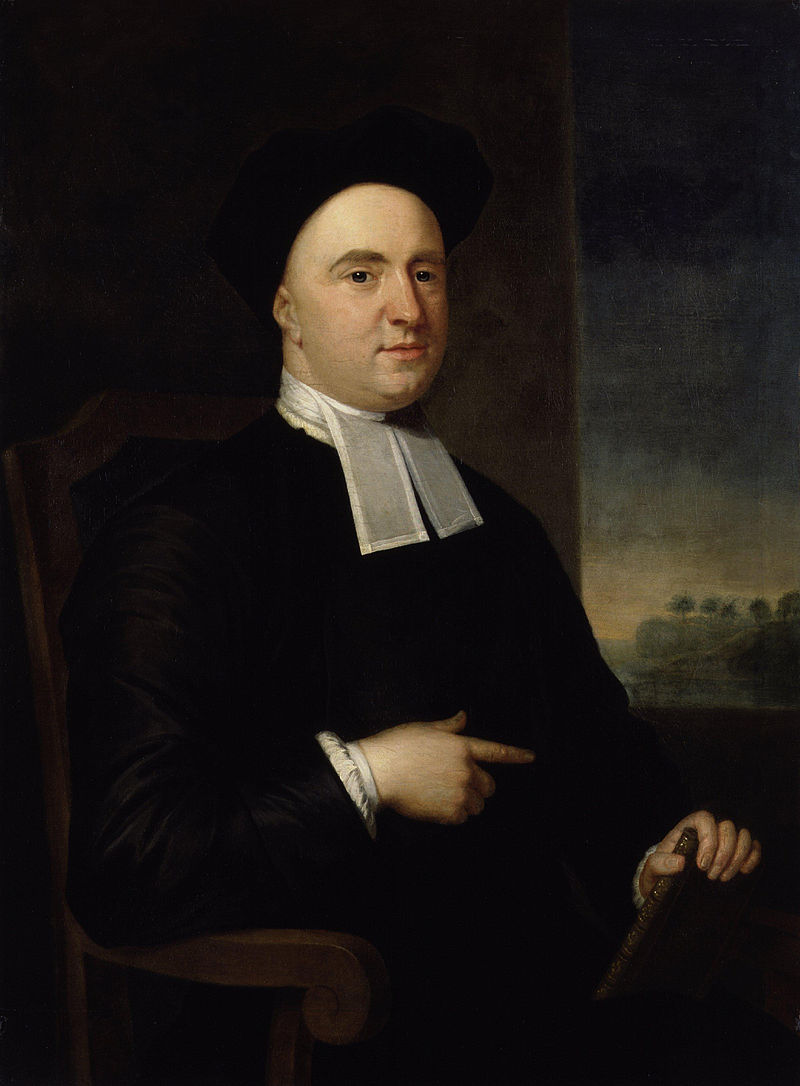
George Berkeley
Irish idealist philosopher and Anglican bishop (1685–1753)

Mencius
Mencius (孟子, Mèngzǐ, ; ), born Meng Ke (), was a Chinese Confucian philosopher, often described as the Second Sage () to reflect his traditional esteem relative to Confucius himself. He was part of Confucius's fourth generation of disciples, inheriting his ideology and developing it further. Living during the Warring States period, he is said to have spent much of his life travelling around the states offering counsel to different rulers. Conversations with these rulers form the basis of the Mencius, which would later be canonised as a Confucian classic.
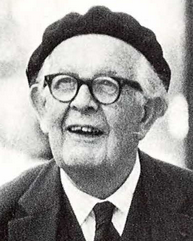
Jean Piaget
Swiss psychologist, biologist, logician, philosopher and academic (1896–1980)

Edmund Husserl
German philosopher, known as the father of phenomenology (*1859 – †1938)
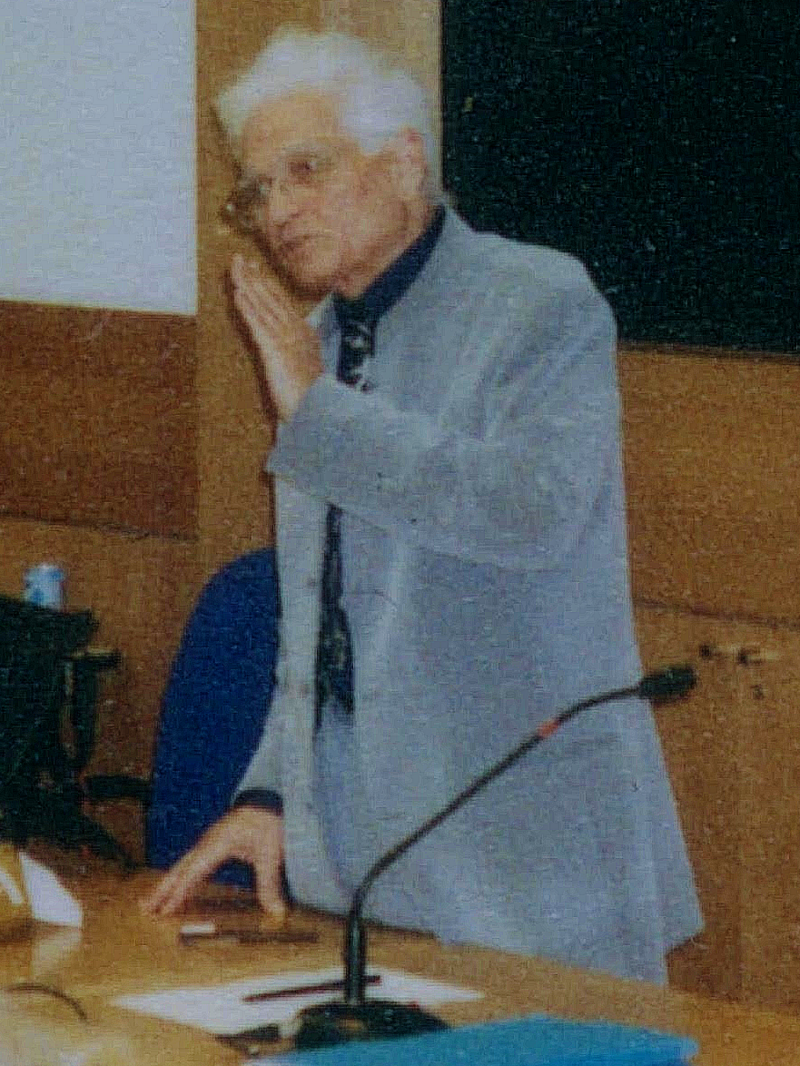
Jacques Derrida
French philosopher (1930–2004)

Slavoj Žižek
Slovenian philosopher (born 1949)

Farabi
thumbnail|200px|Postage stamp of the USSR, issued on the 1100th anniversary of the birth of Al-Farabi (1975)
Abu Nasr Muhammad al-Farabi (; – 14 December 950–12 January 951), known in the Latin West as Alpharabius, was an early Islamic philosopher and music theorist. He has been designated as "Father of Islamic Neoplatonism", and the "Founder of Islamic Political Philosophy".

Wilhelm von Humboldt
Prussian philosopher, government official, diplomat, and educator (1767–1835)

Emmanuel Swedenborg
Swedish 18th century scientist and theologian (1688-1772)

José Ortega y Gasset
Spanish liberal philosopher and essayist (1883–1955)

Al-Kindi
Abū Yūsuf Yaʻqūb ibn ʼIsḥāq aṣ-Ṣabbāḥ al-Kindī (; ; ; ) was an Arab polymath who was active as a philosopher, mathematician, physician, and music theorist. Al-Kindi was the first of the Islamic peripatetic philosophers, and is hailed as the "father of Arab philosophy".

George Santayana
Spanish-American philosopher

Emil Cioran
Romanian-French philosopher and essayist (1911–1995)

Baron d'Holbach
German-born French philosopher (1723–1789)

Georg Lukács
Hungarian marxist philosopher and literary critic (1885–1971)

John Henry Newman
English cleric and cardinal (1801–1890)

Rudolf Carnap
German philosopher and logician (1891–1970)

Mozi
Mozi, personal name Mo Di,

Bernard Bolzano
Bohemian mathematician and priest (1781–1848)

Emmanuel Levinas
Jewish-French-Lithuanian philosopher

Melanie Klein
british Austrian born psychoanalyst (1882–1960)

Nassim Nicholas Taleb
Lebanese-American mathematical statistician, option trader, risk analyst and author (born 1960)
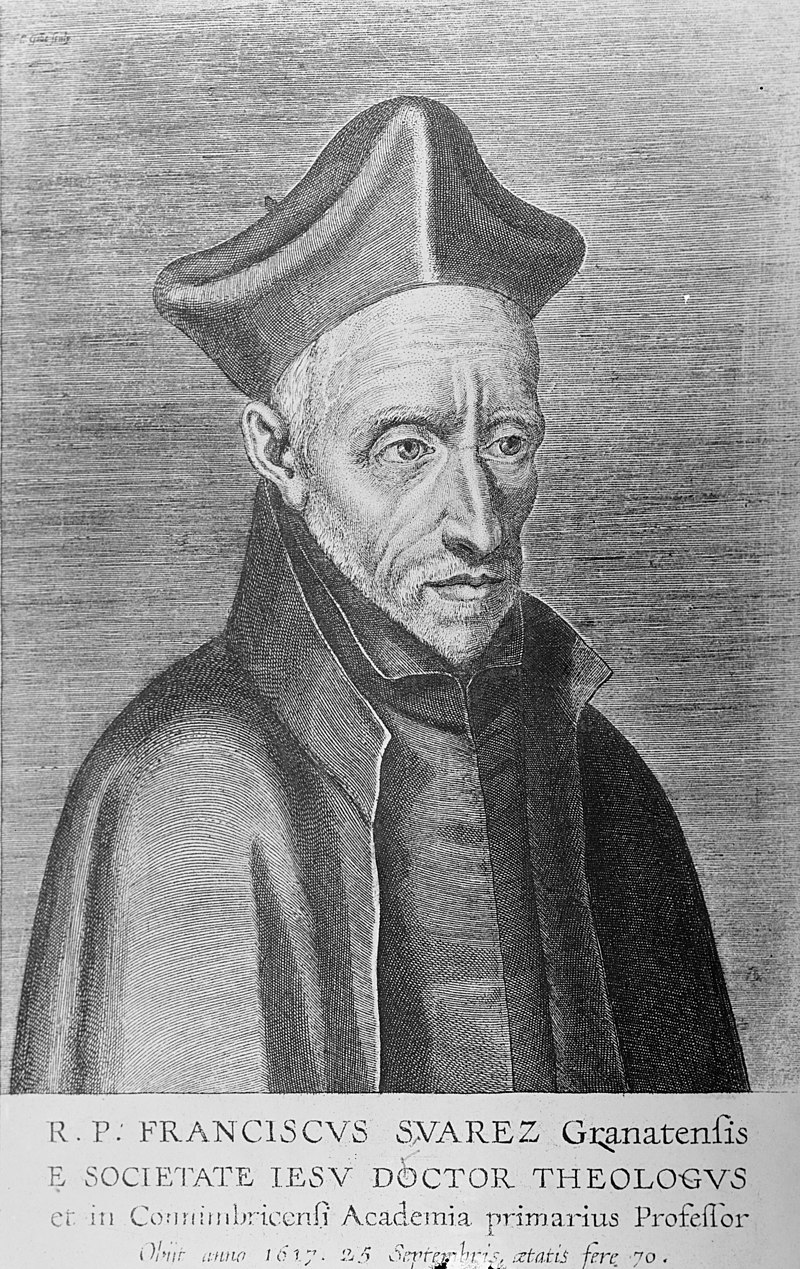
Francisco Suárez
Spanish Jesuit priest, philosopher and theologian (1548-1617)

Leo Strauss
History of Political Philosophy scholar (1899-1973)

Francis Hutcheson
Scottish philosopher (1694–1746)

Mario Bunge
Argentine-Canadian philosopher (1919-2020)
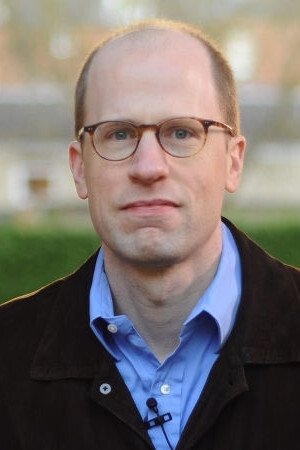
Nick Bostrom
philosopher and writer (born 1973)
Jaakko Hintikka
Finnish philosopher and logician

Judea Pearl
Israeli-American computer scientist (born 1936)
Georg Henrik von Wright
Finland Swedish philosopher, professor and member of the Academy of Finland (1916–2003)
Kwame Anthony Appiah
British-American philosopher and writer
Samuel Alexander
Australian-born British philosopher (1859-1938)

Vilém Flusser
Czech philosopher and photographer
Ferdinand Canning Scott Schiller
German-born British philosopher
Kazimierz Twardowski
Polish philosopher, psychologist and logician (1866–1938)

Gregory Chaitin
Argentinian mathematician and computer scientist
Leonard Peikoff
Canadian-American philosopher
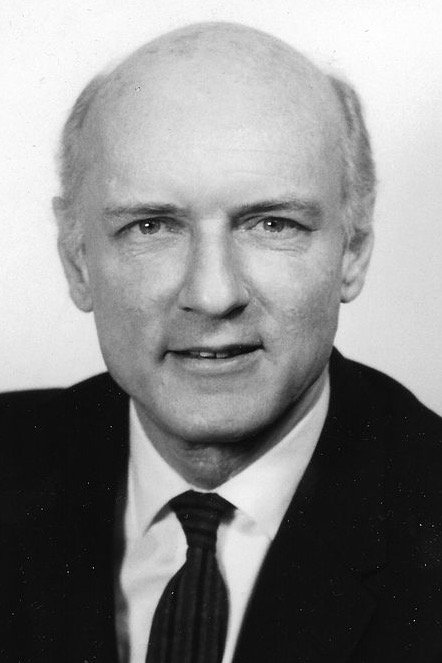
Heinz von Foerster
Austrian-American scientist and cybernetician (1911-2002)
John McDowell
South African philosopher and academic
Antonio Escohotado
Spanish essayist and university professor
Constantin Noica
Romanian philosopher, essayist and poet (1909–1987)
C. D. Broad
English philosopher (1887–1971)
African Spir
Russian philosopher (1837-1890)
Michel Weber
Belgian philosopher
Émile Meyerson
Polish-born French epistemologist, chemist, and philosopher of science
Frank Cameron Jackson
Australian philosopher