Category
page 1Extant Early Cretaceous first appearances

bee
Bees are winged insects that form a monophyletic clade Anthophila within the superfamily Apoidea of the order Hymenoptera, with over 20,000 known species in seven recognized families. Some species – including honey bees, bumblebees, and stingless bees – are social insects living in highly hierarchical colonies, while over 90% of bee species – including mason bees, carpenter bees, leafcutter bees, and sweat bees – are solitary. Members of the most well-known bee genus, Apis (i.e. honey bees), are known to construct hexagonally celled waxy nests called hives.

termite
Termites are a group of detritophagous eusocial cockroaches which consume a variety of decaying plant material, generally in the form of wood, leaf litter, and soil humus. They are distinguished by their moniliform antennae and the soft-bodied, unpigmented worker caste for which they have been commonly termed "white ants"; however, they are not ants but highly derived cockroaches. About 2,997 extant species are currently described, 2,125 of which are members of the family Termitidae.

Mantodea
Mantises are an order (Mantodea) of insects that contains over 2,400 species in about 460 genera in 33 families. The largest family is the Mantidae ("mantids"). Mantises are distributed worldwide in temperate and tropical habitats. They have triangular heads with bulging eyes supported on flexible necks. Their elongated bodies may or may not have wings, but all mantodeans have forelegs that are greatly enlarged and adapted for catching and gripping prey; their upright posture, while remaining stationary with forearms folded, resembling a praying posture, has led to the common name praying mant

Monocots
Monocotyledons (), commonly referred to as monocots, (Lilianae sensu Chase & Reveal) are flowering plants whose seeds contain only one embryonic leaf, or cotyledon. A monocot taxon has been in use for several decades, but with various ranks and under several different names. The APG IV system recognises its monophyly but does not assign it to a taxonomic rank, and instead uses the term "monocots" to refer to the group.

Nymphaeaceae
thumb|Flowering Barclaya longifolia specimen, Thailand
thumb|Flower of Victoria cruziana, Santa Cruz water lily
thumb|Flowering Euryale ferox specimen cultivated in the Botanischer Garten Berlin-Dahlem, Germany
thumb|Flowering and fruiting Nuphar variegata specimen

Euphausiacea
Krill (Euphausiids) (: krill) are small and exclusively marine crustaceans of the order Euphausiacea, found in all of the world's oceans. The name "krill" comes from the Norwegian word '''', meaning "small fry of fish", which is also often attributed to species of fish.

Eudicots
thumb|right|Arabis pollen has three colpi.

Lophiiformes
The anglerfish are ray-finned fish in the order Lophiiformes (). Both the order's common and scientific name comes from the characteristic mode of predation, in which a modified dorsal fin ray acts as a lure for prey (akin to a human angler, and likened to a crest or "lophos"). The modified fin ray, with the very tip being the esca and the length of the structure the illicium, is adapted to attract specific prey items across the families of anglerfish by using different luring methods.

Palaeognathae
Palaeognathae (; ) is an infraclass of birds, called paleognaths or palaeognaths, within the class Aves of the clade Archosauria. It is one of the two infraclasses of birds, the other being Neognathae, both of which form Neornithes. Palaeognathae contains five extant orders consisting of four flightless lineages (plus two that are extinct), termed ratites, and one flying lineage, the Neotropic tinamous. There are 47 species of tinamous, five of kiwis (Apteryx), three of cassowaries (Casuarius), one of emus (Dromaius) (another became extinct in historic times), two of rheas (Rhea) and two of os
Strepsiptera
Strepsiptera (), from Ancient Greek στρέψις (strépsis), meaning "turning around", and πτερόν (pterón), meaning "wing", are an order of insects with eleven extant families that include about 600 described species. They are endoparasites of other insects, such as bees, wasps, leafhoppers, silverfish, and cockroaches. Females of most species never emerge from the host after entering its body, finally dying inside it. The early-stage larvae do emerge because they must find an unoccupied living host, and the short-lived males must emerge to seek a receptive female in her host. They are believed to

copepod
Copepods (; meaning 'oar-feet') are a group of small crustaceans found in nearly every freshwater and saltwater habitat. Some species are planktonic (living in the water column), some are benthic (living on the sediments), several species have parasitic phases, and some continental species may live in limnoterrestrial habitats and other wet terrestrial places, such as swamps, under leaf fall in wet forests, bogs, springs, ephemeral ponds, puddles, damp moss, or water-filled recesses of plants (phytotelmata) such as bromeliads and pitcher plants. Many live underground in marine and freshwater c
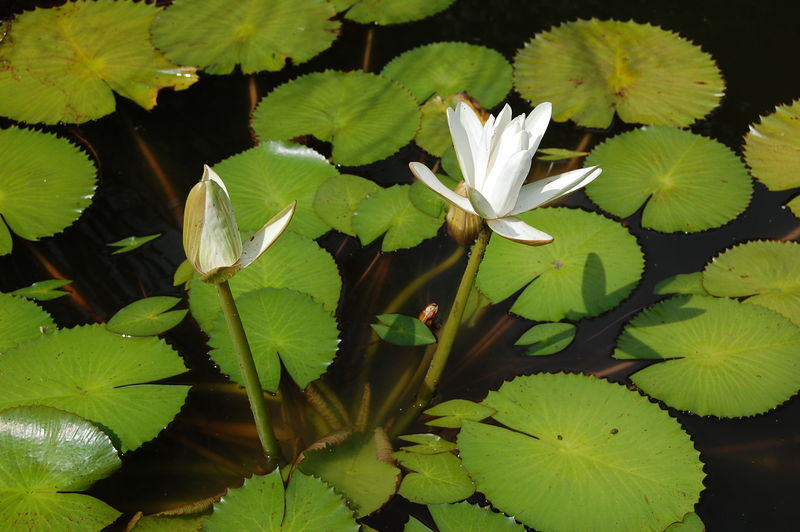
Nymphaeales
The Nymphaeales are an order of flowering plants, consisting of three families of aquatic plants, the Hydatellaceae, the Cabombaceae, and the Nymphaeaceae (water lilies). It is one of the three orders of basal angiosperms, an early-diverging grade of flowering plants. At least 10 morphological characters unite the Nymphaeales. One of the traits is the absence of a vascular cambium, which is required to produce both xylem (wood) and phloem, which therefore are missing. Molecular synapomorphies are also known.
.png)
Lamniformes
The Lamniformes (, from Greek lamna "fish of prey") are an order of sharks commonly known as mackerel sharks (which may also refer specifically to the family Lamnidae). It includes some of the most familiar species of sharks, such as the great white and mako sharks as well as less familiar ones, such as the goblin shark and megamouth shark.

Ostariophysi
Ostariophysi is the second-largest superorder of fish. Members of this superorder are called ostariophysians. This diverse group contains 10,758 species, about 28% of known fish species in the world and 68% of freshwater species, and are present on all continents except Antarctica. They have a number of common characteristics such as an alarm substance and a Weberian apparatus. Members of this group include fish important to people for food, sport, the aquarium industry, and research.
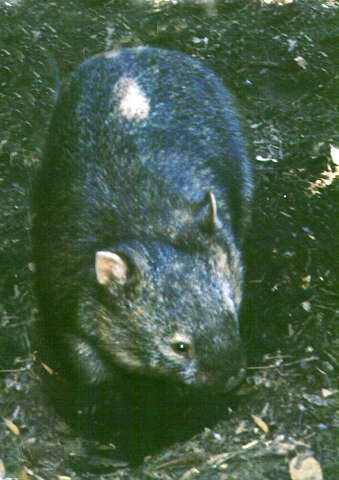
Metatheria
Metatheria is a mammalian clade that includes all mammals more closely related to marsupials than to placentals. First proposed by Thomas Henry Huxley in 1880, it is a more inclusive group than the marsupials; it contains all marsupials as well as many extinct non-marsupial relatives. It is one of two groups placed in the clade Theria alongside Eutheria, which contains the placentals. Remains of metatherians have been found on all of Earth's continents.
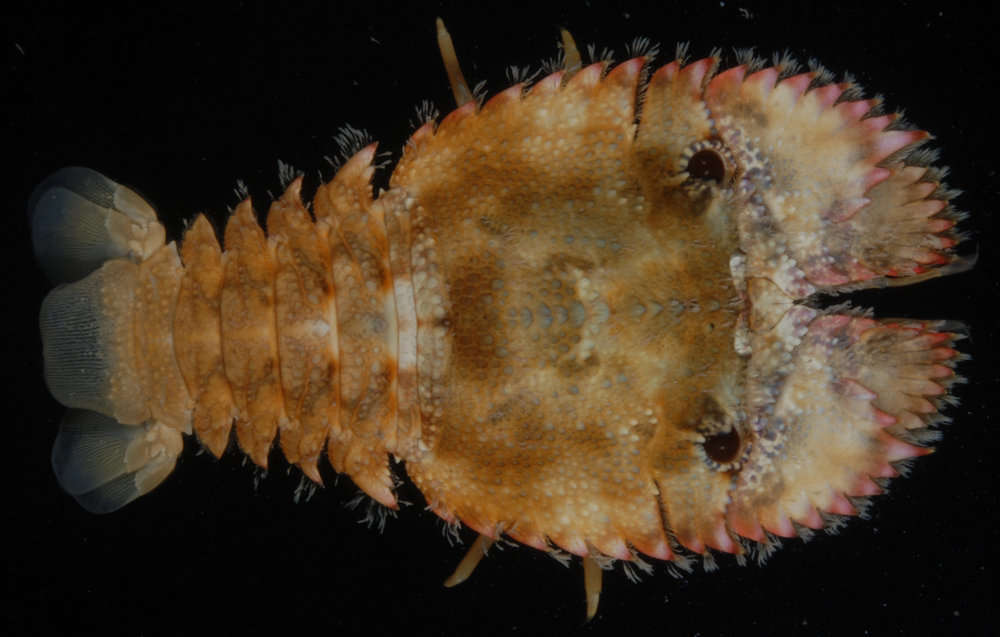
Scyllaridae
family of crustaceans
%20Murex%20trapa%20(right).jpeg)
Neogastropoda
Neogastropoda is an order of aquatic snails, both freshwater and marine gastropod molluscs. Neogastropods and their close relatives, such as Tonnoidea and Cypraeoidea, form the clade Latrogastropoda.

Myrmecia
genus of insects

Mymaridae
The Mymaridae, commonly known as fairyflies or fairy wasps, are a family of chalcidoid wasps found in temperate, subtropical, and tropical regions throughout the world. The family contains around 100 genera with 1,400 species.

Hexanchus
The sixgill sharks are a genus, Hexanchus, of deepwater sharks in the family Hexanchidae. These sharks are characterized by a broad, pointed head, six pairs of gill slits, comb-like, yellow lower teeth, and a long tail. The largest species can grow up to 8 m long and weigh over 600 kg (1320 lb). They are continental shelf-dwelling and abyssal plain scavengers with a keen sense of smell and are among the first to arrive at carrion, together with hagfish and rattails. They show a characteristic rolling motion of the head when feeding.
%2C%20Cabo%20de%20Palos%2C%20Espa%C3%B1a%2C%202022-07-16%2C%20DD%2072.jpg)
Myliobatoidei
Stingrays are a group of rays, a type of cartilaginous fish. They are classified in the suborder Myliobatoidei of the order Myliobatiformes and consist of eleven families: Hexatrygonidae (sixgill stingrays), Gymnuridae (butterfly rays), Plesiobatidae (deepwater stingrays), Urolophidae (round stingrays), Myliobatidae (eagle rays), Aetobatidae (pelagic eagle rays), Mobulidae (manta and devil rays), Rhinopteridae (cownose rays), Dasyatidae (whiptail stingrays), Potamotrygonidae (river stingrays), and Urotrygonidae (American round stingrays).
There are about 220 known stingray species organized in
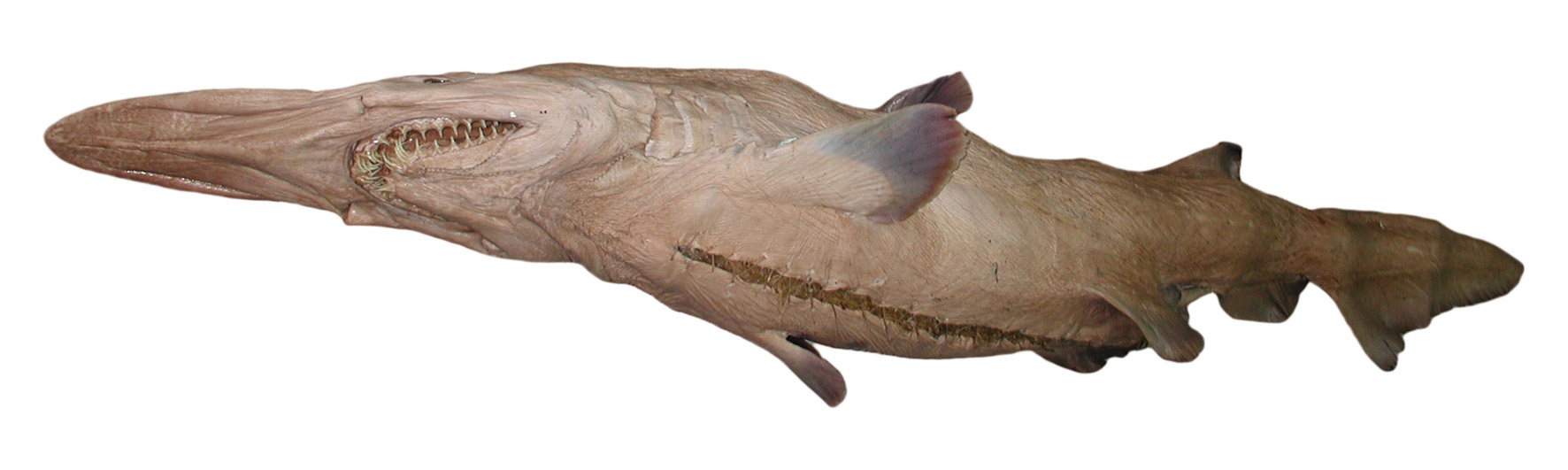
Mitsukurinidae
Mitsukurinidae is a family of sharks with one living genus, Mitsukurina, and four fossil genera: Anomotodon, Protoscapanorhynchus, Scapanorhynchus, and Woellsteinia, though some taxonomists consider Scapanorhynchus to be a synonym of Mitsukurina. The only known living species is the goblin shark, Mitsukurina owstoni.

Scutigeridae
thumb|Scutigera coleoptrata

Spatangoida
The heart urchins are members of the order Spatangoida of sea urchins. Their body are somewhat elongated ovals in form, and are distinguished by the mouth being placed towards one end of the animal, and the anus towards the other. As a result, unlike most other sea urchins, heart urchins are bilaterally symmetrical, and have a distinct anterior surface. The presence and position of the mouth and anus typically give members of this group the distinct "heart" shape from which they get their common name. Heart urchins have no feeding lantern, and often have petaloids sunk into grooves. They are a
.JPG)
Crassostrea
Crassostrea is a genus of true oysters (family Ostreidae) containing some of the most important oysters used for food.
Megalopidae
Megalopidae is an ancient family of ray-finned fish, one of two living members of the order Elopiformes. It contains a single living genus (Megalops, the tarpons) with two species, and several extinct genera dating back to the Early Cretaceous. They likely diverged from their closest relatives, the Elopidae, during the Late Jurassic.''''

Myriotrochidae
Myriotrochidae is a family of sea cucumbers.
Laetmogonidae
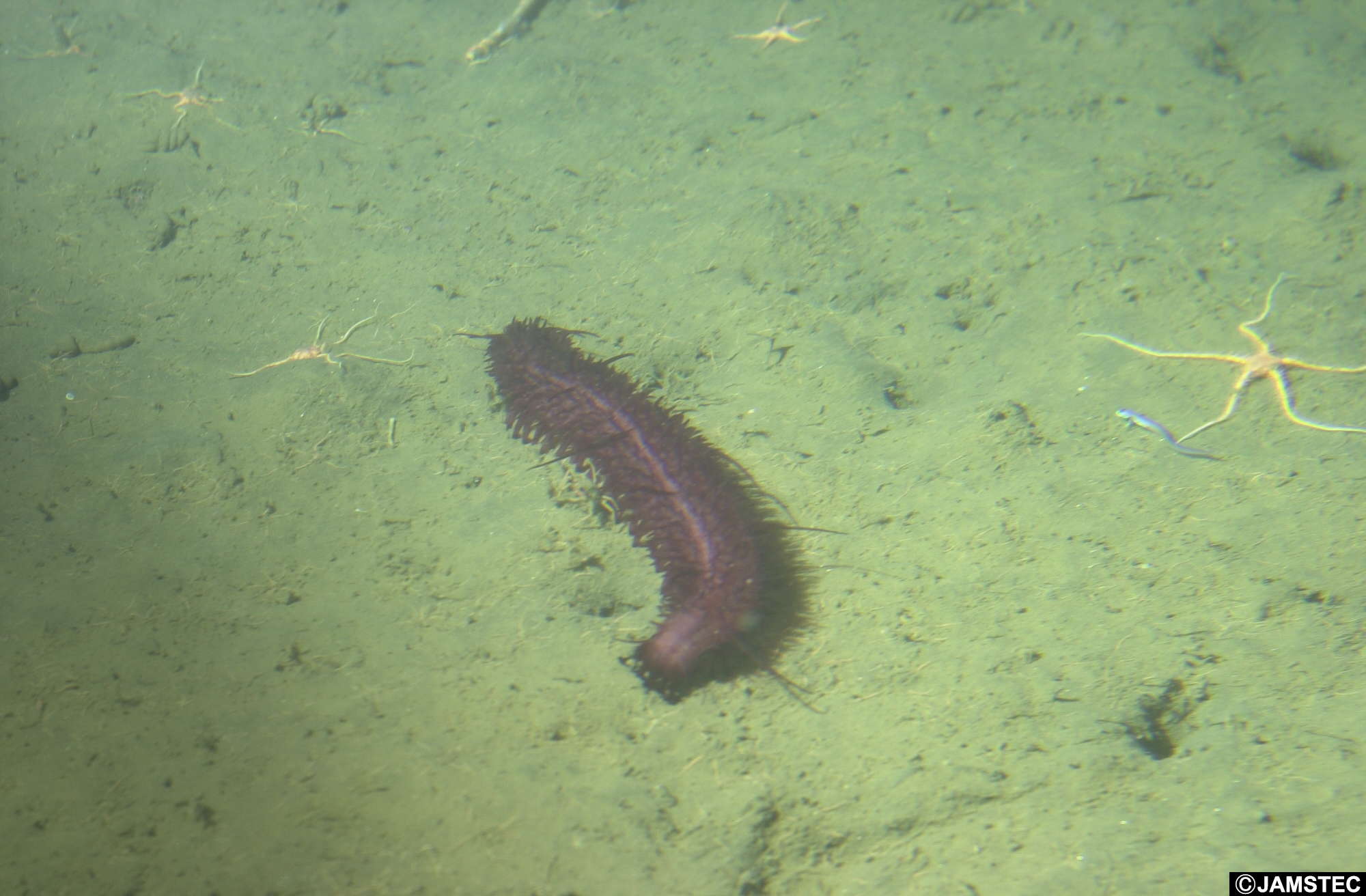
Laetmogonidae is a family of sea cucumbers.
Ophiacanthidae
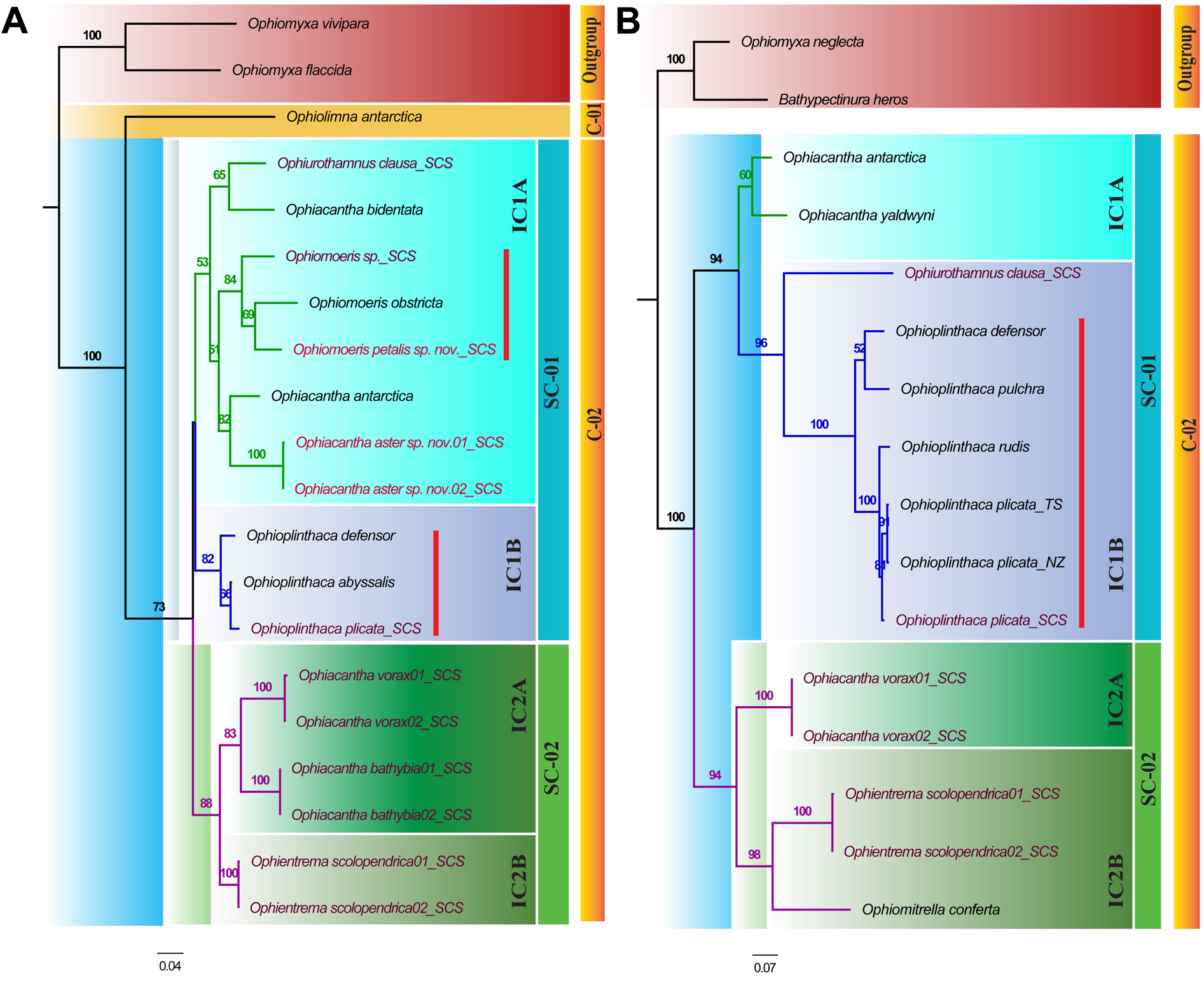
Ophiacanthidae is a family of brittle stars. Axel Vilhelm Ljungman circumscribed this taxon in 1867; he initially named the subfamily Ophiacanthinae within the family Amphiuridae. Gordon L. J. Paterson promoted its rank to family in 1985.
Ophiolimna
thumb | right | alt=Ophiacantha polaris/Ophiolimna antarctica (Lyman, 1879) | Ophiacantha polaris/Ophiolimna antarctica (Lyman, 1879)
Ophiolimna is a genus of brittle stars.
Ophioleuce
Ophioleuce is a genus of brittle stars.
Coccinelloidea
Coccinelloidea is a superfamily of beetles in the order Coleoptera, formerly included in the superfamily Cucujoidea. There are more than 10,000 species in Coccinelloidea, including more than 6000 in the lady beetle family Coccinellidae.
Ophiomusium
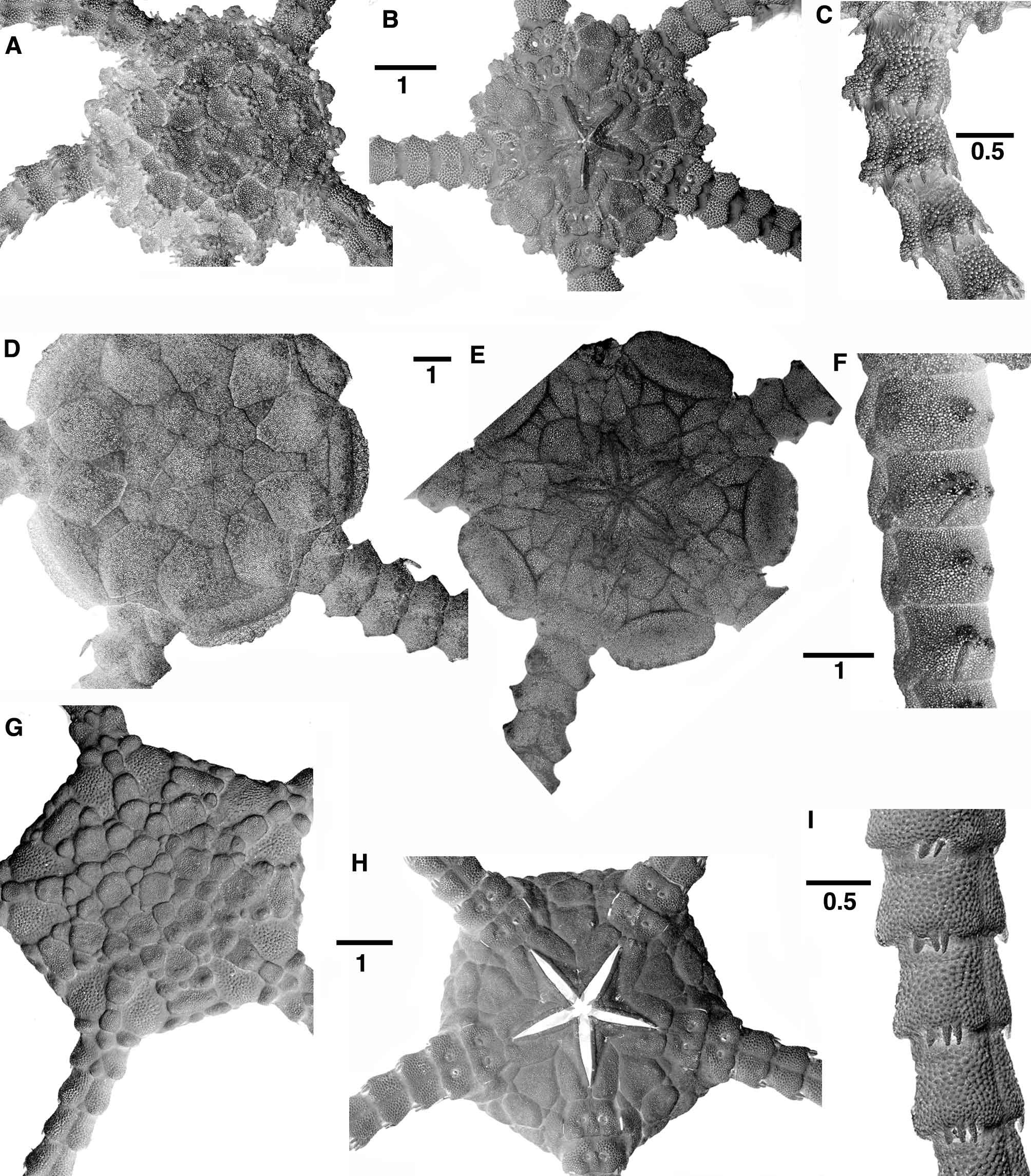
Ophiomusium is a genus of brittle stars.
Ophiolepididae
Ophiolepididae are a family of brittle stars. It includes both deep-sea and shallow-water species.
Ophiotholia
Ophiotholia is a genus of brittle stars.
Bathycrinus
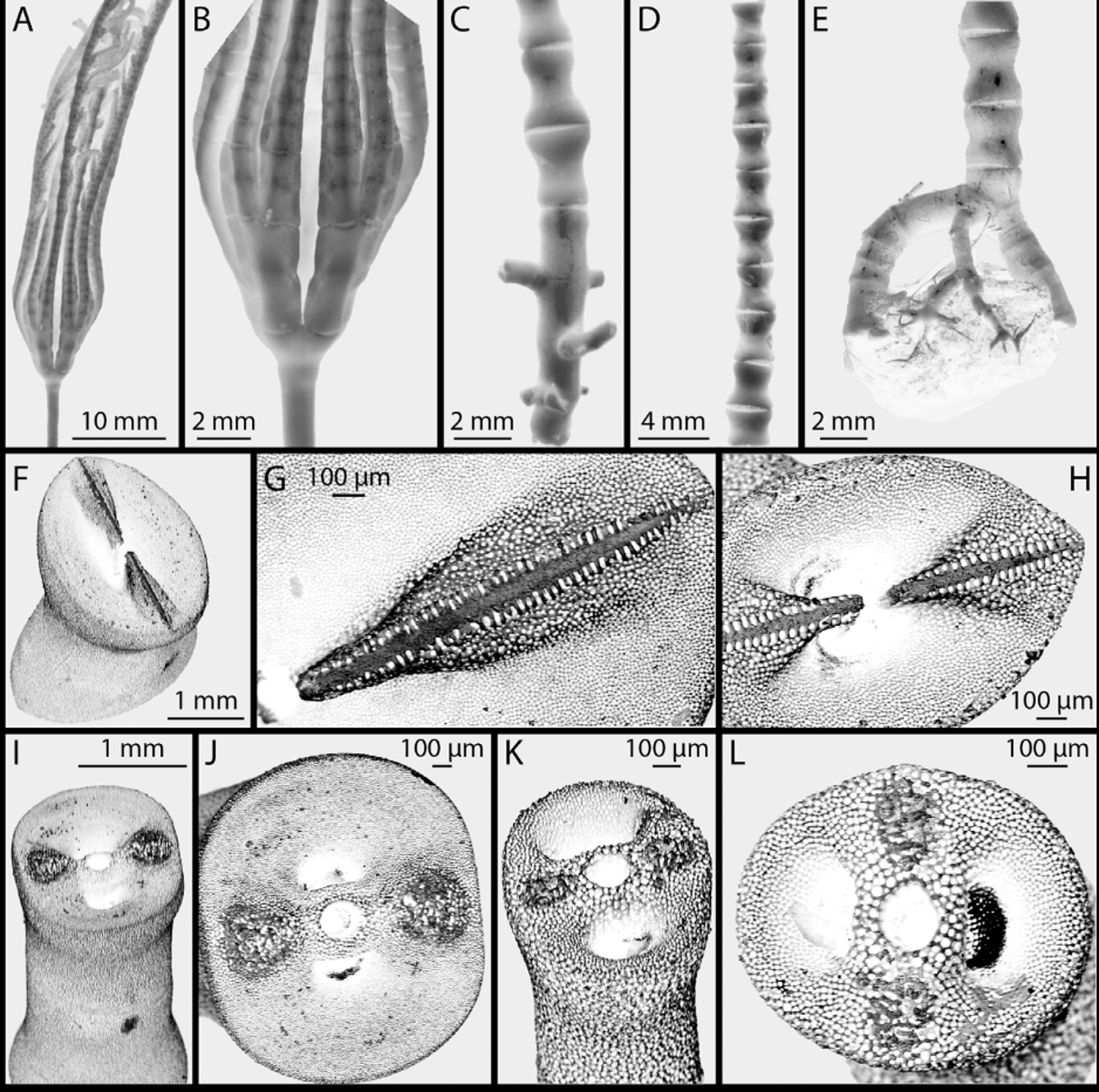
Bathycrinus is a genus of crinoids.
Arcoscalpellum
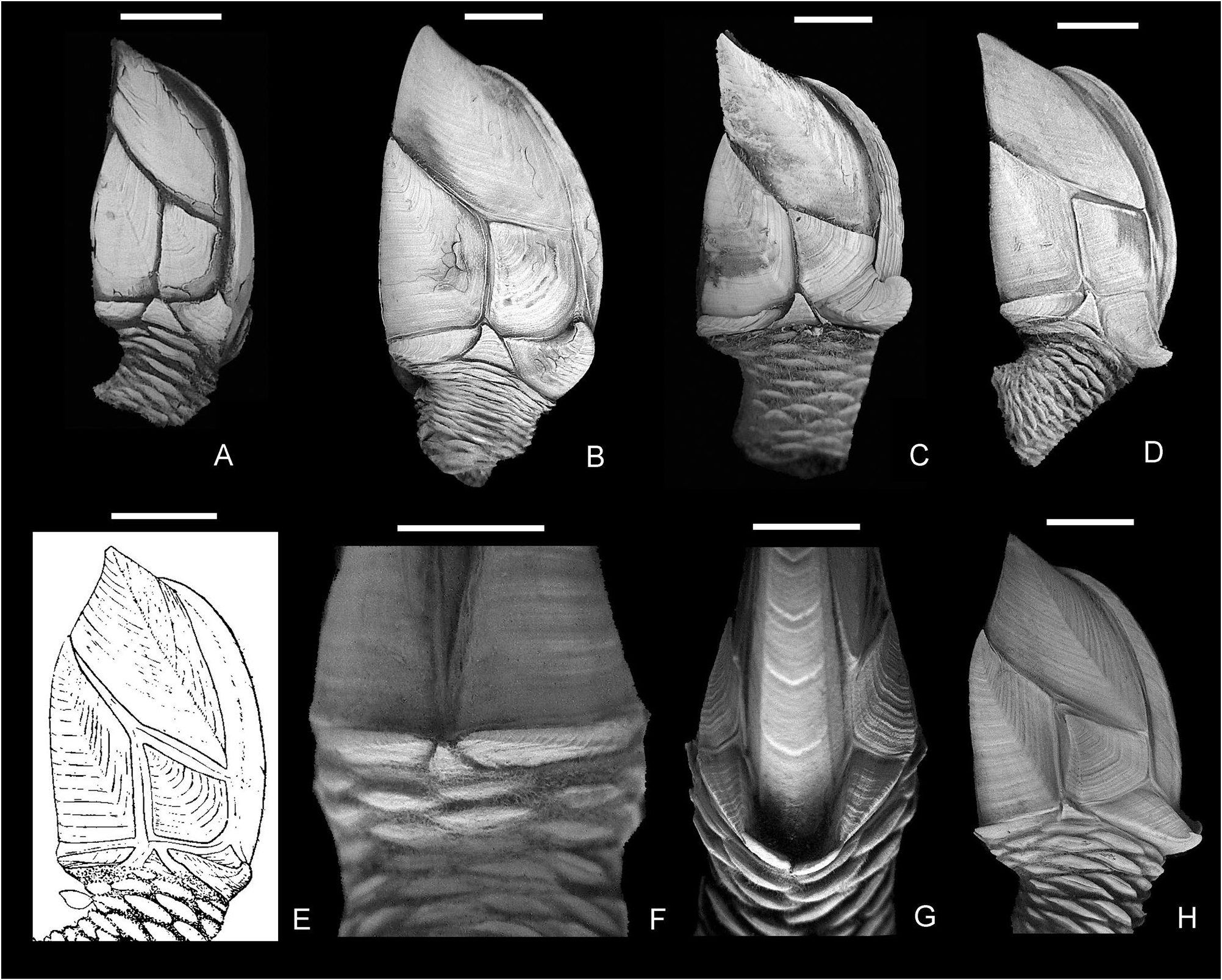
Arcoscalpellum is a large genus of stalked barnacles found worldwide. It is classified in the family Scalpellidae, subfamily Scalpellinae, and species are found from shallow waters down to depths of over 5 kilometres. The genus is well-represented in the fossil record as far back as the Cretaceous period.
Articulina
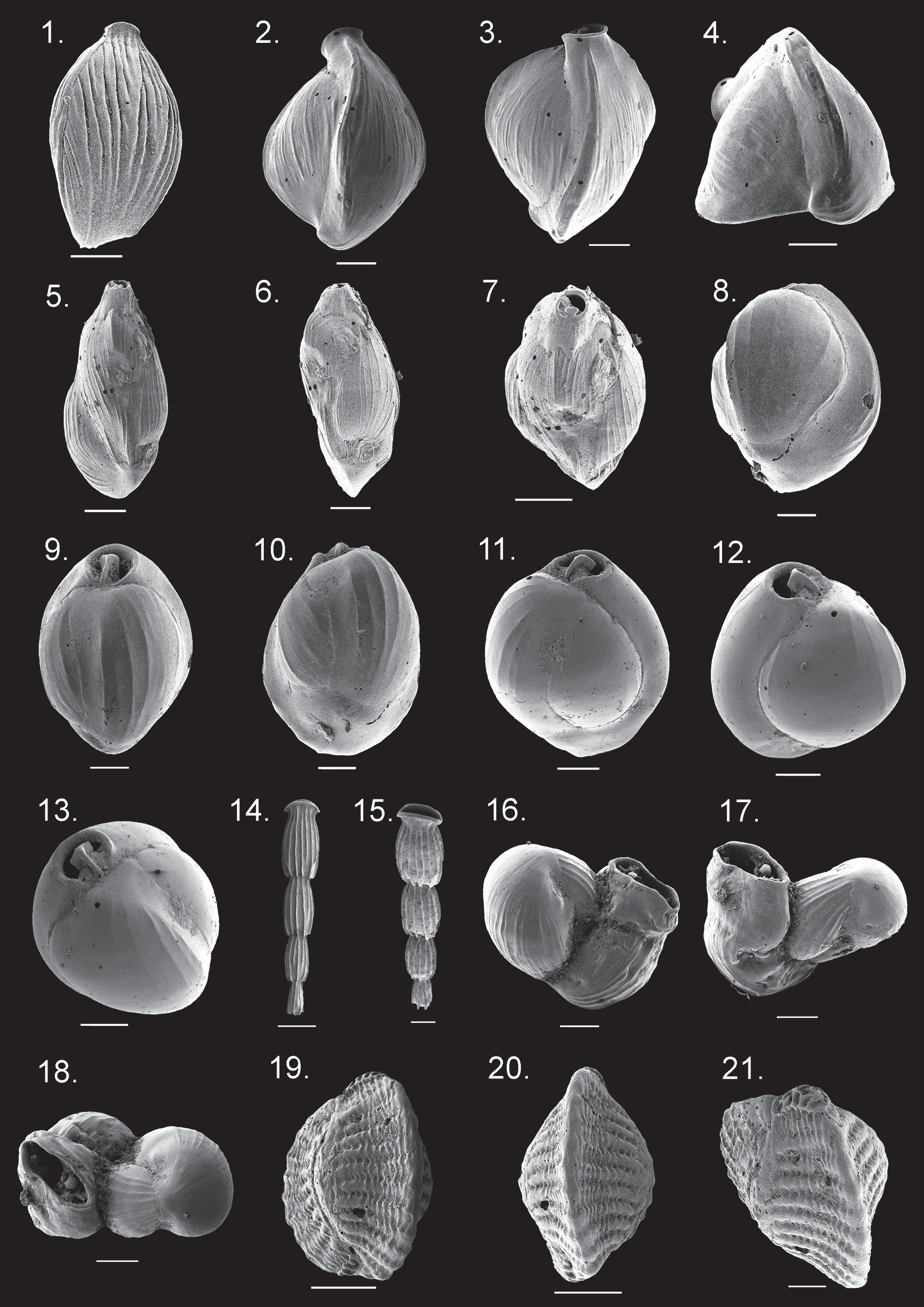
Articulina is an extant suborder of bryozoans in the order Cyclostomatida.
Ophioleucidae
Ophioleucidae is a family of brittle stars.

Bourgueticrinidae
Bourgueticrinidae is a family of crinoids, containing 2 genera.
Magallana
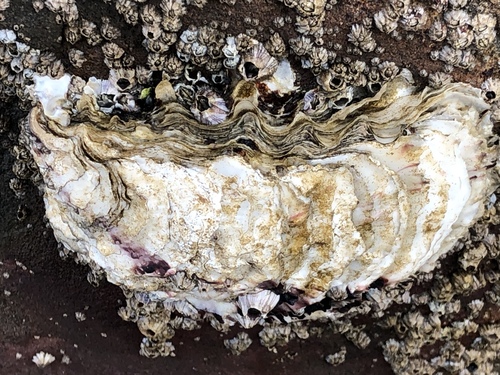
Magallana is a genus of true oysters (family Ostreidae) containing some of the most important oysters used for food. Species in this genus have been moved from Crassostrea after it was found to be paraphyletic.