Category
page 2Extant Eocene first appearances

Pauropoda
Pauropoda is a class of small, pale, millipede-like arthropods in the subphylum Myriapoda. More than 900 species in twelve families are found worldwide, living in soil and leaf mold. Pauropods look like centipedes or millipedes and may be a sister group of the latter, but a close relationship with Symphyla has also been posited. The name Pauropoda derives from the Greek pauros (meaning "small" or "few") and pous, genitive podos (meaning "foot"), because most species in this class have only nine pairs of legs as adults, a smaller number than those found among adults in any other class of myriap

Molossidae
family of bats

Phoenicopteriformes
Phoenicopteriformes is a group of water birds which comprises flamingos and their extinct relatives. Flamingos (Phoenicopteriformes) and the closely related grebes (Podicipedidae) are contained in the parent clade Mirandornithes.

Myomorpha
The suborder Myomorpha contains 1,524 species of mouse-like rodents, nearly a quarter of all mammal species. Included are mice, rats, gerbils, hamsters, lemmings, and voles. They are grouped according to the structure of their jaws and molar teeth. They are characterized by their myomorphous zygomasseteric system, which means that both their medial and lateral masseter muscles are displaced forward, making them adept at gnawing. As in the hystricognathous rodents, the medial masseter muscle goes through the eye socket, a feature unique among mammals. Myomorphs are found worldwide (apart from A
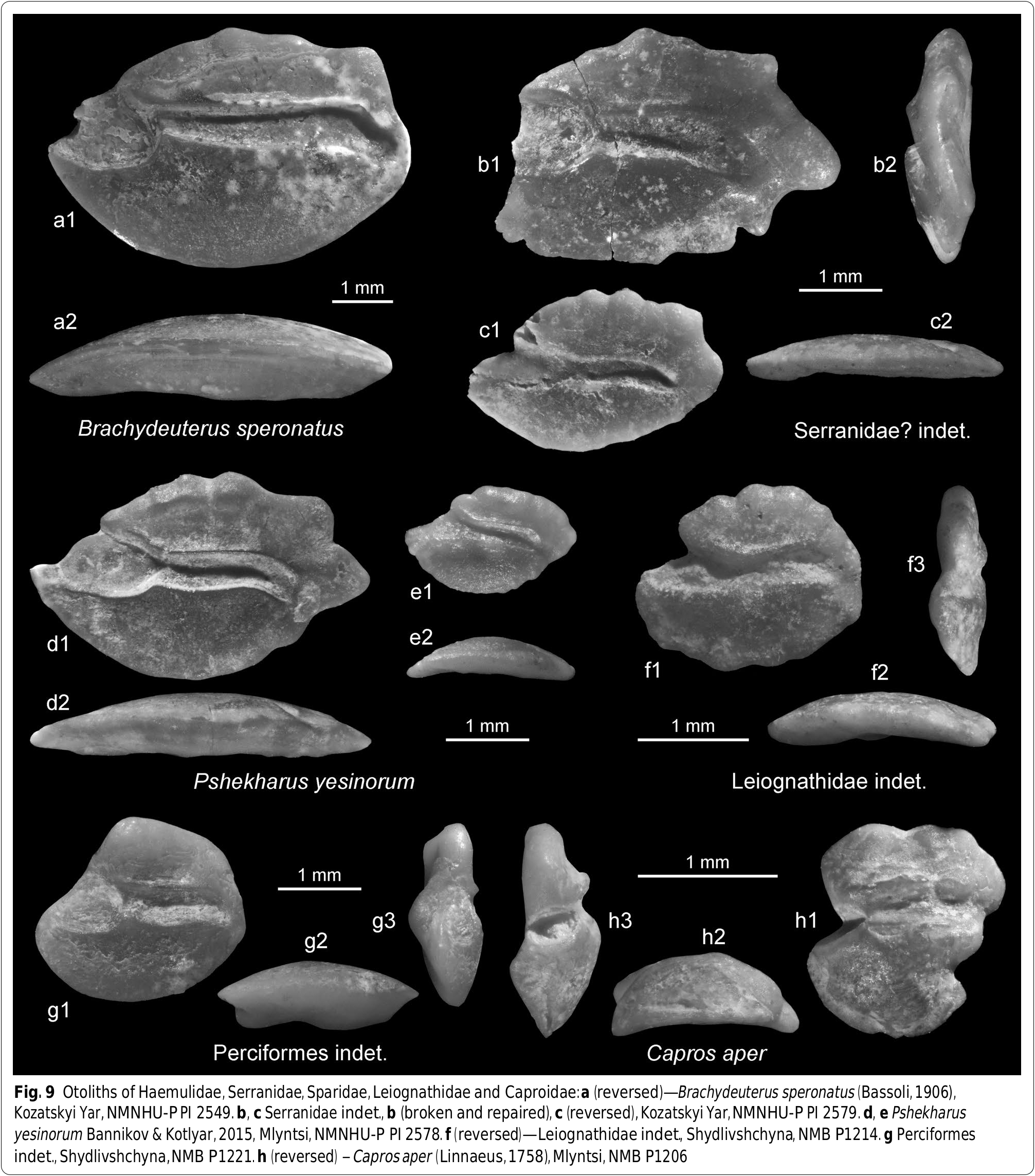
Leiognathidae
Leiognathidae, the ponyfishes, slipmouths or slimys / slimies, are a small family of fishes in the order Acanthuriformes. They inhabit marine and brackish waters in the Indo-Pacific. They can be used in the preparation of bagoong.
.png)
Tylopoda
Tylopoda (meaning "calloused foot") is a suborder of terrestrial herbivorous even-toed ungulates belonging to the order Artiodactyla. They are found in the wild in their native ranges of South America, Africa, and Asia, while Australian feral camels are introduced. The group has a long fossil history in North America and Eurasia. Tylopoda appeared during the Eocene around 50 million years ago.
Soricomorpha
Soricomorpha (from Greek "shrew-form") is a formerly used taxon within the class of mammals. In the past it formed a significant group within the former order Insectivora. However, Insectivora was shown to be polyphyletic and various new orders were split off from it, including Afrosoricida (tenrecs, golden moles, otter shrews), Macroscelidea (elephant shrews), and Erinaceomorpha (hedgehogs and gymnures), with the four remaining extant and recent families of Soricomorpha shown here then being treated as a separate order. Insectivora was left empty and disbanded.

Galeorhinus galeus
species of shark (Galeorhinus galeus)

Tyranni
The Tyranni (suboscines) are a suborder of passerine birds that includes more than 1,000 species, a large majority of which are South American. It is named after the type genus Tyrannus. These have a different anatomy of the syrinx musculature than the oscines (songbirds of the larger suborder Passeri), hence the common name of suboscines.

Molidae
The Molidae comprise the family of the molas or ocean sunfishes, unusual fish whose bodies come to an end just behind the dorsal and anal fins, giving them a "half-fish" appearance. They are also the largest of the extant ray-finned bony fish, with the southern sunfish, Mola alexandrini, recorded at in length and in weight.

Teiidae
Teiidae is a family of lacertoidean lizards native to the Americas. Members of this family are generally known as whiptails or racerunners; however, tegus also belong to this family. Teiidae is sister to the Gymnopthalmidae, and both families comprise the Teiioidea. The Teiidae includes several parthenogenic species – a mode of clonal reproduction. Presently, the Teiidae consists of approximately 150 species in eighteen genera.

Sciuromorpha
Sciuromorpha ( 'squirrel-like') is a rodent suborder that includes several rodent families. It includes all members of the Sciuridae (the squirrel family) as well as the mountain beaver species.
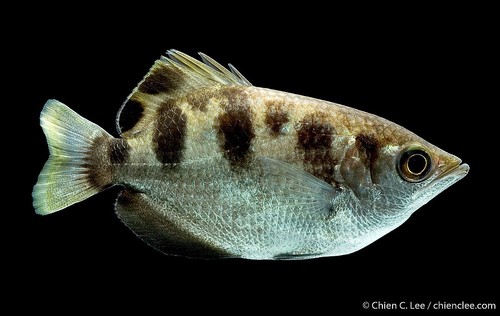
Toxotes
genus of fishes
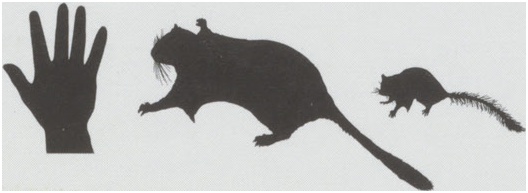
Anomaluridae
The Anomaluridae are a family of rodents found in central Africa.

Hystricomorpha
Hystricomorpha (from Ancient Greek ὕστριξ, (hústrix), meaning "porcupine", and μορφή (morphḗ), meaning "form") is a term referring to families and orders of rodents which has had many definitions throughout its history. In the broadest sense, it refers to any rodent (except dipodoids) with a hystricomorphous zygomasseteric system. This includes the Hystricognathi, Ctenodactylidae, Anomaluridae, and Pedetidae. Molecular and morphological results suggest the inclusion of the Anomaluridae and Pedetidae in Hystricomorpha may be suspect. Based on , these two families are discussed here as represent
.jpg)
Alosa
Alosa is a genus of fish, the river herrings, in the family Alosidae. Along with other genera in the subfamily Alosinae, they are generally known as shads. They are distinct from other herrings by having a deeper body and spawning in rivers. Several species can be found on both sides of the Atlantic Ocean and the Mediterranean Sea. Also, several taxa occur in the brackish-water Caspian Sea and the Black Sea basin. Many are found in fresh water during spawning and some are only found in landlocked fresh water.

Carcharhinus
Carcharhinus is the type genus of the family Carcharhinidae, the requiem sharks. One of 10 genera in its family, it contains over half of the species therein. It contains 36-38 extant and eight extinct species to date, with likely more species yet to be described.

Cane rat
genus of mammals
%20(cropped).jpg)
Castoridae
Castoridae is a family of rodents that contains the two living species of beavers and their fossil relatives. A formerly diverse group, only a single genus is extant today, Castor. Two other genera of "giant beavers", Castoroides and Trogontherium, became extinct in the Late Pleistocene.

Hemiramphidae
Hemiramphidae is a family of fishes that are commonly called halfbeaks, spipe fish or spipefish. They are a geographically widespread and numerically abundant family of epipelagic fish inhabiting warm waters around the world. The halfbeaks are named for their distinctive jaws, in which the lower jaws are significantly longer than the upper jaws. The similar viviparous halfbeaks (family Zenarchopteridae) have often been included in this family.

Corytophanidae
Corytophanidae is a family of iguanian lizards, also called casquehead lizards or helmeted lizards, endemic to the New World. Nine species of casquehead lizards from three genera are recognized.

Trachurus
Jack mackerels or saurels are marine ray-finned fish in the genus Trachurus of the family Carangidae. The name of the genus derives from the Greek words trachys ("rough") and oura ("tail"). Some species, such as T. murphyi, are harvested in purse seine nets, and overfishing (harvesting beyond sustainable levels) has sometimes occurred.

Monodactylidae
Monodactylidae is a family of acanthuriform bony fish commonly referred to as monos, moonyfishes or fingerfishes. All are strongly laterally compressed with disc-shaped bodies and tall anal and dorsal fins. Unusually for fish, scales occur on their dorsal fins and sometimes on the anal fins. The pelvic fins are small, sometimes vestigial. They are of moderate size, typically around in length, and Monodactylus sebae can be taller than it is long, measuring up to from the tip of the dorsal fin down to the tip of the anal fin. These long, scaly fins have given them the name "fingerfishes". Most a

Naso
genus of fishes

Pseudolarix amabilis
species of plant

Phaethon
Tropicbirds are a family, Phaethontidae, of tropical pelagic seabirds. They are the sole living representatives of the order Phaethontiformes. For many years, they were considered part of the Pelecaniformes, but genetics indicate they are most closely related to the Eurypygiformes. There are three species in one genus, Phaethon. The scientific names are derived from Ancient Greek phaethon, "sun". They have predominantly white plumage with elongated tail feathers and small feeble legs and feet.

Megachilidae
thumb|A leaf-cutter bee showing abdominal scopa

Conus
thumb|200 px|Fossil Conus pelagicus from the Pliocene of Cyprus

Ophichthidae
Ophichthidae is a family of fish in the order Anguilliformes, commonly known as the snake eels. The term "Ophichthidae" comes from Greek ophis ("serpent") and ichthys ("fish"). Snake eels are also burrowing eels. They are named for their physical appearance, as they have long, cylindrical, snake-like bodies. This family is found worldwide in tropical to warm temperate waters. They inhabit a wide range of habitats, from coastal shallows and even rivers, to depths below . Most species are bottom dwellers, hiding in mud or sand to capture their prey of crustaceans and small fish, but some are pel
Polychrotidae
The Polychrotidae family (sometimes classified as the Polychrotinae subfamily instead) of iguanian lizards contains the living genus Polychrus (commonly called bush anoles) and the extinct genus Afairiguana. The family Polychrotidae was once thought to encompass all anoles, including those in the genus Anolis (which are now included in the family Dactyloidae). Studies of the evolutionary relationships of anoles based on molecular information has shown that Polychrus is not closely related to Anolis, but instead closer to Hoplocercidae. It is therefore not part of Dactyloidae and instead is tre
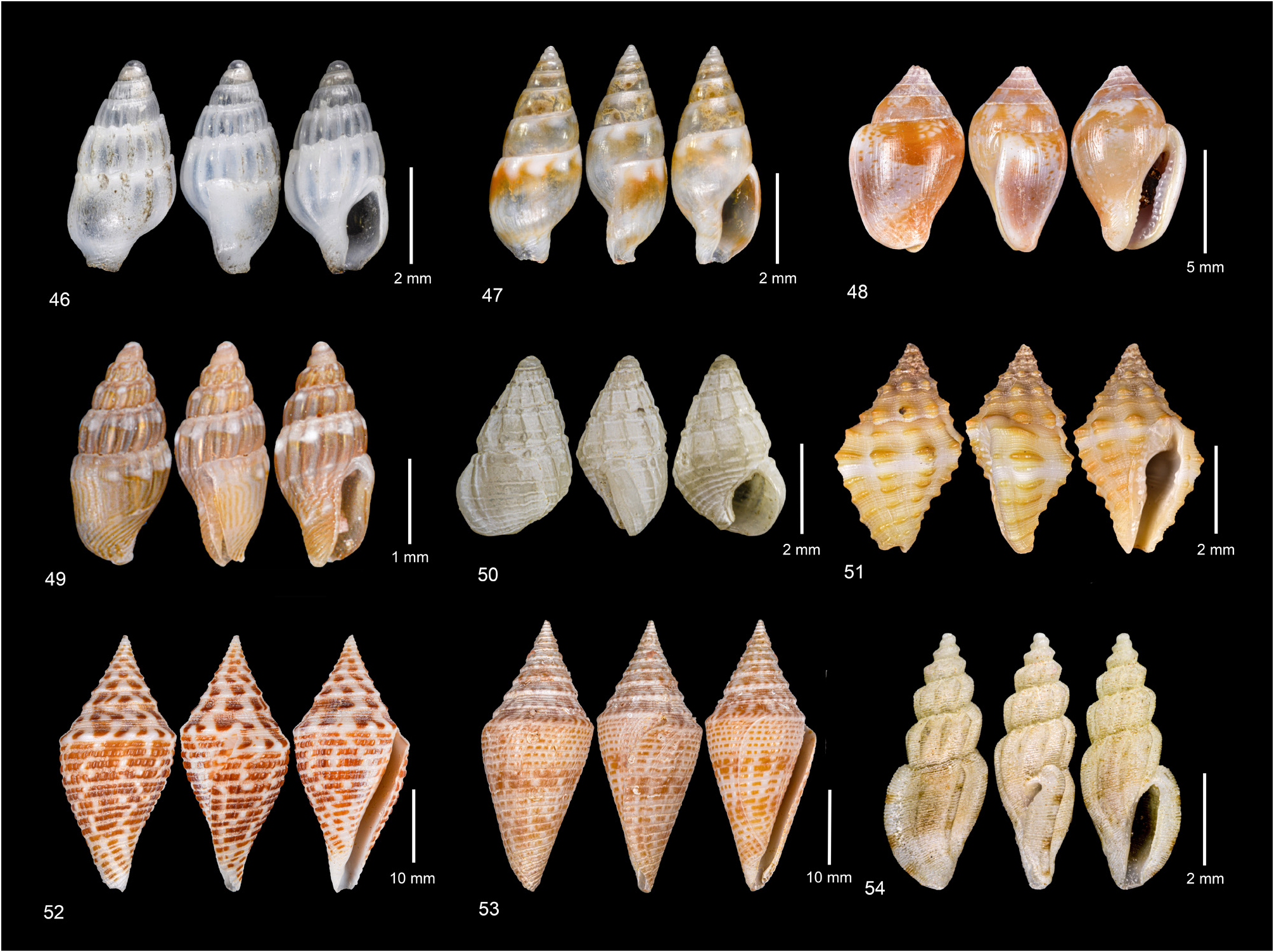
Conidae
family of molluscs

Dalatias licha
species of fish

Gonostomatidae
The Gonostomatidae are a family of mesopelagic marine fish, commonly named bristlemouths or anglemouths. Their common name, bristlemouth, comes from their odd, equally sized, and bristle-like teeth. It is a relatively small family, containing only eight known genera and 32 species. However, bristlemouths make up for their lack of diversity with relative abundance, numbering in the hundreds of trillions to quadrillions. The genus Cyclothone (with 14 species) is thought to be one of the most abundant vertebrate genera in the world.
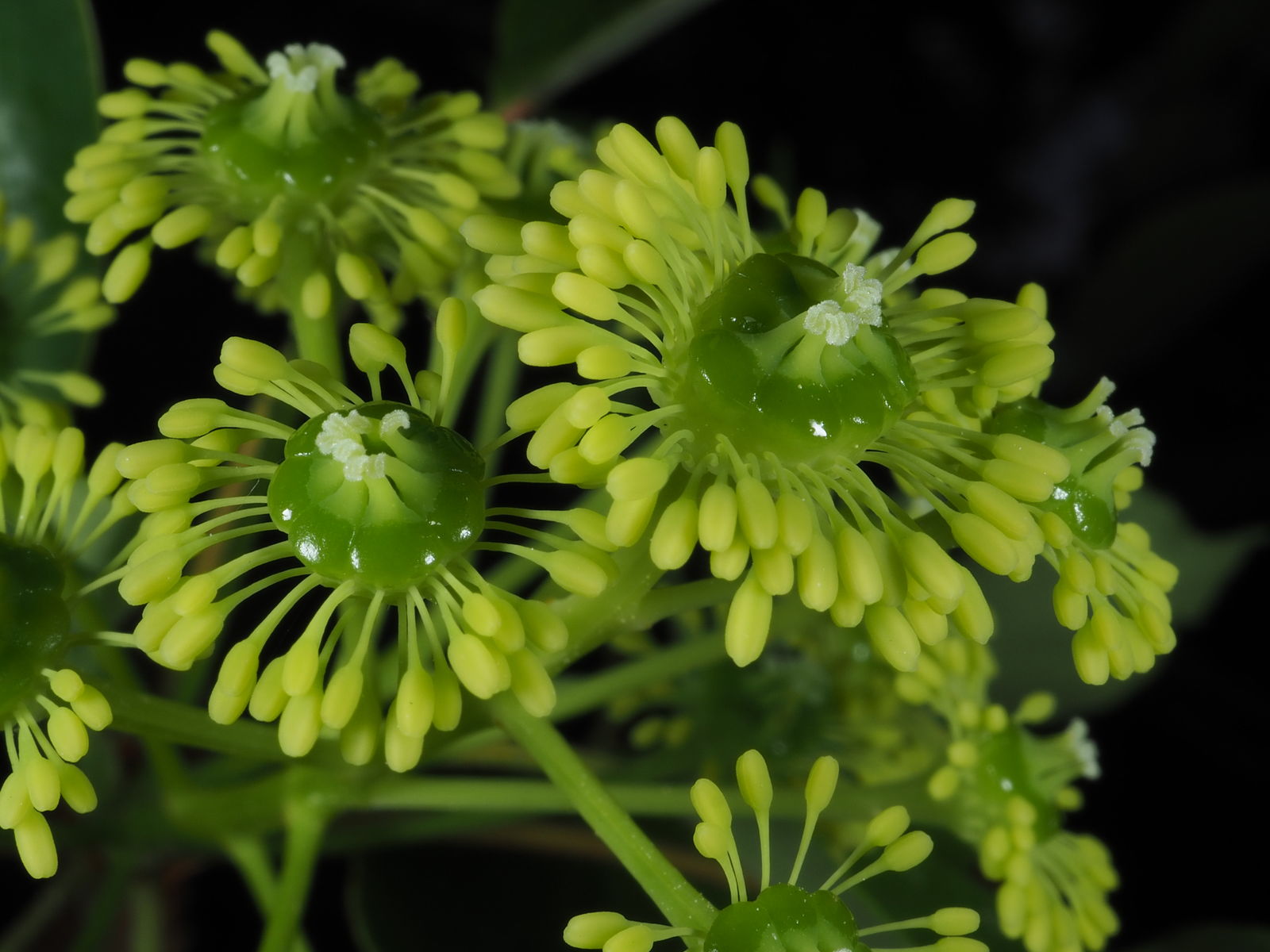
Trochodendraceae
Trochodendraceae is the only family of flowering plants in the order Trochodendrales. It comprises two extant genera, each with a single species along with up to five additional extinct genera and a number of extinct species. The living species are native to south east Asia. The two living species (Tetracentron sinense and Trochodendron aralioides) both have secondary xylem without vessel elements, which is quite rare in angiosperms. As the vessel-free wood suggests primitiveness, these two species have attracted much taxonomic attention.

Conger
Conger ( ) is a genus of marine congrid eels. It includes some of the largest types of eels, ranging up to or more in length, in the case of the European conger. Large congers have often been observed by divers during the day in parts of the Mediterranean Sea, and both European and American congers are sometimes caught by fishermen along the European and North American Atlantic coasts.
Castorimorpha
Castorimorpha is the suborder of rodents containing the beavers, gophers and the kangaroo rats. A 2017 study using retroposon markers indicated that they are most closely related to the Anomaluromorpha (the scaly-tailed squirrels and the springhare) and Myomorpha (mouse-like rodents).

Vespinae
The subfamily Vespinae contains the largest and best-known groups of eusocial wasps, including true hornets (the genus Vespa), and the "yellowjackets" (genera Dolichovespula and Vespula). The remaining genus, Provespa, is a small, poorly known group of nocturnal wasps from Southeast Asia. One genus, Palaeovespa, has been described in the Paleocene to Eocene fossil records of North America and Europe. Collectively, the group can be found on all continents except Antarctica, and several of these wasps are invasive species, introduced beyond their native ranges, and can be major pests.
thumb|left

Sardinella
Sardinella is a genus of fish in the family Dorosomatidae found in the Atlantic, Indian and Pacific Oceans. They are abundant in warmer waters of the tropical and subtropical oceans. Adults are generally coastal, schooling, marine fish but juveniles are often found in lagoons and estuaries. These species are distinguished by their ranges and by specific body features, but they are often confused with one another. Fish of the genus have seven to 14 striped markings along the scales of the top of the head. The paddle-shaped supramaxilla bones are characteristic; they separate Sardinella from oth
%20-%20(26592958760).jpg)
Opisthocomidae
Opisthocomidae is a family of birds, the only named family within the order Opisthocomiformes. The only living representative is the hoatzin (Opisthocomus hoazin) which lives in the Amazon and the Orinoco delta in South America. Several fossil species have been identified, including one from Africa and one from Europe.

Scorpaena
Scorpaena is a widespread genus of marine ray-finned fish belonging to the family Scorpaenidae, the scorpionfishes.
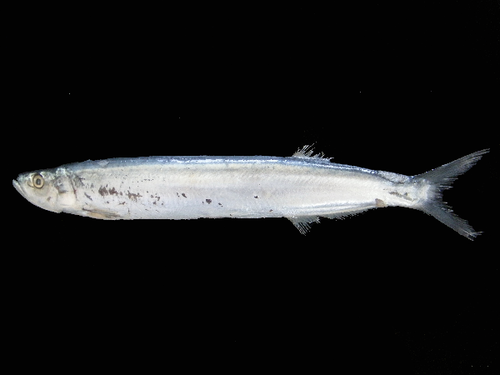
Chirocentrus
genus of fishes
Anomaluromorpha
Anomaluromorpha is a clade that unites the anomalures, springhares, and zenkerella. It has alternately been designated as either a suborder or infraorder. Most recently, recognized it as one of five suborders of rodents.

Caranx
Caranx is a genus of tropical to subtropical marine fishes in the jack family Carangidae, commonly known as jacks, trevallies and kingfishes. They are moderate- to large-sized, deep-bodied fishes which are distinguished from other carangid genera by specific gill raker, fin ray and dentition characteristics. The genus is represented in the Pacific, Indian and Atlantic Oceans, inhabiting both inshore and offshore regions, ranging from estuaries and bays to deep reefs and offshore islands. All species are powerful predators, taking a variety of fish, crustaceans and cephalopods, while they in tu

Lari
suborder of Charadriiformes
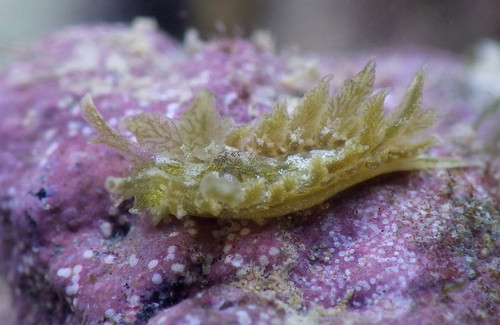
Sacoglossa
Sacoglossa are a superorder of small sea slugs and sea snails, marine gastropod mollusks that belong to the clade Heterobranchia known as sacoglossans. There are 284 valid species recognized within this superorder. Sacoglossans live by ingesting the cellular contents of algae, hence they are sometimes called "sap-sucking sea slugs". Some sacoglossans simply digest the fluid which they suck from the algae, but in some other species, the slugs sequester and use within their own tissues living chloroplasts from the algae they eat, a very unusual phenomenon known as kleptoplasty, for the "stolen"

Aeshna
thumb|A. petalura female laying eggsPhulchowki, Nepal
thumb|A. petalura female laying eggsPhulchowki, Nepal
Sciurinae
Sciurinae () is a subfamily of squirrels (in the family Sciuridae), uniting the flying squirrels with certain related tree squirrels. Older sources place the flying squirrels in a separate subfamily (Pteromyinae) and unite all remaining sciurids into the subfamily Sciurinae, but this has been strongly refuted by genetic studies.
Cathartiformes
thumb|thumbtime=82|Turkey vultures coming in to the same roost they use for the season.

Hystricognathi
The Hystricognathi are an infraorder of rodents, distinguished from other rodents by the bone structure of their skulls. The masseter medialis (a jaw muscle) passes partially through a hole below each eye socket (called the infraorbital foramen) and connects to the bone on the opposite side. This, together with their lack of an infraorbital plate and the relative size of the infraorbital foramen, distinguishes hystricognaths from other rodent groups. The infraorder's name comes from Ancient Greek ὕστριξ (hústrix), meaning "porcupine", and γνάθος (gnáthos), meaning "jaw".

false trevally
species of fish

Vanessa
genus of insects

Nemesiidae
Nemesiidae is a family of mygalomorph spiders first described by Eugène Simon in 1889, and raised to family status in 1985. Before becoming its own family, it was considered part of "Dipluridae". The family is sometimes referred to as wishbone spiders due to the shape of their burrows.

Nyctibiidae
Potoos (family Nyctibiidae) are a group of birds related to the oilbird, with which they share the Sedentaves subclade. They are sometimes called poor-me-ones, after their haunting calls. The family Nyctibiidae was formerly included with the nightjars in the order Caprimulgiformes but is now placed in a separate order, Nyctibiiformes. There are seven species in two genera in tropical Central and South America. Fossil evidence indicates that they also inhabited Europe during the Paleogene.

Corvoidea
Corvoidea is a superfamily of birds in the order of Passeriformes.

Siren
genus of amphibians

Lasius
Lasius is a genus of formicine ants. The type species for this genus is the black garden ant, Lasius niger. Other major members, which live in drier heathland, are the cornfield ant, L. neoniger, and L. alienus. Other species include the temporary social parasites of the L. mixtus group and the hyper-social parasite L. fuliginosus. Lasius flavus is also a commonly seen species, building grassy hillocks in undisturbed pasture. In the Alps, these mounds – always aligned east to catch the first rays of the rising sun – have been traditionally used by goatherds as natural compasses. Species in the

Melittidae
Melittidae is a small bee family, with over 200 described species in three subfamilies. The family has a limited distribution, with all described species restricted to Africa and the northern temperate zone.

Dactyloidae
Dactyloidae are a family of lizards commonly known as anoles (singular anole ) and native to warmer parts of the Americas, ranging from southeastern United States to Paraguay. Instead of treating it as a family, some authorities prefer to treat it as a subfamily, Dactyloinae, of the family Iguanidae. In the past they were included in the family Polychrotidae together with Polychrus (bush anoles), but the latter genus is not closely related to the true anoles.

Arctoidea
Arctoidea is an infraorder of mostly carnivorous mammals which include the extinct Hemicyonidae (dog-bears), and the extant Musteloidea (weasels, raccoons, skunks, red pandas), Pinnipedia (seals, sea lions), and Ursidae (bears), found in all continents from the Eocene, , to the present. The oldest group of the clade is the bears, as their CMAH gene is still intact. The gene became non-functional in the common ancestor of the Mustelida (the musteloids and pinnipeds). Arctoids are caniforms, along with dogs (canids) and extinct bear dogs (Amphicyonidae). The earliest caniforms were superficially

Pagellus
Pagellus is a genus of marine ray-finned fish belonging the family Sparidae, which includes the seabreams and porgies. These fishes are found in the eastern Atlantic Ocean, the Mediterranean Sea and the western Indian Ocean.