Category
page 1Herbal teas

Matricaria chamomilla
species of plant

mate
traditional infusion from the yerba mate plant, from Paraguay, Guarani people.

Tilia cordata
species of plant

yerba mate
species of plant

Hibiscus sabdariffa
species of plant, Roselle

herbal tea
beverage made from the infusion or decoction of herbs, spices, or other plant material in hot water
.jpg)
Aspalathus linearis
thumb|Flowers
thumb|Plant
Rooibos ( ; , ), or , is a broom-like member of the plant family Fabaceae that grows in South Africa's Fynbos biome. The leaves are used to make a caffeine-free herbal infusion that has been popular in Southern Africa for generations. Since the 2000s, rooibos has gained popularity internationally, with an earthy flavour and aroma that is similar to those of yerba mate or tobacco.

Rhododendron tomentosum
species of plant
rose hip
accessory fruit of the Rosa plant genus

Mitragyna speciosa
species of plants

salep
Salep, also spelled sahlep, salepi or sahlab, is a flour made from the tubers of the orchid genus Orchis (including species Orchis mascula and Orchis militaris). These tubers contain a nutritious, starchy polysaccharide called glucomannan. Salep flour is consumed in beverages and desserts, especially in the cuisines of the former Byzantines and Ottoman, notably in the Levant where it is a traditional winter beverage. An increase in consumption is causing local extinctions of orchids in parts of Greece, Turkey, and Iran.

Sideritis
Sideritis, also known as ironwort, mountain tea and '''shepherd's tea''', is a genus of flowering plants known for their use as herbal medicine, commonly as a herbal tea. They are abundant in Mediterranean regions, the Balkans, the Iberian Peninsula and Macaronesia, but can also be found in Central Europe and temperate Asia.

árnica
Peumus boldus, commonly known as boldo (from the Mapuche name foḻo), is a species of tree in the family Monimiaceae and the only species in the genus Peumus. It is endemic to the central region of Chile, between 33° and 40° southern latitude. Boldo has also been introduced to Europe and North Africa, though it is not often seen outside botanical gardens.
barley tea
infusion made from roasted barley grains
.JPG)
chamomile
thumb|upright|German chamomile, Matricaria chamomilla
thumb|upright|Roman chamomile, Chamaemelum nobile
Chamomile (American English) or camomile (British English; see spelling differences) ( or ) is the common name for several plants of the family Asteraceae. Two of the species, Matricaria chamomilla and Chamaemelum nobile, are commonly used to make herbal infusions for beverages. Chamomile is used as a flavoring in foods, beverages, and cosmetics, in herbal teas, in brewing beer, and as a ground cover or seating plant in gardens.

tereré
'''' (of Guaraní origin) is an infusion of (botanical name Ilex paraguariensis) prepared with cold water, a lot of ice and pohã ñana'' (medicinal herbs), and in a large vessel. This infusion has its roots in Pre-Columbian America, which established itself as traditional during the time of Governorate of Paraguay. There's also a variant made with juice, called "Juice tereré" or "Russian tereré", depending on the region. On December 17, 2020, UNESCO declared the tereré of Paraguay as an intangible cultural heritage, which includes the drink (tereré) and its preparation methods with medicinal her

Gynostemma pentaphyllum
species of plant

Tagetes lucida
species of plant

Rhododendron groenlandicum
species of plant

Ilex guayusa
species of plant
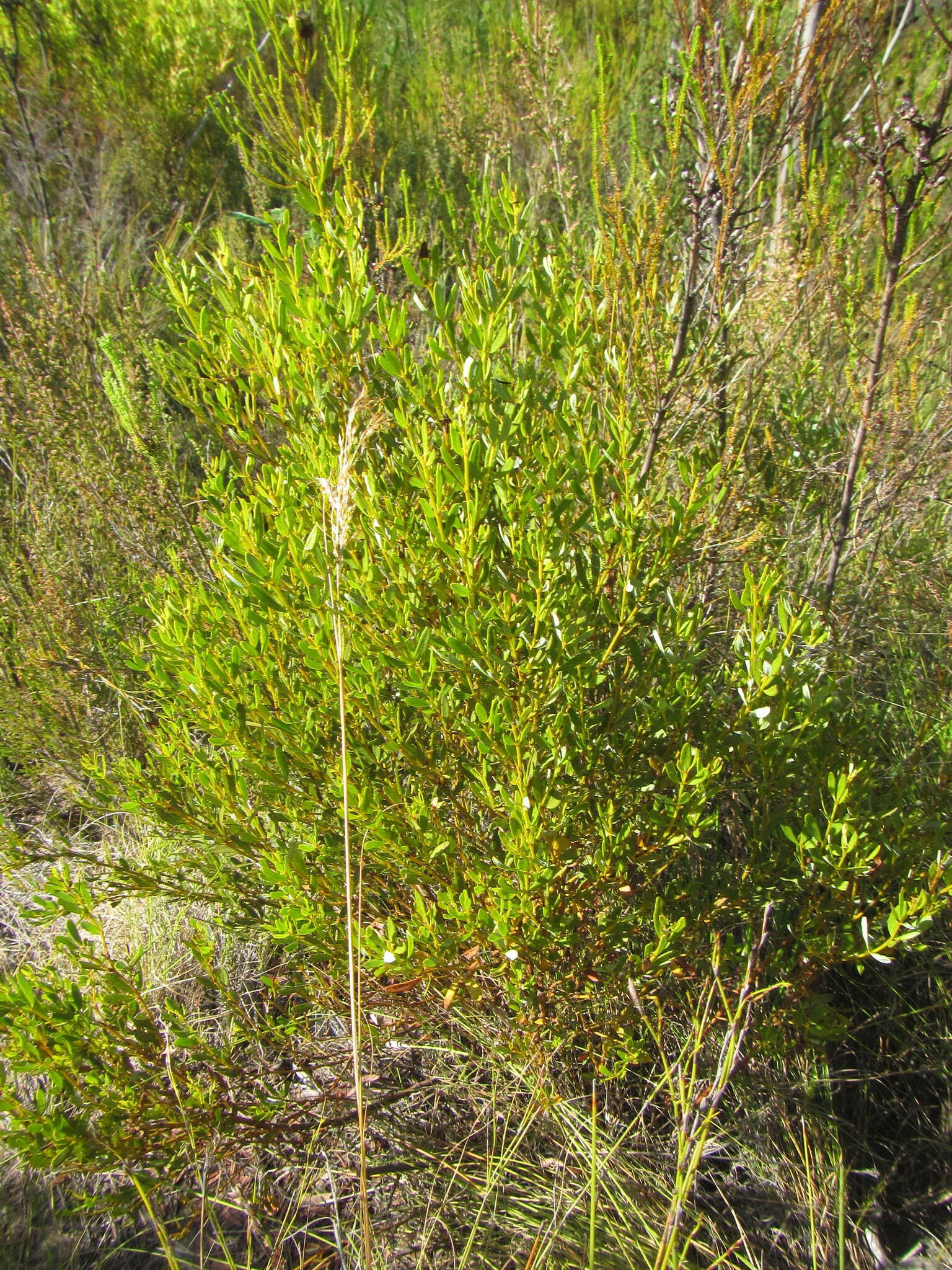
Cyclopia
genus of plants
coca tea
infusion of coca plant leaves
ginger tea
hot water infused ginger roots
mate tea
beverage made from the infusion of roasted yerba mate leaves

lapacho
thumb|right|Lapacho
Lapacho or taheebo is herbal tea made from the inner bark of the pau d'arco tree Handroanthus impetiginosus.
corn tea
beverage made by infusing roasted corn kernels
yuja-cha
traditional Korean beverage made by diluting yuzu marmalade with water
mint tea
tea made by infusing mint leaves
dandelion coffee
a tisane made from the root of the dandelion plant
brown rice tea
beverage made by infusing roasted brown rice grains
coffee-leaf tea
herbal tea prepared from the leaves of the coffee plant
black drink
ritual beverage used in purification ceremonies brewed by Native Americans in the Southeastern United States

kuding
thumb|Twisted kuding leaves ready for brewing (Ilex kaushue)
thumb|Kuding Ilex kaushue, "" ()
thumb|Kuding Ligustrum robustum, "" ()Kuding (; pronounced ) is a particularly bitter-tasting Chinese infusion, which due to their similarities in appearance is derived from several plant species. The two most common plants used to make kuding are the wax tree species Ligustrum robustum and the holly species Ilex kaushue (synonym: Ilex kudingcha), the former being more commonly grown in Sichuan and Japan while the latter is most commonly grown and used in the rest of China and Vietnam. Tea produced fr

Cyclopia intermedia
species of plant
cannabis tea
cannabis-infused drink
Qishr
Qishr ( geshir, gishr, kishr) is a Yemeni traditional hot drink made of spiced coffee husks, ginger, and sometimes cinnamon. In Yemen, it is usually drunk as an alternative to coffee because it doesn't need to be roasted.
buckwheat tea
beverage made by infusing roasted buckwheat grains
lotus tea
beverage made by infusing leaves, flowers, roots of lotus
Wong Lo Kat
Cantonese herbal tea
Amacha
is a Japanese herbal tea made from fermented leaves of Hydrangea macrophylla var. thunbergii. The name derives from the characters for and .
Coffee cherry tea
herbal tea
white coffee
number of different kinds of coffees or coffee substitutes
Labrador tea
common name for the three closely related plant species
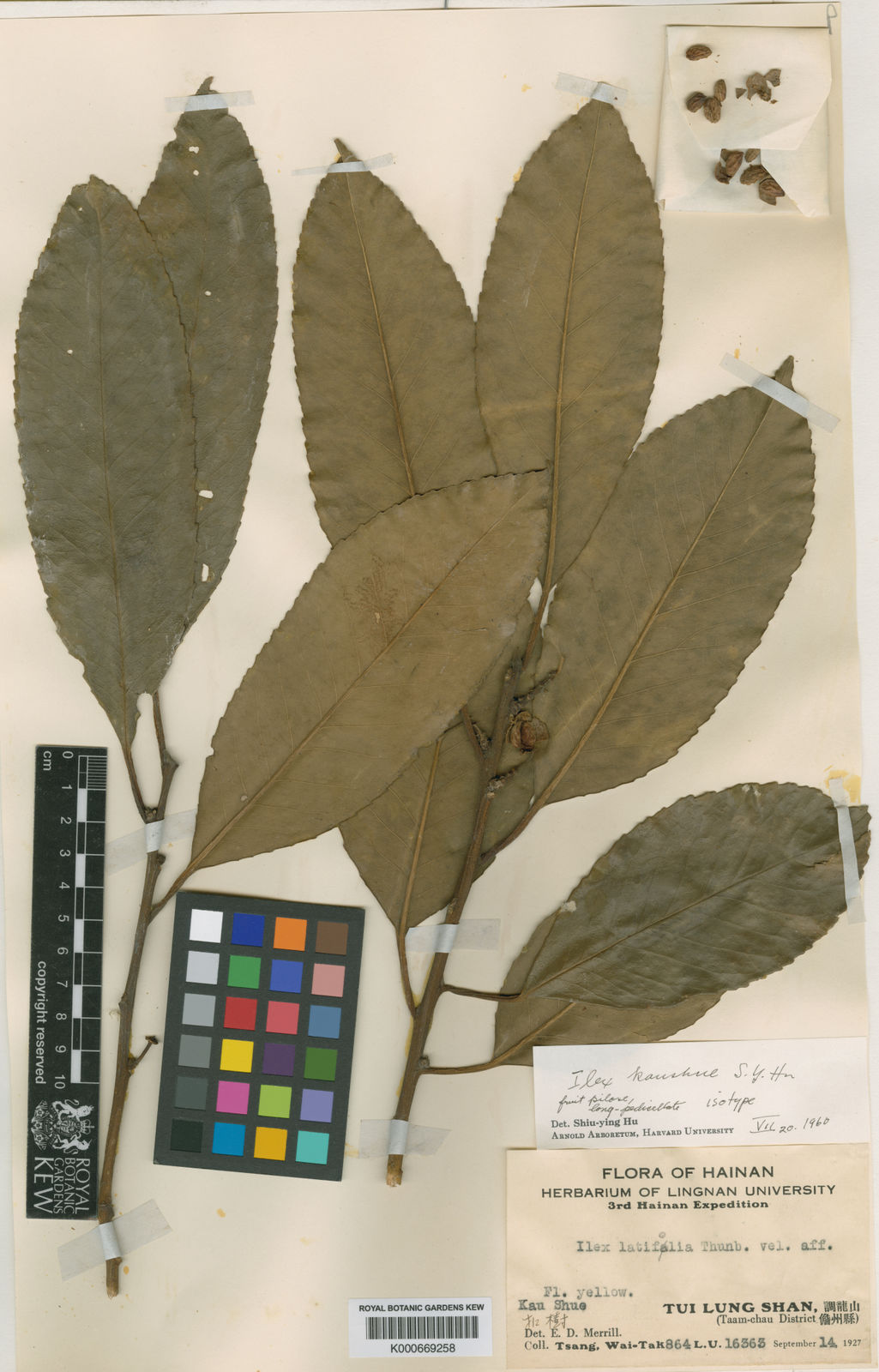
Ilex kaushue
species of plant
Tsheringma tea
Herbal tea made in Bhutan
mogwa-cha
Mogwa-cha () or quince tea is a traditional Korean tea made with Chinese quince. Most commonly, mogwa-cha is prepared by mixing hot water with mogwa-cheong (quince preserved in honey or sugar). Alternatively, it can also be made by boiling dried quince in water or mixing powdered dried quince with hot water.
Essiac
Essiac is a herbal tea promoted as an alternative treatment for cancer and other illnesses. There is no evidence it is beneficial to health. In a number of studies Essiac either showed no action against cancer cells, or actually increased the rate of cancer growth.
jeho-tang
Jeho-tang () is a traditional Korean cold drink made with honey and several ingredients used in traditional Korean medicine. The ingredients include omae (, "smoked unripe plums"), sain (, "medicinal cardamom"), baekdanhyang (, "white sandalwood"), and chogwa (, "black cardamom"). The powdered ingredients are mixed together with honey and water and then boiled. After the liquid is chilled, it is diluted in cold water. It was considered the best summer drink in Korean royal court cuisine.
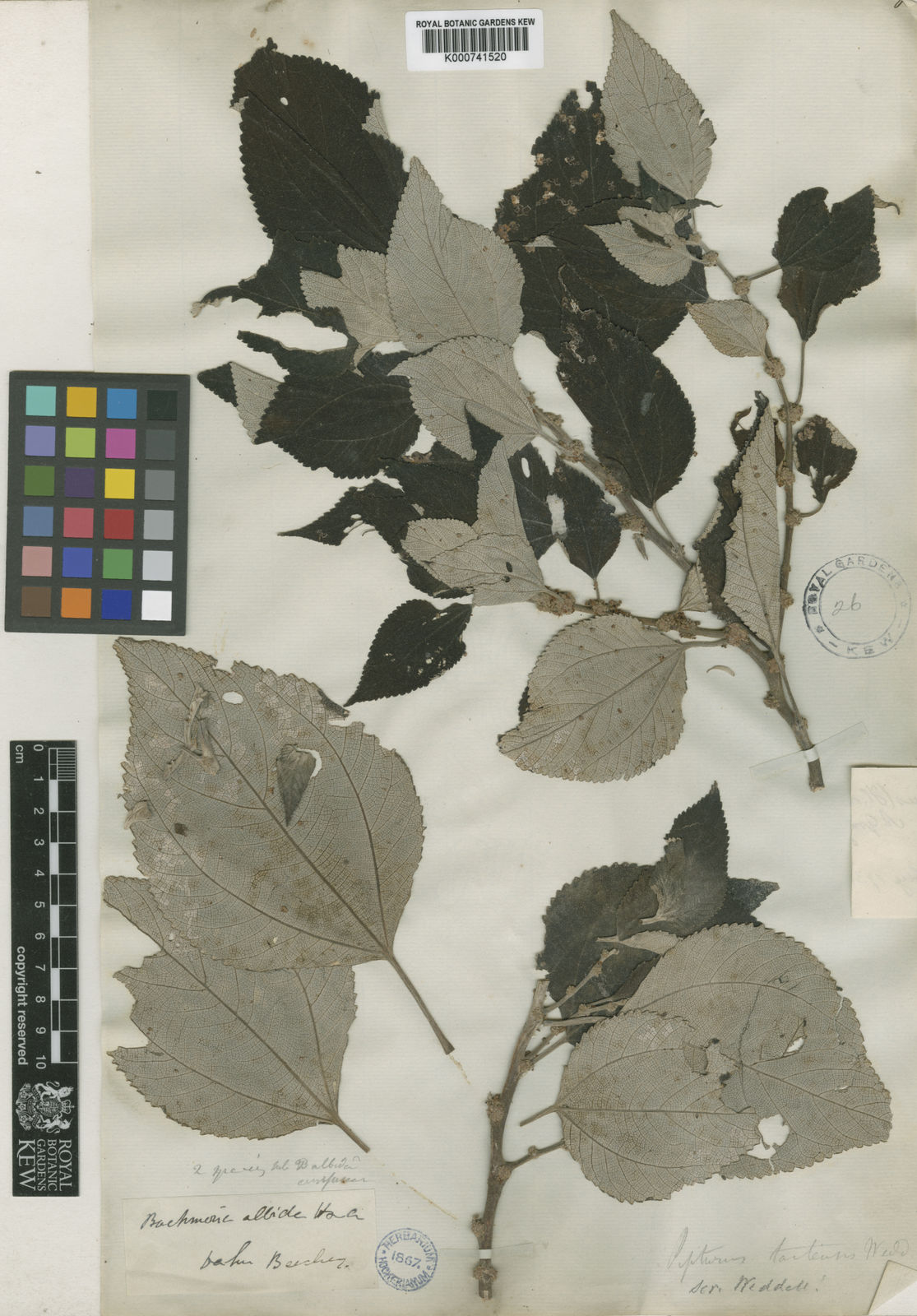
Pipturus albidus
species of plant
kelp tea
East Asian tea made from seaweed
poppy tea
any herbal infusion brewed from poppy straw or seeds of several species of poppy
Matte Leão
Brazilian brand of herbal tea drinks
gyepi-cha
herbal tea
mushroom tea
infusion of mushrooms in water

Clinopodium douglasii
species of plant
24 flavors
Cantonese herbal tea
ogwa-cha
Ogwa-cha () or five fruit tea is a traditional Korean tea made with walnut, ginkgo, jujube, chestnut, and gotgam (dried persimmon). The ingredients are mashed with ginger, boiled in water, and strained to make the tea. Optionally, honey can be added to taste.