Category
page 1Lamiaceae

Lamiaceae
Lamiaceae or Labiatae is a family of flowering plants commonly known as mints, deadnettles, or sages. Many species in Lamiaceae are aromatic, and the family includes many widely used culinary herbs like basil, mint, rosemary, sage, savory, marjoram, oregano, hyssop, thyme, lavender, and perilla, as well as traditional medicines such as catnip, skullcap, bee balm, wild dagga, and oriental motherwort.

Melissa officinalis
lemon balm, a species of plant, herb

Tectona grandis
Teak (Tectona grandis) is a tropical hardwood tree species in the family Lamiaceae. It is a large, deciduous tree that occurs in mixed hardwood forests. Tectona grandis has small, fragrant white flowers arranged in dense clusters (panicles) at the end of the branches. These flowers contain both types of reproductive organs (perfect flowers). The large, papery leaves of teak trees are often hairy on the lower surface. Teak wood has a leather-like smell when it is freshly milled and is particularly valued for its durability and water resistance. The wood is used for boat building, exterior const

Satureja
Satureja is a genus of aromatic plants of the family Lamiaceae, related to rosemary and thyme. It is native to southern and southeastern Europe, North Africa, the Middle East, and Central Asia. Historically, Satureja was defined broadly and many species of the subtribe Menthinae from throughout the world were included in it. In the modern cladistic era of botany, Satureja was redefined to a narrower monophyletic genus whose species are all native to Eurasia. Several species are cultivated as culinary herbs called savory, and they have become established in the wild in a few places.

Glechoma hederacea
species of plant

Hyssopus officinalis
species of plant

Leonurus cardiaca
species of plant

Satureja hortensis
species of plant

Leonurus
Leonurus (motherwort) is a genus of flowering plants in the family Lamiaceae. It is native to Europe and Asia, naturalized in New Zealand, Hawaii, New Caledonia, and much of North and South America.

Hyssopus
genus of plants

Betonica officinalis
species of plant

Melissa
genus of plants

Glechoma
Glechoma is a genus of flowering plants in the mint family, Lamiaceae, first described for modern science in 1753. It is distributed in northern Asia and Europe with a center of diversity in Asia, especially China. One species is naturalized in New Zealand and in North America.

Satureja montana
species of plant

Tectona
Tectona is a genus of tropical hardwood trees in the mint family, Lamiaceae. The three species are often collectively called teak.

Melittis melissophyllum
Melittis melissophyllum is a species of flowering plant in the mint family, Lamiaceae. Its common name is bastard balm. It is the only species in the monotypic genus Melittis. The genus name is derived from the Greek melitta, which is in turn from melissa ("a bee").

Perilla frutescens
species of plant

thyme
Thyme () is a culinary herb consisting of the dried aerial parts of some members of the genus Thymus of flowering plants in the mint family Lamiaceae. Thymes are native to Eurasia and North Africa. Thymes have culinary, medicinal, and ornamental uses. The species most commonly cultivated and used for culinary purposes is Thymus vulgaris, native to Southeast Europe.

Caryopteris
Caryopteris (bluebeard; ) is a genus of flowering plants in the family Lamiaceae (formerly often placed in the family Verbenaceae). They are native to east Asia (China, Korea, Japan, Mongolia).

Betonica
Betonica is a genus of the plants in the family Lamiaceae.

Hyptis suaveolens
species of plant

Salvia yangii
flowering herbaceous perennial plant in the family Lamiaceae

Leonurus sibiricus
species of plant

Leonotis
Leonotis is a genus of flowering plants in the family Lamiaceae. One species, Leonotis nepetifolia, is native to tropical Africa and southern India. It is naturalized throughout most of the tropics. The other species are endemic to southern + eastern Africa.
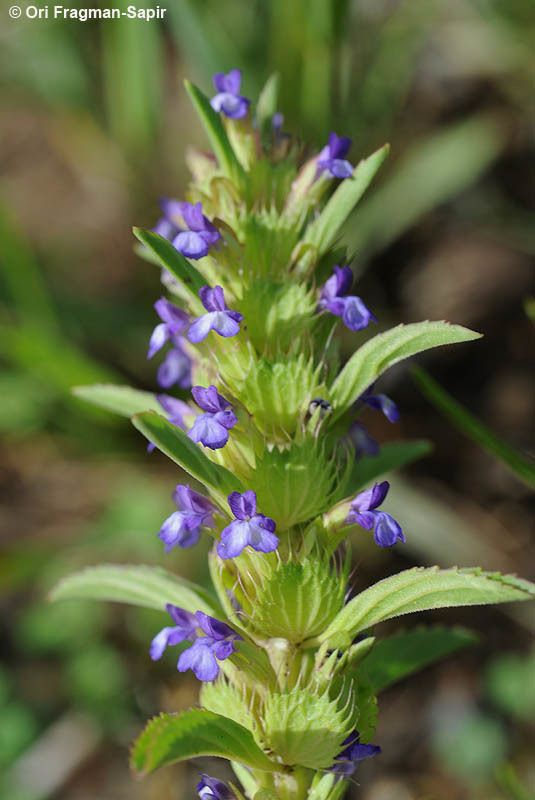
Lallemantia
Lallemantia is a genus of flowering plants in the family Lamiaceae. It is named after the German botanist Julius Léopold Eduard Avé-Lallemant.

Leonotis nepetifolia
species of plant

Leonotis leonurus
species of plant

Physostegia
Physostegia, the lionshearts or false dragonheads (in reference to their similarity to Dracocephalum), is a genus of flowering plants in the family Lamiaceae, native to North America (United States, Canada, northern Mexico). They are erect rhizomatous herbaceous perennials inhabiting damp, sunny places.
They grow up to tall with purple or pink tubular flowers in racemes in summer.

Elsholtzia ciliata
species of plant

Perilla
Perilla is a genus consisting of one major Asiatic crop species Perilla frutescens and a few wild species in nature belonging to the mint family, Lamiaceae. The genus encompasses several distinct varieties of Asian herb, seed, and vegetable crop, including P. frutescens (deulkkae) and P. frutescens var. crispa (shiso). The genus name Perilla is also a frequently employed common name ("perilla"), applicable to all varieties. Perilla varieties are cross-fertile and intra-specific hybridization occurs naturally. Some varieties are considered invasive.

Phlomoides tuberosa
species of plant

Nepetoideae
Nepetoideae is a subfamily of plants in the family Lamiaceae.

Moluccella
Moluccella is a genus of annual and short-lived perennial plants native to Central + southwestern Asia and the Mediterranean. They are tall, upright, branched plants to or more with toothed leaves and small white fragrant flowers.

Elsholtzia
Elsholtzia is a plant genus in the Lamiaceae (mint family). It is widespread across much of temperate and tropical Asia from Siberia south to China, Northeastern India, Indonesia, etc.
The genus was named in honour of the Prussian naturalist Johann Sigismund Elsholtz.

Leonurus japonicus
species of plant
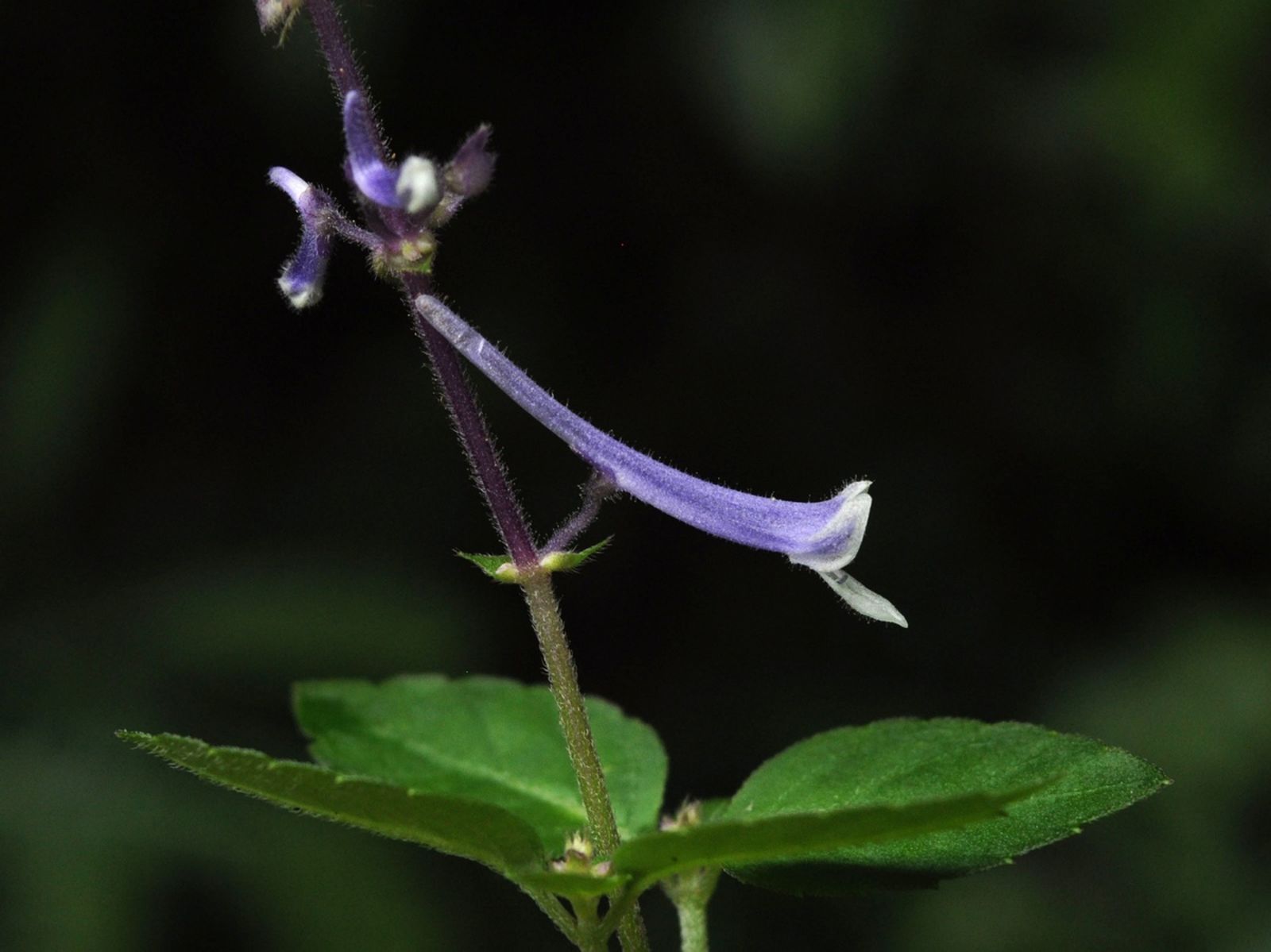
Platostoma
Platostoma is a genus of flowering plants in the mint family, Lamiaceae, first described as a genus in 1818. It is native to tropical parts of Africa, southern Asia, Papuasia, and Australia. Mesona and Acrocephalus has been known as its synonyms.

Moluccella laevis
species of plant
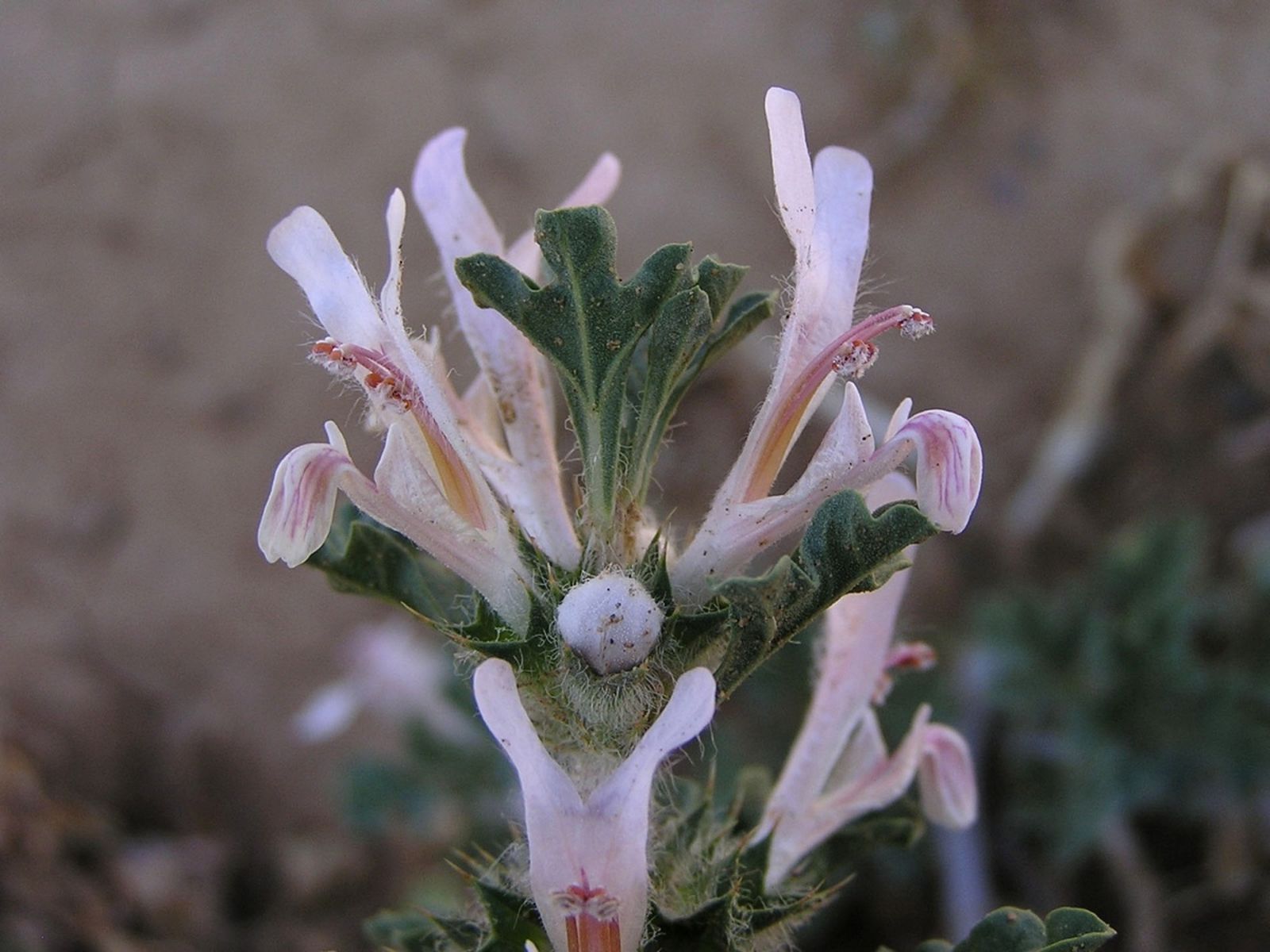
Lagochilus
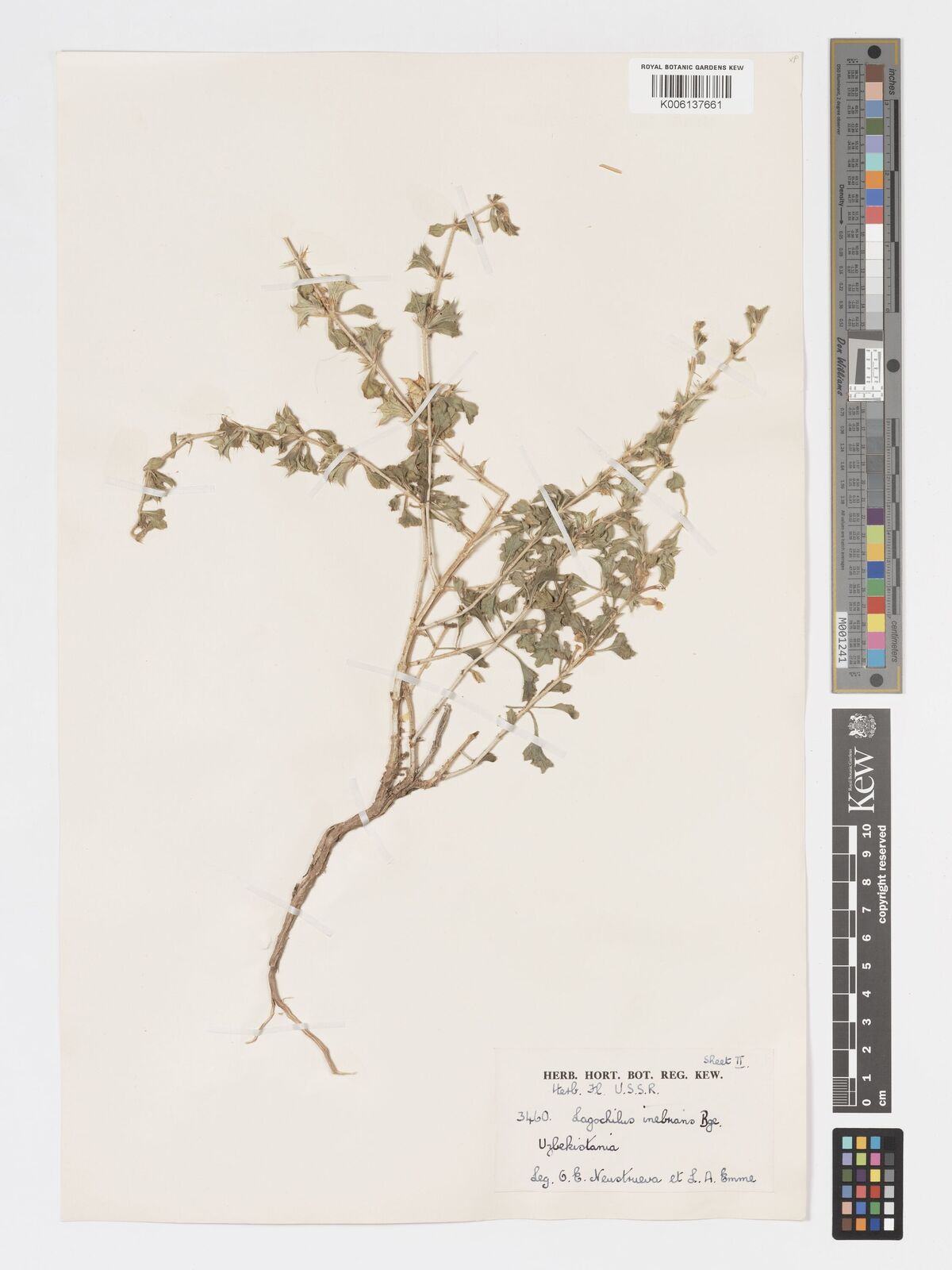
Lagochilus is a genus of the mint family that contains Turkistan mint (Lagochilus inebrians).
It is native to central, south-central, and eastern Asia (Iran, Pakistan, Kazakhstan, Mongolia, China, etc.).

Blephilia
Blephilia, the pagoda plant or wood mint, is a genus of four species of flowering plants in the family Lamiaceae. They are all herbaceous plants native to eastern North America. Blephilia are most often found in open areas, glades, and mesic forests. All species of Blephilia are considered threatened or endangered in some states.
.jpg)
Perilla frutescens var. crispa
Lamioideae
Lamioideae is a subfamily of plants in the family Lamiaceae.
Viticoideae
Viticoideae is one of seven subfamilies in the family Lamiaceae.

Phlomoides
Phlomoides, also called Jerusalem sage and Lampwick plant, is a genus of over 130 species of flowering plants in the family Lamiaceae, native from the eastern Mediterranean Basin through Eastern Europe, western and central Asia, and the Indian subcontinent to China, Korea, and the Russian Far East. Phlomoides now comprises many species formerly in the genus Phlomis, and the former genera Eremostachys, Lamiophlomis, Notochaete, and Pseuderemostachys.
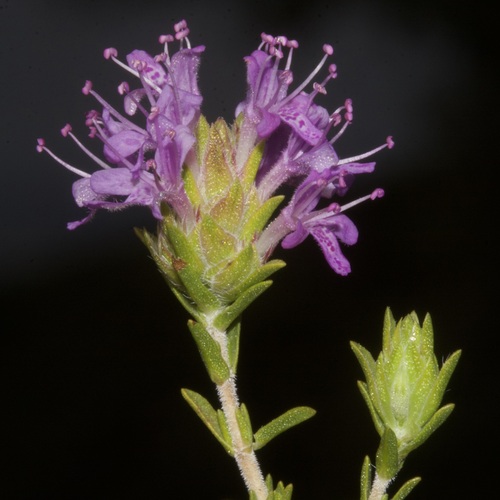
Thymbra
genus of plants

Clinopodium acinos
species of plant

Solenostemon
thumb|Cultivar of Coleus scutellarioides, formerly Solenostemon scutellarioides

Minthostachys
Minthostachys is a genus of the mint family Lamiaceae, comprising aromatic scandent shrubs. It occurs along the Andes from Northern Venezuela through Colombia, Ecuador, Peru and Bolivia to Central Argentina.

Collinsonia
Collinsonia is a genus of flowering plants in the family Lamiaceae. It is native to East Asia and eastern North America. It was named for the English botanist Peter Collinson (1694–1768) by Carl Linnaeus in Species Plantarum in 1753. It is in the tribe Elsholtzieae, a small tribe of only 5 genera. In order of their number of species, they are Elsholtzia, Mosla, Collinsonia, Perilla, and Perillula.
Isodon
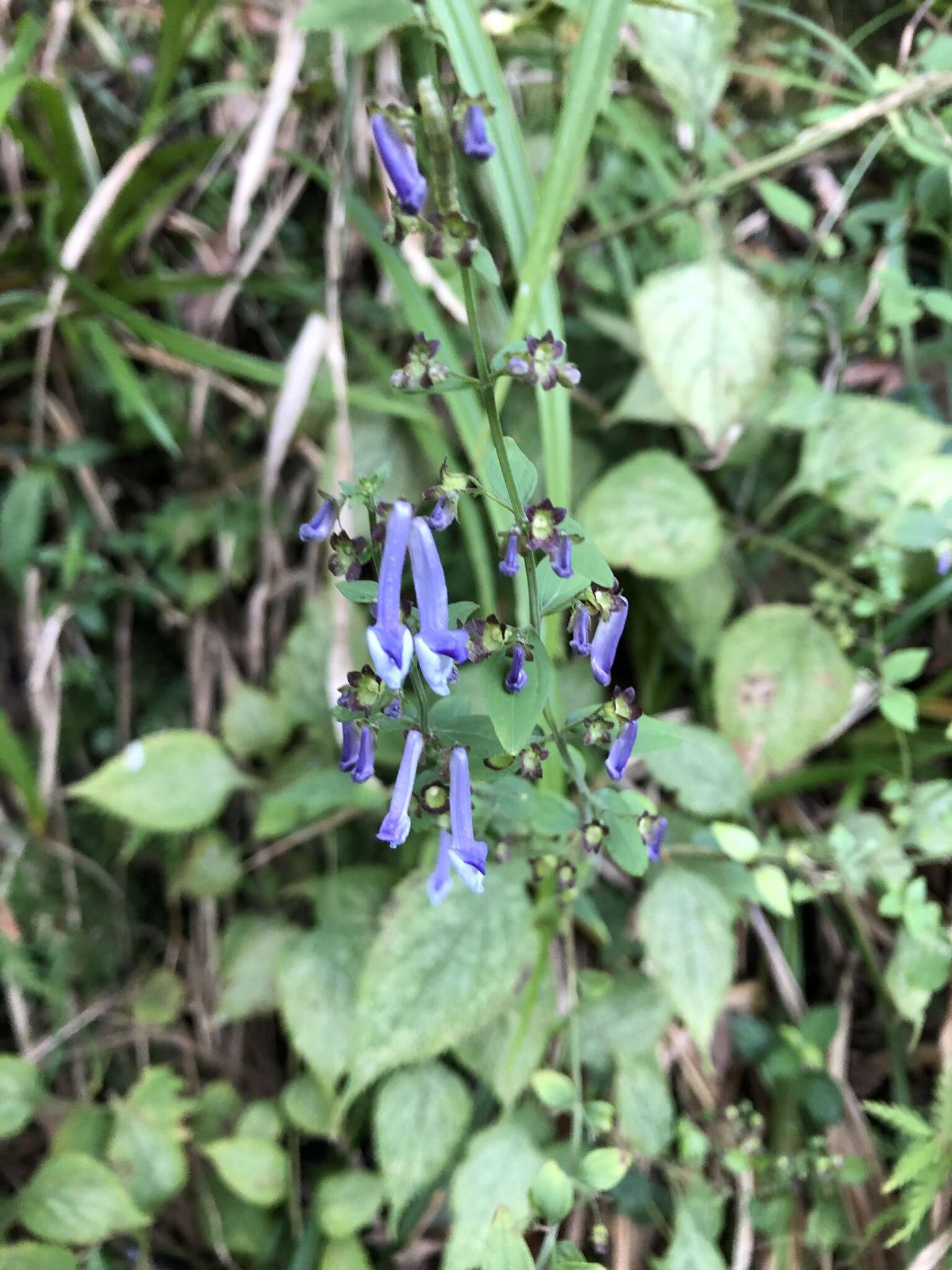
Isodon (teacost) is a genus of flowering plants in the family Lamiaceae described in 1840. It is native to tropical and subtropical parts of the Old World, primarily Asia but two species are from Africa. Many of the species are endemic to China, where it is called xiangchacai or "fragrant tea". In China, a rapid radiation of Isodon occurred during the Pliocene that coincided with a shift from herbs inhabiting humid areas to shrubs inhabiting dry valleys.
Mosla
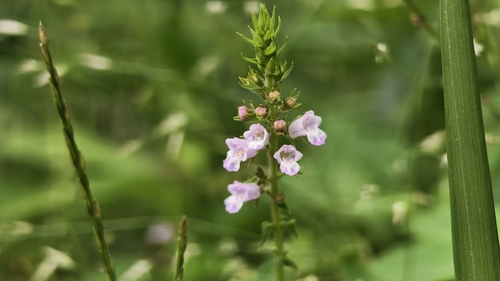
Mosla is a genus of plants in the family Lamiaceae, first described as a genus in 1875. It is native to eastern Asia, the Himalayas, and southeastern Asia.

Platostoma palustre
species of plant

Rotheca serrata
species of plant

Volkameria
Volkameria is a genus of flowering plants in the family Lamiaceae. It is pantropical in distribution. Many of the species are found in coastal habitats.
Meehania
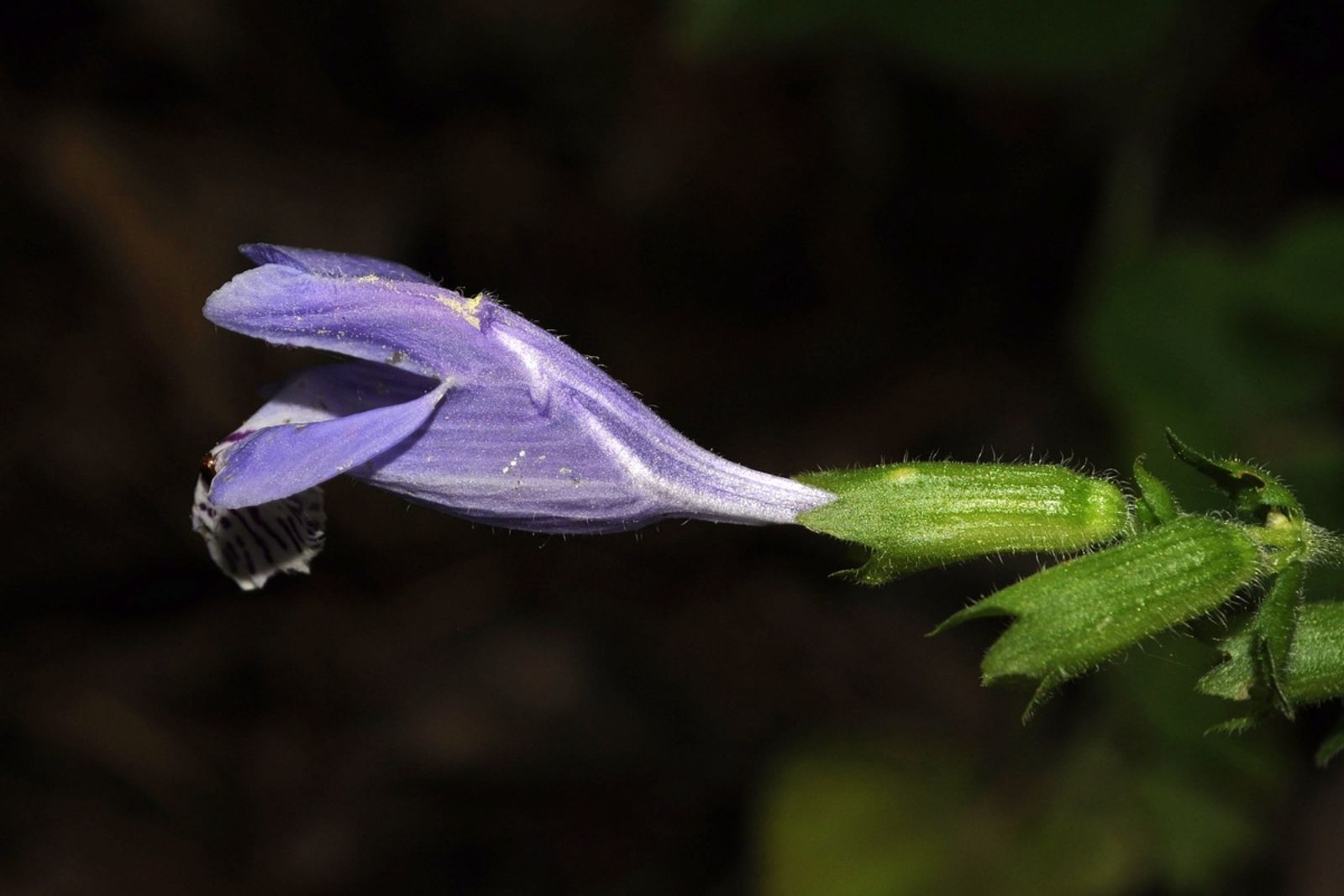
Meehania is a genus of flowering plants in the family Lamiaceae, first described in 1894. It is native to China, Japan, and the eastern United States.

Lallemantia iberica
species of plant

Chelonopsis
Chelonopsis is a genus of plants in the family Lamiaceae, first described in 1865. It is native to China, Japan, and the Western Himalayas.
Lagochilus inebrians
species of plant

Pseudodictamnus hirsutus
species of flowering plants in the sage family Lamiaceae

Minthostachys mollis
species of plant

Holmskioldia
Holmskioldia is a genus of flowering plants in the mint family, Lamiaceae. It is native to the Himalayas (India, Pakistan, Nepal, Bhutan, Bangladesh, Myanmar) but widely cultivated as an ornamental and naturalized in many places (Southeast Asia, New Caledonia, Hawaii, Mexico, West Indies, Venezuela, etc.) It contains only one known species, Holmskioldia sanguinea, commonly called the Chinese hat plant, cup-and-saucer-plant or '''mandarin's hat.'''