Category
page 1Marketing techniques
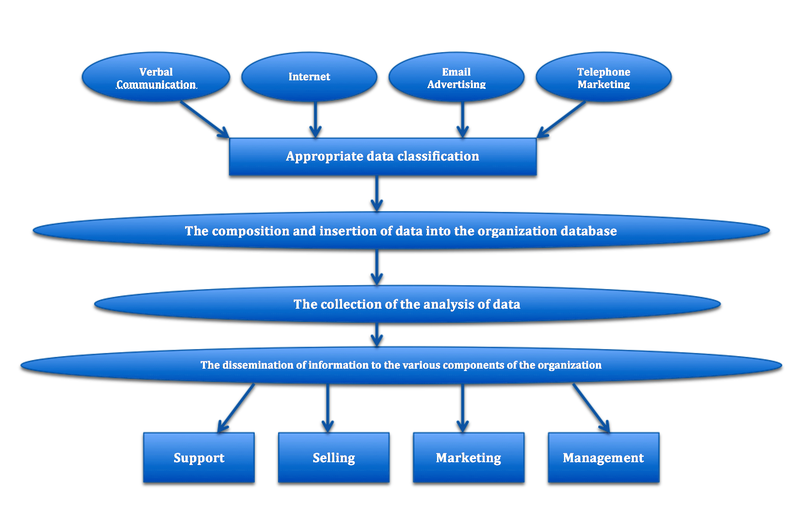
customer relationship management
process of managing interactions with customers

planned obsolescence
practice of planning or designing a product with an artificially limited useful life

trailer
advertisement for a feature film

kiosk
thumb|170px|Late Art Nouveau kiosk (1923) in [[Las Palmas de Gran Canaria]]
thumb|170px|Trajan's Kiosk from 1st century BC on Agilika island, Egypt
The German Fountain at the Hippodrome of Istanbul|thumb|170px
thumb|Fortín's Kiosk, México

marketing mix
model for businesses

digital marketing
marketing of products or services using digital technologies or digital tools

product placement
marketing technique where references to specific brands or products are incorporated, inline, into another work
internet marketing
marketing based on the use of online assets

merchandising
thumb|A coffee mug is a classical merchandising article employed by a broad range of entities from very small businesses up to multinational companies like [[IBM, and is also frequently used by musical groups.]]
Merchandising is the practice of contributing to the sale of products ("merch" colloquially) to a retail consumer by displaying for-sale products in ways that entice customers to purchase more items or products.
advertising slogan
short phrases used in advertising campaigns
direct marketing
model of communicating discounts and other sales offers to pre-selected customers
Growth-share matrix
BCG MATRIX
marketing strategy
business strategy for marketing and advertising
search engine marketing
A form of internet marketing that involves promoting websites by increasing their visibility in search engine results pages, primarily through paid advertising.
Google bomb
practice that causes a webpage to have a high rank in Google
email marketing
the act of sending a commercial message, typically to a group of people, using email
fear, uncertainty and doubt
tactic used to influence opinion by disseminating negative, dubious, or false information
AIDA marketing
acronym that stands for Attention or Awareness, Interest, Desire and Action
Embrace, Extend and Extinguish
Microsoft business strategy in acquiring software platforms
unique selling proposition
individual claim that differentiates a product or service
advertising campaign
series of advertisements centered around a particular theme or character

rebranding
thumb|Air Line Diner on Astoria Boulevard, Queens, New York City, partially rebranded as Jackson Hole Diner
pink tax
form of economic discrimination that occurs when women are charged a higher price than men for equivalent goods or services
interactive kiosk
computer terminal that provides access to information, communication, commerce etc.
appeal to fear
fallacy in which a person attempts to create support for an idea by using deception and propaganda in attempts to increase fear and prejudice toward a competitor
vendor lock-in
dependency of customers on a vendor for products
email spam
unsolicited electronic advertising by e-mail
word-of-mouth marketing
differs from naturally occurring word of mouth, in that it is actively influenced or encouraged by organizations
brick
totally non-functional electronic device
home staging
act of preparing a private residence for sale in the real estate marketplace
false advertising
misleading content in advertisements
product bundle
several products combined for sale as one product
in-game advertising
the use of computer and video games as a medium in which to deliver advertising
ambush marketing
type of marketing strategy

infomercial
An infomercial is a form of television commercial that resembles regular TV programming yet is intended to promote or sell a product, service or idea. It generally includes a toll-free telephone number or website. Most often used as a form of direct response television (DRTV), they are often programlength commercials (long-form infomercials), and are typically 28:30 or 58:30 minutes in length. Infomercials are also known as "paid programming" (or "teleshopping" in Europe). This phenomenon started in the United States, where infomercials were typically shown overnight and early morning (us
G. E. multi factoral analysis
technique used in brand marketing and product management
.jpg)
unboxing
thumb|An unboxing of a Traktor Kontrol Z2
novelty architecture
type of architecture copying unusual shapes for purposes of advertising or mimicry
behavioral targeting
loss leader
product sold below cost to stimulate other, more profitable sales

tie-in
A tie-in work is a work of fiction or other product based on a media property such as a film, video game, television series, board game, website, role-playing game or literary property. Tie-ins are authorized by the owners of the original property, and are a form of cross-promotion used primarily to generate additional income from that property and to promote its visibility.

referral marketing
method of promoting products or services to new customers through referrals, usually word of mouth
reputation management
the act of influencing, controlling, enhancing, or concealing of an individual's or group's reputation
Point of sale display
sales promoted
celebrity branding
form of advertising campaign or marketing strategy
branded content
entertainment product funded by an advertiser
shock advertising
a tactic used in the advertising industry
product demonstration
demonstration of a product to potential customers or others
razor-and-blades model
business model of selling high-profit consumables or subscription services for use with a subsidized durable good
showrooming
thumb|Electronic items are among those frequently examined by customers in a retail store prior to their online purchase.
Showrooming is the practice of examining merchandise in a traditional brick-and-mortar retail store or other offline setting, and then buying it online, sometimes at a lower price. Online stores often offer lower prices than their brick-and-mortar counterparts because they do not have the same overhead cost. Staff writers at the Wharton School have observed that showrooming and buying elsewhere is not new in itself, but its impact has become more significant with the greate
drip marketing
communication strategy
account-based marketing
also known as key account marketing, is a strategic approach to business marketing based on account awareness in which an organization considers and communicates with individual prospect or customer accounts as markets of one.
interactive advertising
advertising that uses interactive media
test market
limited population for market study
Gruen transfer
Psychological phenomenon used for increasing revenue
prize
marketing concept
demand-side platform
software which allows a digital advertiser to administer multiple ad exchange and data exchange accounts through one interface
advertising postcard
postcard used for advertising purposes
Agile Marketing
organizational strategy
Real-time marketing