Category
page 1Social philosophers

Aristotle
Aristotle (; 384–322 BC) was an ancient Greek philosopher and polymath. His writings cover a broad range of subjects spanning the natural sciences, philosophy, linguistics, economics, politics, psychology, and the arts. As the founder of the Peripatetic school of philosophy in the Lyceum in Athens, he began the wider Aristotelian tradition that followed, which set the groundwork for the development of modern science.

Confucius
Confucius (), born Kong Qiu, was a Chinese philosopher of the Spring and Autumn period who is traditionally considered the paragon of Chinese sages. Much of the shared cultural heritage of the Sinosphere originates in the philosophy and teachings of Confucius. His philosophical teachings, called Confucianism, emphasized personal and governmental morality, harmonious social relationships, righteousness, kindness, sincerity, and a ruler's responsibilities to lead by virtue.

Karl Marx
German-born philosopher (1818-1883)

Leo Tolstoy
Russian author (1828–1910)

The Buddha
Indian philosopher and the founder of Buddhism (623 or 563 BCE – 543 or 483 BCE)
Jean-Jacques Rousseau
Genevan philosopher, writer, and composer (1712-1778)

Adam Smith
Scottish moral philosopher and political economist (1723–1790)

Benjamin Franklin
American polymath and statesman (1706–1790)

Laozi
Laozi (, ; ), formerly Latinized as Laocius, was a legendary Chinese philosopher considered to be the author of the Tao Te Ching (Pinyin: Dào Dé Jīng), one of the foundational texts of Taoism. Modern scholarship generally regards his biographical details as later inventions and his opus a collaboration of various writers, with the name Laozi, literally meaning 'Old Master', likely intended to portray an archaic anonymity that could converse with Confucianism. Traditional accounts addend him as , born in the 6th-centuryBC state of Chu during China's Spring and Autumn period (). Serving as the r

Benedictus de Spinoza
Dutch philosopher (1632-1677)

Marcus Aurelius
16th Roman Emperor from 161 to 180 and Stoic philosopher
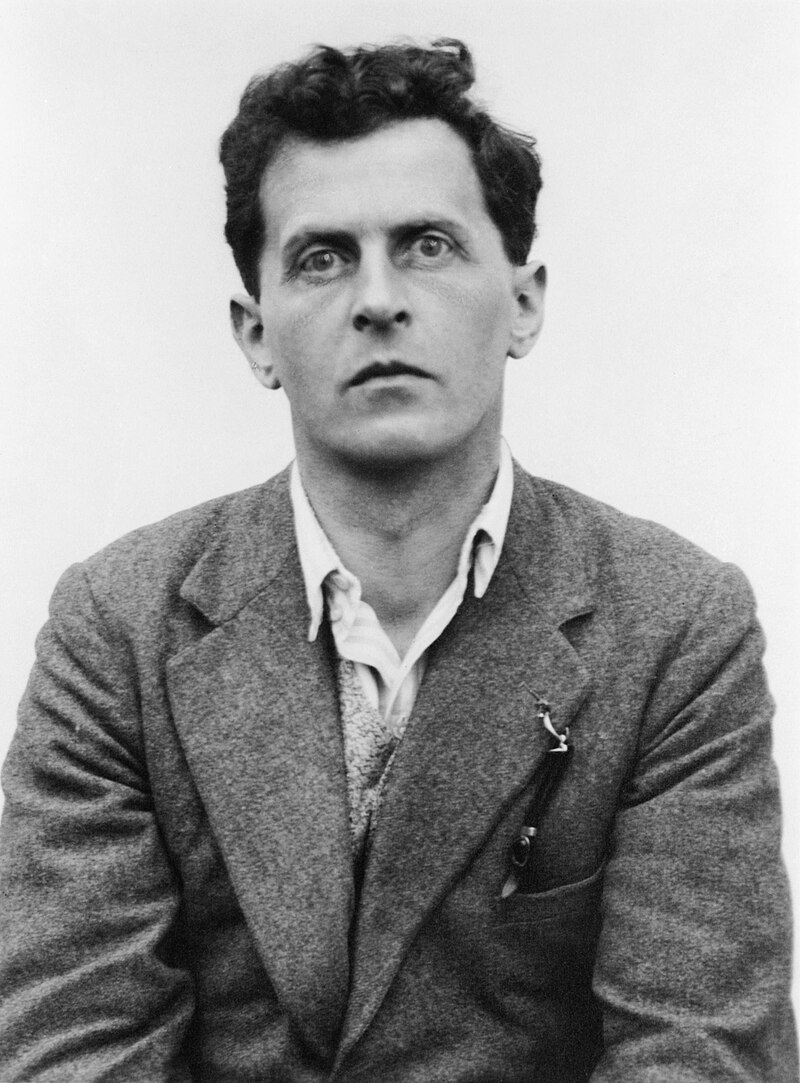
Ludwig Wittgenstein
Austrian philosopher and logician (1889–1951)

Thomas Hobbes
English philosopher (1588–1679)

John Milton
English poet and civil servant (1608–1674)
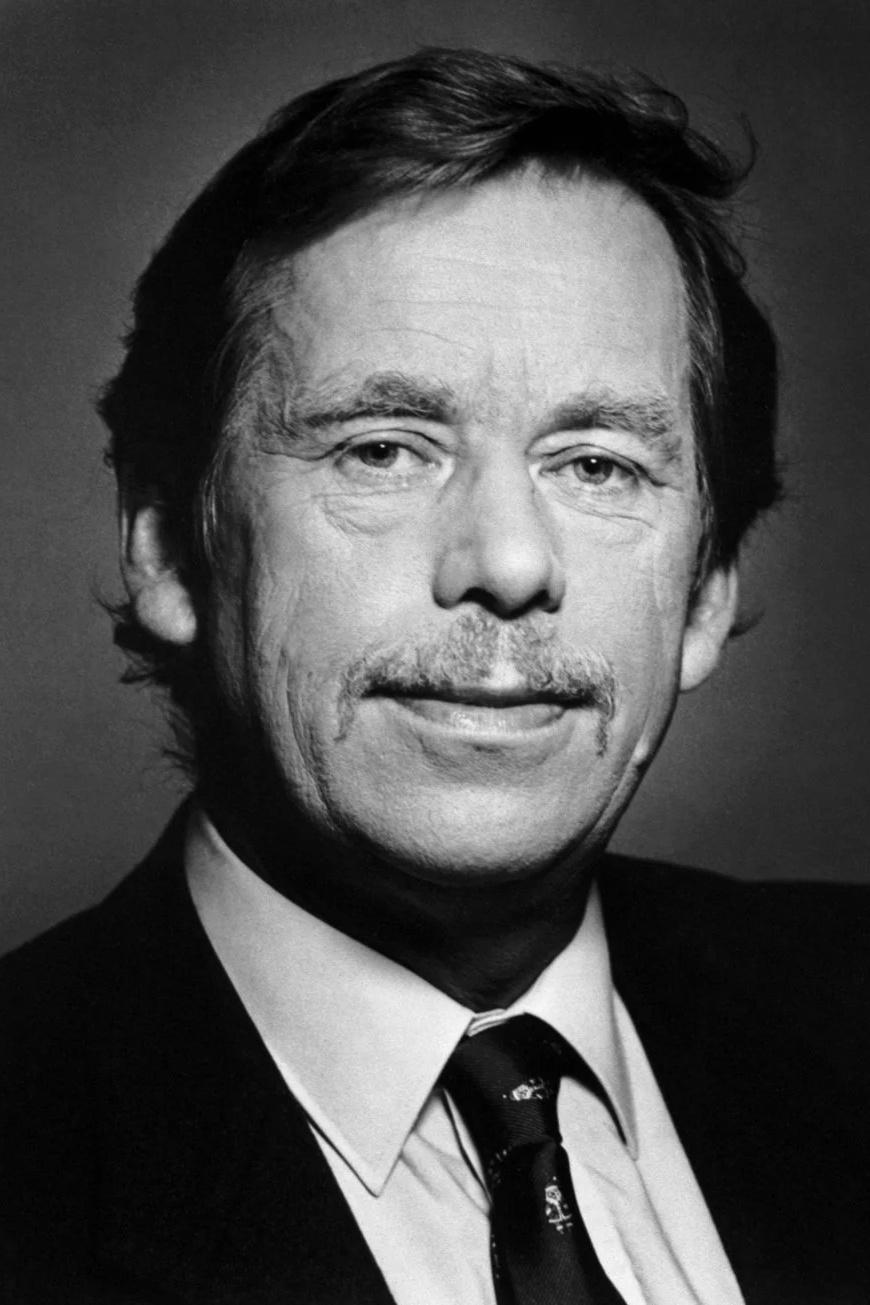
Václav Havel
Czech statesman, playwright, and former dissident, the last president of Czechoslovakia and the first president of the Czech Republic (1936–2011)

Mikhail Bakunin
Russian revolutionary anarchist and philosopher (1814–1876)

Thomas Paine
American Founding Father, philosopher, and political activist (1737–1809)

Averroes
Ibn Rushd (14 April 112611 December 1198), Latinized as Averroes, was an Andalusian polymath and jurist who was proficient in a variety of intellectual fields, including philosophy, theology, medicine, astronomy, physics, psychology, mathematics, neurology, Islamic jurisprudence and law, and linguistics. The author of more than 100 books and treatises, his philosophical works include numerous commentaries on Aristotle, for which he was known in the Western world as "The Commentator" and "Father of Rationalism".

Karl Popper
Austrian-British philosopher of science and social and política e falsificationism and for criticism of Plato, Hegel and Marx as totalitarian opponents of open society (1902-1994)

Xenophon
Xenophon of Athens (; ; 355/354 BC) was a Greek military leader, philosopher, and historian. At the age of 30, he was elected as one of the leaders of the retreating Greek mercenaries, the Ten Thousand, who had been part of Cyrus the Younger's attempt to seize control of the Achaemenid Empire. As the military historian Theodore Ayrault Dodge wrote, "the centuries since have devised nothing to surpass the genius of this warrior".

Hannah Arendt
German-American political theorist and philosopher (1906–1975)

Edmund Burke
Anglo-Irish statesman, political theorist and conservative philosopher (1729–1797)
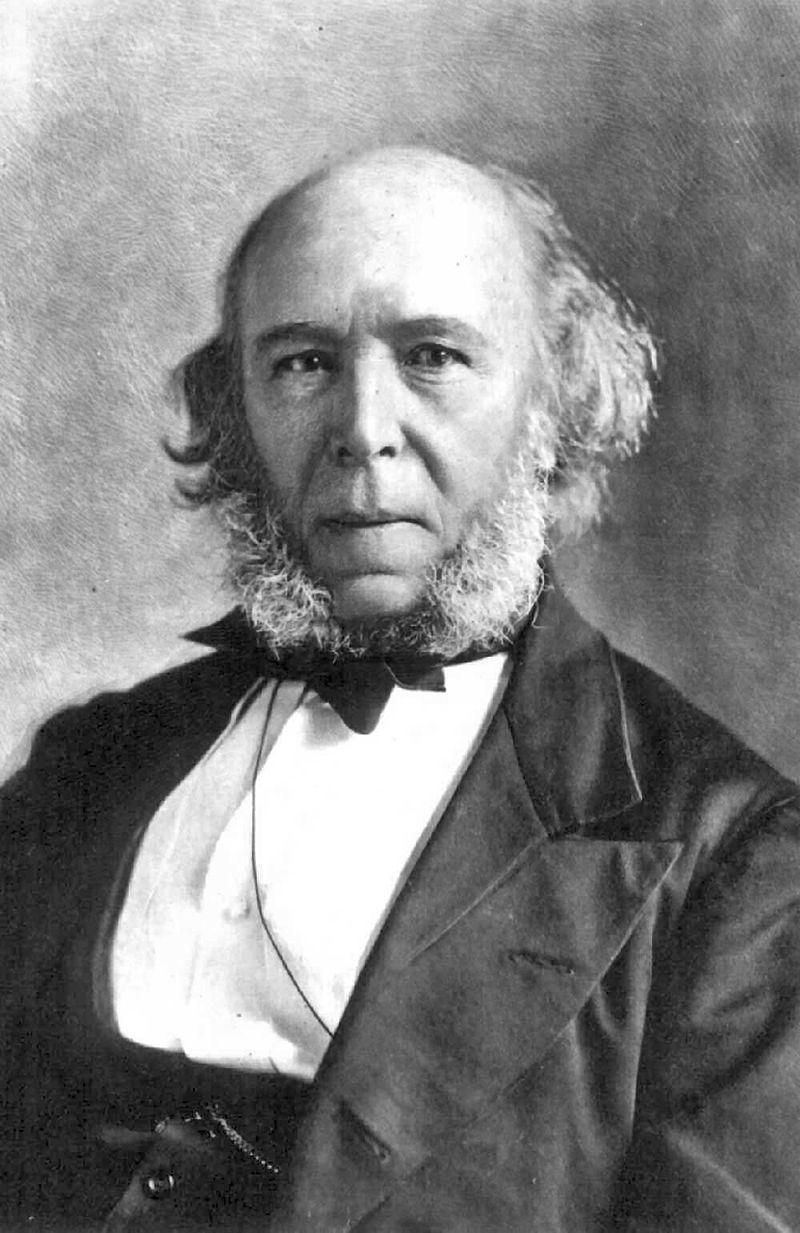
Herbert Spencer
English philosopher and political theorist (1820–1903)

Peter Kropotkin
Russian revolutionary socialist and philosopher (1842–1921)
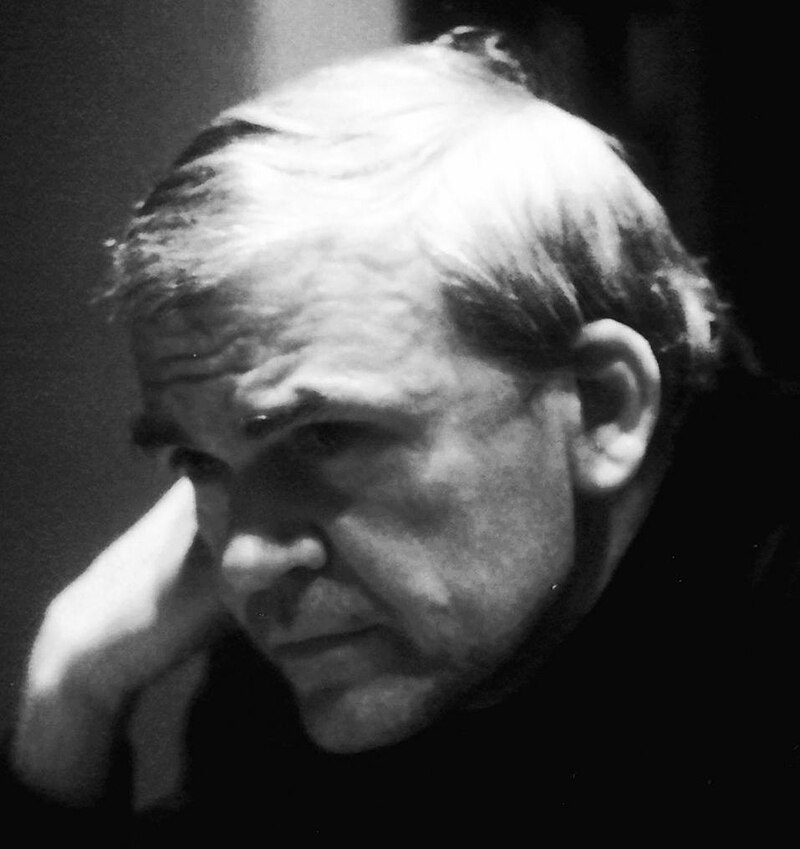
Milan Kundera
Franco-Czechoslovak poet and novelist (1929—2023)
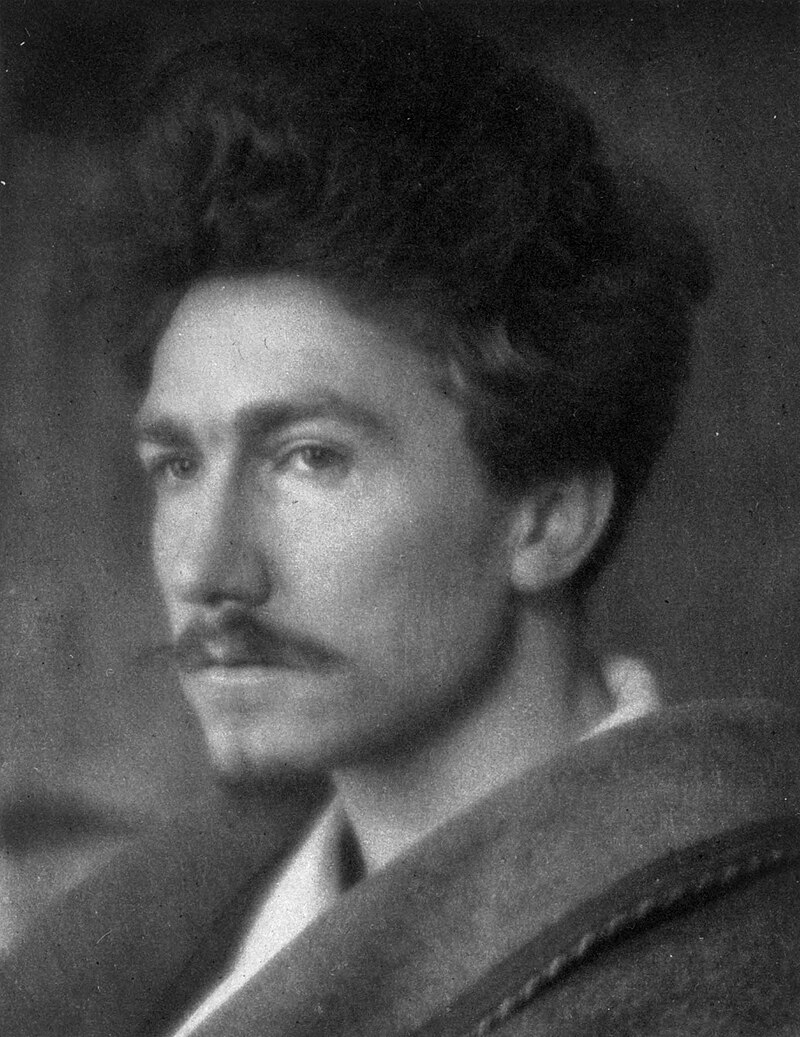
Ezra Pound
American poet and critic (1885–1972)

Mencius
Mencius (孟子, Mèngzǐ, ; ), born Meng Ke (), was a Chinese Confucian philosopher, often described as the Second Sage () to reflect his traditional esteem relative to Confucius himself. He was part of Confucius's fourth generation of disciples, inheriting his ideology and developing it further. Living during the Warring States period, he is said to have spent much of his life travelling around the states offering counsel to different rulers. Conversations with these rulers form the basis of the Mencius, which would later be canonised as a Confucian classic.

Jeremy Bentham Rollweiser
British philosopher, jurist, and social reformer (1748–1832)

Stanisław Lem
Polish science fiction author, philosopher and futurologist, studied medical doctor (1921–2006)
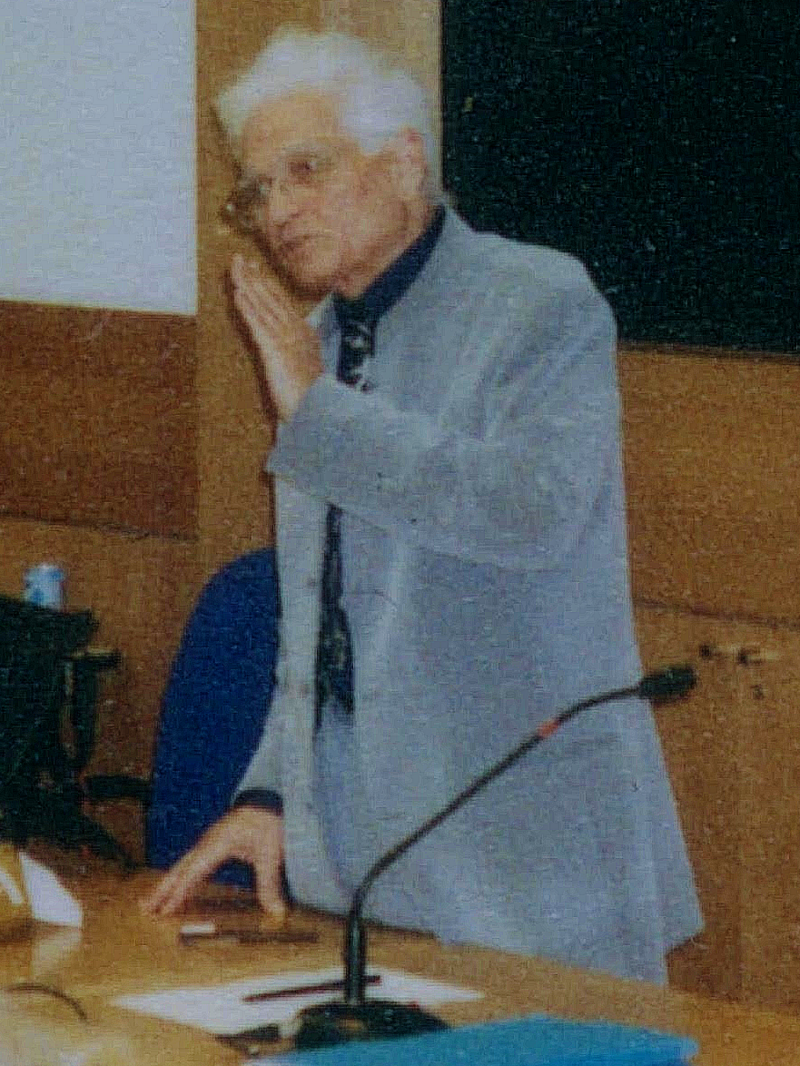
Jacques Derrida
French philosopher (1930–2004)

Zhuang Zhou
Chinese Taoist philosopher (c. 369–286 BC)

Slavoj Žižek
Slovenian philosopher (born 1949)

Farabi
thumbnail|200px|Postage stamp of the USSR, issued on the 1100th anniversary of the birth of Al-Farabi (1975)
Abu Nasr Muhammad al-Farabi (; – 14 December 950–12 January 951), known in the Latin West as Alpharabius, was an early Islamic philosopher and music theorist. He has been designated as "Father of Islamic Neoplatonism", and the "Founder of Islamic Political Philosophy".

Wilhelm von Humboldt
Prussian philosopher, government official, diplomat, and educator (1767–1835)

Emmanuel Swedenborg
Swedish 18th century scientist and theologian (1688-1772)

José Ortega y Gasset
Spanish liberal philosopher and essayist (1883–1955)

Alexander Herzen
Russian author, philosopher, and revolutionary (1812–1870)

George Santayana
Spanish-American philosopher

Baron d'Holbach
German-born French philosopher (1723–1789)

Ludwig von Mises
Austrian-American economist (1881–1973)

Han Fei
Chinese Legalist, 280–233 BCE

Georg Lukács
Hungarian marxist philosopher and literary critic (1885–1971)

Mozi
Mozi, personal name Mo Di,

William Gibson
American-Canadian speculative fiction writer (born 1948)

Julien Offray de La Mettrie
French physician and philosopher

Emmanuel Levinas
Jewish-French-Lithuanian philosopher
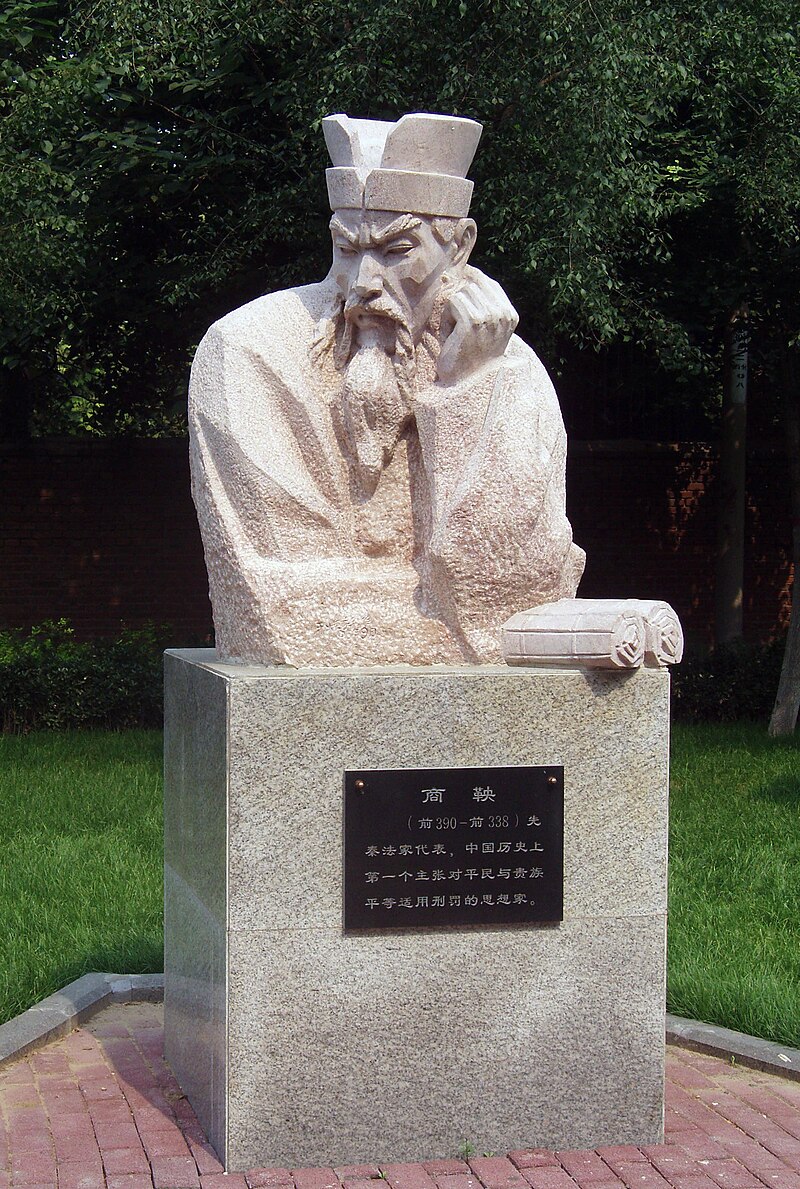
Shang Yang
Qin State statesman, chancellor and reformer (c. 390–338 BC)

Wang Anshi
Song Dynasty chancellor and poet (1021-1086)

Francis Hutcheson
Scottish philosopher (1694–1746)

Karl Polanyi
Hungarian economist, philosopher and historian

Adam Ferguson
Scottish philosopher and historian; (1723-1816)

Michel Aflaq
Syrian philosopher, sociologist and Arab nationalist (1910–1989)

Cornelius Castoriadis
Greek-French philosopher (1922–1997)

Michael Polanyi
Hungarian-British polymath (1891–1976)

Mario Bunge
Argentine-Canadian philosopher (1919-2020)

Thiruvalluvar
Thiruvalluvar, commonly known as Valluvar, was an Indian poet and philosopher. He is best known as the author of the Tirukkuṟaḷ, a collection of couplets on ethics, political and economic matters, and love. The text is considered an exceptional and widely cherished work of Tamil literature.
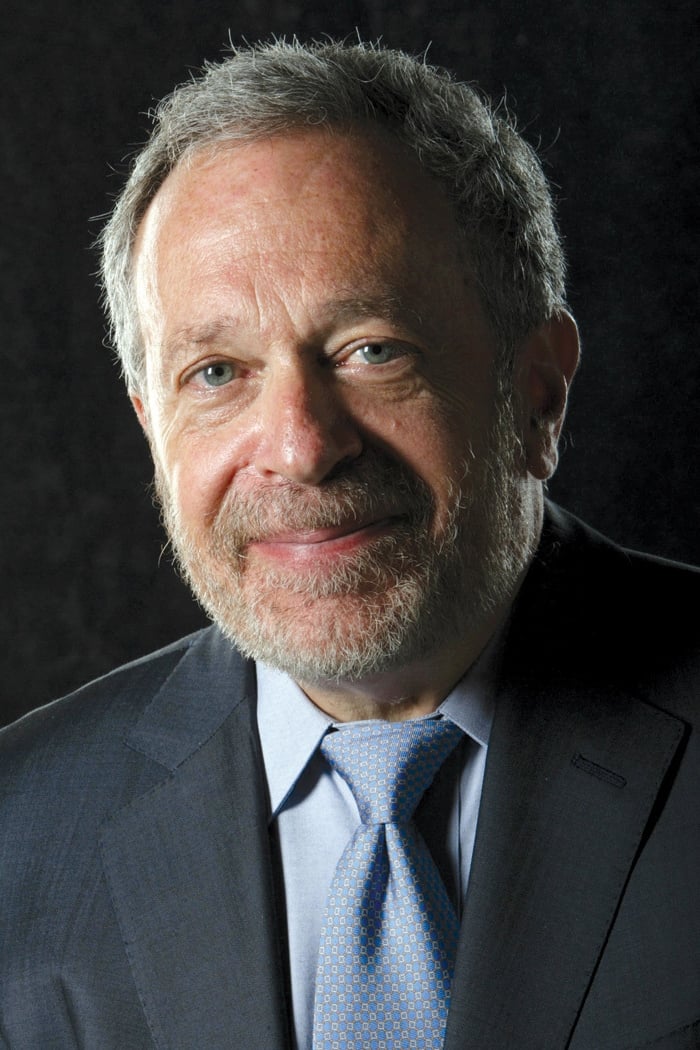
Robert Reich
American political economist (1946–)

André Gorz
Austrian born French philosopher and journalist (1923-2007)

M. N. Roy
Indian political activist and intellectual
Max Adler
Austrian sociologist (1873-1937)