Category
page 1Taxa named by Constantine Samuel Rafinesque

Hirundinidae
The swallows, martins, and saw-wings, or Hirundinidae, are a family of passerine songbirds found around the world on all continents, including occasionally in Antarctica. Highly adapted to aerial feeding, they have a distinctive appearance. The term "swallow" is used as the common name for Hirundo rustica in the United Kingdom and Ireland. Around 90 species of Hirundinidae are known, divided into 21 genera, with the greatest diversity found in Africa, which is also thought to be where they evolved as hole-nesters. They also occur on a number of oceanic islands. A number of European and North A

Passeridae
family of songbirds

chameleon

Laridae
Laridae is a family of seabirds in the order Charadriiformes that includes the gulls, terns (including white terns), noddies, and skimmers. It includes 105 species arranged into 23 genera. They are an adaptable group of mostly aerial birds found worldwide.
.jpg)
Hippocampus
A seahorse (also written sea-horse and sea horse) is any of 46 species of small marine bony fish in the genus Hippocampus. The genus name comes from the Ancient Greek (), itself from () meaning "horse" and () meaning "sea monster" or "sea animal". Having a head and neck suggestive of a horse, seahorses also feature segmented bony armour, an upright posture and a curled prehensile tail. Along with the pipefishes and seadragons (Phycodurus and Phyllopteryx) they form the family Syngnathidae.

Turdidae
family of birds
.jpg)
Sturnidae
Starlings are small to medium-sized passerine (perching) birds known for the often dark, glossy iridescent sheen of their plumage; their complex vocalizations including mimicking; and their distinctive, often elaborate swarming behavior, known as murmuration.

hornbill
thumb|Illustration of Hornbills, c.1835-1840
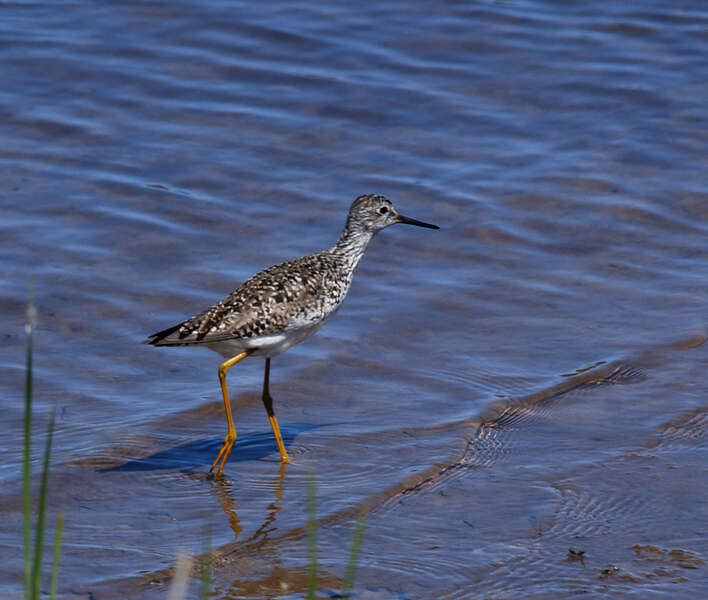
Scolopacidae
Scolopacidae is a large family of shorebirds, or waders, which mainly includes many species known as sandpipers, but also others such as woodcocks, curlews, and snipes. Most of these species eat small invertebrates picked out of the mud or soil. There is no evidence that different lengths of bills enable multiple species to feed in the same habitat, particularly on the coast, without direct competition for food. On sandy beaches, species with different bill lengths feed on the only abundant invertebrate, such as mole crabs Emerita.

Meropidae
The bee-eaters are a group of birds in the family Meropidae, containing three genera and thirty-one species. Most species are found in Africa and Asia, with a few in southern Europe, Australia, and New Guinea. They are characterised by richly coloured plumage, slender bodies, and usually elongated central tail feathers. All have long down-turned bills and medium to long wings, which may be pointed or round. Male and female plumages are usually similar.

Alcedinidae
thumb|The paradise kingfishers of New Guinea have unusually long tails for the group.
thumb|right|The kookaburra has a call which sounds like laughter.
thumb|Like many forest-living kingfishers, the yellow-billed kingfisher often nests in arboreal termite nests.
thumb|The black-backed dwarf kingfisher is considered a bad omen by warriors of the Dusun tribe of Borneo.
thumb|Forest kingfisher in [[Queensland ]]
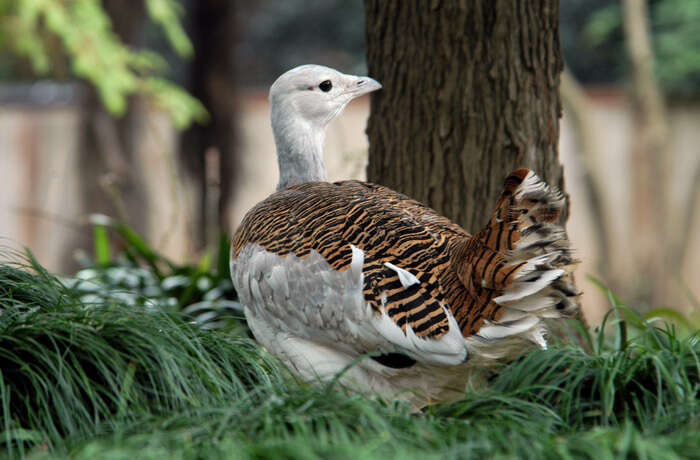
Otididae
Bustards, including floricans and korhaans, are large, terrestrial birds living mainly in dry grassland areas and in steppe regions. They range in length from . They make up the family Otididae (, formerly known as Otidae).
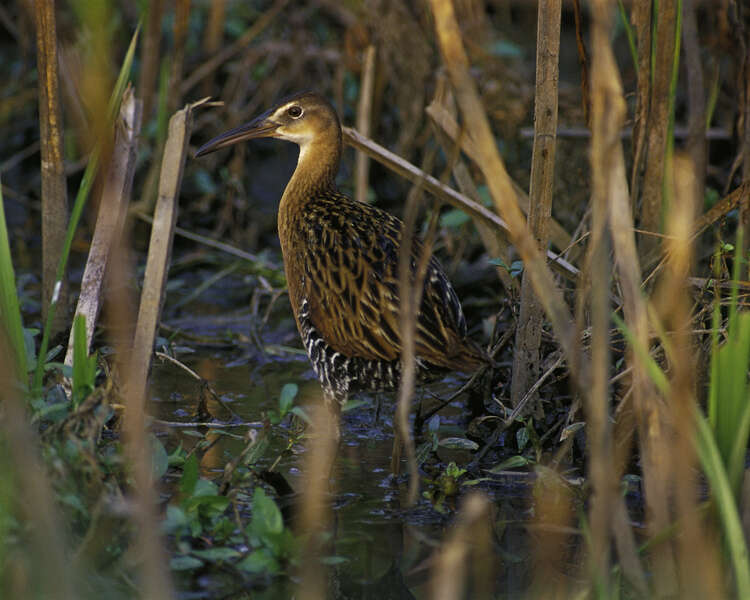
Rallidae
family of birds
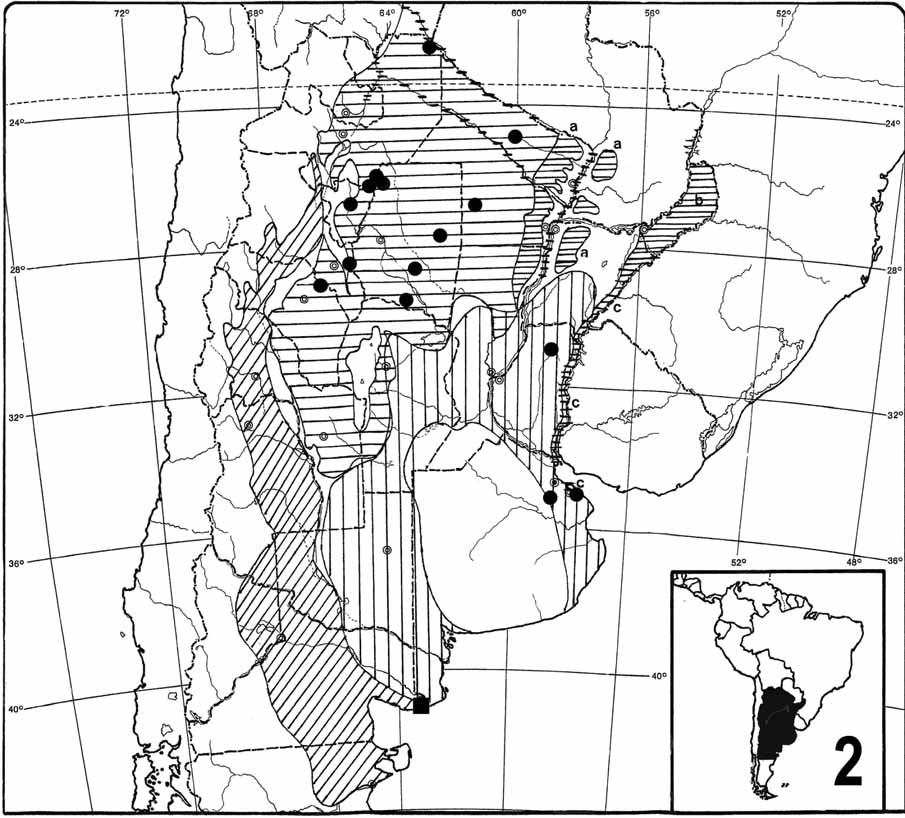
Psittacidae
The family Psittacidae or holotropical parrots is one of three families of true parrots. It comprises the 12 species of subfamily Psittacinae (the Afrotropical parrots) and 167 of subfamily Arinae (the New World or Neotropical parrots) including several species that have gone extinct in recent centuries. Some of the most iconic birds in the world are represented here, such as the blue-and-yellow macaw among the New World parrots and the grey parrot among the Afrotropical parrots.
Ranidae
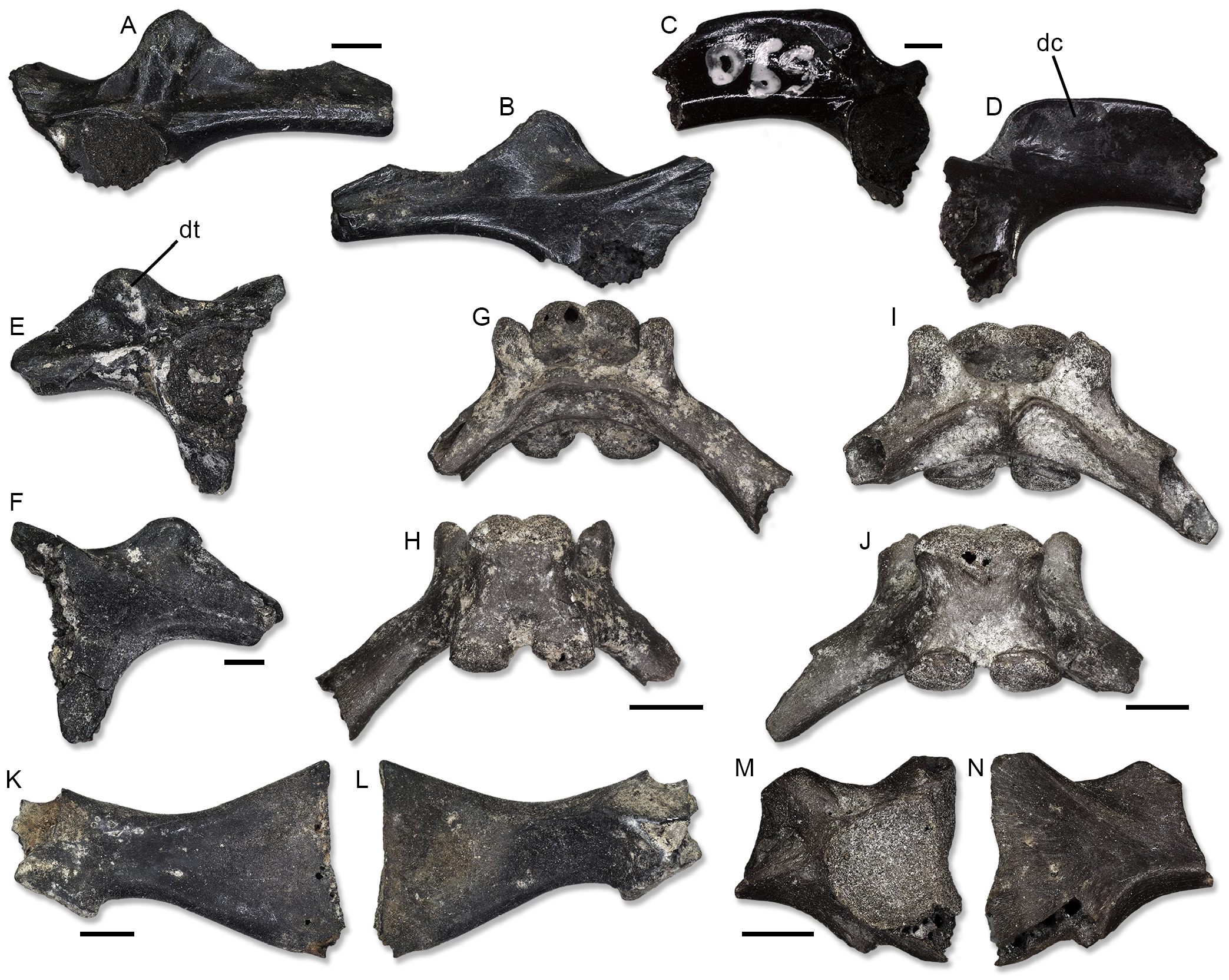
Ranidae is a family of frogs, sometimes called "true frogs". They have the widest distribution of any frog family. They are abundant throughout most of the world, occurring on all continents except Antarctica. The true frogs are present in North America, northern South America, Europe, Africa (including Madagascar), and Asia. The Asian range extends across the East Indies to New Guinea and a single species, the Australian wood frog (Hylarana daemelii), has spread into the far north of Australia.
Nymphalidae
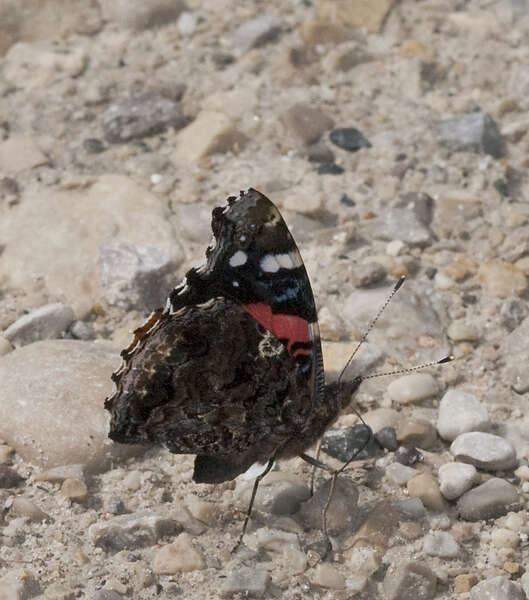
thumb|Peacock (Aglais io)
thumb|Crimson-spotted forester (Euphaedra themis)
thumb|Monarch butterflies (Danaus plexippus)
thumb|Dark blue tiger (Tirumala septentrionis)
thumb|Small pearl-bordered fritillary (Boloria selene)
thumb|thumbtime=8|Phyciodes|Crescent butterfly [[nectaring on yellow ironweed]]
%20(16475688389).jpg)
Coraciidae
Coraciidae () is a family of Old World birds, which are known as rollers because of the aerial acrobatics some of these birds perform during courtship or territorial flights. The family contains 13 species and is divided into two genera. Rollers resemble crows in size and build, and share the colourful appearance of kingfishers and bee-eaters, blues and pinkish or cinnamon browns predominating. The two inner front toes are connected, but not the outer one.

Muntiacus
Muntjacs ( ), also known as the barking deer or rib-faced deer, are small deer of the genus Muntiacus native to South Asia and Southeast Asia. Muntjacs are thought to have begun appearing 15–35 million years ago, with remains found in Miocene deposits in France, Germany and Poland. Most are listed as least-concern species or Data Deficient by the International Union for Conservation of Nature (IUCN), although others such as the black muntjac, Bornean yellow muntjac, and giant muntjac are vulnerable, near threatened, and critically endangered, respectively.

hagfish
Hagfish, of the class Myxini (also known as Hyperotreti) and order Myxiniformes , are eel-shaped jawless fish (occasionally called slime eels). Hagfish are the only known living animals that have a skull but no vertebral column, however they do have rudimentary vertebrae. Hagfish are marine predators and scavengers that can defend themselves against other larger predators by releasing copious amounts of slime from mucous glands in their skin.

Gadidae
The Gadidae are a family of marine fish, included in the order Gadiformes, known as the cods, codfishes, or true cods. It contains several commercially important fishes, including the cod, haddock, whiting, and pollock.
Delonix regia
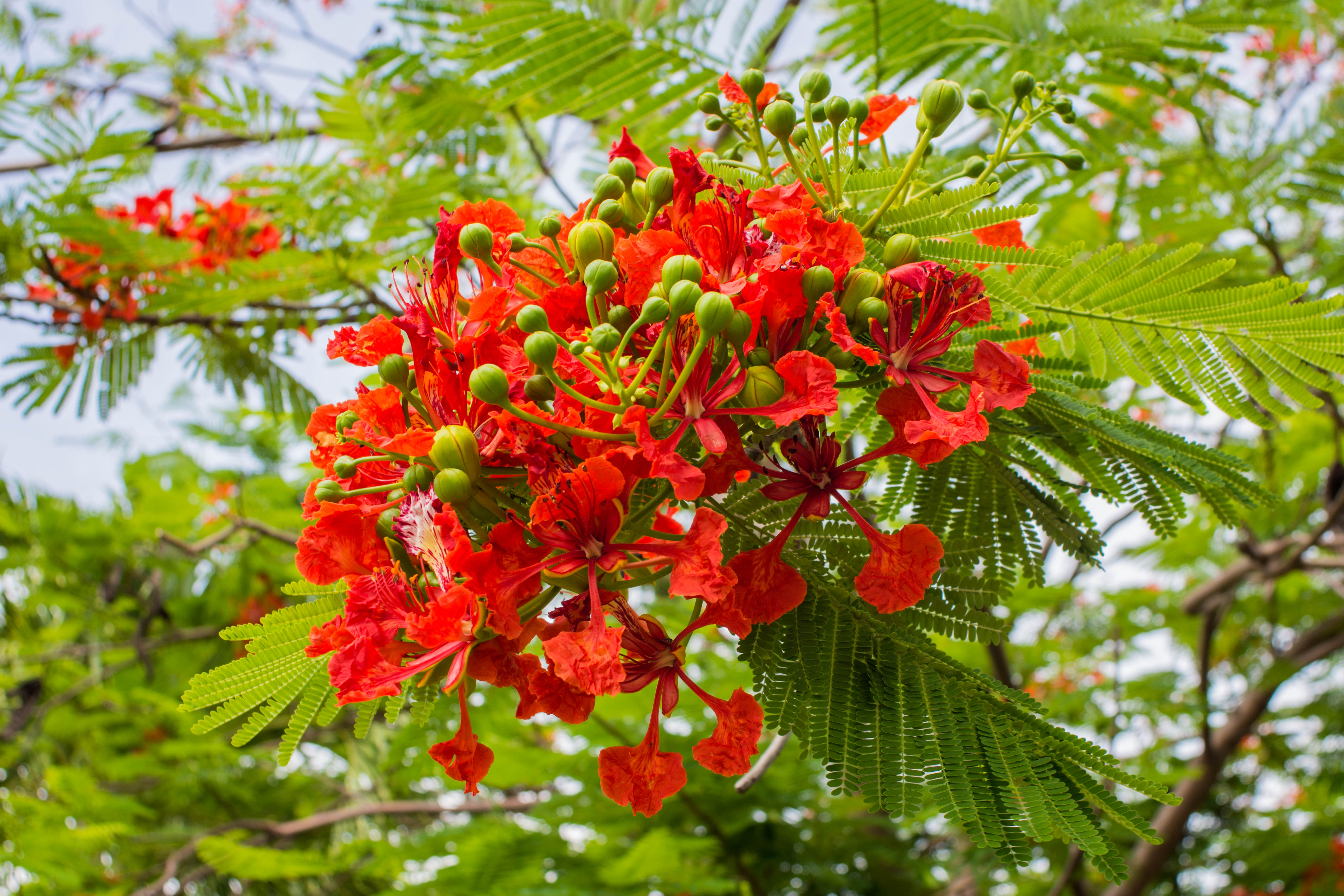
species of plant

Cynomys
prairie dogs, North American genus of squirrels
Scombridae
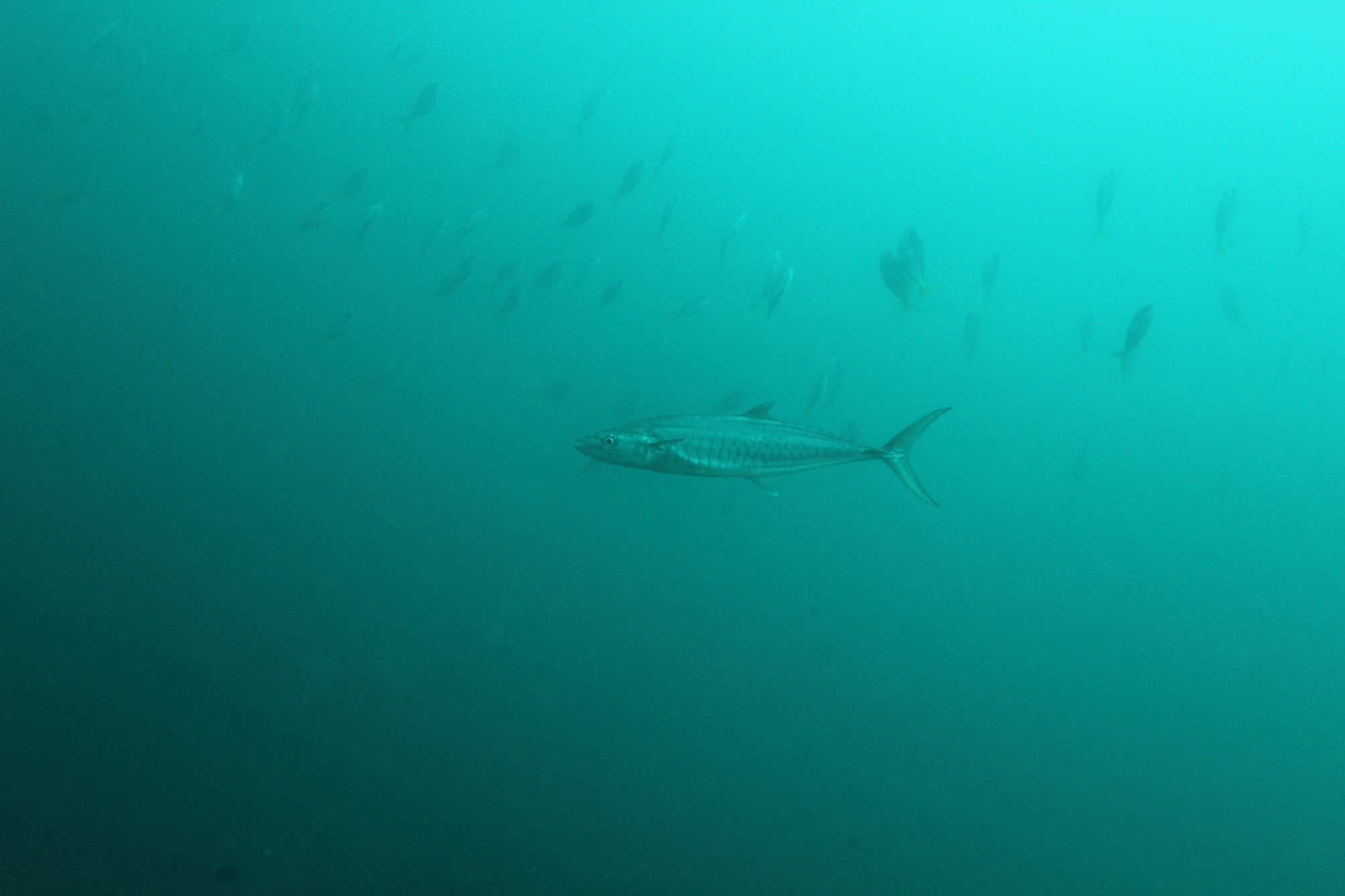
The mackerel, tuna, and bonito family, Scombridae, includes many of the most important and familiar food fishes. The family consists of 51 species in 15 genera and two subfamilies. All species are in the subfamily Scombrinae, except the butterfly kingfish, which is the sole member of subfamily Gasterochismatinae.

Hylidae
Hylidae is a wide-ranging family of frogs commonly referred to as "tree frogs and their allies". However, the hylids include a diversity of frog species, many of which do not live in trees, but are terrestrial or semiaquatic.

Sparidae
Sparidae, the seabreams and porgies, is a family of ray-finned fishes belonging to the order Acanthuriformes, although they were previously classified in the order Perciformes. The over 150 species are found in shallow and deep marine waters in temperate through tropical regions around the world. Most species are demersal carnivores.

Cisticola juncidis
species of bird

Muraenidae
family of fishes

Echeneidae
The remora (), sometimes called suckerfish or sharksucker, is any of a family (Echeneidae) of ray-finned fish in the order Carangiformes. Depending on species, they grow to long. Their distinctive first dorsal fins take the form of a modified oval, sucker-like organ with slat-like structures that open and close to create suction and take a firm hold against the skin of larger marine animals. The disk is made up of stout, flexible membranes that can be raised and lowered to generate suction. By sliding backward, the remora can increase the suction, or it can release itself by swimming forward.
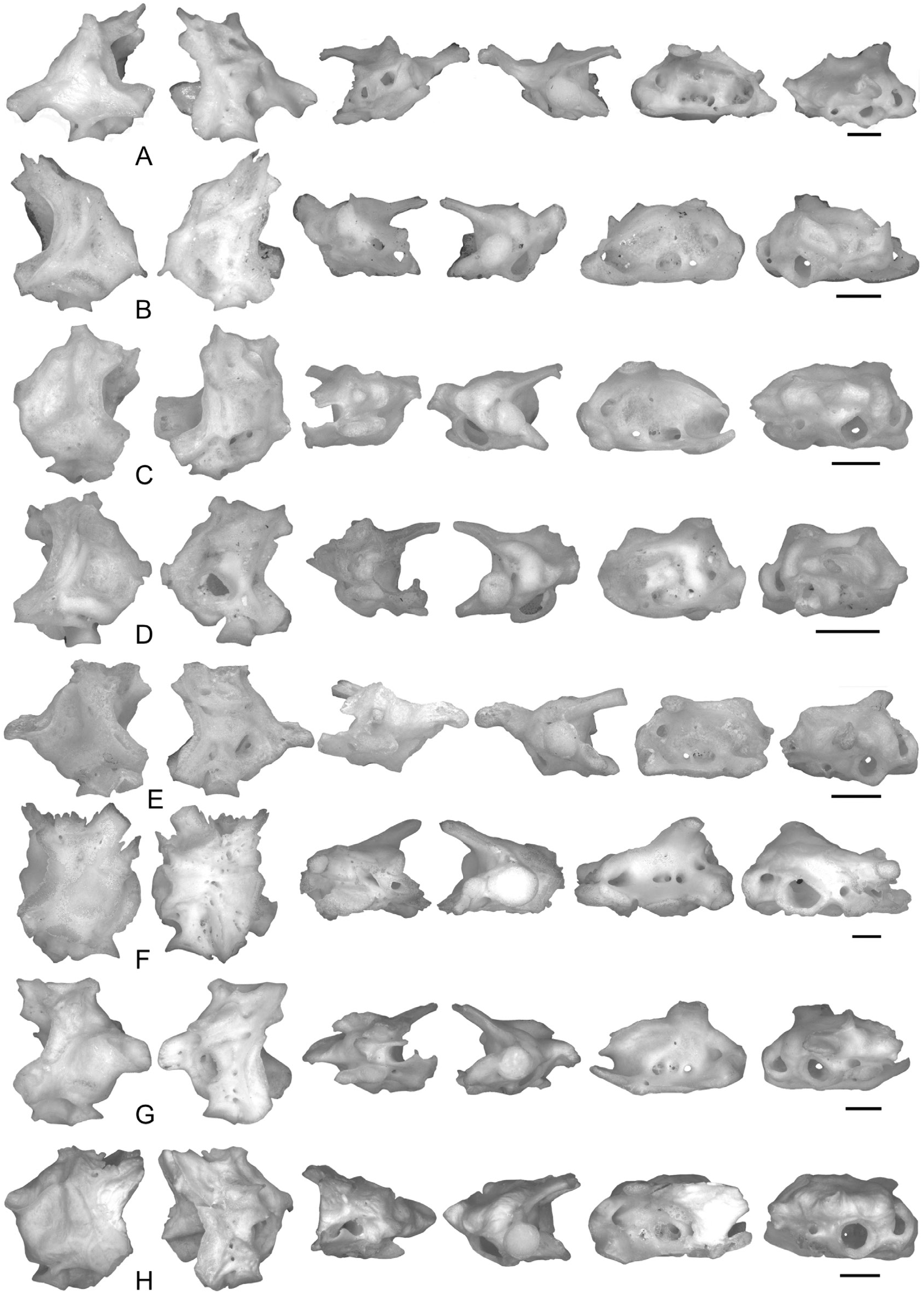
Triturus
Triturus is a genus of newts comprising the crested and the marbled newts, which are found from Great Britain through most of continental Europe to westernmost Siberia, Anatolia, and the Caspian Sea region. Their English names refer to their appearance: marbled newts have a green–black colour pattern, while the males of crested newts, which are dark brown with a yellow or orange underside, develop a conspicuous jagged seam on their back and tail during their breeding phase.
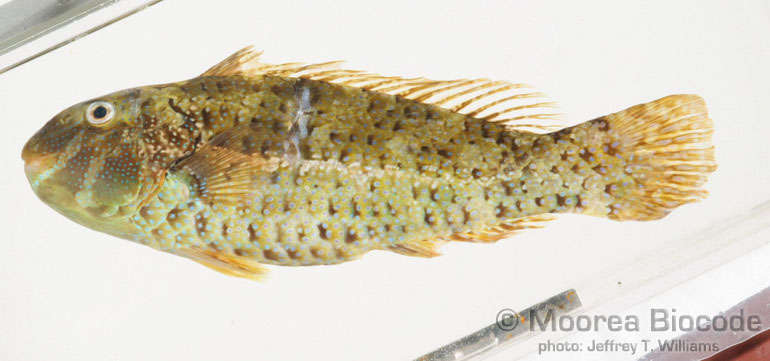
Scaridae
Parrotfish (named because their mouths resemble a parrot's beak) are a clade (a fundamental grouping in evolutionary biology consisting of a single common ancestor and all of its descendants) of fish placed in the subfamily Scarinae of the wrasse family (Labridae). Formerly treated as their own family (Scaridae), genetic studies found them to be deeply nested within the wrasses, and they are now treated as a subfamily (Scarinae). With roughly 95 species, the group's largest species richness is in the Indo-Pacific. They are found in coral reefs, rocky coasts, and seagrass beds, and can play a s
%20(Aepypodius%20bruijnii).jpg)
Cracidae
The chachalacas, guans, and curassows are birds in the family Cracidae. These are species of tropical and subtropical Central and South America. The range of one species, the plain chachalaca, just reaches southernmost parts of Texas in the United States. Two species, the Trinidad piping guan and the rufous-vented chachalaca occur on the islands of Trinidad and Tobago respectively.

Anguillidae
The Anguillidae are a family of ray-finned fish that contains the freshwater eels. All the extant species and six subspecies in this family are in the genus Anguilla, and are elongated fish of snake-like bodies, with long dorsal, caudal and anal fins forming a continuous fringe. They are catadromous, spending their adult lives in freshwater, but migrating to the ocean to spawn.
Sipuncula
The Sipuncula or Sipunculida (common names sipunculid worms or peanut worms) is a class containing about 162 species of marine annelid worms, that have secondarily lost their segmentation. Sipuncula was once considered a phylum of unsegmented worms, but was demoted to a class of Annelida, based on recent molecular work.
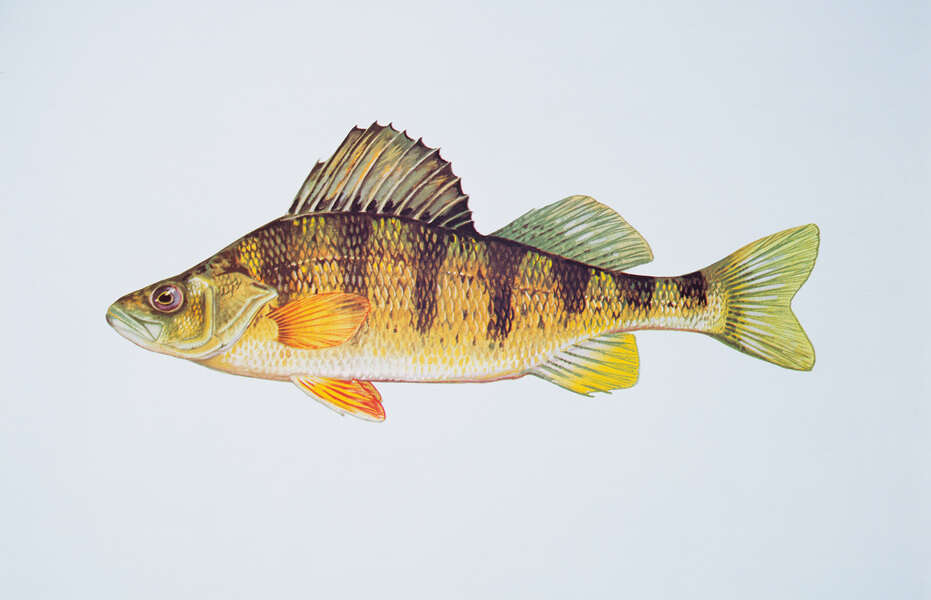
Percidae
The Percidae are a family of ray-finned fish, part of the order Perciformes, which are found in fresh and brackish waters of the Northern Hemisphere. The majority are Nearctic, but there are also Palearctic species. The family contains nearly 250 species in 12 genera. The perches and their relatives are in this family; well-known species include the walleye, sauger, ruffe, and three species of perch. However, small fish known as darters are also a part of this family.

Chaetodontidae
The butterflyfish are a group of conspicuous tropical marine fish of the family Chaetodontidae; the bannerfish and coralfish are also included in this group. The approximately 129 species in 12 genera are found mostly on the reefs of the Atlantic, Indian, and Pacific Oceans. A number of species pairs occur in the Indian and Pacific Oceans, members of the huge genus Chaetodon.
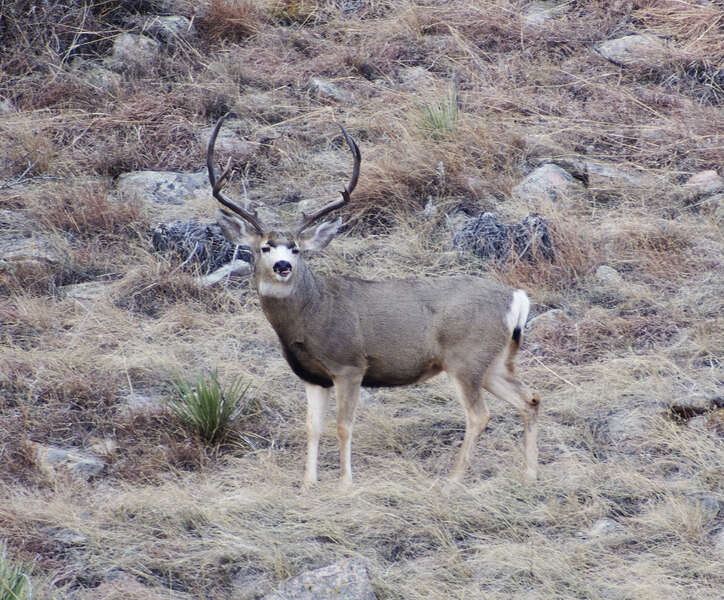
mule deer
species of mammal
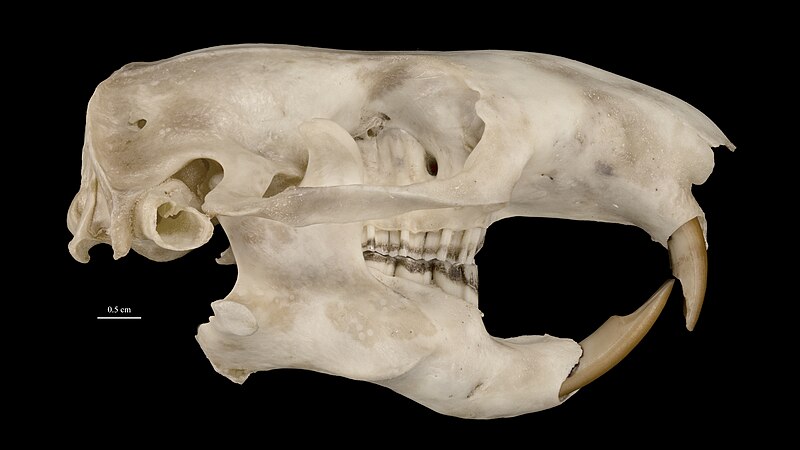
mountain beaver
species of the genus Aplodontia

Syngnathidae
The Syngnathidae is a family of fish which includes seahorses, pipefishes, and seadragons (Phycodurus and Phyllopteryx). The family name comes from Ancient Greek σύν (sún), meaning "together", and γνάθος (gnáthos), meaning "jaw", referring to the fused jaw that the entire family have in common.

Mullidae
The goatfishes, or mullets, are ray-finned fish of the family Mullidae, the only family in the suborder Mulloidei of the order Syngnathiformes. The family is also sometimes referred to as the red mullets, which also refers more narrowly to the genus Mullus.

Carangidae
The Carangidae are a family of ray-finned fish that includes the jacks, pompanos, jack mackerels, runners, trevallies, and scads. It is the largest of the six families included within the order Carangiformes. Some authorities classify it as the only family within that order but molecular and anatomical studies indicate that there is a close relationship between this family and the five former Perciform families which make up the Carangiformes.

Pipridae
The manakins are a family, Pipridae, of small suboscine passerine birds. The group contains 55 species distributed through the American tropics. The name is from Middle Dutch "little man" (also the source of the different bird name mannikin).

Mytilidae
The Mytilidae are a family of small to large marine and brackish-water bivalve molluscs in the order Mytilida. One of the genera, Limnoperna, inhabits freshwater environments. Mytilidae, which contains some 52 genera, is the only extant family within the order Mytilida.
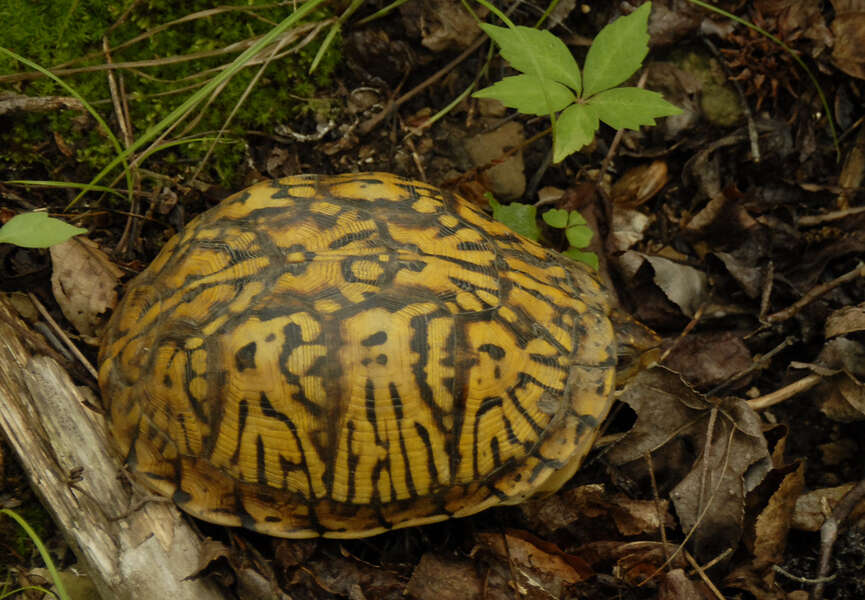
Emydidae
Emydidae (Latin (freshwater tortoise) + Ancient Greek (, "appearance, resemblance")) is a family of testudines (turtles) that includes close to 50 species in 10 genera. Members of this family are commonly called terrapins, pond turtles, or marsh turtles. Several species of Asian box turtles were formerly classified in the family; however, revised taxonomy has separated them to a different family (Geoemydidae). As currently defined, the Emydidae are entirely a Western Hemisphere family, with the exception of two species of pond turtle.

shortfin mako shark
species of shark

Trichiuridae
The cutlassfishes are about 45 species of predatory ray-finned fish in the family Trichiuridae of the order Scombriformes found in seas throughout the world. Fish of this family are long, slender, and generally steely blue or silver in colour, giving rise to their name. They have reduced or absent pelvic and caudal fins, giving them an eel-like appearance, and large fang-like teeth.
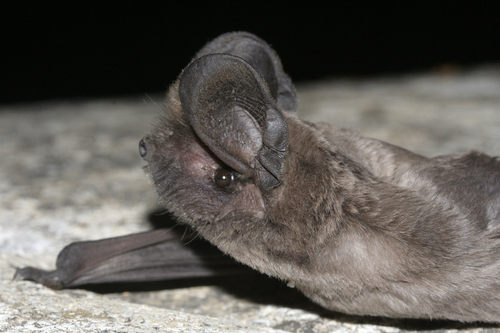
Tadarida teniotis
species of mammal
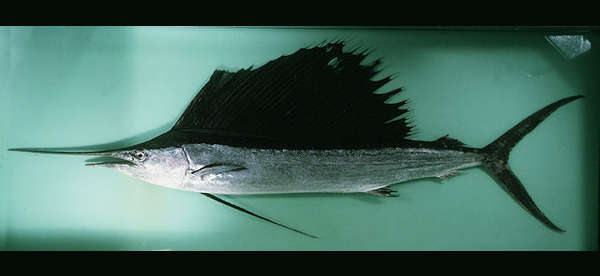
Istiophoridae
REDIRECT Marlin

Ostreidae
The Ostreidae, the true oysters, include most species of molluscs commonly consumed as oysters. Pearl oysters are not true oysters, and belong to the order Pteriida.

Ostraciidae
Ostraciidae or Ostraciontidae is a family of squared, bony fish belonging to the order Tetraodontiformes, closely related to the pufferfishes and filefishes. Fish in the family are known variously as boxfishes, cofferfishes, cowfishes and trunkfishes. It contains about 23 extant species in 6 extant genera.

Brocket deer
genus of mammals

Loricariidae
Loricariidae is the largest family of catfish (order Siluriformes), with over 90 genera and just over 680 species. Loricariids originate from freshwater habitats of Costa Rica, Panama, and tropical and subtropical South America. These fish are noted for the bony plates covering their bodies and their suckermouths. Several genera are sold as "plecos", notably the suckermouth catfish, Hypostomus plecostomus, and are popular as aquarium fish.
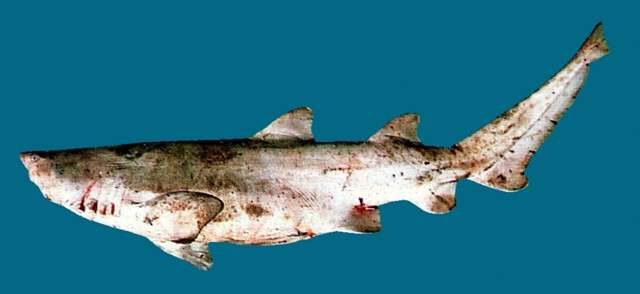
sand tiger shark
species of shark
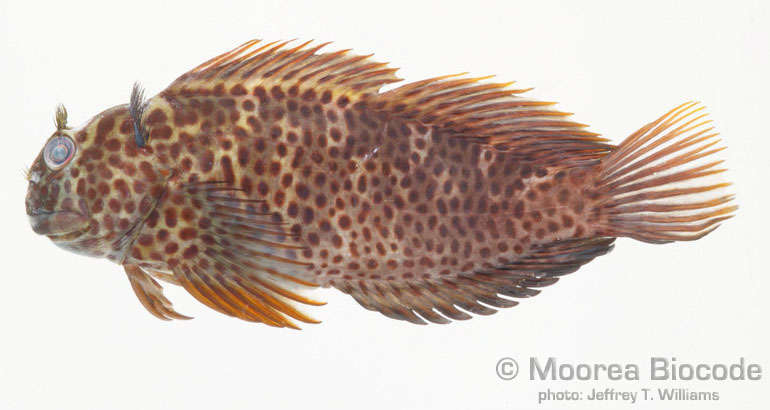
Blenniidae
family of fishes

mako shark
Isurus (meaning "equal tail") is a genus of mackerel sharks in the family Lamnidae, commonly known as the mako sharks. They are largely pelagic, and are fast, predatory fish capable of swimming at speeds of up to .

Chlidonias
genus of birds
.jpg)
Lophiidae
Goosefishes, sometimes called anglers or monkfishes, are a family, the Lophiidae, of marine ray-finned fishes belonging to the order Lophiiformes, the anglerfishes. The family includes 30 recognized species. These fishes are found in all the world's oceans except for the Antarctic Ocean.
Phataginus tricuspis
species of pangolins in the genus Phataginus, previously assigned to the genus Manis
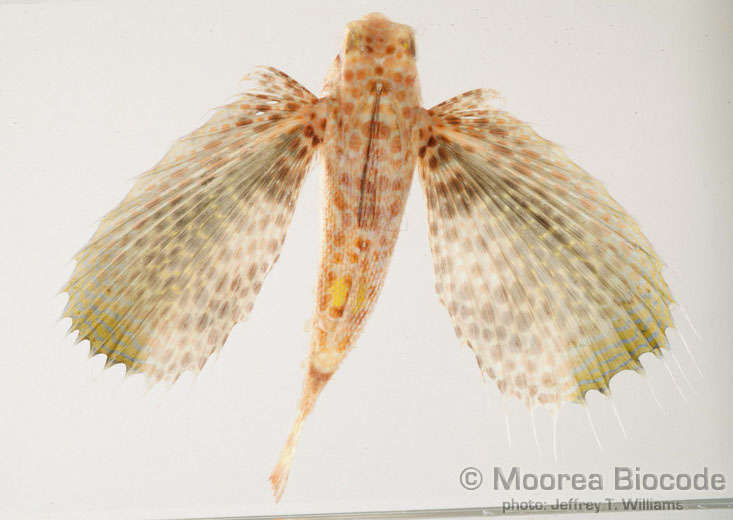
Dactylopteridae
The flying gurnards are a family, Dactylopteridae, of marine fish notable for their greatly enlarged pectoral fins. As they cannot literally fly or glide in the air (like flying fish), an alternative name preferred by some authors is helmet gurnards. They have been regarded as the only family in the suborder Dactylopteroidei of the Scorpaeniformes. However, more recent molecular classifications put them in the order Syngnathiformes, in the superfamily Centriscoidea.
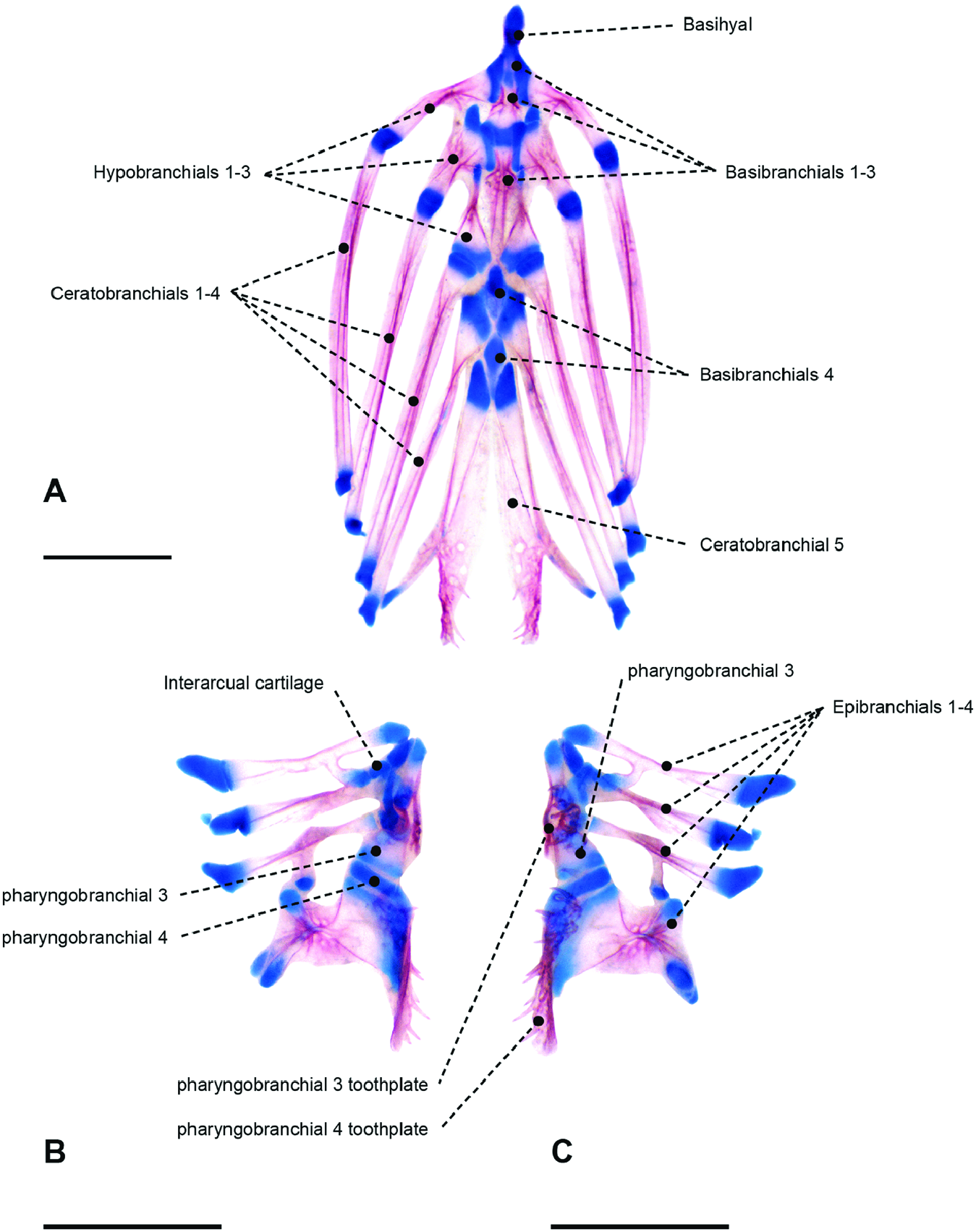
Stromateidae
The family Stromateidae or butterfish contains 15 species of ray-finned fish in three genera. Butterfishes live in coastal waters off the Americas, western Africa and in the Indo-Pacific.

Odocoileus
Odocoileus is a genus of medium-sized deer (family Cervidae) containing three species native to the Americas. The name, sometimes spelled odocoeleus, is a contraction of the Greek root odont-, meaning "tooth," and -coelus, New Latin for "hollow".