Category
page 1Unflagged free DOI
cancer
Cancer is a group of diseases involving uncontrolled cell growth typically resulting in tumors with the potential to invade or spread to other parts of the body. These malignant tumors contrast with benign tumors, which do not spread. Over 100 types of cancers affect humans.

epigenetics
thumb|Epigenetic mechanisms

neoplasm
A neoplasm () is a type of abnormal and excessive growth of tissue. The process that occurs to form or produce a neoplasm is called neoplasia. The growth of a neoplasm is uncoordinated with that of the normal surrounding tissue, and persists in growing abnormally, even if the original trigger is removed. This abnormal growth usually forms a mass, which may be called a tumour or tumor.

DNA repair
process of restoring DNA after damage
insulin resistance
human disease

glioma
A glioma is a type of malignant tumor originating in the glial cells of the brain or spinal cord. Gliomas comprise about 30% of all brain and central nervous system tumors and 80% of all malignant brain tumors. Common subtypes include astrocytoma (cancer of astrocytes), glioblastoma (an aggressive form of astrocytoma), oligodendroglioma (cancer of oligodendrocytes), and ependymoma (cancer of ependymal cells).

BRCA1 DNA repair associated
Breast cancer type 1 susceptibility protein is a protein that in humans is encoded by the BRCA1 () gene. Orthologs are common in other vertebrate species, whereas invertebrate genomes may encode a more distantly related gene. BRCA1 is a caretaker gene (responsible for repairing DNA), a type of tumor suppressor gene.
CpG site
bacterial DNA fragments

Astatoreochromis
Astatoreochromis is a small genus of haplochromine cichlids endemic to riverine habitats in East Africa. Tilapia bemini, usually placed in the tilapiines, may be rather close to this genus. However, extensive hybridization capabilities of African cichlids seriously confound analyses of phylogeny based on mtDNA, while morphological analyses tend to yield little information due to widespread parallel evolution.
non-small-cell lung carcinoma
any type of epithelial lung cancer other than small-cell lung carcinoma
ATM serine/threonine kinase
mammalian protein found in Homo sapiens
5-hydroxytryptamine receptor 1A
mammalian protein found in Homo sapiens
Astatoreochromis vanderhorsti
species of fish
.jpg)
Chaoborus
Chaoborus is a genus of midges in the family Chaoboridae. The larvae are known as glassworms because they are transparent. They can be found commonly in lakes all over the world and can be up to . The adults are sometimes called phantom midges or lake flies.
Microbial loop
Mikrobial loop
MSH2
DNA mismatch repair protein Msh2 also known as MutS homolog 2 or MSH2 is a protein that in humans is encoded by the MSH2 gene, which is located on chromosome 2. MSH2 is a tumor suppressor gene and more specifically a caretaker gene that codes for a DNA mismatch repair (MMR) protein, MSH2, which forms a heterodimer with MSH6 to make the human MutSα mismatch repair complex. It also dimerizes with MSH3 to form the MutSβ DNA repair complex. MSH2 is involved in many different forms of DNA repair, including transcription-coupled repair, homologous recombination, and base excision repair.
Martin Roy Cheek
British botanist (born 1960)

Xyelidae
The Xyelidae are a comparatively species-poor family of sawflies, comprising about 80 extant species in five genera worldwide, and is the only family in the superfamily Xyeloidea. The fossil record of the family is extensive, comprising more than 120 species and including the oldest fossil Hymenoptera species dating back to the Triassic, between 245 and 208 million years ago. Xyelidae are sister to all other contemporary lineages of Hymenoptera and have many ancestral morphological features.
downregulation and upregulation
biological processes
Tauco
Tauco, Taucu, Taotjo, Tao Jiew or Tauchu (; , ) are various adaptations of the yellow soybean paste from China created by overseas Chinese in Southeast Asia. Tauco is made by boiling yellow soybeans, grinding them, mixing them with flour, and fermenting them to make a soy paste. The soy paste is soaked in salt water and sun-dried for several weeks, furthering the fermentation process, until the color of the paste has turned yellow-reddish. Good tauco has a distinct aroma. The tauco is commonly used by Chinese Indonesians, Malaysian Chinese, Chinese Singaporeans, Chinese Bruneians, and Thai Chi

Nepenthes micramphora
species of plant
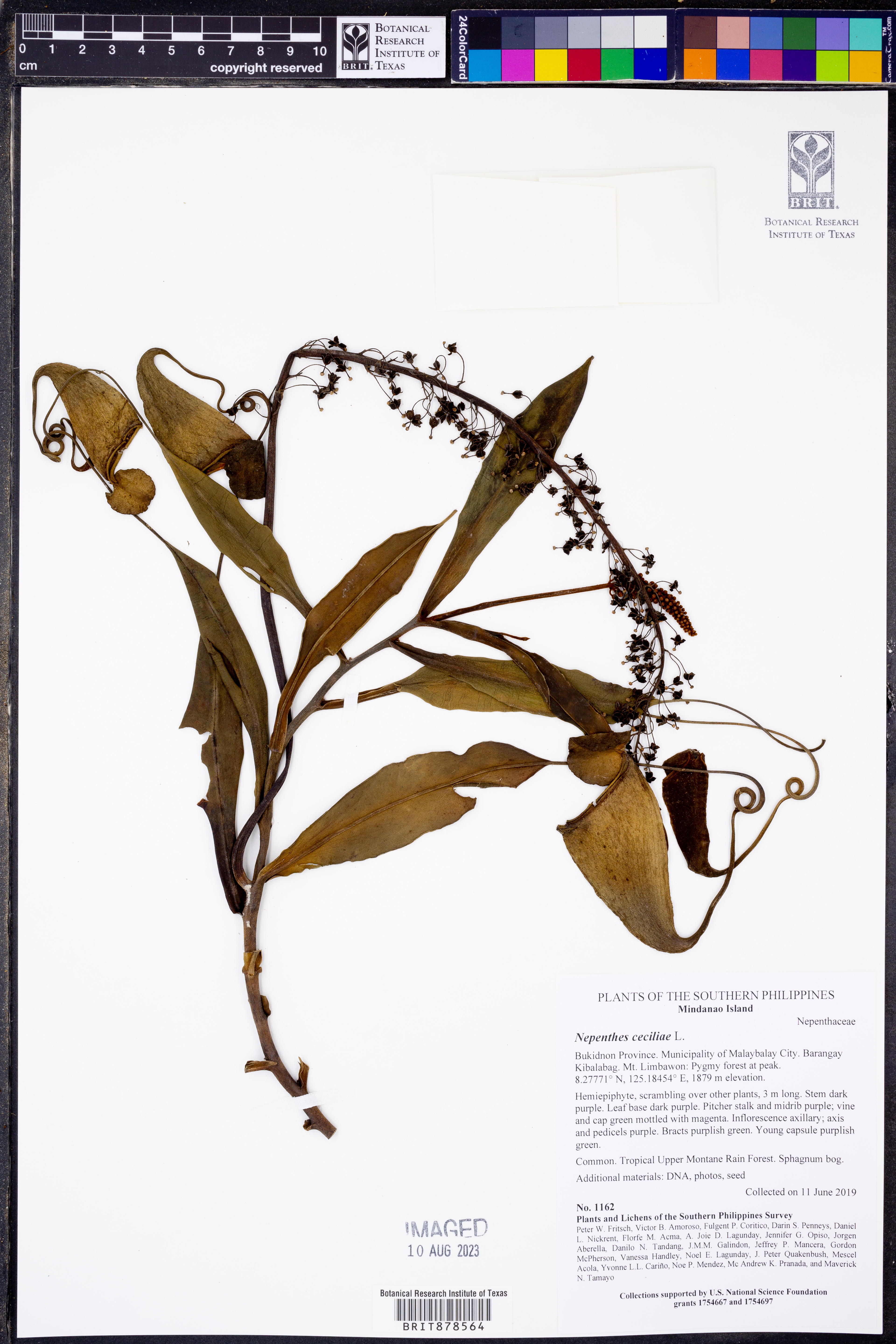
Nepenthes ceciliae
species of plant
Friedrich Ruttner
Austrian physician and entomologist (1914-1998)
epigenetic clock
biochemical test
oncogenomics
Oncogenomics is a sub-field of genomics that characterizes cancer-associated genes. It focuses on genomic, epigenomic and transcript alterations in cancer.
genome instability
high frequency of mutations within the genome of a cellular lineage

Glischrochilus hortensis
species of insect
list of Nepenthes species
Wikimedia list article
cancer epigenetics
study of epigenetic modifications to the DNA of cancer cells
Shigeo Kurata
Japanese botanist

Spirostomum
Spirostomum is a genus of ciliated protists in the class Heterotrichea. It is known for being very contractile. Having been first identified by Christian Gottfried Ehrenberg in 1834, further research has identified eight additional true morphospecies. This bacterivore genus mainly lives in the sediment deposits at the bottom of various aquatic habitats, and members possess rquA genes that could be responsible for their ability to survive in these hypoxic and anoxic environments. They are identifiable by their relatively (to other ciliates) large tubular/flat vermiform bodies. Their life cycle
Alexandrium
genus of protists
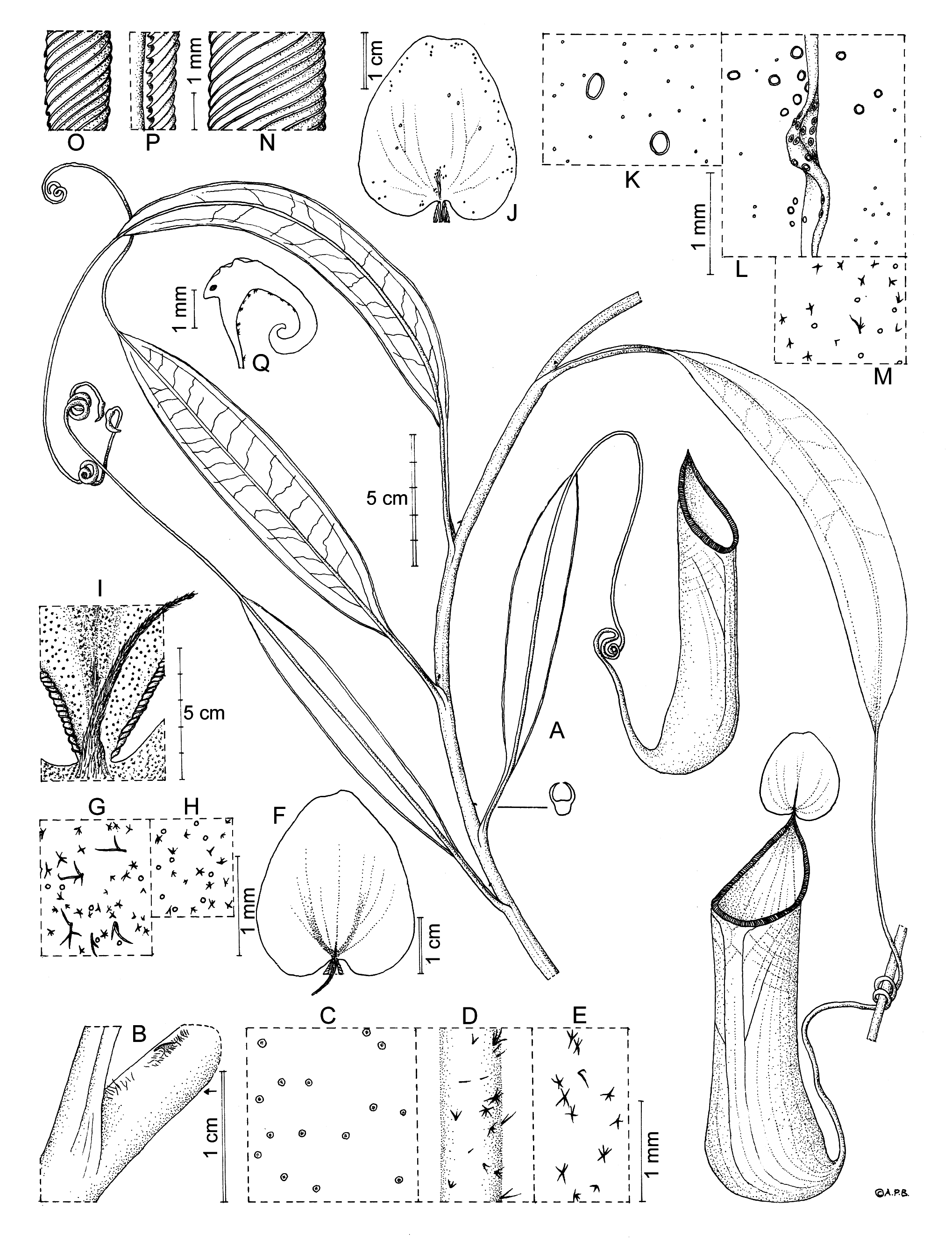
Nepenthes leyte
species of plant
FANCF
Fanconi anemia group F protein is a protein that in humans is encoded by the FANCF gene.

Nepenthes kitanglad
species of plant
RAD52
RAD52 homolog (S. cerevisiae), also known as RAD52, is a protein which in humans is encoded by the RAD52 gene.
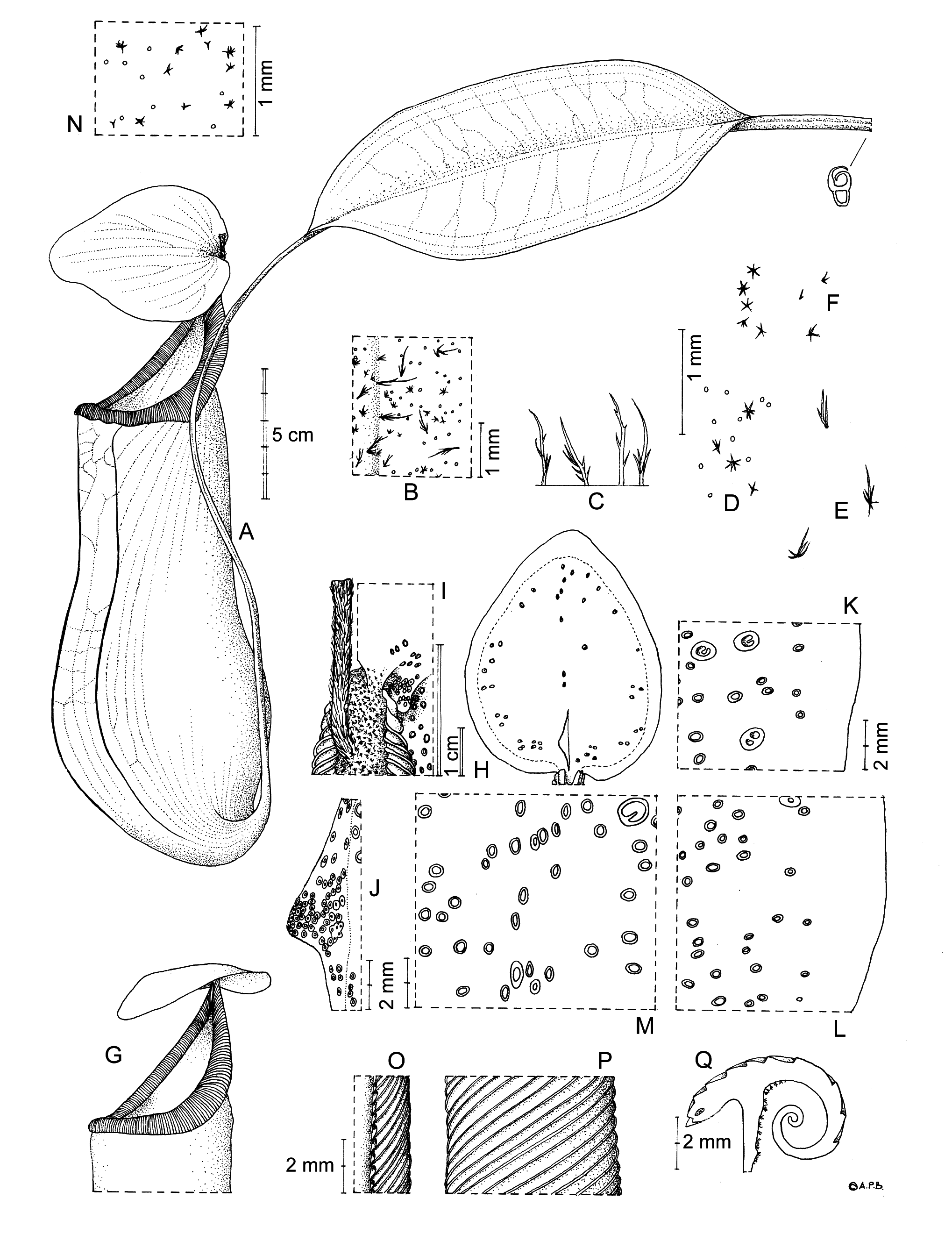
Nepenthes extincta
species of plant
PRKDC
DNA-dependent protein kinase catalytic subunit, also known as DNA-PKcs, is an enzyme that plays a crucial role in repairing DNA double-strand breaks and has a number of other DNA housekeeping functions. In humans it is encoded by the gene designated as PRKDC or XRCC7. DNA-PKcs belongs to the phosphatidylinositol 3-kinase-related kinase protein family. The DNA-Pkcs protein is a serine/threonine protein kinase consisting of a single polypeptide chain of 4,128 amino acids.
Nepenthes cornuta
species of plant
XPC
protein-coding gene in the species Homo sapiens
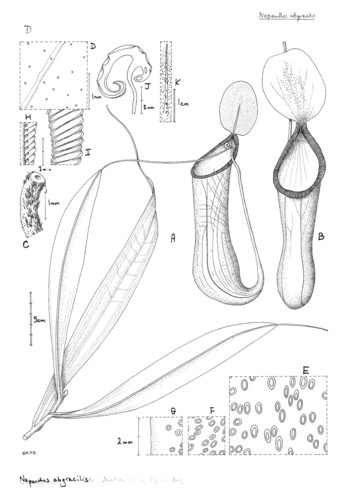
Nepenthes abgracilis
Species of pitcher plant from the Philippines
W. Maxwell Cowan
South African-American neurobiologist and neuro-anatomist (1931-2002)
Lisa Cheng
linguist (1962-)
NEIL1
Endonuclease VIII-like 1 is an enzyme that in humans is encoded by the NEIL1 gene.
Nepenthes negros
species of plant
Odderon
In particle physics, the odderon corresponds to an elusive family of odd-gluon states, dominated by a three-gluon state. When protons collide elastically with other protons or with anti-protons at high energies, gluons are exchanged. Exchanging an even number of gluons is a crossing-even part of elastic proton–proton and proton–antiproton scattering, while odderon exchange (i.e. exchange of odd number of gluons) corresponds to a crossing-odd term in the elastic scattering amplitude. In turn, the odderon's crossing-odd counterpart is the pomeron.
Sir Kenneth Blaxter
British nutritionist (1919-1991)