Category
page 1Vaccine-preventable diseases

COVID-19
Coronavirus disease 2019 (COVID-19) is a contagious disease caused by the coronavirus SARS-CoV-2. Starting in January 2020, the disease spread worldwide, resulting in the COVID-19 pandemic. In March 2020, the World Health Organization declared COVID-19 a global health emergency; they declared the end of the emergency in May 2023.
malaria
Malaria is a mosquito-borne infectious disease which is transmitted by the bite of Anopheles mosquitoes. Human malaria causes symptoms that typically include fever, fatigue, vomiting, and headaches; in severe cases, it can cause jaundice, seizures, coma, or death. Symptoms usually begin 10 to 15 days after being bitten by an infected Anopheles mosquito. If not properly treated, people may have recurrences of the disease months later. Those who survive an infection develop partial immunity, being susceptible to reinfection although with milder symptoms. This partial resistance disappears over m
tuberculosis
Tuberculosis (TB) (RP: , ), also known colloquially as the "white death", or historically as consumption, is a contagious disease usually caused by Mycobacterium tuberculosis (MTB) bacteria. Tuberculosis generally affects the lungs, but it can also affect other parts of the body. Most infections show no symptoms, in which case it is known as inactive or latent tuberculosis. A small proportion of latent infections progress to active disease that, if left untreated, can be fatal. Typical symptoms of active TB are chronic cough with blood-containing mucus, fever, night sweats, and weight loss. In

influenza
Influenza, commonly known as the flu, is an infectious disease caused by influenza viruses. Symptoms range from mild to severe and often include fever, runny nose, sore throat, muscle pain, headache, coughing, and fatigue. These symptoms begin one to four (typically two) days after exposure to the virus and last for about two to eight days. Diarrhea and vomiting can occur, particularly in children. Influenza may progress to pneumonia from the virus or a subsequent bacterial infection. Other complications include acute respiratory distress syndrome, meningitis, encephalitis, and worsening of pr
cholera
Cholera () is an infection of the small intestine by some strains of the bacterium Vibrio cholerae. Symptoms may range from none, to mild, to severe. The classic symptom is large amounts of watery diarrhea lasting a few days. Vomiting and muscle cramps may also occur. Diarrhea can be so severe that it leads within hours to severe dehydration and electrolyte imbalance. This can in turn result in sunken eyes, cold or cyanotic skin, decreased skin elasticity, wrinkling of the hands and feet, and, in severe cases, death. Symptoms start two hours to five days after exposure.

rabies
Rabies is a zoonotic viral disease that causes acute and severe encephalitis in humans and other mammals. It was historically referred to as hydrophobia ("fear of water") because its victims panic when offered liquids to drink. Early symptoms can include fever and abnormal sensations at the site of exposure, which are followed by nausea, vomiting, violent movements, uncontrolled excitement, fear of water, an inability to move parts of the body, confusion, and/or loss of consciousness. Once symptoms appear, the result is virtually always death. The time period between contracting the disease an

Ebola hemorrhagic fever
Ebola, also known as Ebola virus disease (EVD) and Ebola hemorrhagic fever (EHF), is a zoonotic viral hemorrhagic fever in humans and other primates, caused by four of the six known ebolaviruses. Symptoms typically start anywhere between two days and three weeks after infection. The first symptoms are usually fever, sore throat, muscle pain, and headaches. These are usually followed by vomiting, diarrhoea, rash, hepatic and renal dysfunction, at which point some people begin to bleed both internally and externally. The disease causes a mortality rate of anywhere between 25 and 90%, averaging o
smallpox
Smallpox was an infectious disease caused by Variola virus (often called Smallpox virus), which belongs to the genus Orthopoxvirus. The last naturally occurring case was diagnosed in October 1977, and the World Health Organization (WHO) certified the global eradication of the disease in 1980, making smallpox the only human disease to have been eradicated.
measles
Measles (probably from Middle Dutch or Middle High German masel(e), meaning "blemish, blood blister") is a highly contagious, vaccine-preventable infectious disease caused by measles virus. Other names include morbilli, rubeola, 9-day measles, red measles, and English measles.
poliomyelitis

chickenpox
Chickenpox, also known as varicella ( ), is a highly contagious disease caused by varicella zoster virus (VZV), a member of the herpesvirus family. The disease results in a characteristic skin rash that forms small, itchy blisters, which eventually scab over. It usually starts on the chest, back, and face. It then spreads to the rest of the body. The rash and other symptoms, such as fever, tiredness, and headaches, usually last five to seven days. Complications may occasionally include pneumonia, inflammation of the brain, and bacterial skin infections. The disease is usually more severe in ad

dengue fever
tropical disease caused by the dengue virus, transmitted by mosquito

swine influenza
infection caused by any one of several types of swine influenza viruses

pertussis
human disease caused by the bacteria Bordetella pertussis

typhoid fever
bacterial infectious disorder contracted by consumption of food or drink contaminated with Salmonella typhi. This disorder is common in developing countries and can be treated with antibiotics.

hepatitis A
acute infectious disease of the liver

mumps
Mumps is a highly contagious, vaccine-preventable viral disease caused by the mumps virus. Initial symptoms of mumps are non-specific and include fever, headache, malaise, muscle pain, and loss of appetite. These symptoms are usually followed by painful swelling around the side of the face (the parotid glands, called parotitis), which is the most common symptom of a mumps infection. Symptoms typically occur 16 to 18 days after exposure to the virus. About one-third of people with a mumps infection do not have any symptoms (asymptomatic).

hepatitis B
human viral infection

tetanus
Tetanus (), also known as lockjaw, is a bacterial infection caused by Clostridium tetani and characterized by muscle spasms. In the most common type, the spasms begin in the jaw and then progress to the rest of the body. Each spasm usually lasts for a few minutes. Spasms occur frequently for three to four weeks. Some spasms may be severe enough to fracture bones. Other symptoms of tetanus may include fever, sweating, headache, trouble swallowing, high blood pressure, and a fast heart rate. The onset of symptoms is typically 3 to 21 days following infection. Recovery may take months; about 10%

diphtheria
Diphtheria is an infection caused by the bacterium Corynebacterium diphtheriae. Most infections are asymptomatic or have a mild clinical course, but in some outbreaks, the mortality rate approaches 10%. Signs and symptoms may vary from mild to severe, and usually start two to five days after exposure. Symptoms often develop gradually, beginning with a sore throat and fever. In severe cases, a grey or white patch develops in the throat called a pseudomembrane. This tough, leathery membrane slowly blocks the airway. Starting with a barking cough similar to what is observed in croup, the neck may

mpox
Mpox (, ; originally known as monkeypox) is an infectious viral disease that can occur in humans and other animals. Symptoms include a rash that forms blisters and then crusts over, as well as fever and swollen lymph nodes. The illness is usually mild, and most infected individuals recover within a few weeks without treatment. The time from exposure to the onset of symptoms ranges from three to seventeen days, and symptoms typically last from two to four weeks. However, cases may be severe, especially in children, pregnant women, or people with suppressed immune systems.
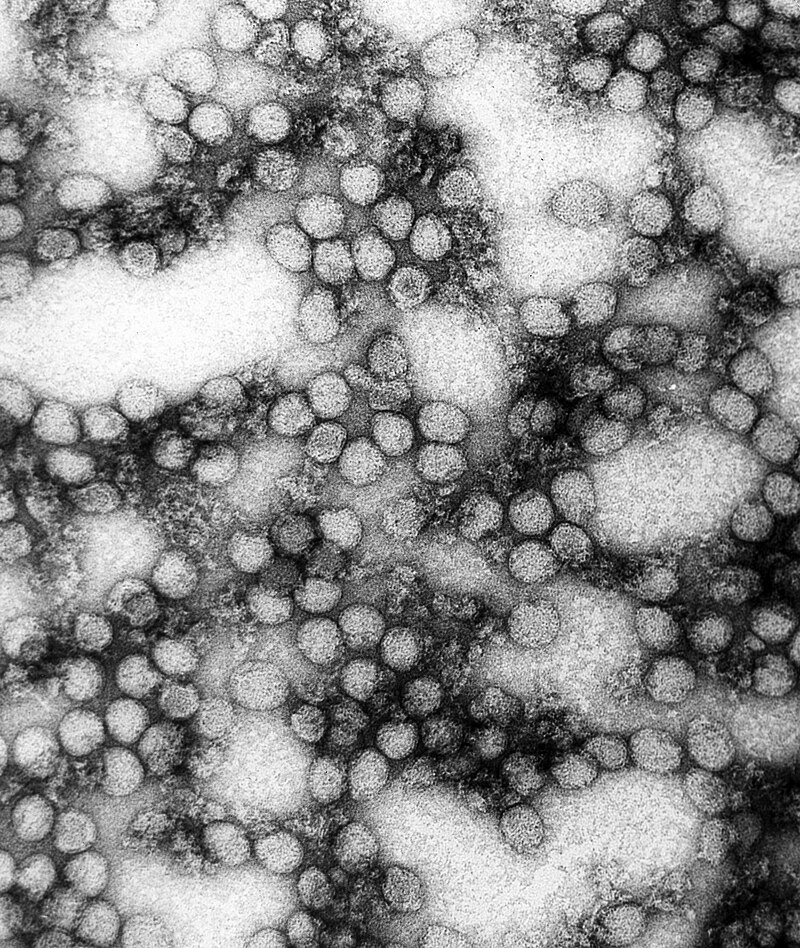
yellow fever
viral disease
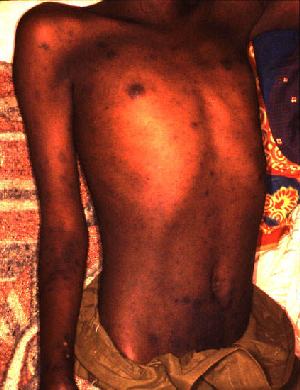
typhus

rubella
Rubella, also known as German measles or three-day measles, is a vaccine-preventable infection caused by the rubella virus. This disease is often mild, with half of people not realizing that they are infected. A rash may start around two weeks after exposure and last for three days. It usually starts on the face and spreads to the rest of the body. The rash is sometimes itchy and is not as bright as that of measles. Swollen lymph nodes are common and may last a few weeks. A fever, sore throat, and fatigue may also occur. Joint pain is common in adults. Complications may include bleeding proble

herpes zoster
Shingles, also known as herpes zoster or zona, is a viral disease characterized by a painful skin rash with blisters in a localized area. Typically the rash occurs in a single, wide mark either on the left or right side of the body or face. Two to four days before the rash occurs, there may be tingling or local pain in the area. Other common symptoms are fever, headache, and tiredness. The rash usually heals within two to four weeks, but some people develop ongoing nerve pain which can last for months or years, a condition called postherpetic neuralgia (PHN). In those with poor immune function
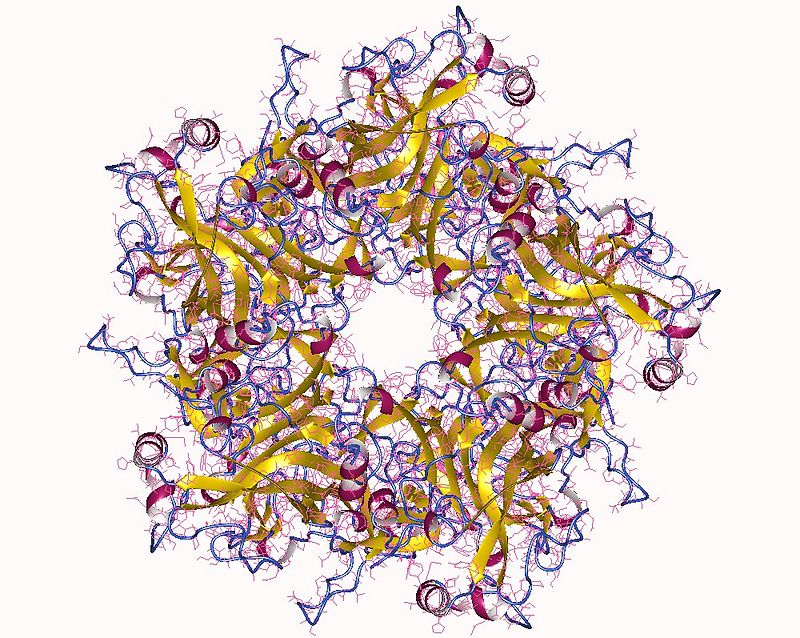
human papillomavirus infection
infection caused by the human papillomavirus (HPV)

leptospirosis

chlamydia infection
Chlamydia, or more specifically a chlamydia infection, is a sexually transmitted infection caused by the bacterium Chlamydia trachomatis. Most people who are infected have no symptoms. When symptoms do appear, they may occur only several weeks after infection; the incubation period between exposure and being able to infect others is thought to be on the order of two to six weeks. Symptoms in women may include vaginal discharge or burning with urination. Symptoms in men may include discharge from the penis, burning with urination, or pain and swelling of one or both testicles. The infection can
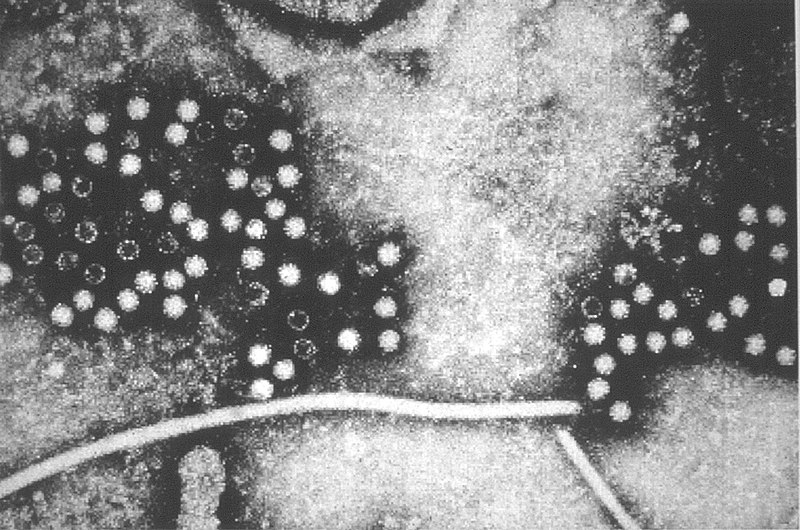
hepatitis E
an inflammation of the liver caused by infection with the hepatitis E virus
Japanese encephalitis
infection of the brain caused by the Japanese encephalitis virus
tick-borne encephalitis
viral infectious disease involving the central nervous system

canine distemper
dog disease

Haemophilus influenzae
species of bacterium

Feline leukemia virus
species of virus
meningococcal disease
human disease

Canine parvovirus
subtype of virus

Bordetella
Bordetella () is a genus of small (0.2 – 0.7 μm), Gram-negative, coccobacilli bacteria of the phylum Pseudomonadota. Bordetella species, with the exception of B. petrii, are obligate aerobes, as well as highly fastidious, or difficult to culture. All species can infect humans. The first three species to be described (B. pertussis, B. parapertussis, B. bronchiseptica) are sometimes referred to as the 'classical species'. Two of these (B. pertussis and B. bronchiseptica) are also motile.
feline viral rhinotracheitis
upper respiratory or pulmonary infection of cats

Feline calicivirus
virus of the family Caliciviridae
vaccine-preventable diseases
diseases that can be prevented by vaccines
canine influenza
influenza occurring in canine animals
pneumococcal infection
infections with bacteria of the species streptococcus pneumoniae
Argentinian mammarenavirus
species of virus
Protoparvovirus Carnivora 1
species of virus