Category
page 1Yeasts

yeast
A yeast is any species of fungus that grows primarily in a unicellular form and reproduces via budding or fission. Yeasts are eukaryotic microorganisms that originated hundreds of millions of years ago, with at least 1,500 species currently recognized. They constitute about 1% of all described fungal species.

Candida albicans
species of fungus

Candida
genus of fungi

Schizosaccharomyces pombe
Species of yeast
Cryptococcus neoformans
species of fungus
baker's yeast
strains of yeast commonly used as a leavening agent in baking

Candida auris
species of fungus
Saccharomycetes
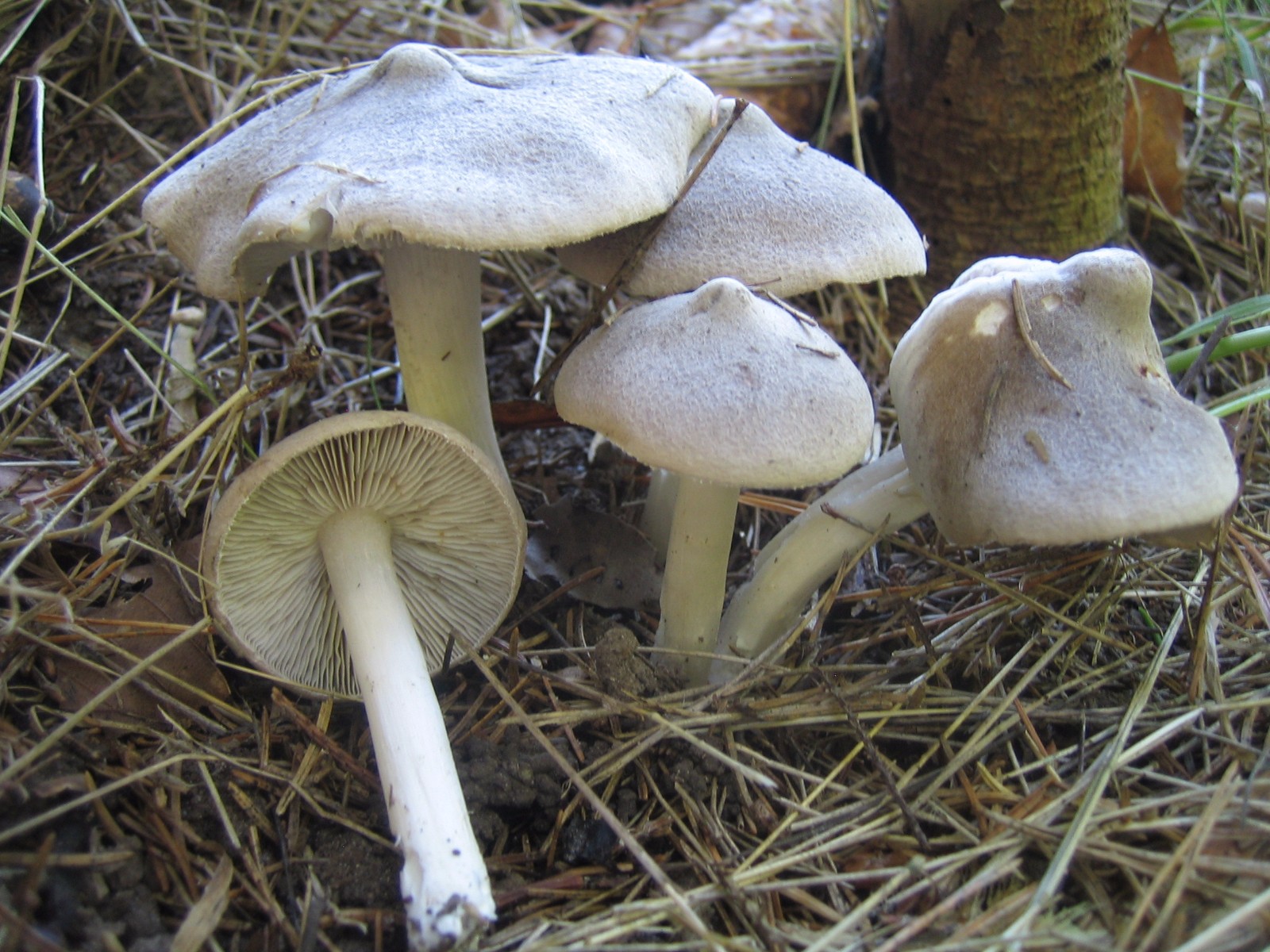
Saccharomycetes belongs to the Ascomycota division of the kingdom Fungi. It is the only class in the subdivision Saccharomycotina, the budding yeasts. Saccharomycetes contains a single order, Saccharomycetales.

Tremella
Tremella is a genus of fungi in the family Tremellaceae. All Tremella species are parasites of other fungi and most produce anamorphic yeast states. Basidiocarps (fruit bodies), when produced, are gelatinous and are colloquially classed among the "jelly fungi". Over 100 species of Tremella (in its wide sense) are currently recognized worldwide. One species, Tremella fuciformis, is commercially cultivated for food.
Malassezia furfur
species of fungus
Saccharomycetaceae
The Saccharomycetaceae are a family of yeasts in the order Saccharomycetales that reproduce by budding. Species in the family have a cosmopolitan distribution, and are present in a wide variety of habitats, especially those with a plentiful supply of carbohydrate sources. The family contains the species Saccharomyces cerevisiae, perhaps the most economically important fungus.
Saccharomycetales
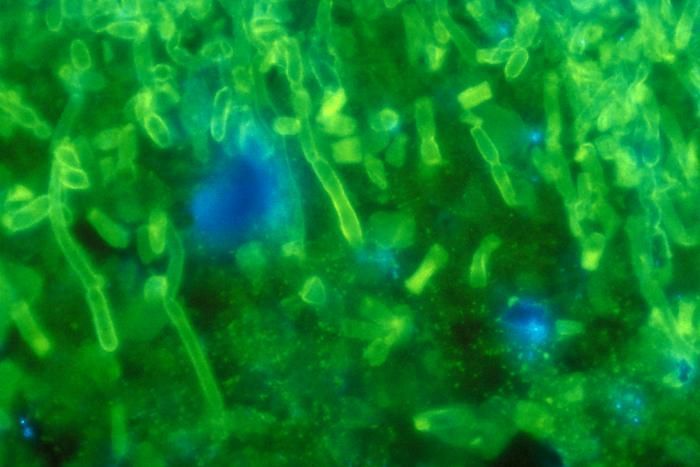
Saccharomycetales belongs to the kingdom of Fungi and the division Ascomycota. It is the only order in the class Saccharomycetes. There are currently 13 families recognized as belonging to Saccharomycetales. GBIF also includes; Alloascoideaceae (with 5 genera), Eremotheciaceae (16) Trigonopsidaceae (with 36) and Wickerhamomycetaceae (with 141 genera).

Cryptococcus
Cryptococcus (from Ancient Greek κρυπτός (kruptós), meaning "hidden", and κόκκος (kókkos), meaning "grain") is a genus of fungi in the family Cryptococcaceae that includes both yeasts and filamentous species. The filamentous, sexual forms or teleomorphs were formerly classified in the genus Filobasidiella, while Cryptococcus was reserved for the yeasts. Most yeast species formerly referred to Cryptococcus have now been placed in different genera. Some Cryptococcus species cause a disease called cryptococcosis.
Saccharomycotina
Saccharomycotina is a subdivision (subphylum) of the division (phylum) Ascomycota in the kingdom Fungi. It comprises most of the ascomycete yeasts. The members of Saccharomycotina reproduce by budding and they do not produce ascocarps (fruiting bodies).
nutritional yeast
type of deactivated yeast
yeast extract
food
Saccharomyces boulardii
species of fungus

Malassezia
Malassezia is a genus of fungi (specifically, a yeast belonging to the division Basidiomycota).
Cystobasidiomycetes
The Cystobasidiomycetes are a class of fungi in the subdivision Pucciniomycotina of the Basidiomycota. Most species are known from their yeast states; hyphal states, when present, produce auricularioid (laterally septate) basidia and are frequently (possibly always) parasites of other fungi. The class contains five orders (Buckleyzymales, Cystobasidiales, Erythrobasidiales, Naohideales, and Sakaguchiales) as well as two families (Microsporomycetaceae and Symmetrosporaceae) and one genus (Queiroziella) of uncertain disposition. An additional order, Cyphobasidiales, has been proposed to accommod
Schizosaccharomyces
Schizosaccharomyces is a genus of fission yeasts. The most well-studied species is S. pombe. At present five Schizosaccharomyces species have been described (S. pombe, S. japonicus, S. octosporus, S. cryophilus and S. osmophilus). Like the distantly related Saccharomyces cerevisiae, S. pombe is a significant model organism in the study of eukaryotic cell biology. It is particularly useful in evolutionary studies because it is thought to have diverged from the Saccharomyces cerevisiae lineage between 300 million and 1 billion years ago, and thus provides an evolutionarily distant comparison.
Pichia
Pichia (Hansenula and Hyphopichia are obsolete synonyms) is a genus of yeasts in the family Pichiaceae with spherical, elliptical, or oblong acuminate cells. Pichia is a teleomorph, and forms hat-shaped, hemispherical, or round ascospores during sexual reproduction. The anamorphs of some Pichia species are Candida species. The asexual reproduction is by multilateral budding.

Candida glabrata
species of fungus

Trichosporon
Trichosporon is a genus of anamorphic fungi in the family Trichosporonaceae. All species of Trichosporon are yeasts with no known teleomorphs (sexual states). Most are typically isolated from soil, but several species occur as a natural part of the skin microbiota of humans and other animals. Proliferation of Trichosporon yeasts in the hair can lead to an unpleasant but non-serious condition known as white piedra. Trichosporon species can also cause severe opportunistic infections (trichosporonosis) in immunocompromised individuals.

Candida tropicalis
species of fungus
Schizosaccharomycetes
The Schizosaccharomycetes are a class in the kingdom of fungi. It contains the order Schizosaccharomycetales, the fission yeasts. The genus Schizosaccharomyces is a broad and ancient clade within Ascomycota including five known fission yeast:
Schizosaccharomyces pombe, Schizosaccharomyces japonicius, Schizosaccharomyces octosporus, and Schizosaccharomyces cryophilus, and Schizosaccharomyces osmophilus.
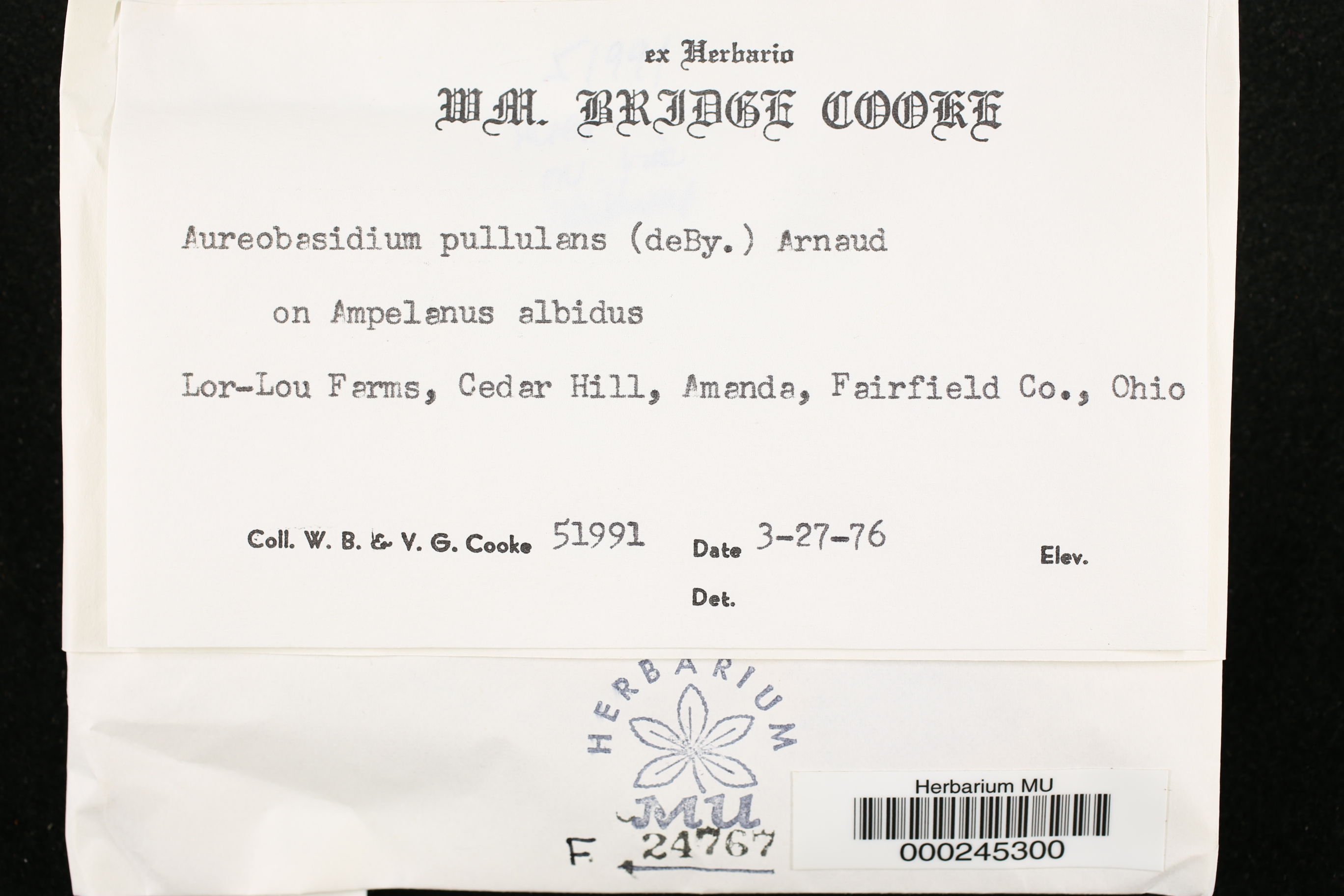
Aureobasidium pullulans
species of fungus
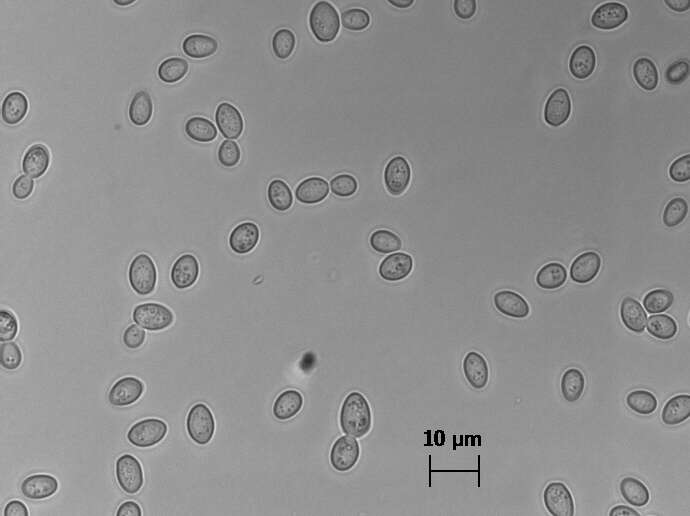
Zygosaccharomyces
Zygosaccharomyces is a genus of yeasts in the family Saccharomycetaceae. It was first described under the genus Saccharomyces, but in 1983, it was reclassified to its current name in the work by Barnett et al. The yeast has a long history as a well-known spoilage yeast within the food industry, because several species in this genus are significantly resistant to many of the common food preservation methods. For example, the biochemical properties Z. bailii possesses to achieve this includes high sugar tolerance (50-60%), high ethanol tolerance (up to 18%), high acetic acid tolerance (2.0-2.5%)
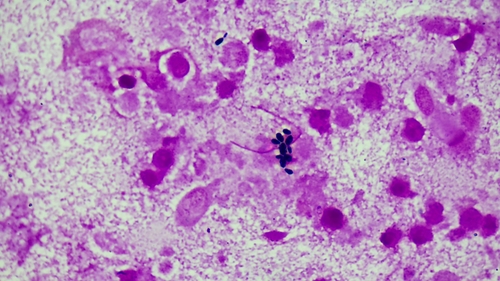
Kluyveromyces
Kluyveromyces is a genus of ascomycetous yeasts in the family Saccharomycetaceae. Some of the species, such as K. marxianus, are the teleomorphs of Candida species.

Rhodotorula
thumb|.Rhodotorula mucilaginosa cells, Methylene blue stain, magnification 400x
Brettanomyces
Brettanomyces is a non-spore forming genus of yeast in the family Pichiaceae, and is often colloquially referred to as "Brett". The genus name Dekkera is used interchangeably with Brettanomyces, as it describes the teleomorph or spore forming form of the yeast, but is considered deprecated under the one fungus, one name change. The cellular morphology of the yeast can vary from ovoid to long "sausage" shaped cells. The yeast is acidogenic, and when grown on glucose rich media under aerobic conditions, produces large amounts of acetic acid. Brettanomyces is important to both the brewing and win
lees
deposits of residual yeast and other particles in wine-making

SCOBY
thumb|A SCOBY used for brewing kombucha
thumb|Kombucha co-culture with SCOBY biofilm
Cyberlindnera jadinii
Cyberlindnera jadinii, commonly known as torula in the food industry, is a species of yeast. It is used as a savory, protein-rich food ingredient as well as a food bait for insects. It is also commonly known as the anamorphic name Candida utilis, which has been discarded under the "one fungus, one name" change.
Debaryomyces hansenii
species of fungus
Zygosaccharomyces bailii
species of fungus
Yarrowia lipolytica
species of fungus

Sporobolomyces
Sporobolomyces is a genus of fungi in the subdivision Pucciniomycotina. It is also known as "mirror yeast", due to its forceful ejection of its spores, which can create a "mirror image" of a growing colony when grown between two opposing agar surfaces.
Kluyveromyces marxianus
species of fungus

Candida parapsilosis
species of fungus
Metschnikowiaceae
The Metschnikowiaceae are a family of yeasts in the order Saccharomycetales that reproduce by budding. The family comprises sixteen genera including the type genus Metschnikowia, which is commonly found in floral nectar and dispersed by pollinators on all continents except Antarctica. Originally proposed in 1900 but not validly published until 2013, the family has undergone significant taxonomic revision based on genome-scale studies, leading to the establishment of thirteen new genera in 2024 to better reflect evolutionary relationships. Members are characterized by multilateral budding, ofte
Zygosaccharomyces rouxii
species of fungus
Cryptococcus gattii
species of fungus
Candida stellata
species of fungus
Saccharomyces uvarum
species of fungus
Candida dubliniensis
species of fungus
Hanseniaspora
Hanseniaspora is a genus of yeasts. The name Kloeckera is applied to its anamorph form. They are typically apiculate (lemon-shaped) in shape and often found in grape musts pre-fermentation.
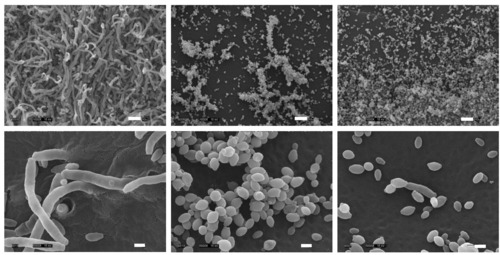
Candida lusitaniae
species of fungus
Saccharomyces bayanus
species of fungus
Candida krusei
species of fungus
Komagataella
Komagataella is a methylotrophic yeast within the order Pichiales. It was found in the 1960s as Pichia pastoris, with its feature of using methanol as a source of carbon and energy. In 1995, P. pastoris was reassigned into the sole representative of genus Komagataella, becoming Komagataella pastoris. In 2005, it was found that almost all strains used industrially and in labs are a separate species, K. phaffii. Later studies have further distinguished new species in this genus, resulting in a total of 7 recognized species. It is not uncommon to see the old name still in use in the context of pr
Debaryomyces
Debaryomyces is a genus of yeasts in the family Debaryomycetaceae.
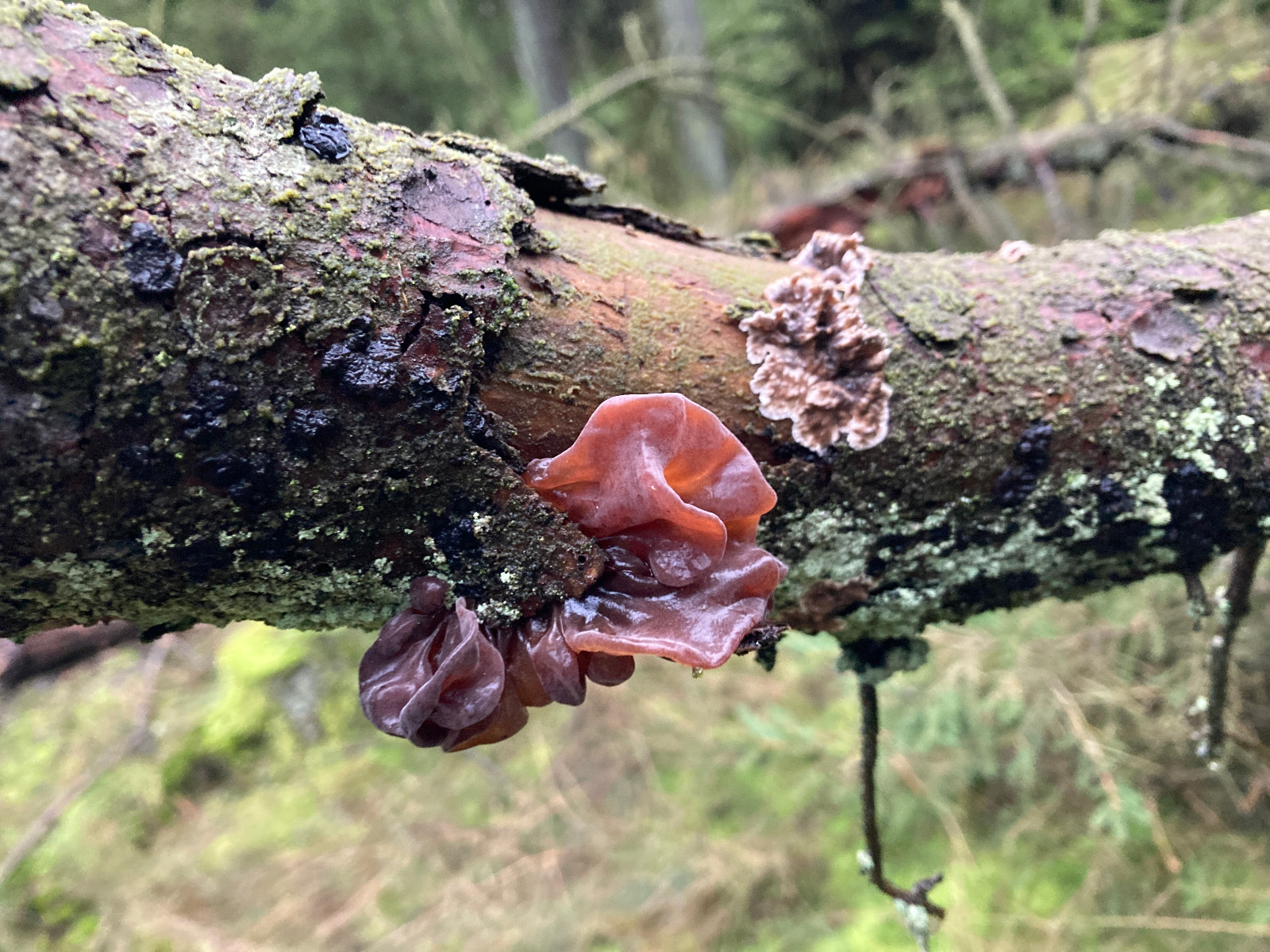
Phaeotremella foliacea
species of fungus
Ogataea polymorpha
species of fungus
Candida viswanathii
species of fungus
Schizosaccharomycetaceae
The Schizosaccharomycetaceae are a family of yeasts in the order Schizosaccharomycetales.

Metschnikowia
Metschnikowia is a genus of yeast in the family Metschnikowiaceae. Cells are usually spherical to ellipsoid. Asci are elongate and contain one or two needle shaped ascospores. Metschnikowia bicuspidata is the type species. Metschnikowia pulcherrima has been investigated for use in winemaking and as a substitute for Palm oil.
Saccharomyces paradoxus
species of fungus

Phaeotremella
Phaeotremella is a genus of fungi in the family Phaeotremellaceae. All Phaeotremella species are parasites of other fungi and produce anamorphic yeast states. Basidiocarps (fruit bodies), when produced, are gelatinous and are colloquially classed among the "jelly fungi". Fifteen or so species of Phaeotremella are currently recognized worldwide. Tremella sanguinea, shown to be a Phaeotremella species by DNA sequencing, is cultivated in China as an ingredient in traditional Chinese medicine.

Torulaspora
Torulaspora is a genus of ascomycetous yeasts in the family Saccharomycetaceae.

Candida oleophila
species of fungus