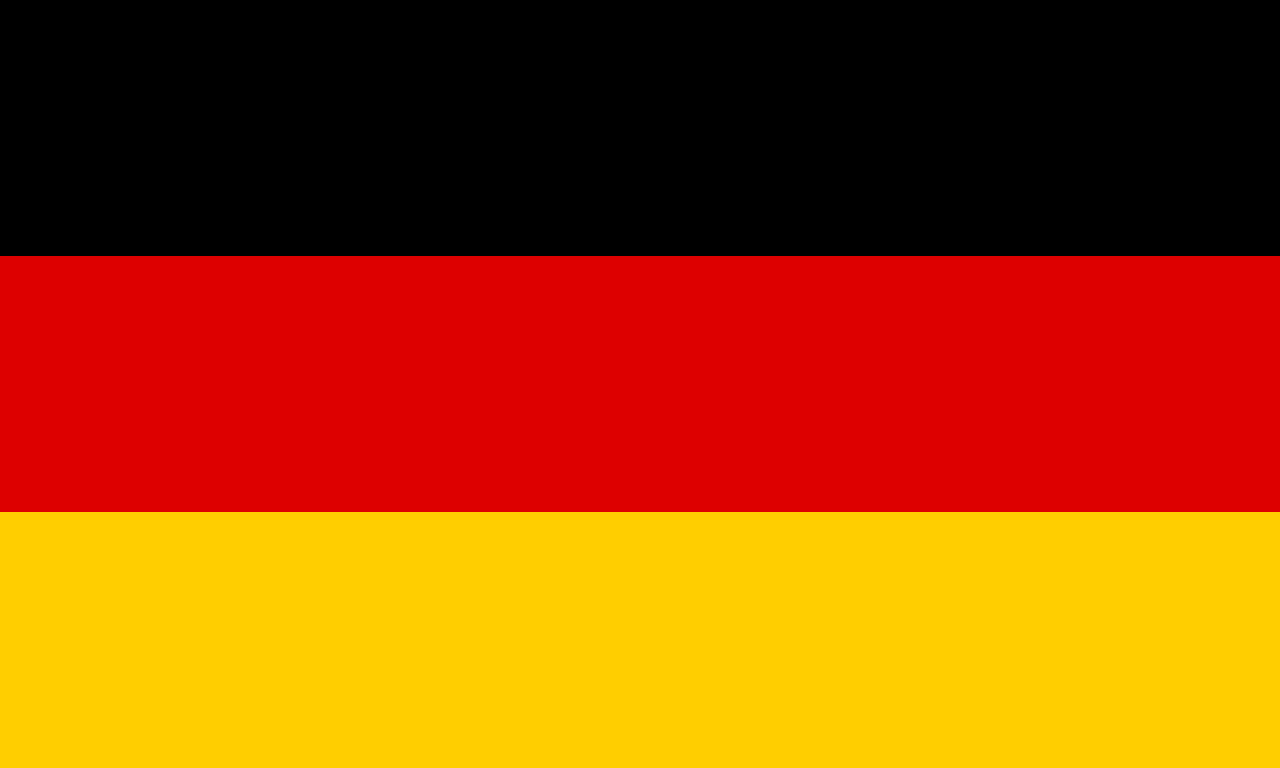
ประเทศเยอรมนี
Also known as Federal Republic of Germany
ประเทศในทวีปยุโรปตอนกลาง
AI overview
Germany is a large country in Western and Central Europe with over 82 million people, making it the most populous member state of the European Union. It matters globally due to its size, central location between the Baltic and North Seas, and its role as a major economic and political power in Europe.
AI-generated from the Wikipedia summary — may contain errors.
Weather now
cached 3h ago16°overcast clouds
78% 3.0 m/s OpenWeatherMap
7-day forecast
via Open-Meteo
Country

- Capital
- Berlin
- Population
- 83,491,249
- Region
Travel guide
Understand
An economically, politically, and culturally influential nation, Germany is the richest and most populous European Union member state.
Get in
There are a number of ways to get into Germany. From neighbouring European countries, a drive with the car or a train or bus ride are perhaps the easiest and most comfortable options; visitors from further away will probably be using air travel.
Get around
On the whole transportation is efficient and fast, though last minute tickets can be a bit on the expensive side. All modes of transportation are up to a high modern standard, including a dense network of airports, high speed rail services connecting most major cities and regional trains, one of the densest highway networks on earth (with stretches where the speed limit is shrug emoji), and intercity bus services.
Do
Germany offers a wide variety of activities of both a cultural and sporting nature. Many Germans are members of a sports club.
Drink
Pubs are open in Germany until 02:00 or later. Food is generally available until midnight. Germans typically go out after 20:00 (popular places are already full by 18:00).
The legal drinking ages are: 14 - minors are allowed to buy undistilled (fermented) alcoholic beverages in a restaurant, such as beer and wine, as long as they are in the company of their parents or a legal guardian. 16 - minors are allowed to buy undistilled (fermented) alcoholic beverages, such as beer and wine without their parents or a legal guardian. Any drink that contains distilled alcohol (even if the overall alcohol content is lower than for a typical beer) is not allowed 18 - having become adults, people are allowed unrestricted access to alcohol.
Sleep
Germany provides almost all options for accommodation, including hotels, B&Bs, hostels, and camping. You might also consider staying with members of a hospitality exchange network.
German mattresses tend to take a middle ground for firmness, compared to plush American ones and hard Japanese ones. The bedding tends to be simple: a sheet to cover the mattress, one duvet per person (Decke, very nice if you sleep with someone who tends to hog the blankets, but sometimes a little breezy around the toes for tall people) and an enormous square feather pillow, which you can mold into any shape that pleases you. Making the bed in the morning takes mere seconds: fold the Decke in thirds with a quick flick of the wrists, as if it were going to sleep in your place while you are out, and toss the pillow at the top of the bed.
Gallery (59)
On the map
6 mapped locations
Connections
Categories
1990 establishments in EuropeCountries and territories where German is an official languageCountries in EuropeFederal republicsG20 membersGermanyMember states of NATOMember states of the Council of EuropeMember states of the European UnionMember states of the Union for the MediterraneanMember states of the United NationsOECD members