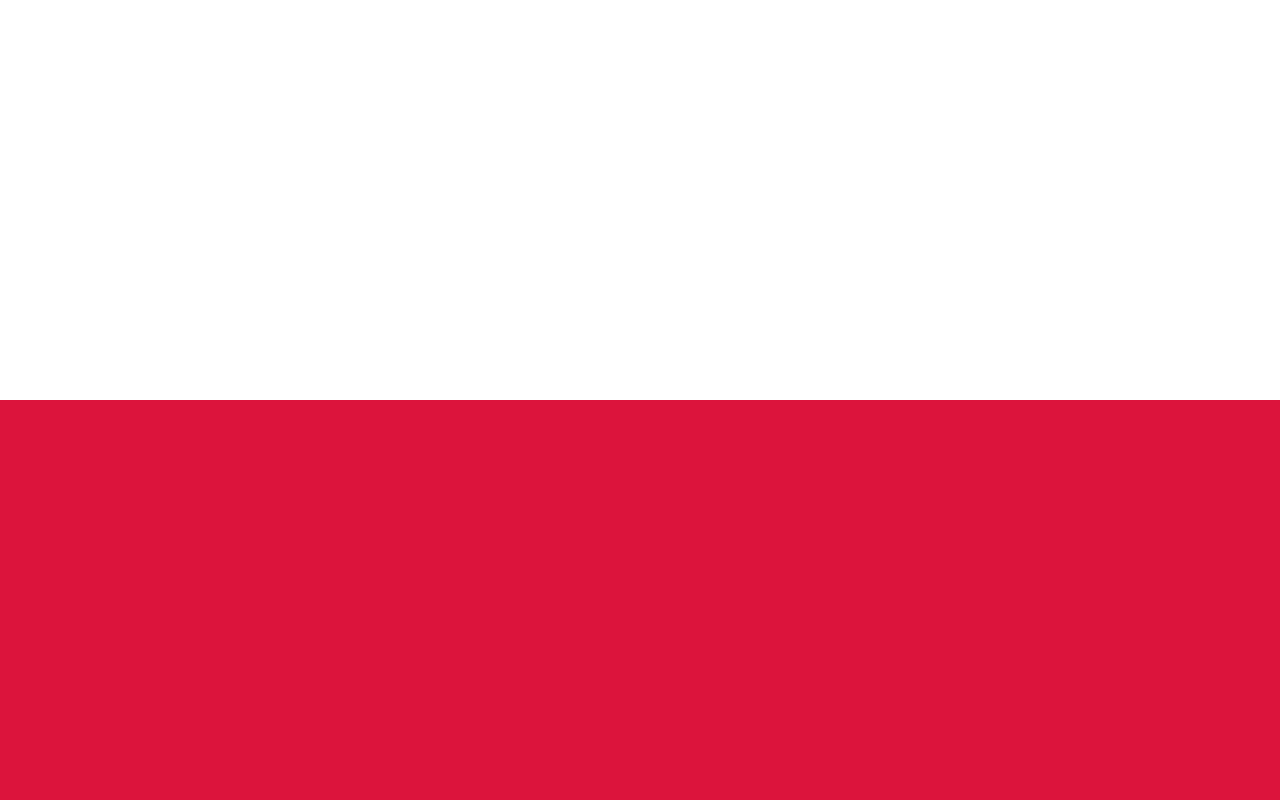
Polska
Also known as Republic of Poland
państwo w Europie Środkowej
AI overview
Poland is a Central European country bordered by Germany, the Czech Republic, Slovakia, Ukraine, Belarus, Lithuania, and Kaliningrad Oblast, extending from the Baltic Sea in the north to mountains in the south. As the fifth most populous and fifth largest member state of the European Union with over 38 million people, Poland plays a significant role in European affairs.
AI-generated from the Wikipedia summary — may contain errors.
Weather now
cached 7h ago16°scattered clouds
78% 4.7 m/s OpenWeatherMap
7-day forecast
via Open-Meteo
Country


- Capital
- Warsaw
- Population
- 37,392,000
- Region
Travel guide
Understand
Poland is located at the very centre of Europe with an area of 322,575 km².
Poland's western regions, including large parts of Lower Silesia, Lubuskie and Zachodniopomorskie, were parts of neighbouring Germany at different periods of time. The natural border of mountain ridges separating Poland from its southern neighbours, the Czech Republic and Slovakia, did not stop the cultural influence (and periodic warring). In the Middle Ages, Poland was part of a powerful Commonwealth with Lithuania that governed much of today's Belarus and Ukraine. The cultural evidence of it can be found closer to the present-day borders. Lastly, the entire eastern half of Poland used to be controlled by the Russian Empire, and there was a strong Soviet influence during the communist era, leaving behind many traces in both culture and built heritage.
Poland has a very homogeneous society in terms of ethnicity, language and religion. The historical Republics of Poland, whose boundaries were very different from those of today, were very multi-cultural, and, for a period, Poland was known as Europe's most religiously tolerant. Poland held Europe's largest Jewish population, which was all but wiped out by the Holocaust of World War II. After the war the survivors were persecuted by the anti-Semitic communist government into leaving the country.
Despite losing a third of its population during World War II, including a disproportionally large part of its elites, and suffering many economic setbacks as…
Get around
Polish road infrastructure is extensive but generally poorly maintained, and high speed motorways in place are insufficient. However, public transport is quite plentiful and inexpensive: buses and trams in cities, and charter buses and trains for long-distance travel.
See
Ever since Poland joined the European Union, international travellers have rapidly rediscovered the country's rich cultural heritage, stunning historic sites and just gorgeous array of landscapes. Whether you're looking for architecture, urban vibes or a taste of the past: Poland's bustling cities and towns offer something for everyone. If you'd rather get away from the crowds and enjoy nature, the country's vast natural areas provide anything from dense forests, high peaks and lush hills to beaches and lake reserves.
Do
Travel one of the European Cultural Routes that cross Poland: for example Cisterian Route Watch football: Ekstraklasa is the top tier of soccer in Poland, with 16 teams representing all the major cities. The playing season is July to April with a long winter break. The national team usually play home games at Stadion Narodowy (National Stadium) in Warsaw. Cycling: you can bike through Poland, there are five EuroVelo trails going through nearly every part of country. However, infrastructure may be a bit lacking outside major cities.
Article · Polski
Polska, Rzeczpospolita Polska (RP) – państwo unitarne w Europie Środkowej, położone między Morzem Bałtyckim na północy a Sudetami i Karpatami na południu, w przeważającej części w dorzeczu Wisły i Odry. Od północy Polska graniczy z Rosją (z jej obwodem kaliningradzkim) i Litwą, od wschodu z Białorusią i Ukrainą, od południa ze Słowacją i Czechami, od zachodu z Niemcami. Większość północnej granicy Polski wyznacza wybrzeże Morza Bałtyckiego. Polska Wyłączna Strefa Ekonomiczna na Bałtyku graniczy ze strefami Danii i Szwecji. Granice z Ukrainą, Białorusią i Rosją stanowią równocześnie granicę zewnętrzną Unii Europejskiej i strefy Schengen. Powierzchnia administracyjna Polski wynosi 312 696 km², co daje jej 69. miejsce na świecie i 9. w Europie. Zamieszkana przez 38 179 800 ludzi (marzec 2021), zajmuje pod względem liczby ludności 38. miejsce na świecie, a 5. w Unii Europejskiej. Polska podzielona jest na 16 województw. Jej największym miastem i jednocześnie stolicą jest Warszawa. Inne metropolie to Kraków, Wrocław, Łódź, Poznań, Gdańsk, Szczecin. Największą polską aglomeracją policentryczną jest konurbacja górnośląska. Polska jest krajem jednolitym etnicznie – 97% ludności deklaruje narodowość polską. Pierwszą historycznie potwierdzoną datą opisującą dzieje Polski jest rok 966, gdy książę Mieszko I, władca obszarów mieszczących się współcześnie w większości w granicach Polski, przyjął chrzest. W 1025 powstało Królestwo Polskie, którego pierwszym królem był syn Mieszka I, Bolesław I Chrobry. W 1385 Polska zawarła porozumienie z Wielkim Księstwem Litewskim, podpisując akt unii w Krewie; związek ten zacieśniła unia lubelska z 1569, w wyniku czego powstała Rzeczpospolita Obojga Narodów, jedno z największych i najludniejszych państw na mapie szesnasto- i siedemnastowiecznej Europy, które w latach 1618–1621, po rozejmie w Dywilinie, miało powierzchnię około 1 mln km². Jej ustrój wewnętrzny określany jest jako demokracja szlachecka, zaś monarchę wybierano w systemie tak zwanej wolnej elekcji. Rzeczpospolita przestała istnieć w wyniku III rozbioru, w 1795, kiedy to jej terytorium podzielone zostało między Prusy, Rosję i Austrię. Po 123 latach, pod koniec I wojny światowej, w 1918, Polska odzyskała niepodległość (odrodzona wówczas państwowość nazywana jest II Rzecząpospolitą). 1 września 1939 atakiem Niemiec na Polskę rozpoczęła się II wojna światowa, zaś 17 września 1939 nastąpiła agresja ZSRR; wobec tego w październiku 1939 całe terytorium kraju znalazło się pod okupacją niemiecką i sowiecką. W wyniku II wojny światowej życie straciło ponad sześć milionów obywateli Polski. Konferencja jałtańska w lutym 1945 umieściła Polskę w strefie wpływów ZSRR. W lipcu 1945 postanowieniami konferencji poczdamskiej granice Polski przesunięto na zachód (między linię Odry i Nysy Łużyckiej, a linię Curzona), przyłączając tzw. Ziemie Odzyskane w miejsce Kresów Wschodnich. Polska Rzeczpospolita Ludowa (nazwa państwa przyjęta w 1952) była państwem satelickim ZSRR w formule tzw. demokracji ludowej. Rządy w systemie monopartyjnym sprawowała komunistyczna Polska Partia Robotnicza, a następnie Polska Zjednoczona Partia Robotnicza (przy formalnym istnieniu ugrupowań satelickich). W okresie zimnej wojny PRL należała do Układu Warszawskiego, stanowiła zatem część tzw. bloku wschodniego. Po przemianach politycznych zapoczątkowanych w konsekwencji Okrągłego Stołu i częściowo demokratycznych wyborów parlamentarnych w czerwcu 1989 został powołany pierwszy rząd z premierem spoza partii komunistycznej. Po jesieni ludów Polska zmodyfikowała konstytucję, zmieniając 31 grudnia 1989 nazwę państwa na Rzeczpospolita Polska i stając się krajem demokratycznym. Mimo olbrzymich strat w ludziach oraz znacznego zniszczenia kraju w wyniku II wojny światowej w Polsce udało się zachować wiele bogactwa kulturowego. Znajduje się tu 16 miejsc wpisanych na listę światowego dziedzictwa UNESCO, 54 pomniki historii oraz duża liczba zarejestrowanych zabytków. Od początku transformacji ustrojowej w gospodarkę rynkową, Polska utrzymuje bardzo wysoki wskaźnik rozwoju społecznego (HDI). W kraju stopniowo zwiększa się wolność ekonomiczna. Polska jest demokratycznym państwem z rozwiniętą, wysokodochodową gospodarką i wysokim wskaźnikiem jakości życia; większość Polaków (57%) pracuje w sektorze usług. Ponadto rocznie Polskę odwiedza około 17,5 mln turystów (2016), co czyni ją jednym z najczęściej odwiedzanych krajów świata. Polska jest siódmą co do wielkości gospodarką w Unii Europejskiej i jedną z najszybciej rozwijających się gospodarek europejskich. W badaniu wskaźnika demokracji, przeprowadzanym przez zespół związany z tygodnikiem The Economist, Polska zajęła w 2021 roku 51. miejsce (na 167 przebadanych państw i terytoriów), co oznacza spadek od poprzedniego roku o jedno miejsce, a demokracja kraju jest określana jako wadliwa[2]. Według wskaźnika Global Peace Index z 2017 roku Polska zajmuje 33. miejsce na świecie (22. w Europie) pod względem poziomu bezpieczeństwa, natomiast wg raportu firmy Underwriters Laboratories z 2018 roku, Polska pod względem bezpieczeństwa zajmuje miejsce 35. (27. w Europie). Wskaźnik wolności prasy klasyfikuje Polskę na 64. pozycji w świecie w 2021 roku (wolność prasy gwarantuje Art. 14 Konstytucji). Polska należy m.in. do UE, ONZ, NATO, OBWE, WTO, OECD i Rady Europy, zaś Warszawa stanowi siedzibę Frontexu.
Gallery (59)
On the map
6 mapped locations