
Somália
Also known as Federal Republic of Somalia
país situado no chifre da África (África Oriental)
AI overview
I don't have any context provided to base an overview of Somalia on. Please provide the source material or context you'd like me to use, and I'll be happy to write a 2-sentence overview based solely on that information.
AI-generated from the Wikipedia summary — may contain errors.
Weather now
cached 6h ago25°overcast clouds
59% 14.3 m/s OpenWeatherMap
7-day forecast
via Open-Meteo
Country
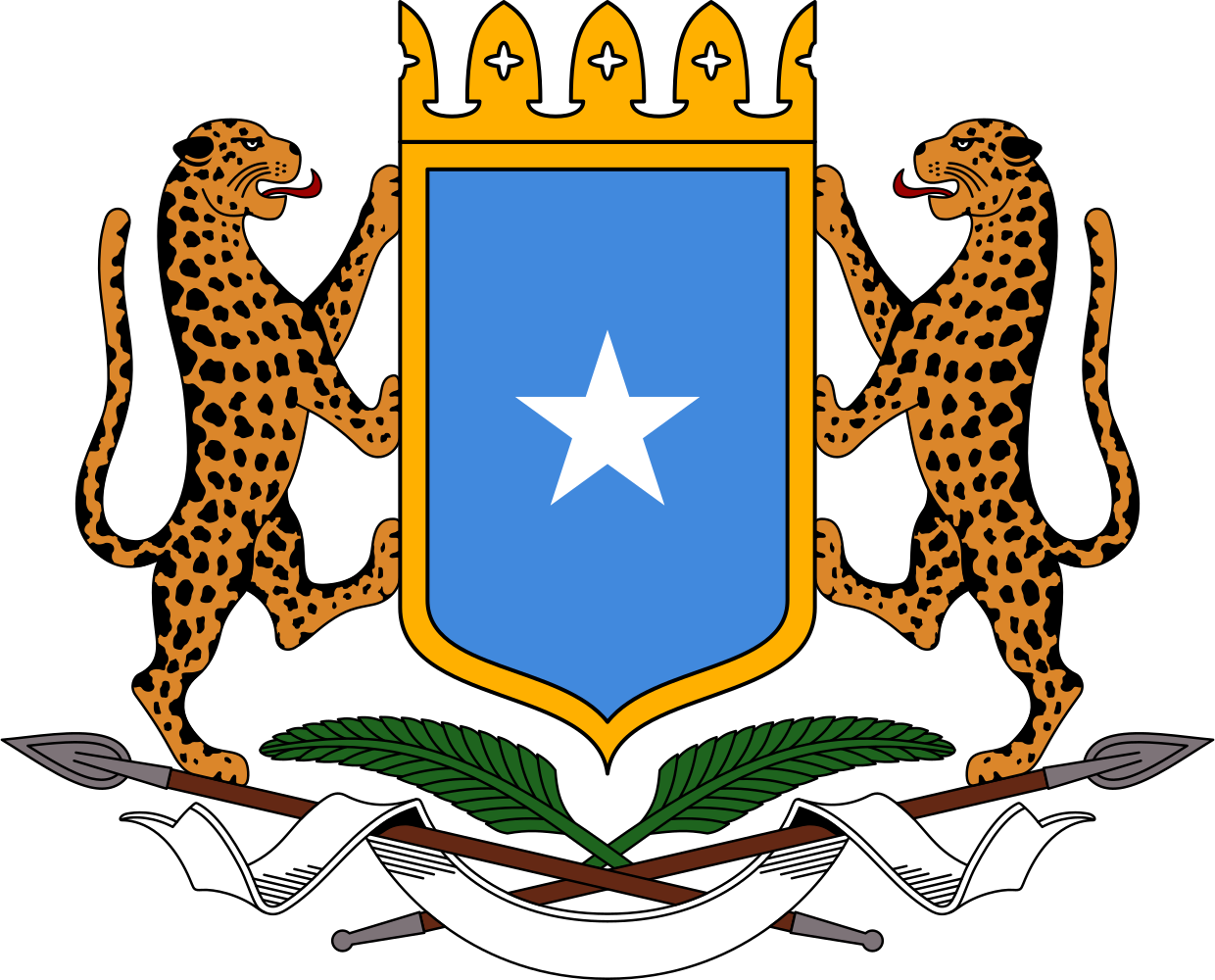
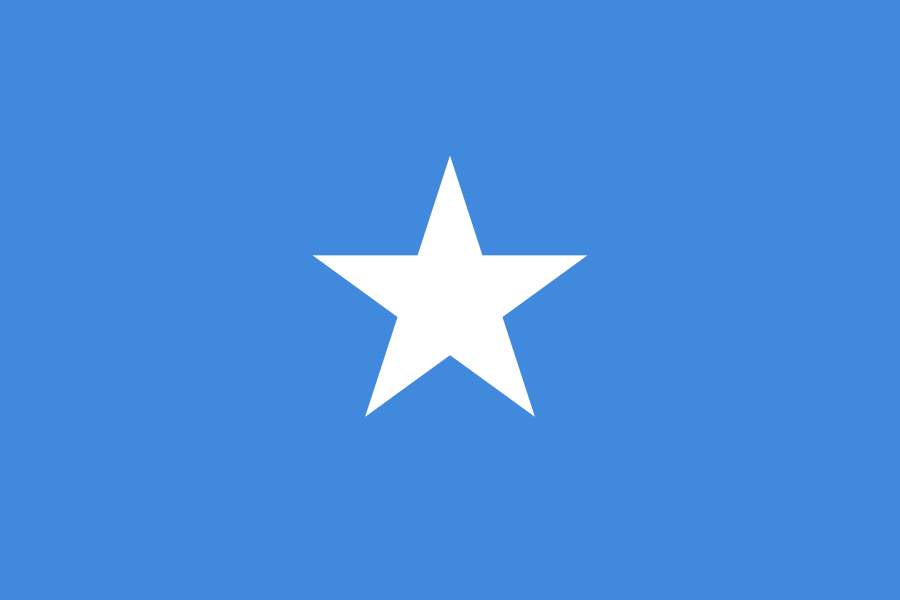
- Capital
- Mogadishu
- Population
- 19,655,000
- Region
Travel guide
Get in
Foreigners and overseas Somalis will need a visa. This can be arranged in three ways:
The Somali embassy in your home country can easily arrange it for US$40-50. Visa on arrival: if you have the right documents, you can easily get a visa on arrival; the whole process takes about 40 minutes. The most secure way is to arrange your whole journey through a local luxury hotel, which will arrange everything from visa processing, picking you up from the airport, providing protection, sightseeing, and everything you need.
Get around
Somalia was without an effective government for 17 years; this has had a negative effect on the roads and transit.
Traffic is dangerous in Somalia. There may be landmines in different parts of the country. Roads are in poor condition and dangerous, especially in the Mogadishu and Jowhar regions. The main roads in the north-west from Hargeisa to Borama, Berbera and Sheikh have been resurfaced and demined.
There are two different modes of public transportation that you can use in Somalia: buses and taxis. The common rule of the road that seems to still be in force is that Somalis generally drive on the right. Little ride hailing app works in Somalia.
See
Liido Beach and Gezira Beach near Mogadishu are very beautiful. Families usually go on weekends. Women must swim fully clothed, but resort investors provide a special place for couples, as Somalia is a Muslim country, and does not permit women to show much of their bodies or to mingle with men. Although improvements have been made, caution is advised.
It is not clear as what the situation is now. In other circumstances, the beach would make for an ideal destination; however, the general threat of banditry and piracy along the coast make this, along with every other option in the country, risky, and caution is usually advised.
Visit some of the Dhulbahante garesas built during the era of Darawiish sultan Diiriye Guure, including:
Taleh Dhulbahante garesa Las Anod Dhulbahante garesa
Do
thumb|People watching a performance during the Eid Al Fitr In Mogadishu, security guards must accompany foreigners. Do not go alone if you are a foreign tourist.
Article · Português
Somália (somali: Soomaaliya; em árabe: الصومال, transl aṣ-Ṣūmāl), oficialmente República Federal da Somália (somali: Jamhuuriyadda Federaalka Soomaaliya; em árabe: جمهورية الصومال الفدرالية, transl. Jumhūriyyat aṣ-Ṣūmāl al-Fiderāliyya) e anteriormente conhecida como República Somaliana e como República Democrática da Somália, é um país localizado no Chifre da África. Faz fronteira com o Djibuti no noroeste, Quênia no sudoeste, o Golfo de Aden com o Iémen a norte, o Oceano Índico a leste e com a Etiópia no oeste. Na Antiguidade, a Somália foi um importante centro de comércio com o resto do mundo antigo. Seus marinheiros e mercadores eram os principais fornecedores de incenso, mirra e especiarias, os itens que foram considerados luxos valiosos para os antigos egípcios, fenícios, micênicos e babilônios com quem o povo Somali negociava. De acordo com a maioria dos estudiosos, a Somália é também o local onde o antigo Reino de Punt estava localizado. Os antigos Punties eram uma nação de pessoas que tinham relações estreitas com o Egito faraônico durante os tempos do faraó Sefrés e da rainha Hatexepsute. As estruturas piramidais, templos e casas antigas de alvenaria em torno da Somália acredita-se que datam deste período. Na época clássica, várias antigas cidades-estado como , Mosyllon e , competiam com os sabeus, partos e axumitas pelo rico comércio indo-greco-romano que também floresceu na Somália. O nascimento do Islã no lado oposto da costa da Somália no Mar Vermelho significou que os comerciantes somalis, marinheiros e expatriados que viviam na Península Arábica gradualmente ficaram sob a influência da nova religião através dos seus parceiros comerciais convertidos muçulmanos árabes. Com a migração de famílias muçulmanas que fugiam do mundo islâmico na Somália nos primeiros séculos do Islã e da conversão pacífica da população somali por estudiosos muçulmanos somalis nos séculos seguintes, as antiga cidades-estado gradualmente se transformaram nas islâmicas Mogadíscio, Berbera, Zeilá, Barawa e Merca, que faziam parte da . A cidade de Mogadíscio chegou a ser conhecida como a Cidade do Islão e controlou o comércio de ouro do Leste Africano durante vários séculos. Na Idade Média, vários poderosos impérios somali dominaram o comércio regional, incluindo o , que era excelência em engenharia hidráulica e construção de fortalezas, o Sultanato de Adal, cujo general, , foi o primeiro comandante Africano na história a usar canhões de guerra no continente durante a conquista do Adal pelo Império Etíope, e da , cujo domínio militar forçou os governadores do Império Omani no norte da cidade de Lamu a pagar tributo ao sultão somali Ahmed Yusuf. No final do século XIX, após o fim da Conferência de Berlim, impérios europeus partiram com seus exércitos para o Corno de África. As nuvens imperiais oscilando sobre a Somália alarmaram o líder dervixe , que se reuniu com soldados somali de todo o Chifre da África e começou uma das mais longas guerras de resistência colonial. A Somália nunca foi formalmente colonizada. O Estado Dervixe repeliu com sucesso o Império Britânico por quatro vezes e obrigou-o a retirar-se para a região costeira. Como resultado de sua fama no Oriente Médio e na Europa, o Estado Dervixe foi reconhecido como um aliado pelo Império Otomano e o pelo Império Alemão, e manteve-se durante a Primeira Guerra Mundial como o único poder muçulmano independente no continente africano. Após um quarto de século, mantendo os britânicos na baía, os dervixes foram finalmente derrotados em 1920, quando o Reino Unido usou pela primeira vez na África aviões que bombardearam a capital, . Como resultado deste bombardeamento, os antigos territórios dervixes foram transformados em um protetorado da Grã-Bretanha. A Itália enfrentou situação semelhante quando sofreu a mesma oposição de sultões somalis e dos exércitos e não adquiriu o controle total de partes da Somália moderna até a era fascista, no fim de 1927. Esta ocupação durou até 1941 e foi substituído por uma administração militar britânica. O Norte da Somália continuaria a ser um protetorado e o sul da Somália tornou-se em 1949 uma tutela das Nações Unidas sob a administração italiana, o Protetorado da Somalilândia. A União das duas regiões, em 1960, formou a República Democrática Somali. Devido aos laços de longa data com o Mundo Árabe, a Somália foi aceita em 1974 como membro da Liga Árabe. Para reforçar a sua relação com o resto do continente africano, a Somália se juntou a outras nações africanas, quando fundou a União Africana e começou a apoiar o ANC na África do Sul contra o regime do apartheid, além dos os separatistas eritreus na Etiópia durante a Guerra de Independência da Eritreia. Um país muçulmano, a Somália é um dos membros fundadores da Organização da Conferência Islâmica e é também um membro da ONU e MNA. Apesar do sofrimento constante de guerras civis e da instabilidade política, a Somália também tenta sustentar uma economia de livre mercado que, segundo a ONU, supera as de muitos outros países da África. A Somália é conhecida por ser um dos países mais corruptos do mundo, empatando com a Coreia do Norte. O litoral da Somália oferece acesso privilegiado a toda região e é historicamente objeto de disputa entre os países do Golfo Pérsico por ser considerada rota vital estratégica.
Gallery (59)
On the map
6 mapped locations
Connections
Categories
1960 establishments in SomaliaCountries and territories where Arabic is an official languageCountries and territories where Somali is an official languageCountries in AfricaCountries in East AfricaFederal republicsHorn African countriesLeast developed countriesMember states of the African UnionMember states of the Arab LeagueMember states of the Organisation of Islamic Cooperation