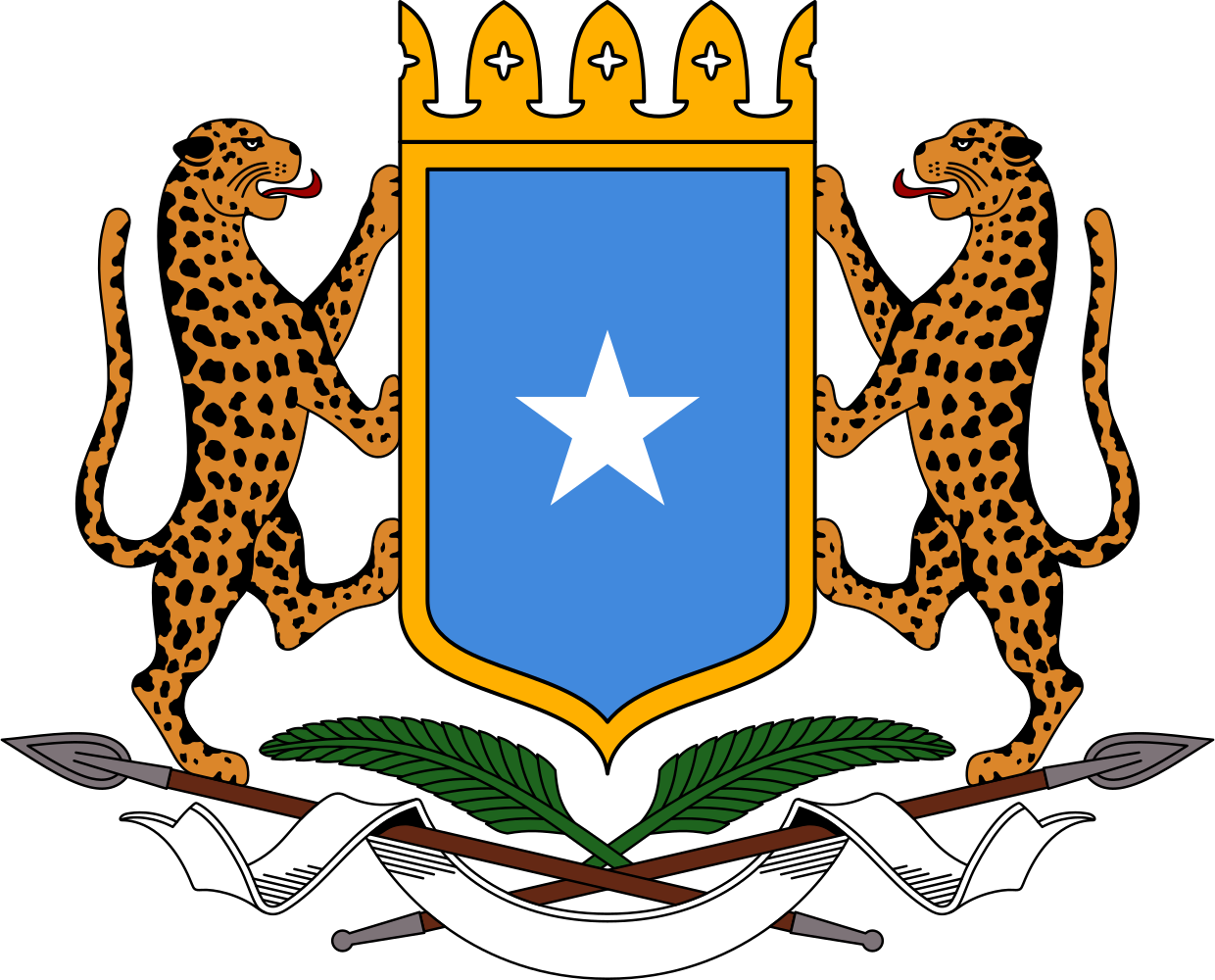
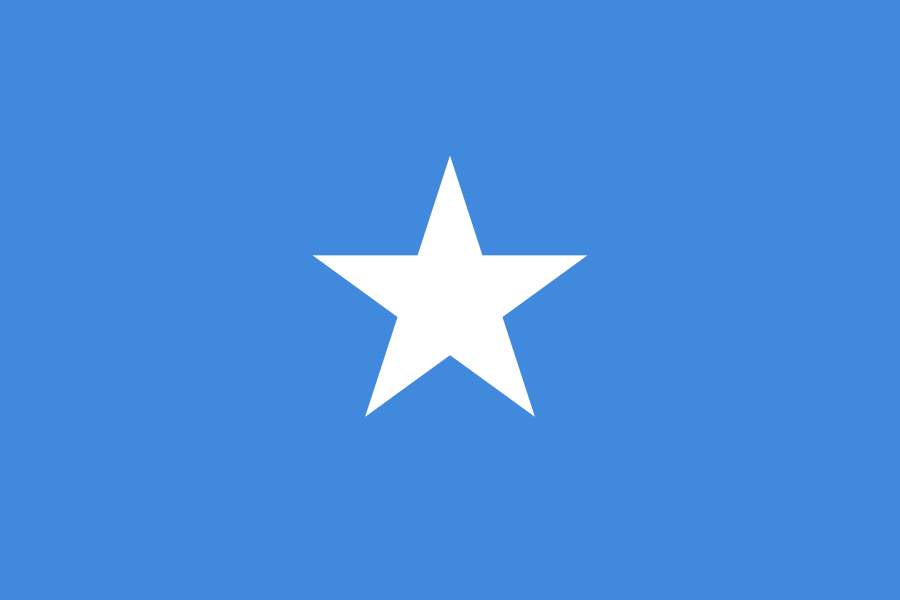
I don't have any context provided to base an overview of Somalia on. Please provide the source material or context you'd like me to use, and I'll be happy to write a 2-sentence overview based solely on that information.
AI-generated from the Wikipedia summary — may contain errors.
via Open-Meteo
Foreigners and overseas Somalis will need a visa. This can be arranged in three ways:
The Somali embassy in your home country can easily arrange it for US$40-50. Visa on arrival: if you have the right documents, you can easily get a visa on arrival; the whole process takes about 40 minutes. The most secure way is to arrange your whole journey through a local luxury hotel, which will arrange everything from visa processing, picking you up from the airport, providing protection, sightseeing, and everything you need.
Somalia was without an effective government for 17 years; this has had a negative effect on the roads and transit.
Traffic is dangerous in Somalia. There may be landmines in different parts of the country. Roads are in poor condition and dangerous, especially in the Mogadishu and Jowhar regions. The main roads in the north-west from Hargeisa to Borama, Berbera and Sheikh have been resurfaced and demined.
There are two different modes of public transportation that you can use in Somalia: buses and taxis. The common rule of the road that seems to still be in force is that Somalis generally drive on the right. Little ride hailing app works in Somalia.
Liido Beach and Gezira Beach near Mogadishu are very beautiful. Families usually go on weekends. Women must swim fully clothed, but resort investors provide a special place for couples, as Somalia is a Muslim country, and does not permit women to show much of their bodies or to mingle with men. Although improvements have been made, caution is advised.
It is not clear as what the situation is now. In other circumstances, the beach would make for an ideal destination; however, the general threat of banditry and piracy along the coast make this, along with every other option in the country, risky, and caution is usually advised.
Visit some of the Dhulbahante garesas built during the era of Darawiish sultan Diiriye Guure, including:
Taleh Dhulbahante garesa Las Anod Dhulbahante garesa
thumb|People watching a performance during the Eid Al Fitr In Mogadishu, security guards must accompany foreigners. Do not go alone if you are a foreign tourist.
索馬里联邦共和国(索馬利亞語:Jamhuuriyadda Federaalka Soomaaliya;阿拉伯语:جمهورية الصومال الفدرالية,Jumhūriyyat aṣ-Ṣūmāl al-Fiderāliyya;英語:Federal Republic of Somalia),通称索馬里(Soomaaliya;الصومال,aṣ-Ṣūmāl,/səˈmɑːliə/,so-MAH-lee-ə;Somalia),是一個東非國家,屬未開發国家。位於索马里半岛上,东濱印度洋,北临亚丁湾,西与埃塞俄比亚、肯尼亚、吉布提相邻。 索馬利亞居於地中海與印度洋的亞丁灣之南,是各國貨輪由曼德海峽出入蘇伊士運河的必經海路。拥有非洲大陆最长的海岸线,其地形主要由高原、平原和高地组成。全年炎热,有周期性的季风和不规则的较少的降雨。国际公认边界内的索马里人口约为1,500万,其中超过200万人居住在首都和最大城市摩加迪沙,并被描述为非洲文化最单一的国家,大约85%的居民是索马里人,主要居住在该国北部。少数民族主要集中在南方。索马里的官方语言是索马里语和阿拉伯语。该国大多数人是逊尼派穆斯林。 19世纪后期,索马里境内的多个苏丹国分别被意大利、英国和阿比西尼亚殖民。欧洲殖民者将索马里部落领土合并为两个殖民地,分别是意属索马里兰和英属索马里兰保护国。同时,在内陆以苦行僧哈桑为首的德尔维希国与阿比西尼亚、意属索马里兰和英属索马里兰进行了长期对抗,直到1920年的索马里兰战役中被击败。1960年,英国和意大利的两殖民地合併成立了独立的索马里共和国。 1969年,最高革命委员会夺取政权并建立了索马里民主共和国,期间与埃塞俄比亚爆发战争但以失败告终。1991年,西亚德·巴雷政权倒台,索马里陷入内战,北部的索马里兰宣布独立,在此期间大多数地区恢复了习惯法和伊斯兰教法。在2000年代初期,创建了许多临时联邦政府,过渡时期全国政府于2000年成立。2004年的《内罗毕全面协定》签署后,索馬利亞成立过渡政府。2012年中,叛乱分子已经失去了他们占领的大部分领土,2012年8月通过了新的临时宪法, 2012年8月23日结束为期8年的过渡期,8月29日选出联邦议会议长,9月10日全国选民普选产生新总统,9月17日总统内阁人选经联邦议会批准成立,9月21日索马里变为联邦制,各成员国自治管理,同时恢复实行宪政。2006年,在美国支持的埃塞俄比亚干预下,过渡联邦政府控制了索马里南部大部分地区,伊斯兰法院联盟随后分裂为青年党等更激进的团体,他们与过渡联邦政府及其非索特派团盟友争夺该地区的控制权。该国家長年饱受海盗的侵扰,联邦政府與已實質独立的索馬利蘭也存在争议。联邦政府重建后摩加迪沙开始了一段重建时期,索马里一直保持着以牲畜、在国外工作的索马里人侨民的汇款和电信为主的非正规经济。是阿拉伯国家联盟、非洲联盟、不结盟运动和伊斯兰合作组织成员国。
Abstract from DBpedia / Wikipedia · CC BY-SA
6 mapped locations
via REST Countries
via World Bank Open Data · CC BY 4.0
via OpenStreetMap · GeoNames
via Wikimedia Pageviews API
via Wikipedia infobox
via PubMed
via Wikidata · CC0
Old Shanghai City Liido Beach, Mogadishu Mogadishu Governor's House Mogadishu Fish Market Gezira Beach Mogadishu Fruit Market Gezira Livestock Market Bakara Market Black Hawk down crash site Liido Marine Life Academy
thumb|250px|Typical Somali sambusas
Somali meals are meat driven; vegetarianism is relatively rare. Goat, beef, lamb or sometimes chicken is fried in ghee, grilled or broiled. It is spiced with turmeric, coriander, cumin and curry and eaten with basmati rice for lunch, dinner and sometimes breakfast.
Vegetables appear to largely be side dishes, and often are woven into a meat dish, such as combining potatoes, carrots and peas with meat and making a stew. Green peppers, spinach and garlic are among the most commonly eaten vegetables. Bananas, dates, apples, oranges, pears and grapes are among some of the more popular fruits (a raw, sliced banana is often eaten with rice). Somalia has a much larger selection of fruits - like mango and guava - from which they would make fresh juice. Somali stores, therefore, carry among the widest selection of fruit juices in the various cities where Somali emigrants live, both Kern's juices as well as imports from India and Canada. And there is also a selection of instant juice: frozen or available as a powder.
The overriding characteristic of the Somali diet is that it consists of halal foods (Arabic for "allowable" as opposed to haram: "prohibited"). Somalis are Muslims and under Islamic Law (or Shar'1ah), pork and alcohol are not allowed.
Other common foods include a type of homemade bread called canjeero/laxoox (like a large, spongy pancake) and sambusas (like the Indian samosas), which are deep-fried triangular-shaped pastries filled w…
Somalis adore spiced tea. A minority of Somalis drink a tea similar to Turkish tea which they brought from Middle Eastern countries to their homeland. However, the majority drink a traditional and cultural tea known as shah hawaash because it is made of cardamom (in Somali, xawaash or hayle) and cinnamon bark (in Somali, qoronfil).
Islam forbids alcohol and Somalia follows this rather strictly. If you do find some, don't show it or drink it in public, as there's a strong chance that you could offend and be fined. Abdalla Nuradin Bar offers alcohol for foreign tourists.
As for the coffee (kahwa), try miraa, made in the Somali style. Sometimes spiced with cardamom, it's strong and tastes great, particularly drunk with fresh dates. Tea (chai) usually comes with dollops of sugar and perhaps a few mint leaves (na'ana).
Bosaso and Hargeisa have some Western-level hotels. Hotels are also available in Mogadishu, typically with security as a top priority.
At the risk of sounding like a broken record, the easiest method for staying safe in Somalia is not to go in the first place. Kidnappings, armed clashes, piracy, and warlording are not as common in Somalia as before, but do not let that give you peace of mind.
Garowe and Hargeisa are among the safest cities in what is nominally Somalia. They are quite well-guarded and welcome foreigners more than any other places in Somalia. If you're planning to go to Somalia, it's better to go to Somaliland or perhaps Puntland instead of southern cities.
alt=|thumb|Districts of Somalia and zones of control, 2025
A federal government was established in 2012. This government is fighting a military campaign against radical al-Qaeda backed insurgents based in rural areas, with the support of an African Union peacekeeping force. Other entities rule other parts of Somalia, though: Somaliland and Puntland are essentially separate countries, as well as Ximan in the middle and a Kenyan-installed state in the south called "Azania". Pirates may control various coastal towns. Be wary of areas where you see armed men, or from where you hear gunfire or explosions. They might be soldiers, but not always. Somali insurgents also launch mortar attacks onto civilian population centres and government compounds. Somali government forces have also launched artillery attacks against insurgents positioned in urban areas, which have resulted in civilian casualties. Shells could start raining down at any moment, …
Water is mostly contaminated in certain parts of Somalia. Stick to sealed, preferably non-Somali, bottled fluids. Do not drink out of wells. Most are filled with harmful bacteria that most foreigners are unaccustomed to. If you have a guide, they will probably provide you with food and water.
Hargeisa and Mogadishu have hospitals providing basic services, while health services in the rest of the country are mostly very poor.
thumb|Mogadishu mosque
Somalis, in general, are humble, hospitable, and welcoming. They consider it shameful to not give a guest a warm welcome, which is why you, as a tourist, will be showered with hospitality, even if you end up making a few blunders here and there.
While Arabic is an official language and Somalia is a member of the Arab league, Somalis are not Arab.
If you're dining with a Somali, don't expose the bottoms of your feet to them. Don't eat with your left hand either, since the left hand is seen as the 'unclean hand'. Similarly, don't attempt to shake hands or hand a package with your left hand.
If your Somali friend insists on buying you something — a meal or a gift — let them! Somalis are extremely hospitable, and typically there are no strings attached. It is generally a custom to argue for the bill.
Staring is quite common in Somalia; children, men and women are likely to stare at you simply for being a foreigner, especially if you travel off-season and in out-of-the-way places. This is not meant as an insult; it rather shows an interest, and a friendly smile will leave the kids giggling and showing off, and the adults happily trying out their few English phrases.
Homosexuality is absolutely unacceptable. It is common for Somali men to walk hand in hand as a sign of friendship, but it would be unwise for Western men to attempt the same. Sharing a hotel room as a way of cutting costs is normal, but don't even think about asking for one bed for two.
Travel guide from Wikivoyage (CC BY-SA 4.0)
via Wikidata sitelinks · CC0
Discovered by embedding cosine similarity (sentence-transformers MiniLM, 384-dim).