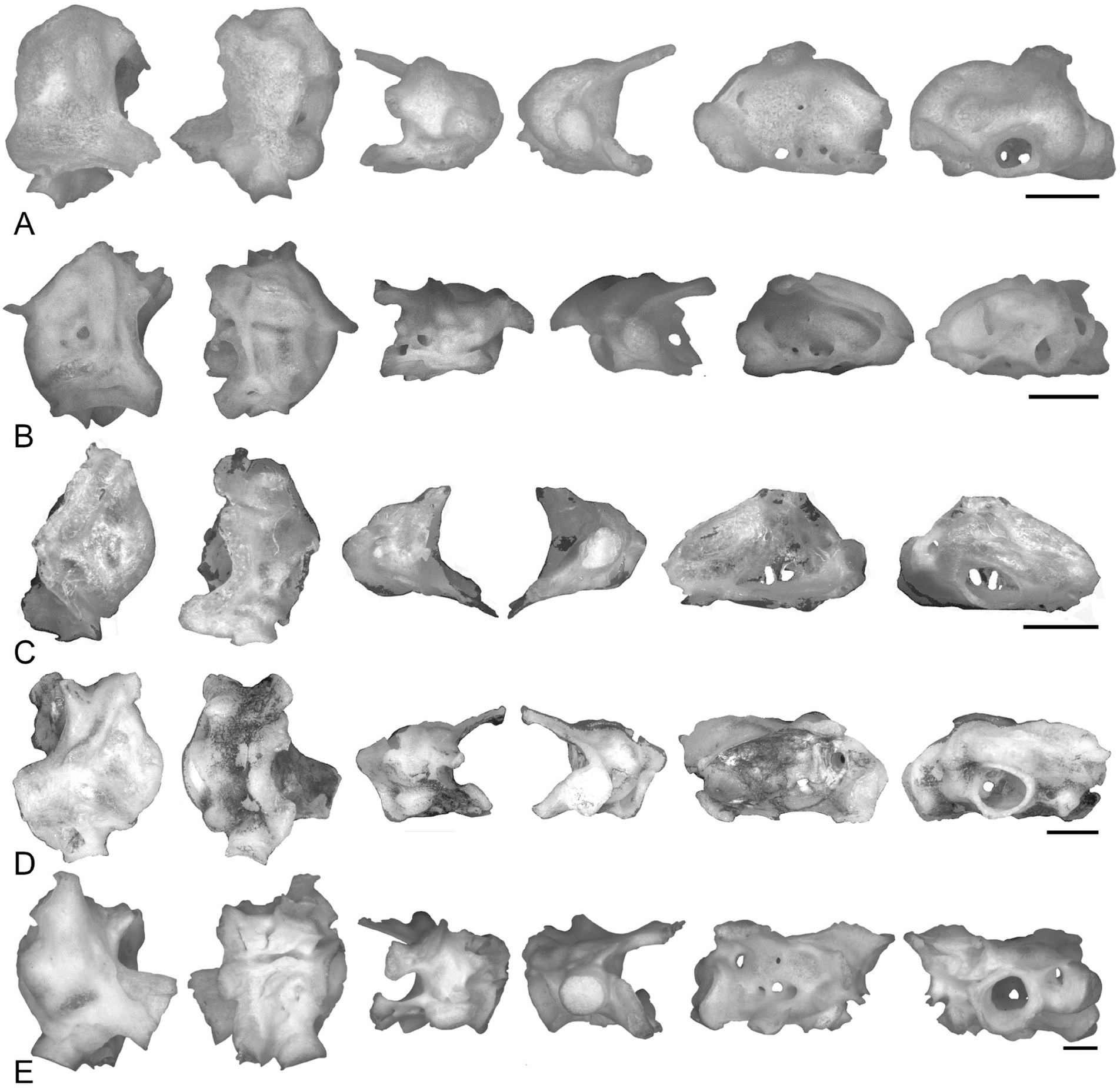
Macaluso, Loredana;Wencker, Lukardis C M;Castrovilli, Maria;Carnevale, Giorgio;Delfino, Massimo
Speleomantes
Sign in to saveAlso known as European cave salamanders
Speleomantes, or European cave salamanders, are a genus of salamander in the family Plethodontidae, or lungless salamanders. It is one of two genera in the family to inhabit the Old World (the other being Karsenia), with the remaining 250 or so species being found in North, Central and South America. The genus is endemic to Italy and a few nearby areas (San Marino, Monaco, and eastern Provence).
Species
GENUS
- KingdomAnimalia
- PhylumChordata
- ClassAmphibia
- OrderCaudata
- FamilyPlethodontidae
via GBIF
Wikidata facts
- Instance of
- taxon
- Has part
- Supramonte Cave Salamander
- Parent taxon
- Plethodontinae
- Image
- Speleomantes supramontis07.jpg
Show 4 more facts
- Commons category
- Speleomantes
- topic's main category
- Category:Speleomantes
- taxon name
- Speleomantes
- taxon rank
- genus
Sources (1)
via Wikidata · CC0
~3 min read
Encyclopedic overview
5 sectionsContents
- Characteristics
- Behaviour
- Species
- Evolutionary history
- References
Speleomantes, or European cave salamanders, are a genus of salamander in the family Plethodontidae, or lungless salamanders. It is one of two genera in the family to inhabit the Old World (the other being Karsenia), with the remaining 250 or so species being found in North, Central and South America. The genus is endemic to Italy and a few nearby areas (San Marino, Monaco, and eastern Provence).
==Characteristics== Until recently, Speleomantes was combined with the web-toed salamander genus Hydromantes from the Sierra Nevada range of California, which are their closest relatives, and are still combined by some herpetologists. They lack lungs; respiration takes place through the skin, which must be kept moist, and the lining of the mouth. The head is broad and distinct with prominent eyes. There are characteristic deep nasolabial grooves between the nostrils and the edge of the lips. The tongue has a broad tip and is extensible, being shot forward to catch prey. The tail is short, less than half the length of the body, and limbs are robust. The toes often have blunt tips and are partially webbed.
Excerpted from Wikipedia’s “Speleomantes” article, available under the CC BY-SA 4.0 licence.