
السودان
Also known as Republic of the Sudan, as-Sūdān, sd, North Sudan, the Sudan, Republic of Sudan, SUD, Soudan
دولة عربية تقع في شمال شرق إفريقيا
AI overview
Sudan is a large country in Northeast Africa, bordering Egypt, Ethiopia, South Sudan, and several other nations, with a population of about 51.8 million people and a capital in Khartoum. It matters as Africa's third-largest country by area and a strategically important region in Northeast Africa connecting the Arab world, the Horn of Africa, and sub-Saharan Africa.
AI-generated from the Wikipedia summary — may contain errors.
Weather now
cached 3h ago34°scattered clouds
13% 5.8 m/s OpenWeatherMap
7-day forecast
via Open-Meteo
Country
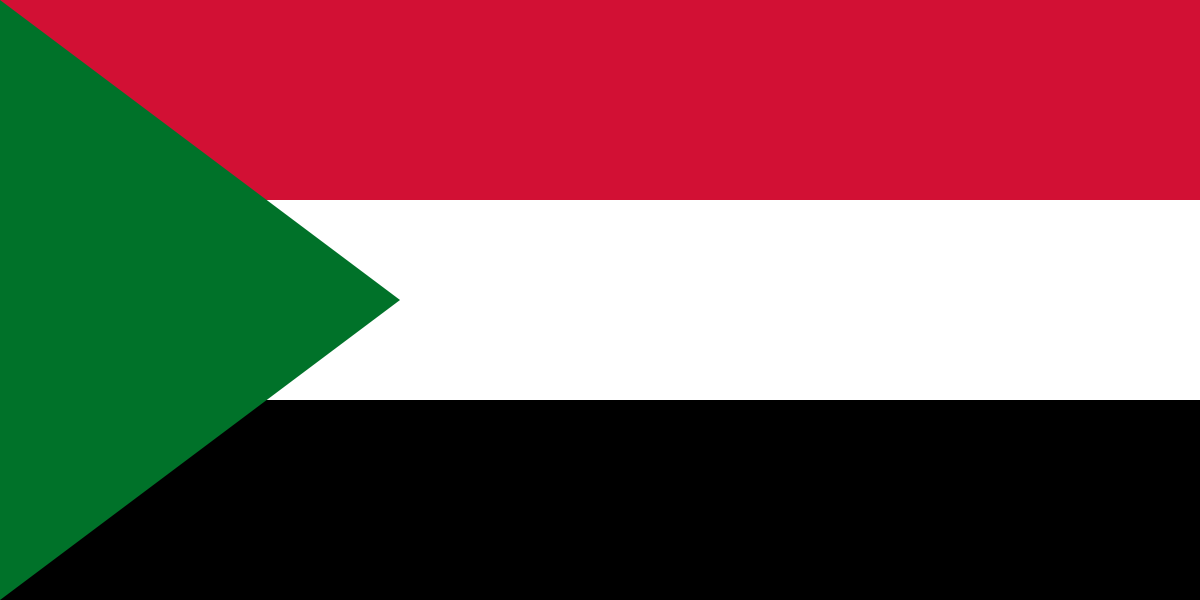
- Capital
- Khartoum
- Population
- 51,662,000
- Region
Travel guide
See
thumb|The ruined ancient city of Musawwarat is one of the country's most important archaeological sites. In Khartoum/Omdurman you must see the Sufi ritual of drumming and trance dancing, about one hour before sunset and Friday prayer. These rituals take place northwest of the Nile river in Omdurman. Very welcoming, festive atmosphere.
A walk around Tuti Island, situated in the middle of the confluence of the two branches of the Nile, can take about four hours. The less populated northern section is pretty, with its shady lanes, and irrigated fields, and there is a great little coffee stall under a tree on the western side.
The pyramids of Meroe are 2.5 hours north of Khartoum (leave early to avoid Khartoum traffic). On the same route visit the sites of Naqa and Musawarat. Permits are required before visiting the sites. You pay at each site (which may depend on how well your driver gets along with the guards). Naqa and Musawarat are signposted beside the Nile Petrol station (about 1 hour 15 minutes north of Khartoum) and the track is fairly clear but sandy. It is probably good to carry a GPS to avoid getting lost in the bush.
After 16:00 take a good coffee at the Burj Al-Fatih - also known as Corinthia hotel -, with high altitude view over Khartoum, the Nile, and Omdurman, and stay to watch the sunset. Worthwhile.
About 1½ hours south of Khartoum visit the dam. Just north of the dam (downstream) the Nile is also very wide; on Friday/Saturday the area is popular is day visi…
Drink
thumbnail|Traditional Sudanese coffee jug Islam is the official religion of the country, and alcohol has been banned since sharia was imposed in the 1980s. Sudanese people frequently drink tea, usually sweet and black. Sudan also has some refreshing drinks such as karkade (hibiscus) which can be served hot or chilled, aradeeb (tamarind) and gongleiz (made with the baobab fruit). The local energy drink is a carbohydrate-laden drink known as madeeda. There are several types of madeeda, made with dates, dukhun (millet) or other ingredients blended with fresh milk, and usually heavily sweetened with sugar, though reduced-sugar versions may be available if you ask. Sudanese coffee is available in most souks and is similar to Turkish style coffee; thick and strong, sometimes flavoured with cardamom or ginger with a powerful kick and altogether delicious. Not to be taken before bed though if you want an undisturbed night's sleep!
However, while alcohol is strictly illegal in the Muslim north, locally-brewed alcohol is widely available in various forms and at various degrees of potency. A local beer (merissa) brewed from sorghum or millet is cloudy, sour and heavy and likely to be brewed with untreated water and will almost certainly lead to the 'Mahdi's revenge' (the Sudanese version of 'Delhi belly'). Aragi is a pure spirit distilled from sorghum or in its purest form, dates. It is potent and should be treated with respect, and beware that it is sometimes contaminated with the lik…
Article · العربية
السودان (رسمياً: جمهورية السودان)، هي دولة عربية تقع في شمال شرق أفريقيا. تحدها مصر من الشمال وليبيا من الشمال الغربي وتشاد من الغرب وجمهورية أفريقيا الوسطى من الجنوب الغربي وجنوب السودان من الجنوب وإثيوبيا من الجنوب الشرقي وأريتريا من الشرق والبحر الأحمر من الشمال الشرقي. يبلغ عدد سكان السودان نحو 43 مليون نسمة (تقدير 2018) وتبلغ مساحتها 1،886،068 كيلومتر مربع (728،215 ميل مربع)، مما يجعلها ثالث أكبر دولة من حيث المساحة في أفريقيا وفي العالم العربي. و كانت الأكبر في أفريقيا والعالم العربي حسب المساحة قبل انفصال جنوب السودان عام 2011. يقسم نهر النيل أراضي السودان إلى شطرين شرقي وغربي وتقع العاصمة الخرطوم عند ملتقى النيلين الأزرق الأبيض رافدا النيل الرئيسيين. ويتوسط السودان حوض وادي النيل. يمتد تاريخ المنطقة التي تشكل السودان الحالي إلى العصور القديمة، حيث شهدت حضارة كرمة (ق. 2500 قبل الميلاد - 1500 قبل الميلاد)، ثم أصبحت تحت سيطرة المملكة المصرية الحديثة لنحو خمسة قرون، وأعقب ذلك صعود مملكة كوش (ق..785 ق.م - 350 م)، والتي بدورها سيطرت على مصر لما يقرب من قرن. بعد سقوط كوش، بنى النوبيون ثلاثة ممالك مسيحية وهي نوباتيا، المقرة وعلوة، واستمرت المملكتان الأخيرتان حتى 1500. بين القرنين الرابع عشر والخامس عشر، استوطن البدو العرب معظم السودان. من القرنين السادس عشر والتاسع عشر، سيطرت سلطنة سنار على وسط وشرق السودان، بينما حكمت سلطنة دارفور الغرب والعثمانيون أقصى الشمال. شهدت هذه الفترة أسلمة وتعريب واسع النطاق. من 1820 إلى 1874 تم غزو السودان بأكمله من قبل الأسرة العلوية. بين عامي 1881 و 1885، قوبل حكم الأسرة العلوية بثورة ناجحة بقيادة محمد أحمد المهدي الذي أعلن نفسه المهدي المنتظر، مما أدى إلى إنشاء الدولة المهدية. تم تدمير هذه الدولة في نهاية المطاف في عام 1898 من قبل البريطانيين، الذين حكموا السودان مع مصر بعد ذلك. شهد القرن العشرون نمو القومية السودانية، وفي عام 1953 منحت بريطانيا السودان الحكم الذاتي. تم إعلان الاستقلال في 1 يناير 1956. منذ الاستقلال، حكم السودان سلسلة من الحكومات البرلمانية غير المستقرة والأنظمة العسكرية. تحت حكم جعفر النميري، أدخل السودان الشريعة الإسلامية إلى القضاء عام 1983. وقد أدى ذلك إلى تفاقم الخلاف بين الشمال الإسلامي -ومقر الحكومة- والمسيحيين وغيرهم في الجنوب. تسببت الاختلافات في اللغة والدين والسلطة السياسية في حرب أهلية بين القوات الحكومية، المتأثرة بشدة بالجبهة الإسلامية الوطنية، والمتمردين الجنوبيين، الذين كان فصيلهم الأكثر نفوذاً هو جيش التحرير الشعبي السوداني، وأدى ذلك في نهاية المطاف إلى استقلال جنوب السودان عام 2011. بين عامي 1989 و 2019، شهد السودان ديكتاتورية عسكرية استمرت 30 عامًا بقيادة عمر البشير. بسبب أفعاله، اندلعت حرب في منطقة دارفور في عام 2003. تم اتهام البشير بالإبادة الجماعية العرقية التي خلفت بين 300.000-400.000 قتيل. اندلعت احتجاجات في أواخر عام 2018، مطالبة باستقالة البشير، مما أدّى إلى انقلاب ناجح في 11 أبريل 2019.
Abstract from DBpedia / Wikipedia · CC BY-SA
Gallery (59)
On the map
6 mapped locations
Connections
Categories
1956 establishments in AfricaCountries and territories where Arabic is an official languageCountries and territories where English is an official languageCountries in AfricaCountries in East AfricaCountries in North AfricaFederal republicsHarv and Sfn no-target errorsLeast developed countriesMember states of the African UnionMember states of the Arab League