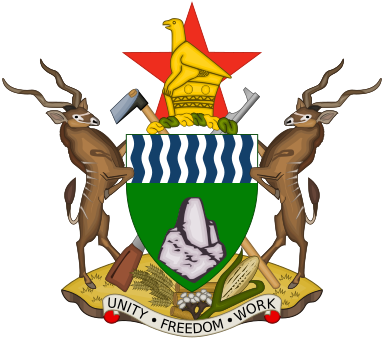
Also known as Republic of Zimbabwe, Southern Rhodesia, Rhodesia, Zimbabwe Rhodesia
अफ्रीकी महाद्वीप के दक्षिणी भाग में स्थित एक स्थलरुद्ध देश
Zimbabwe is a landlocked country in Southeast Africa located between the Zambezi and Limpopo rivers, bordered by South Africa, Botswana, Zambia, and Mozambique. Its capital and largest city is Harare, with Bulawayo being the second largest urban center.
AI-generated from the Wikipedia summary — may contain errors.
via Open-Meteo
thumb|375px|A map showing the visa requirements of Zimbabwe
thumb|Elephants crossing Zambezi River in Mana Pools National ParkFor many visitors, Zimbabwe as a country has the same appeal as the natural landscapes for which it's famous.
Bungee jumping at Victoria Falls. An incredible experience off the Victoria Falls bridge over the mighty Zambezi - 111 metres of pure adrenaline. Walk with the lions, swim with the elephants, ride a horse. and enjoy other game activities at Antelope Park near Gweru, between Harare and Bulawayo. An Authentic African Safari. Walking, canoeing or on a game drive in Hwange National Park or Mana Pools with African Bush Camps. Harare International Festival of Arts. (HIFA), every year in Harare (end of April) with some extension in Bulawayo. Music, Theater, and other shows sponsored by foreign embassies, it features top international and local artists,and also brings in town a great artcraft market. Diving: The only site accessible to recreational divers is Mutoroshanga Ethel Mine, a flooded asbestos quarry 120 km by road from Harare. Good visibility and beautiful surroundings. You need technical cave-diving skills to venture into Chinhoyi Caves, 120 km from Harare. The caves are mostly water-filled, and are more than 120 m deep. The full cave system has not yet been explored. No diving infrastructure, this is an expedition where you take everything. The excellent climate, combined with investments in the golfing infrastructure, has turned the country into a golfing haven. Fourteen of Zimbabwe's courses are rated in the top 100 best in Africa. Zimbabwe is also a great and cheap location to learn the game and perfect technique. Many resorts and clubs offer classes with rising pla…
thumb|Meat, sadza, greens and sausages
For a sample of what Zimbabweans eat (in some form, nearly every day), ask for "sadza and stew/relish." The stew part will be familiar, served over a large portion of sadza - a thick ground corn paste (vaguely like polenta and the consistency of thick mashed potatoes) that locals eat at for lunch and supper. It's inexpensive, quite tasty and very filling. There is a plethora of good Zimbabwean food- "Mbambaira" or sweet potatoes, "chibage" corn on the cob, for example. Fruits indigenous to the country like "masawu" for example. For foreigners, especially from the West, Zimbabwean meat is very tasty, especially the beef, because animals are raised and fed on a natural diet, mostly of grass.
6 mapped locations
via REST Countries
via World Bank Open Data · CC BY 4.0
via Wikimedia Pageviews API
via Wikipedia infobox
via PubMed
via Wikidata · CC0
Food options in the cities tend to follow western conventions and British visitors in particular will find themselves right at home as numerous British staples - from pork pies, Cornish pasties and an English breakfast to tea with milk and baked beans- are a hallmark of Zimbabwean cuisine. Fast food is increasingly popular with Nando's and KFC available in most urban areas as well as local brands like Chicken Inn and Wimpy.
A variety of domestic brews are made in Zimbabwe, mainly lagers with a few milk stouts. You may even want to try "Chibuku" a local brew popular among working class men that's based on a traditional beer recipe made from sorghum and/or maize (corn). It is generally sold in a 2-litre plastic bottle called a 'skud' or a more popular variety called "Chibuku Super" that comes in a disposable 1.25 litre plastic container and costs US$1. As with all alcohol, it's definitely an acquired taste! A more palatable beer is the pilsner like, Zambezi lager which is very refreshing on a hot day.
Quality wines at restaurants and liquor stores tend to be South African or European in origin, though there are a few brands worth sampling, the standout being the Western Cape produced, Kumusha Wines, as well as the more established, Mukuyu. The South African creamy liqueur, Amarula, is a common delight. A common tradition across Southern Africa, is the Sundowner, a light aperitive style cocktail consumed at sunset just before dinner. It is usually fizzy, sparkling or citrus based, similar to a spritz in Europe
Non-alcoholic drinks
Like the UK, tea is widely drunk across Zimbabwe, especially at breakfast or during work lunch breaks. Most people drink white tea (hot black tea with milk), and some with sugar or honey. Tanganda is a cheap and common brand popular with working class residents. Finer restaurants, hotels and cafés sell a range of different teas, Earl Grey and Rooibos being popular bl…
Zimbabwe has a great number of tourist facilities, and offers a variety of accommodation options, from luxury hotels to guest houses, lodges, backpacker hostels and safari camps for all budgets.
For nature lovers, birdwatchers, and those seeking a respite from the fast-paced world, there are many "lodges" in serene and peaceful environments, usually on the fridges of the city or near game reserves, surrounded by many species of native and migrating birds, which offer a unique opportunity to reconnect with nature.
If you are on a safari tour there are tented camps, chalets and camping sites in most of the safari areas.
Most places have a backpacker hostel with prices from US$10 a night.
Generally, Zimbabwe has a much lower crime rate than its neighbors, and Zimbabweans are well known for their unrivaled hospitality.
Most crime that does occur is opportunistic in nature and travelers should take care with their personal belongings and follow local advice. It really is just a matter of common sense, which you should exercise no matter where you are.
Shortages of fuel and water can occur in parts of the country, so keep extra supplies with you in case they are unavailable for an extended period. Water and electricity supplies are frequently disrupted, so most homes in the cities are equipped with boreholes, solar power or generators.
Whilst many locals will politely inquire about you and your country, remember, most Zimbabweans are still sensitive to foreigners' opinions of their country and its politicians, mostly due to years of negative press. In general, it is a wise idea to avoid political discussions or discussions pertaining to opinions of political leaders.
thumb|Bulawayo Do your research about what is available. Take all medications that you need along with you. There are a number of private hospitals in the major cities that are very accessible.
HIV/AIDS infection rate in Zimbabwe is the 6th highest in the world at around 9% of adults infected. Though rates have declined significantly from their peak in the 2000s and related deaths even moreso, you should never have unprotected sex. If you form a serious relationship, consider both getting an HIV test before taking things further.
Malaria is prevalent in lower regions of the country in the summertime, so unless you are going to stay entirely within Harare, Bulawayo or highland regions, anti-malarial drugs are advised. Drugs reduce the severity of the disease but don't prevent infection, so also consider precautions such as: sleeping under a mosquito net (lightweight travel nets are comparatively cool to use) using mosquito repellent on the skin or burning mosquito coils wearing long-sleeved clothing and long trousers, particularly in the evening
Bilharzia is present in some lakes. Ask locally before swimming.
Snakes are common in the bush, and most bites are on the foot or lower leg. If walking, particularly in long grass, wear proper boots and either long, loose trousers or thick, concertinaed hiking socks. Shake out boots and shoes in the morning, in case you have a guest. These precautions also reduce the chance of scorpion sting. If you do get bitten or stung, stay ca…
Visitors to Zimbabwe will find Zimbabweans incredibly welcoming, friendly, and hospitable. Many will go out of their way to help you and ensure you have a good time. You can freely approach the locals for advice and you can ask them specific directions to get somewhere.
As is the case throughout Africa, respect for elders is very important and it is customary to use honorifics with people you're not well acquainted with. Try not to ignore, contradict, or publicly disagree with someone older than you or in a position of authority.
In smaller towns and villages, especially on the road, if you walk past somebody it is customary to exchange pleasantries. They may also ask you "how are you", or another similar variation, is usually standard. A simple hello or "how are you?" or "have a nice day" will suffice. Learning similar phrases in Shona or Ndebele will go a long way with older and more rural inhabitants as well.
Unlike many other African nations, Zimbabweans tend to be punctual and on time to events, especially for business, however, given the importance of public transportation, it's not uncommon to sometimes be a few minutes late to something. A simple apology or acknowledgement of one's tardiness is generally acceptable however, extreme lateness is considered rude and a waste of the other parties' time.
Zimbabwe is a multicultural country. Do not make assumptions based on ethnicity or peoples' appearance. Outward displays of racism, discrimination or sexism, will be m…
Travel guide from Wikivoyage (CC BY-SA 4.0)
via Wikidata sitelinks · CC0
Discovered by embedding cosine similarity (sentence-transformers MiniLM, 384-dim).