Category
page 1Crops

coffee
Coffee is a beverage brewed from roasted, ground coffee beans. Darkly colored, bitter, and slightly acidic, coffee has a stimulating effect on humans, primarily due to its caffeine content, but decaffeinated coffee is also commercially available. There are also various coffee substitutes.

Onion
The onion (Allium cepa , from Latin ), also known as the bulb onion or common onion, is a vegetable that is the most widely cultivated species of the genus Allium. The shallot is a botanical variety of the onion which was classified as a separate species until 2011. The onion's close relatives include garlic, scallion, leek, and chives.
%20(8231709397).jpg)
wheat
Wheat is a group of wild and domesticated grasses of the genus Triticum (). As cereals, they are cultivated for their grains, which are staple foods around the world. Well-known wheat species and hybrids include the most widely grown common wheat (T. aestivum), spelt, durum, emmer, einkorn, and Khorasan or Kamut. The archaeological record suggests that wheat was first cultivated in the regions of the Fertile Crescent around 9600 BC.

cereal
thumb|upright=1.35|Harvesting a cereal with a [[combine harvester accompanied by a tractor and trailer.]]

Cocos nucifera
The coconut (Cocos nucifera) is a member of the palm family (Arecaceae) and the only living species of the genus Cocos. The term "coconut" (or the archaic "cocoanut") can denote the whole coconut palm tree or the large hard fruit. Originally native to Central Indo-Pacific, they are ubiquitous in coastal tropical regions.
soybean
The soybean, soy bean, or soya bean (Glycine max) is a species of legume native to East Asia, widely grown for its edible bean. Soy is a staple crop, the world's most grown legume, and an important animal feed.

mango
thumb|upright=1.35|Mango fruits – single and halved

strawberry
The garden strawberry (or simply strawberry; '''Fragaria × ananassa') is a widely grown hybrid plant cultivated worldwide for its fruit. The genus Fragaria'', the strawberries, is in the rose family, Rosaceae. The fruit is appreciated for its aroma, bright red colour, juicy texture, and sweetness. It is eaten either fresh or in prepared foods such as jam, ice cream, and chocolates. Artificial strawberry flavourings and aromas are widely used in commercial products. Botanically, the strawberry is not a berry, but an aggregate accessory fruit. Each apparent 'seed' on the outside of the strawberr

Prunus amygdalus
The almond (Prunus amygdalus, syn. Prunus dulcis (Mill.) D.A.Webb, nom. illeg. non Prunus dulcis Rouchy) is a species of tree from the genus Prunus. Along with the peach, it is classified in the subgenus Amygdalus, distinguished from the other subgenera by corrugations on the woody shell (endocarp) surrounding the seed.

peanut
The peanut (Arachis hypogaea), also known as the groundnut, goober (US, via Kikongo), goober pea, pindar (US, via Kikongo) or monkey nut (UK), is a legume crop grown mainly for its edible seeds, contained in underground pods. It is widely grown in the tropics and subtropics by small and large commercial producers, both as a grain legume and as an oil crop. Underground fruiting (geocarpy) is atypical among legumes, which led botanist Carl Linnaeus to name the species hypogaea, from Greek 'under the earth'.

Lactuca sativa
Lettuce (Lactuca sativa) is an annual plant of the family Asteraceae mostly grown as a leaf vegetable. The leaves are most often used raw in green salads, although lettuce is also seen in other kinds of food, such as sandwiches, wraps and soups; it can also be grilled. Its stem and seeds are sometimes used; celtuce (asparagus lettuce) is one variety grown for its stems, which are eaten either raw or cooked. In addition to its main use as a leafy green, it has also gathered religious and medicinal significance over centuries of human consumption. Europe and North America originally dominated th

chili pepper
fruit of plants from the genus Capsicum, members of the nightshade family, Solanaceae

Sesamum indicum
Sesame (; Sesamum indicum) is a plant in the genus Sesamum, also called benne. Numerous wild relatives occur in Africa and a smaller number in India. It is widely naturalized in tropical regions around the world and is cultivated for its edible seeds, which grow in pods. World production in 2018 was , with Sudan, Myanmar, and India as the largest producers.

cassava
Manihot esculenta, commonly called cassava, manioc, or yuca (among numerous regional names), is a woody shrub of the spurge family, Euphorbiaceae, native to South America, from Brazil, Paraguay and parts of the Andes. Although a perennial plant, cassava is extensively cultivated in tropical and subtropical regions as an annual crop for its edible starchy tuberous root. Cassava is predominantly consumed in boiled form, but substantial quantities are processed to extract cassava starch, called tapioca, which is used for food, animal feed, and industrial purposes. The Brazilian , and the related

cacao
tree native to tropical South America producing cocoa beans - the source plant of cacao and chocolate

Linum usitatissimum
Flax, also known as common flax or linseed, is a flowering plant, Linum usitatissimum, in the family Linaceae. It is cultivated as a food and fiber crop in regions of the world with temperate climates.

Asparagus officinalis
Asparagus (Asparagus officinalis) or garden asparagus is a perennial flowering plant species in the genus Asparagus native to Eurasia. Widely cultivated as a vegetable crop, its young shoots are used as a spring vegetable.
.jpg)
turnip
The turnip or white turnip (Brassica rapa subsp. rapa) is a root vegetable commonly grown in temperate climates worldwide for its white, fleshy taproot. Small, tender varieties are grown for human consumption, while larger varieties are grown as feed for livestock. The name turnip used in many regions may also be used to refer to rutabaga (or neep or swede), which is a different but related vegetable.

Cichorium intybus
thumb|Botanical illustration (1885)

hay
Hay is grass, legumes, or other herbaceous plants that have been cut and dried to be stored for use as animal fodder, either for large grazing animals raised as livestock, such as cattle, horses, goats, and sheep, or for smaller domesticated animals such as rabbits and guinea pigs. Pigs can eat hay, but they do not digest it as efficiently as herbivores do.
.jpg)
Brassica napus
Rapeseed ('''Brassica napus subsp. napus), also known as rape and oilseed rape and canola''', is a yellow-flowered member of the Brassicaceae family.

Coffea
Coffea is a genus of flowering plants in the family Rubiaceae. Coffea species are shrubs or small trees native to tropical and southern Africa and tropical Asia. The seeds of some species, called coffee beans, are roasted and ground to brew into various coffee beverages. The fruits, like the seeds, contain a large amount of caffeine, and have a distinct sweet taste.

bean
thumb|right|French bean pods on a plant

Helianthus
Helianthus () is a genus comprising around 70 species of annual and perennial flowering plants in the daisy family Asteraceae commonly known as sunflowers. Except for three South American species, the species of Helianthus are native to North America and Central America. The best-known species is the common sunflower (Helianthus annuus). This and other species, notably Jerusalem artichoke (H. tuberosus), are cultivated in temperate regions and some tropical regions, as food crops for humans, cattle, and poultry, and as ornamental plants. The species H. annuus typically grows during the summer

Garcinia mangostana
Mangosteen (Garcinia mangostana), sometimes rendered mangostan, and commonly known as the purple mangosteen, is a tropical evergreen tree with edible fruit native to the Malay Peninsula and Borneo. It has been cultivated extensively in tropical Asia since ancient times. It is grown mainly in Southeast Asia, southwest India and other tropical areas such as Colombia, Puerto Rico and Florida, where the tree has been introduced. The tree grows from tall.

palm oil
edible and biocombustible vegetable oil from fruit of oil palms

sugar beet
cultivated crop
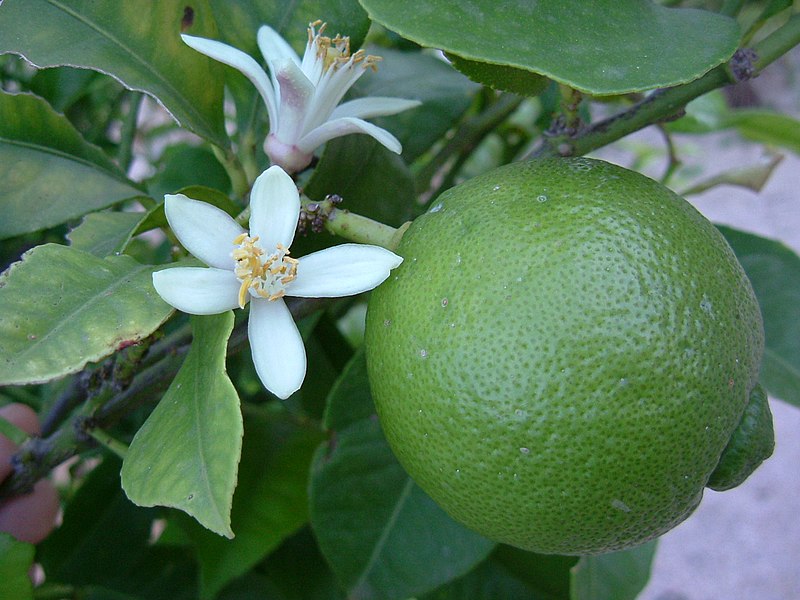
lime
green and acidic citrus fruit of various Citrus species

yam
edible tuber

sugarcane
thumb|Saccharum officinarum

crop
A crop is a plant or plant product harvested for human use. Crops are cultivated at scale to produce food, fiber, fuel, and other products. Crops have been central to human civilization since the first agricultural revolution, a key stage in the broader history of agriculture, when early societies domesticated plants for food and trade. Today, a small number of staple crops such as rice, wheat, maize, and sugarcane account for the majority of global production. Because of their economic importance, crops are studied within several scientific disciplines, including agronomy, agricultural scienc
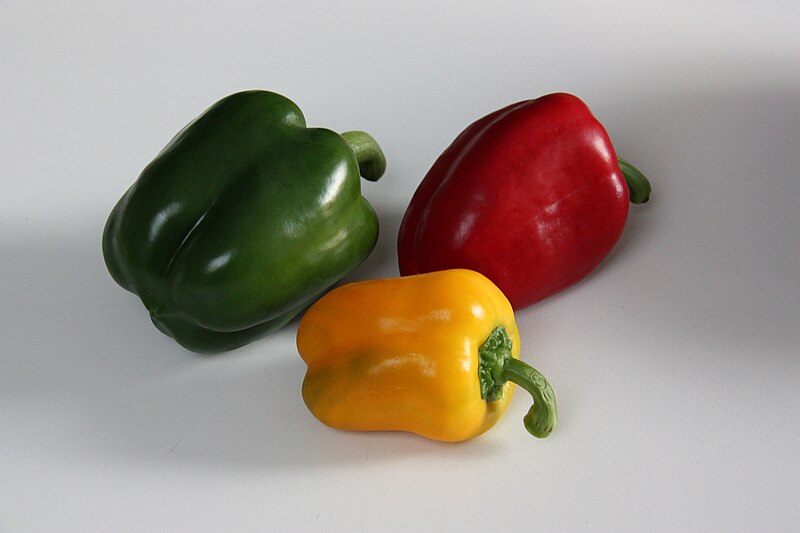
bell pepper
group of fruits of Capsicum annuum

grain
thumb|upright=1.35|Various food grains at a market in IndiaA grain is a small, hard, dry fruit (caryopsis) – with or without an attached hull layer – harvested for human or animal consumption. A grain crop is a grain-producing plant. The two main types of commercial grain crops are cereals and legumes.

paddy field
flooded parcel of arable land used for growing semiaquatic rice

crop rotation
practice of growing a series of dissimilar or different types of crops in the same area in sequenced seasons

gum arabic
natural gum obtained from Acacia sensu lato tree sap

crop circle
pattern in a crop field
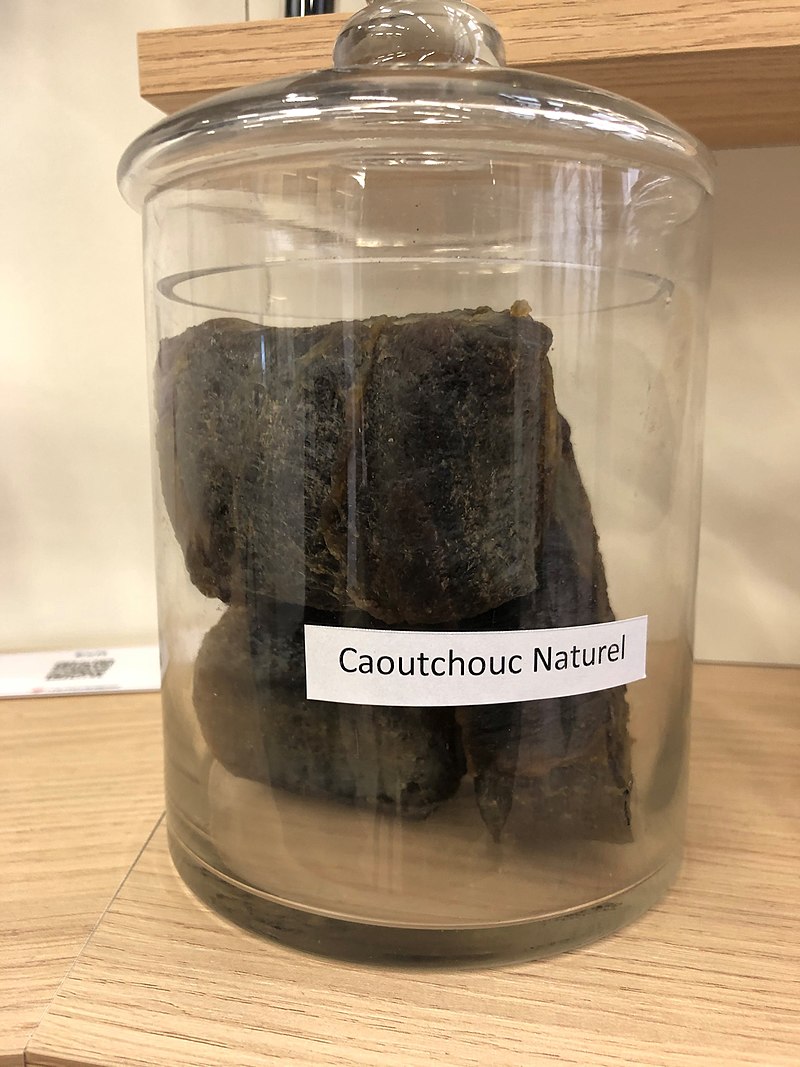
natural rubber
polymers of the organic compound isoprene, with minor impurities of other organic compounds; refined from latex harvested from rubber trees

Eragrostis tef
Teff (), Eragrostis tef, also known as Williams lovegrass and annual bunch grass, is an annual species of lovegrass native to Ethiopia, where it originated in the Ethiopian Highlands. It has been cultivated for its edible seeds, also called teff, since at least 1000 BCE and possibly as long ago as 4000 BCE. It is one of Ethiopia's most important staple crops. As a modern crop, it is low-yielding and susceptible to lodging; the tef shoot fly is a major pest.
green manure
crop specifically produced to be incorporated into the soil while still green

tangerine
The tangerine is a type of citrus fruit that is orange in colour, that is considered either a variety of the mandarin orange (Citrus reticulata), or a closely related species, under the name Citrus tangerina, or yet as a hybrid ('''Citrus × tangerina''') of mandarin orange varieties, with some pomelo contribution.

coffee bean
seed of the coffee plant
poppy seed
edible oilseed obtained from poppy
cash crop
agricultural crop grown to sell for profit

sharecropping
crop yield
total yield, or yield per unit area of land
nectar source
a flowering plant that produces nectar as part of its strategy
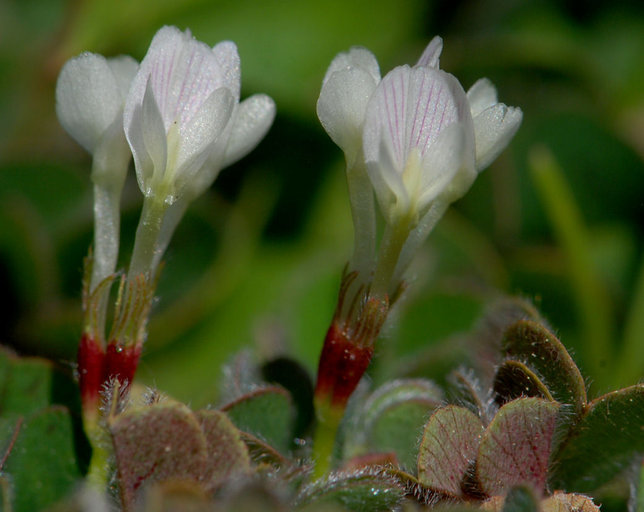
Trifolium subterraneum
species of plant, low-growing spreading and branching annual clover
companion planting
agricultural technique

cultigen
A cultigen (), or cultivated plant, is a plant that has been deliberately altered or selected by humans, by means of genetic modification, graft-chimaeras, plant breeding, or wild or cultivated plant selection. These plants have commercial value in horticulture, agriculture and forestry. Plants meeting this definition remain cultigens whether they are naturalised, deliberately planted in the wild, or grown in cultivation.

Intercropping
thumb|upright=1.2|Coconut and Mexican marigold, a multilayer cropping in India
hardiness
ability of plants to survive adverse growing conditions
cover crop
crop planted to manage erosion and soil quality

Psyllium seed husks
thumb|300px|Plantago afra, a member of the plant genus from which psyllium can be derived
thumb|300px|Raw psyllium seeds
alt=Psyllium Husk (Isbagol)|thumb|300px|Psyllium husk after processing
Psyllium (), or Isabgol or ispaghula (), is the common name used for several members of the plant genus Plantago whose seeds are used commercially for the production of mucilage. Psyllium is mainly used as a dietary fiber to relieve symptoms of both constipation and mild diarrhea, and occasionally as a food thickener. Allergy to psyllium is common in workers frequently exposed to the substance.
industrial crop
produced for clothing (fiber crops), biofuel (energy crops, algae fuel), or medicine (medicinal plants)

Cordeauxia edulis
Cordeauxia edulis is a plant in the family Fabaceae and the sole species in the genus Cordeauxia. Known by the common name yeheb bush, it is one of the economically most important wild plants of the Horn of Africa, but it is little known outside of its distribution area. It is a multipurpose plant, which allows the survival of nomads by providing them with seeds. Further, the bush serves forage for livestock, firewood and dye. Its wild population is currently declining. Because it is potentially valuable for other hot, dry regions as a resource for food and fodder, it is recommended to take me
agricultural biodiversity
diversity of species that contribute to agricultural production
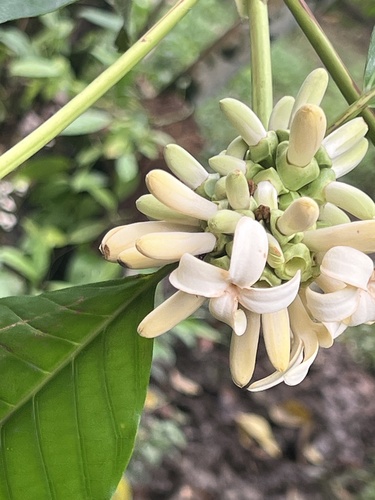
Alibertia patinoi
species of plant
International wheat production statistics
Wikimedia list article
Rabi crop
spring harvest in South Asia