Category
page 1Entheogens

tobacco
thumb|Tobacco drying kiln in Myrtleford|Myrtleford, Victoria, Australia, 2018. This kiln was built in 1957, and moved to Rotary Park in 2000. Kilns of this design were built from the early 1930s through to the late 1960s.
thumb |Basma tobacco leaves drying in the sun at Pomak village in [[Xanthi, Greece]]

Cannabis
Cannabis () is a genus of flowering plants in the family Cannabaceae that is widely accepted as being indigenous to and originating from the continent of Asia. However, the number of species is disputed, with as many as three species being recognized: Cannabis sativa, C. indica, and C. ruderalis. Alternatively, C. ruderalis may be included within C. sativa, or all three may be treated as subspecies of C. sativa, or C. sativa may be accepted as a single undivided species.

cannabis
psychoactive herb from the Cannabis plant used for medical or recreational purposes

Papaver somniferum
species of plant

Acorus calamus
species of plant

Amanita muscaria
species of fungus

Cannabis sativa
species of plant

Datura stramonium
species of plant

lysergic acid diethylamide
Lysergic acid diethylamide, commonly known as LSD (from German ) and by the nicknames acid and lucy, is a semisynthetic hallucinogenic drug derived from ergot, known for its powerful psychological effects and serotonergic activity. It was historically used in psychiatry and 1960s counterculture; it is currently legally restricted but receiving renewed scientific interest and increasing use.

Atropa bella-donna
species of toxic flowering plant in the nightshade family

Hyoscyamus niger
species of plant

Datura
Datura is a genus of nine species of highly poisonous, vespertine-flowering plants belonging to the nightshade family (Solanaceae). They are commonly known as thornapples or jimsonweeds, but are also known as '''devil's trumpets or mad apple''' (not to be confused with angel's trumpets, which are placed in the closely related genus Brugmansia). Other English common names include moonflower, '''devil's weed, and hell's bells'. All species of Datura'' are extremely poisonous and psychoactive, especially their seeds and flowers, which can cause respiratory depression, arrhythmias, fever, delirium

MDMA
3,4-Methylenedioxymethamphetamine (MDMA), commonly known as ecstasy (tablet form), and molly (crystal form), is an entactogen with stimulant and minor psychedelic properties.

atropine
Atropine is a tropane alkaloid and anticholinergic medication used to treat certain types of nerve agent and pesticide poisonings as well as some types of slow heart rate, and to decrease saliva production during surgery. It is typically given intravenously or by injection into a muscle. Eye drops are also available which are used to treat uveitis and early amblyopia. The intravenous solution usually begins working within a minute and lasts half an hour to an hour. Large doses may be required to treat some poisonings.

Nicotiana
Nicotiana () is a genus of herbaceous plants and shrubs in the family Solanaceae that is indigenous to the Americas, Australia, Southwestern Africa and the South Pacific. Various Nicotiana species, commonly referred to as tobacco plants, are cultivated as ornamental garden plants. N. tabacum is grown worldwide for the cultivation of tobacco leaves that are used for manufacturing and producing tobacco products, including cigars, cigarillos, cigarettes, chewing tobacco, dipping tobacco, snuff, snus, etc.

mead
Mead (, ), also called honey wine, and hydromel (particularly when low in alcohol content), is an alcoholic beverage made by fermenting honey mixed with water, and sometimes with added ingredients such as fruits, spices, grains, or hops. The alcoholic content ranges from about 3.5% ABV to more than 20%. Possibly the most ancient alcoholic drink, the defining characteristic of mead is that the majority of the beverage's fermentable sugar is derived from honey. It may be still, carbonated, or naturally sparkling, and despite a common misconception that mead is exclusively sweet, it can also be d

hashish
Hashish (; ), usually abbreviated as hash, is a compressed form of resin (trichomes) derived from the Cannabis flowers. As a psychoactive substance, it is consumed plain or mixed with tobacco. It has a long history of use in countries such as Afghanistan, India, Pakistan, Iran, Iraq, Lebanon, Morocco, Nepal and Egypt.

Catha edulis
Khat (Catha edulis), also known as '''Bushman's tea, especially in South Africa, is a species of flowering plant in the family Celastraceae, and the sole species in genus Catha'''. It is a shrub or tree native to eastern and southern Africa, ranging from Ethiopia and South Sudan to Angola and the Cape Provinces of South Africa. It grows in montane riverine and evergreen forests from 1,100 to 2,400 metres elevation.

Nicotiana rustica
species of plant

psilocybin
Psilocybin, also known as '4-phosphoryloxy-N,N-dimethyltryptamine (4-PO-DMT'), is a naturally occurring tryptamine alkaloid and investigational drug found in more than 200 species of mushrooms, with hallucinogenic and serotonergic effects. Effects include euphoria, changes in perception, a distorted sense of time, and perceived spiritual experiences. It can also cause adverse reactions such as nausea and panic attacks.

Leonurus cardiaca
species of plant

Piper methysticum
Kava or kava kava (Piper methysticum: Latin 'pepper' and Latinized Greek 'intoxicating') is a plant in the pepper family, native to the Pacific Islands. The name kava is from Tongan and Marquesan, meaning 'bitter'. Kava can refer to either the plant or a psychoactive beverage made from its root. The beverage is a traditional ceremonial and recreational drink from Polynesia, Micronesia, and Melanesia. Nakamals and kava bars exist in many countries. Traditional kava is made by grinding fresh or dried kava root, mixing it with water or coconut milk, and straining it into a communal bowl. Outside

mescaline
Mescaline, also known as mescalin or mezcalin, and in chemical terms 3,4,5-trimethoxyphenethylamine, is a naturally occurring classical psychedelic protoalkaloid of the substituted phenethylamine class, found in cacti like peyote (Lophophora williamsii) and San Pedro (certain species of the genus Echinopsis).

tetrahydrocannabinol
Tetrahydrocannabinol (THC) is a cannabinoid found in cannabis. It is the principal psychoactive constituent of Cannabis and one of at least 113 total cannabinoids identified on the plant. Although the chemical formula for THC (C21H30O2) describes multiple isomers, the term THC usually refers to the delta-9-THC isomer with chemical name '(−)-trans-Δ9-tetrahydrocannabinol'. It is a colorless oil.

L-scopolamine
Scopolamine, also known as hyoscine, or '''Devil's Breath''', is a medication used to treat motion sickness and postoperative nausea and vomiting. It is also sometimes used before surgery to decrease saliva. When used by injection, effects begin after about 20 minutes and last for up to 8 hours. It may also be used orally and as a transdermal patch since it has been long known to have transdermal bioavailability.
%20en%20floraci%C3%B3n.jpg)
ayahuasca
Ayahuasca is a South American psychoactive decoction prepared from Banisteriopsis caapi vine and a dimethyltryptamine (DMT)-containing plant, used by Indigenous cultures in the Amazon and Orinoco basins as part of traditional medicine and shamanism. The word ayahuasca, originating from Quechuan languages spoken in the Andes, refers both to the B. caapi vine and the psychoactive brew made from it, with its name meaning 'spirit rope' or 'liana of the soul'.

Salvia divinorum
species of plant
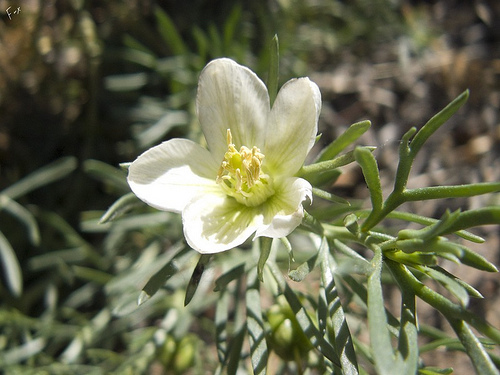
Peganum harmala
species of plant in the family Nitrariaceae
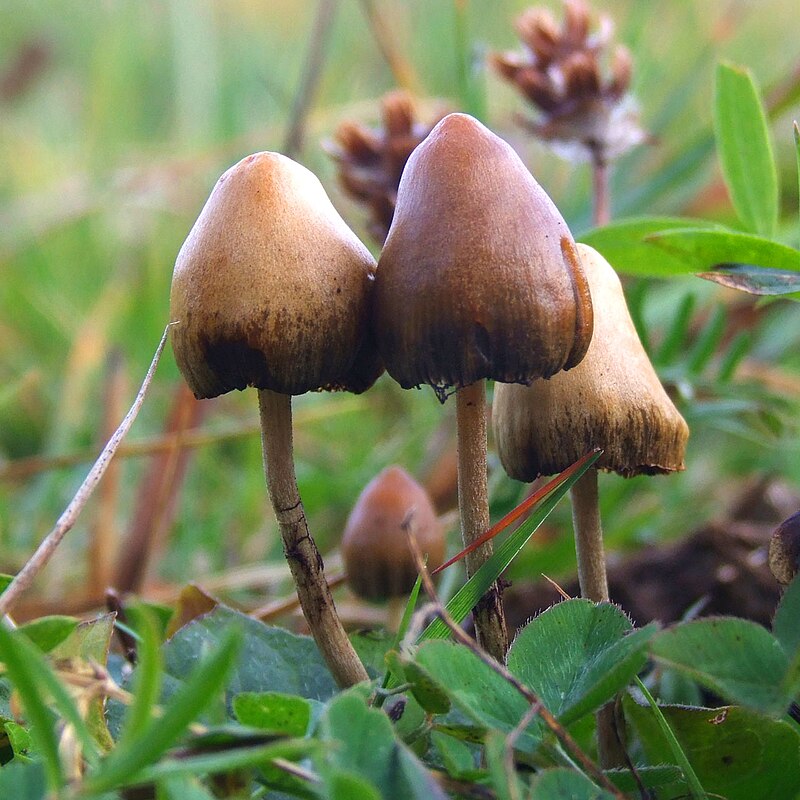
psilocybin mushroom
mushrooms containing psychoactive indole alkaloids

Vachellia farnesiana
species of plant

Psilocybe semilanceata
species of fungus

Brugmansia
Brugmansia is a genus of seven species of flowering plants in the nightshade family Solanaceae. They are woody trees or shrubs, with pendulous flowers, and have no spines on their fruit. Their large, fragrant flowers give them their common name of '''angel's trumpets''', adjacent to the nickname devil's trumpets of the closely related genus Datura.

Psilocybe
Psilocybe ( ) is a genus of gilled mushrooms, growing worldwide, in the family Hymenogastraceae. Many species contain the psychedelic compounds psilocybin and psilocin.

Cannabis indica
species of plant

dimethyltryptamine
Dimethyltryptamine (DMT), also known as '''N,N-dimethyltryptamine (N,N-DMT'''), is a serotonergic hallucinogen and investigational drug of the tryptamine family that occurs naturally in many plants and animals. DMT is used as a psychedelic drug and prepared by various cultures for ritual purposes as an entheogen.
Soma
Vedic ritual drink
Ipomoea purpurea
species of plant

Atropa
Atropa is a genus of flowering plants in the nightshade family, Solanaceae: tall, calcicole, herbaceous perennials (rhizomatous hemicryptophytes), bearing large leaves and glossy berries particularly dangerous to children, due to their combination of an attractive, cherry-like appearance with a high toxicity. Atropa species favour temperate climates and alkaline soils, often growing in light shade in woodland environments associated with limestone hills and mountains. Their seeds can remain viable in the soil for long periods, germinating when the soil of sites in which plants once grew (but f

chicha
thumb|250px|Chicha served at the yearly Archaeology Museum, Sogamoso|Fiesta del Huán, to celebrate the December solstice at the Sun Temple in [[Sogamoso, Boyacá, Colombia]]
Chicha is a fermented (alcoholic) or non-fermented beverage of Latin America, emerging from the Andes and Amazonia regions. In both the pre- and post-Spanish conquest periods, corn beer (chicha de jora) made from a variety of maize landraces has been the most common form of chicha. However, chicha is also made from a variety of other cultigens and wild plants, including, among others, quinoa (Chenopodium quinia), kañiwa (Ch

Psilocybe cubensis
species of fungus

Argyreia nervosa
species of plant
hyoscyamine
Hyoscyamine (also known as daturine or duboisine) is a naturally occurring tropane alkaloid and plant toxin. It is a secondary metabolite found in certain plants of the family Solanaceae, including henbane, mandrake, angel's trumpets, jimsonweed, the sorcerers' tree, and Atropa belladonna (deadly nightshade). It is the Levorotatory isomer of atropine.

psilocin
Psilocin, also known as '4-hydroxy-N,N-dimethyltryptamine (4-HO-DMT'), is a psychedelic drug and fungal alkaloid of the tryptamine and 4-hydroxytryptamine families. Along with its phosphate ester psilocybin, it is found in most species of psilocybin-containing mushrooms, such as Psilocybe cubensis and Psilocybe mexicana, and is the compound responsible for their hallucinogenic effects, although concentrations of psilocin are variably lower than those of psilocybin. The drug is taken orally and its effects include perceptual changes and visual effects, emotional changes, ego dissolution, time d
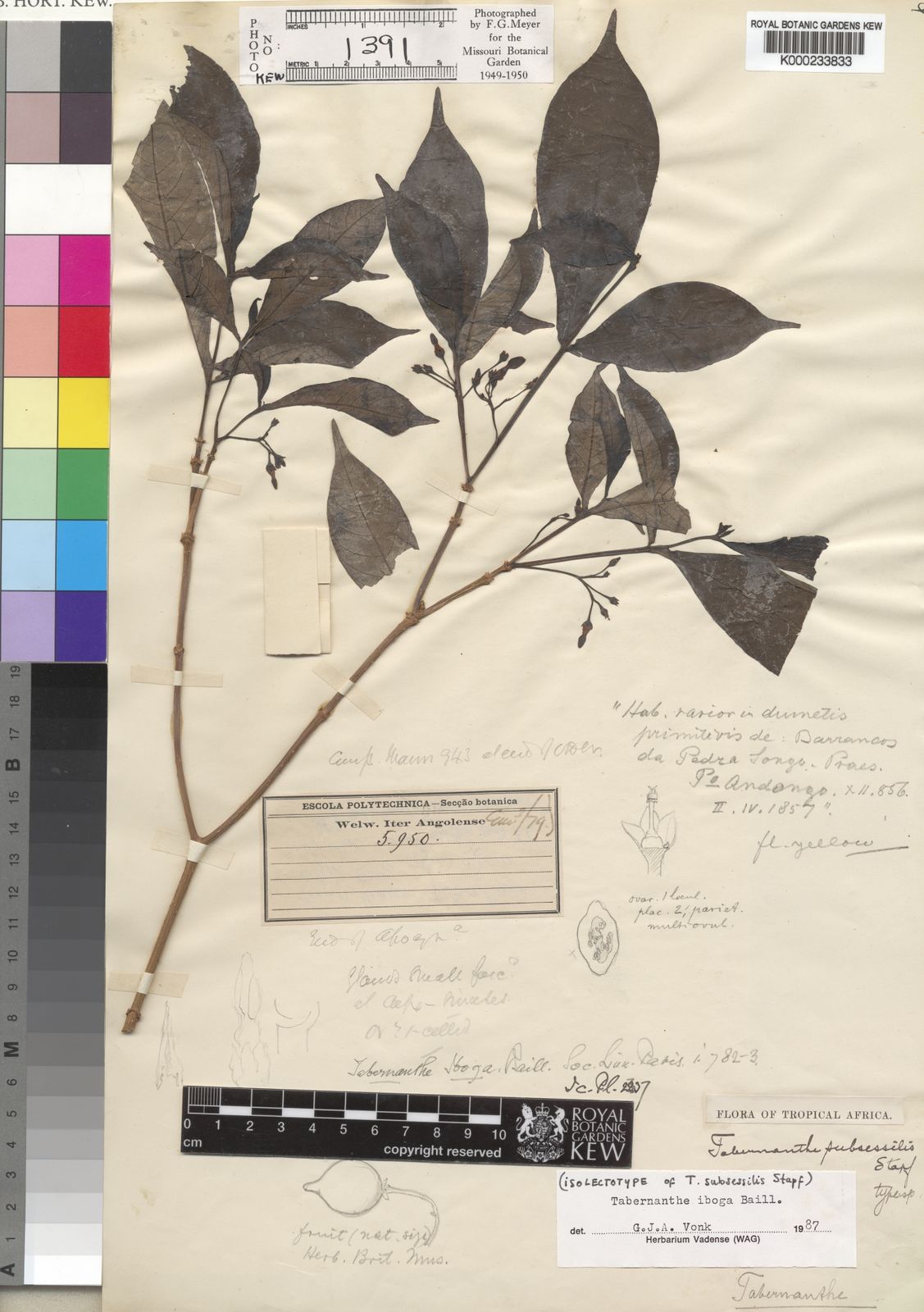
Tabernanthe iboga
species of plant

Ipomoea tricolor
species of plant

ibogaine
Ibogaine is a psychoactive indole alkaloid derived from plants such as Tabernanthe iboga, characterized by hallucinogenic and oneirogenic effects. Traditionally used by Central African foragers, it has undergone controversial research for the treatment of substance use disorders. Ibogaine exhibits complex pharmacology by interacting with multiple neurotransmitter systems, notably affecting opioid, serotonin, sigma, and NMDA receptors, while its metabolite noribogaine primarily acts as a serotonin reuptake inhibitor and κ-opioid receptor agonist.
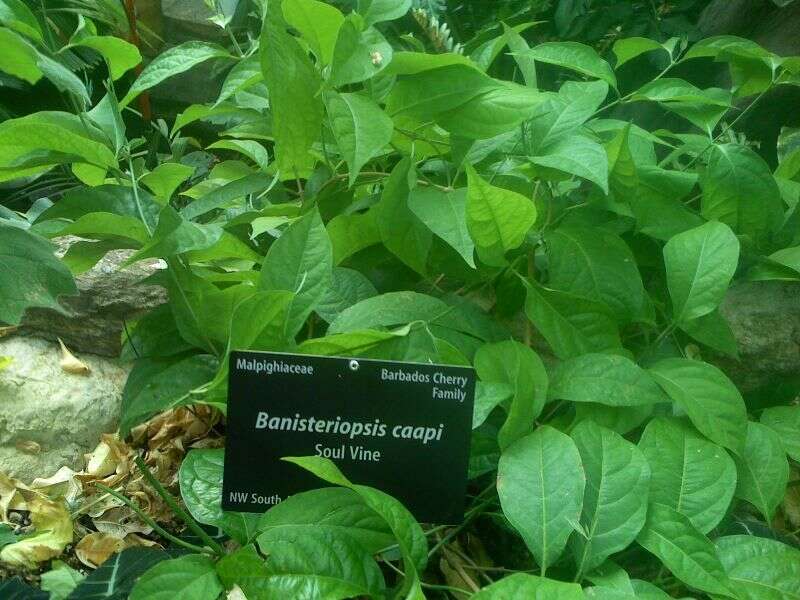
Banisteriopsis caapi
species of plant

2C-B
2C-B, also known as 4-bromo-2,5-dimethoxyphenethylamine or by names such as Nexus or Erox, is a psychedelic drug of the phenethylamine and 2C families. The drug is used as a recreational drug and is usually taken orally. 2C-B produces hallucinogenic, mild stimulant, and mild entactogenic-like effects. Its hallucinogenic effects at typical doses are milder than those of other psychedelics like LSD or psilocybin.

Nymphaea nouchali var. caerulea
variety of plant
salvinorin A
chemical compound

bufotenine
Bufotenin, also known as dimethylserotonin or as '5-hydroxy-N,N-dimethyltryptamine (5-HO-DMT'), is a serotonergic psychedelic of the tryptamine family. It is a derivative of the psychedelic dimethyltryptamine (DMT) and of the neurotransmitter serotonin (5-hydroxytryptamine; 5-HT). The compound is an alkaloid found in some species of mushrooms, plants, and toads. It is also found naturally in the human body in small amounts. Bufotenin, for instance derived from the trees Anadenanthera colubrina and Anadenanthera peregrina, has a long history of entheogenic use as a snuff in South America.
yohimbine
Yohimbine, also known as quebrachine, is an indole alkaloid derived from the bark of the African tree Pausinystalia johimbe (yohimbe) and from the bark of the unrelated South American tree Aspidosperma quebracho-blanco. It is a veterinary drug used to reverse xylazine.

Psychotria viridis
perennial shrub of the Rubiaceae family

Echinocereus
Echinocereus is a genus of ribbed, usually small to medium-sized, cylindrical shaped cacti, comprising about 70 species native to the southern United States and Mexico in very sunny, rocky places. Usually the flowers are large and the fruit edible.

entheogen
Entheogens are psychoactive substances used in spiritual, religious, recreational, therapeutic, and experimental contexts to induce altered states of consciousness. While the term itself emphasizes ritual and sacred applications, the same substances are also frequently employed recreationally—sometimes in ways that diverge from or disregard traditional protocols. Hallucinogens such as the psilocybin found in so-called "magic" mushrooms have been used in sacred contexts since ancient times. Derived from a term meaning "generating the divine from within", entheogens are, in religious and shamani

muscimol
Muscimol, also known as agarin, pantherine, or pyroibotenic acid, is a GABAA receptor agonist with sedative and hallucinogenic effects and the principal psychoactive constituent of Amanita mushrooms such as Amanita muscaria (fly agaric) and Amanita pantherina (panther cap). It is a 3-hydroxyisoxazole alkaloid and is closely related structurally to the neurotransmitter γ-aminobutyric acid (GABA). The compound is widely used as a ligand and agonist of the GABAA receptor in scientific research. Muscimol is typically taken orally, but may also be smoked. Peak effects occur after 1 to 3hours orally

N,N-dimethyl-5-methoxytryptamine
5-MeO-DMT, also known as '5-methoxy-N,N-dimethyltryptamine, as well as O-methylbufotenin or mebufotenin', is an atypical psychedelic drug, entheogen, and alkaloid of the tryptamine and 5-methoxytryptamine families. It is found naturally in a wide variety of plant species, and is also secreted by the glands of at least one toad species, the Colorado River toad (Incilius alvarius, formerly Bufo alvarius). It may occur naturally in humans as well. Like its close relatives dimethyltryptamine (DMT) and bufotenin (5-HO-DMT), it has been used as an entheogen in South America. Slang terms include five

Psilocybe mexicana
species of fungus

Lactuca virosa
species of plant

Entada rheedei
species of plant