Category
page 1Euphoriants

Cannabis
Cannabis () is a genus of flowering plants in the family Cannabaceae that is widely accepted as being indigenous to and originating from the continent of Asia. However, the number of species is disputed, with as many as three species being recognized: Cannabis sativa, C. indica, and C. ruderalis. Alternatively, C. ruderalis may be included within C. sativa, or all three may be treated as subspecies of C. sativa, or C. sativa may be accepted as a single undivided species.

cannabis
psychoactive herb from the Cannabis plant used for medical or recreational purposes

cocaine
Cocaine is a stimulant of the central nervous system and tropane alkaloid, derived primarily from the leaves of two coca species native to South America: Erythroxylum coca and E. novogranatense. The leaves are processed into cocaine paste, a crude mixture of coca alkaloids, from which cocaine base is isolated and then converted to cocaine hydrochloride. Although total synthesis is possible, it is complex and not used for production. Historically, cocaine was a standard topical medication used as a local anesthetic with intrinsic vasoconstrictor properties. However, its high abuse potential, ad
%201.svg)
orgasm
Orgasm (from Greek , ; "excitement, swelling"), sexual climax, or simply climax, is the sudden release of accumulated sexual excitement during the sexual response cycle, characterized by intense sexual pleasure resulting in rhythmic, involuntary muscular contractions in the pelvic region. Orgasms are controlled by the involuntary or autonomic nervous system and are experienced by both males and females; the body's response includes muscular spasms (in multiple areas), a general euphoric sensation, and, frequently, body movements and vocalizations. The period after orgasm (known as the resoluti

opium
Opium (also known as poppy tears, or Lachryma papaveris) is the dried latex obtained from the seed capsules of the opium poppy Papaver somniferum. Approximately 12 percent of opium is made up of the analgesic alkaloid morphine, which is processed chemically to produce heroin and other synthetic opioids for medicinal use and for the illegal drug trade. Opium's main psychoactive alkaloids, primarily morphine, act on μ-opioid receptors, causing analgesia, with long-term use leading to tolerance and dependence. The latex also contains the closely related opiates codeine and thebaine, and non-analg

heroin

morphine
Morphine, formerly known as morphium, is an opiate found naturally in opium, a dark brown resin produced by drying the latex of opium poppies (Papaver somniferum). It is mainly used as an analgesic (pain medication). There are multiple methods used to administer morphine: oral; sublingual; via inhalation; injection into a muscle, injection under the skin, or injection into the spinal cord area; transdermal; intravenously; or via rectal suppository. It acts directly on the central nervous system (CNS) to induce analgesia and alter perception and emotional response to pain. Physical and psycholo

Cannabis sativa
species of plant

D-methamphetamine
<!--

Areca catechu
species of plant

(RS)-ketamine
Ketamine is a cyclohexanone-derived general anesthetic and NMDA receptor antagonist with analgesic and hallucinogenic properties, used medically for anesthesia, depression, and pain management. Ketamine exists as its two enantiomers, S- (esketamine) and R- (arketamine), and has antidepressant action likely involving other mechanisms in addition to NMDA antagonism.

MDMA
3,4-Methylenedioxymethamphetamine (MDMA), commonly known as ecstasy (tablet form), and molly (crystal form), is an entactogen with stimulant and minor psychedelic properties.

DL-amphetamine
Amphetamine is a central nervous system (CNS) stimulant that is used in the treatment of attention deficit hyperactivity disorder (ADHD) and narcolepsy; it is also used to treat binge eating disorder in the form of lisdexamfetamine. Historically, it has been used to treat nasal congestion and depression. Amphetamine is also used as an athletic performance enhancer and cognitive enhancer, and recreationally as an aphrodisiac and euphoriant. It is a prescription drug in many countries, and unauthorized possession and distribution of amphetamine are often tightly controlled due to the significant
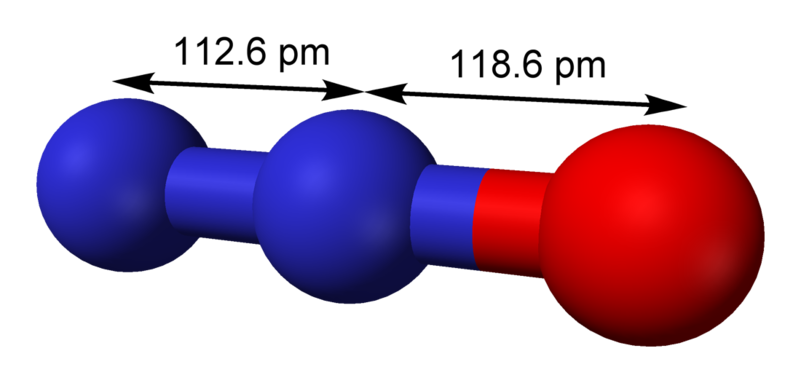
nitrous oxide
chemical compound

toluene
Toluene (), also known as toluol (), is a substituted aromatic hydrocarbon with the chemical formula , often abbreviated as , where Ph stands for the phenyl group. It is a colorless, water-insoluble liquid with the odor associated with paint thinners. It is a mono-substituted benzene derivative, consisting of a methyl group (CH3) attached to a phenyl group by a single bond. As such, its systematic IUPAC name is methylbenzene. Toluene is predominantly used as an industrial feedstock and a solvent.

diethyl ether
chemical compound

fentanyl
Fentanyl is a highly potent synthetic opioid of the piperidine family, used primarily as pain medication. It is 50 to 100 times more potent than morphine. Its primary clinical use is in pain management for cancer patients and those recovering from surgery. Fentanyl is also used as a sedative for intubated patients. Fentanyl has a short duration of action. Fentanyl works by activating μ-opioid receptors. Brand names include Actiq, Duragesic, and Sublimaze, among others.

(RS)-methadone
Methadone, sold under the brand names Dolophine and Methadose among others, is a potent synthetic opioid used medically to treat chronic pain and opioid use disorder. Prescribed for daily use, the medicine relieves cravings and opioid withdrawal symptoms. Withdrawal management using methadone can be accomplished in less than a month, or it may be done gradually over a longer period of time, or simply maintained for the rest of the patient's life. While a single dose has a rapid effect, maximum effect can take up to five days of use. After long-term use, in people with normal liver function, ef
%20DOJ.jpg)
diazepam
Diazepam, sold under the brand name Valium among others, is a medication of the benzodiazepine family that acts as an anxiolytic. It is used to treat a range of conditions, including anxiety, seizures, alcohol withdrawal syndrome, muscle spasms, insomnia, and restless legs syndrome. It may also be used to cause memory loss during certain medical procedures. It can be taken orally (by mouth), as a suppository inserted into the rectum, intramuscularly (injected into muscle), intravenously (injection into a vein) or used as a nasal spray. When injected intravenously, effects begin in one to five

euphoria
Euphoria ( ) is the experience (or affect) of pleasure or excitement and intense feelings of well-being and happiness. Certain natural rewards and social activities, such as aerobic exercise, laughter, listening to or making music and dancing, can induce a state of euphoria. Euphoria is also a symptom of certain neurological or neuropsychiatric disorders, such as mania. Romantic love and components of the human sexual response cycle are also associated with the induction of euphoria. Certain drugs, many of which are addictive, can cause euphoria, which at least partially motivates their recrea

(−)-ephedrine
%20marketed%20by%20Amneal%20Pharmaceuticals%20(rotated).jpg)
tramadol
Tramadol, sold under the brand name Tramal among others, is an opioid pain medication and a serotonin–norepinephrine reuptake inhibitor (SNRI) used to treat moderate to severe pain. When taken by mouth in an immediate-release formulation, the onset of pain relief usually begins within an hour. It is also available by injection. It is available in combination with paracetamol (acetaminophen).

tetrahydrocannabinol
Tetrahydrocannabinol (THC) is a cannabinoid found in cannabis. It is the principal psychoactive constituent of Cannabis and one of at least 113 total cannabinoids identified on the plant. Although the chemical formula for THC (C21H30O2) describes multiple isomers, the term THC usually refers to the delta-9-THC isomer with chemical name '(−)-trans-Δ9-tetrahydrocannabinol'. It is a colorless oil.

oxycodone
Oxycodone, sold under the brand names Endone and OxyContin (which is the extended-release form) among others, is a semi-synthetic opioid used medically for the treatment of moderate to severe pain. It is a highly addictive and commonly abused drug. It is usually taken orally, and is available in immediate-release and controlled-release formulations. Onset of pain relief typically begins within fifteen minutes and lasts for up to six hours with the immediate-release formulation. In the United Kingdom, it is available by injection. Combination products are also available with paracetamol (acetam

methylphenidate
Methylphenidate, sold under the brand name Ritalin and Concerta, among others, is a central nervous system (CNS) stimulant used in the treatment of attention deficit hyperactivity disorder (ADHD) and narcolepsy. It may be taken by mouth or applied to the skin, and different formulations have varying durations of effect. For ADHD, the effectiveness of methylphenidate is comparable to atomoxetine but modestly lower than amphetamine. However, methylphenidate is preferred as a first-line treatment in children, while amphetamine is preferred in adults. Methylphenidate reduces core ADHD symptoms and
.jpg)
phencyclidine

4-hydroxybutyric acid
chemical compound
%202%20mg%2C%20pot%20100%20stuks.jpg)
clonazepam
Clonazepam, sold under the brand name Klonopin among others, is a benzodiazepine medication used to prevent and treat anxiety disorders, seizures, bipolar mania, agitation associated with psychosis, obsessive–compulsive disorder (OCD), and akathisia. It is a long-acting benzodiazepine. It possesses anxiolytic, anticonvulsant, sedative, hypnotic, and skeletal muscle relaxant properties. It is typically taken orally (swallowed by mouth) but is also used intravenously. Effects begin within one hour and last between eight and twelve hours in adults.

pethidine
Pethidine, also known as meperidine and sold under the brand name Demerol among others, is a fully synthetic opioid pain medication of the phenylpiperidine class. Synthesized in 1938 as a potential anticholinergic agent by the German chemist Otto Eisleb, its analgesic properties were first recognized by Otto Schaumann while working for IG Farben, in Germany. Pethidine is the prototype of a large family of analgesics including the pethidine 4-phenylpiperidines (e.g., piminodine, anileridine), the prodines (e.g., alphaprodine, MPPP), bemidones (e.g., ketobemidone), and others more distant, inclu

pregabalin
Pregabalin, sold under the brand names Axalid and Lyrica among others, is an anticonvulsant, analgesic, and anxiolytic amino acid medication used to treat epilepsy, neuropathic pain, fibromyalgia, restless legs syndrome, opioid withdrawal, generalized anxiety disorder (GAD), and postherpetic neuralgia (a type of nerve damage that can result from shingles). Pregabalin also has antiallodynic properties. Its use in epilepsy is as an add-on therapy for partial seizures. When used before surgery, it reduces pain but results in greater sedation and visual disturbances. It is taken by mouth.
ephedrine%20enantiomers.svg)
(+)-pseudoephedrine

Cannabis indica
species of plant

buprenorphine

2-phenethylamine
Phenethylamine (PEA) is an organic compound, natural monoamine alkaloid, and trace amine, which acts as a central nervous system stimulant in humans. In the brain, phenethylamine regulates monoamine neurotransmission by binding to trace amine-associated receptor 1 (TAAR1) and inhibiting vesicular monoamine transporter 2 (VMAT2) in monoamine neurons. To a lesser extent, it also acts as a neurotransmitter in the human central nervous system. In mammals, phenethylamine is produced from the amino acid L-phenylalanine by the enzyme aromatic L-amino acid decarboxylase via enzymatic decarboxylation.

areca nut
the seed of the areca palm

Mitragyna speciosa
species of plants

hydrocodone
Hydrocodone, also known as dihydrocodeinone, is a semi-synthetic opioid used to treat pain and as a cough suppressant. It is taken by mouth. Typically, it is dispensed as the combination acetaminophen/hydrocodone or ibuprofen/hydrocodone for pain severe enough to require an opioid and in combination with homatropine methylbromide to relieve cough. It is also available by itself in a long-acting form sold under the brand name Zohydro ER, among others, to treat severe pain of a prolonged duration. Hydrocodone is a controlled drug: in the United States, it is classified as a Schedule II Controlle

(−)-cathinone
Cathinone (; also known as β-ketoamphetamine) is a monoamine alkaloid found in the shrub Catha edulis (khat) and is chemically similar to ephedrine, cathine, methcathinone and other amphetamines. It is probably the main contributor to the stimulant effect of Catha edulis. Cathinone differs from many other amphetamines in that it has a ketone functional group. Other phenethylamines that share this structure include the stimulants methcathinone, MDPV, mephedrone and the antidepressant bupropion.
anandamide
Anandamide (ANA), also referred to as '''N-arachidonoylethanolamine (AEA'), is a fatty acid neurotransmitter belonging to the fatty acid derivative group known as N-acylethanolamines (NAE). Anandamide takes its name from the Sanskrit word ananda'' (आनन्द), meaning "joy, bliss, delight," plus amide. Anandamide, the first discovered endocannabinoid, engages with the body's endocannabinoid system by binding to the same cannabinoid receptors that THC found in cannabis acts on. Anandamide can be found within tissues in a wide range of animals. It has also been found in plants, such as the cacao tre

dextroamphetamine
Dextroamphetamine is a central nervous system (CNS) stimulant and enantiomer of amphetamine that is used in the treatment of attention deficit hyperactivity disorder (ADHD) and narcolepsy. It is also used illicitly to enhance cognitive and athletic performance, and recreationally as an aphrodisiac and euphoriant. Dextroamphetamine is generally regarded as the prototypical stimulant.

hydromorphone

mephedrone
Mephedrone, also known as ', , or , is a synthetic stimulant drug belonging to the amphetamine and cathinone classes. It is commonly referred to by slang names such as drone, , white magic, meow meow, and bubble'. Chemically, it is similar to the cathinone compounds found in the khat plant, native to eastern Africa.

(+)-norpseudoephedrine
Cathine, also known as -norpseudoephedrine or as (+)-norpseudoephedrine, is a psychoactive drug of the phenethylamine and amphetamine groups which acts as a stimulant. Along with cathinone, it is found naturally in Catha edulis (khat), and contributes to the overall effects of the plant. Cathine has approximately 7 to 10% of the potency of amphetamine.

3,4-methylenedioxyamphetamine
3,4-Methylenedioxyamphetamine (MDA) is an entactogen, stimulant, and psychedelic drug of the amphetamine and MDxx families that is encountered mainly as a recreational drug. It is usually taken orally.

lisdexamfetamine
Lisdexamfetamine, sold under the brand names Vyvanse (, ) and Elvanse among others, is a stimulant medication that is used as a treatment for attention deficit hyperactivity disorder (ADHD) in both children and adults, and for moderate-to-severe binge eating disorder in adults. A prodrug of dextroamphetamine, lisdexamfetamine is taken by mouth. Its effects generally begin within 90 minutes and last for up to 14 hours.

(±)-tianeptine
Tianeptine, sold under the brand names Stablon, Tatinol, and Coaxil among others, is an atypical tricyclic antidepressant which is used mainly in the treatment of major depressive disorder, although it may also be used to treat anxiety, asthma, and irritable bowel syndrome.

hydrocodone/paracetamol
Hydrocodone/paracetamol (also known as hydrocodone/acetaminophen) is the combination of the pain medications hydrocodone (an opioid) and paracetamol (acetaminophen). It is used to treat moderate to severe pain. It is taken by mouth. Recreational use is common in the United States.
oxymorphone

poppers
Poppers are recreational drugs belonging to the alkyl nitrite family of chemical compounds. When fumes from these substances are inhaled, they act as potent vasodilators, producing mild euphoria, warmth, and dizziness. Most effects have a rapid onset and are short-acting. Its recreational use is believed to be potentially dangerous for people with heart problems, anaemia, or glaucoma. Reported adverse effects include fainting, retinal toxicity, and vision loss.

carisoprodol
Adderall
Adderall is the brand name of a fixed-dose combination medication used for the treatment of attention deficit hyperactivity disorder (ADHD) and narcolepsy. It is also used as an athletic performance enhancer, cognitive enhancer, appetite suppressant, and recreationally as a euphoriant. Such uses are illegal in many countries. It is a central nervous system (CNS) stimulant of the phenethylamine class. It contains the amphetamines dextroamphetamine saccharate, amphetamine aspartate, dextroamphetamine sulfate, and amphetamine sulfate. It is taken by mouth.

L-morphan
Levorphanol (brand name Levo-Dromoran) is an opioid medication used to treat moderate to severe pain. It is the levorotatory enantiomer of the compound racemorphan. Its dextrorotatory counterpart is dextrorphan.

arecoline
Arecoline is a cholinergic agent, stimulant, and naturally occurring alkaloid found in areca (betel) nuts of the areca palm (Areca catechu) found in South and Southeast Asia. Its effects, depending on the dose, include stimulation, alertness, increased concentration, cognitive enhancement, elation, euphoria, pro-sexual effects, relaxation, reduced anxiety, and sedation, as well as addiction and withdrawal symptoms upon discontinuation. Its effects are described as subtle and it has been likened to a strong cup of coffee. There are also other active constituents of areca nuts, but arecoline is

inhalant
Inhalants are a broad range of household and industrial chemicals whose volatile vapors or pressurized gases can be concentrated and breathed in via the nose or mouth to produce intoxication, in a manner not intended by the manufacturer. They are inhaled at room temperature through volatilization (in the case of gasoline or acetone) or from a pressurized container (e.g., nitrous oxide or butane), and do not include drugs that are sniffed after burning or heating.

phenibut
Phenibut, sold under the brand name Anvifen among others, is a central nervous system (CNS) depressant with anxiolytic effects, and is used to treat anxiety, insomnia, and for a variety of other indications. It is usually taken orally (swallowed by mouth), but may be given intravenously.
Speedball
combination of a stimulant with a depressant

benzylpiperazine
Benzylpiperazine (BZP), also known as 1-benzylpiperazine, is a substance often used as a recreational drug and is known to have euphoriant and stimulant properties. Several studies conducted between 2000 and 2011 found that the effects of BZP are similar to amphetamine, although BZP's dosage is roughly 10 times higher by weight.
(RS)-methylone
Methylone, also known as '3,4-methylenedioxy-N-methylcathinone (MDMC'), is an entactogen and stimulant drug of the amphetamine, cathinone, and MDxx families related to 3,4-methylenedioxymethamphetamine (MDMA; "ecstasy"). It is the β-keto or cathinone analogue of MDMA. The drug is usually taken orally, but can also be administered by other routes.

phenmetrazine
Phenmetrazine, sold under the brand name Preludin among others, is a stimulant drug first synthesized in 1952 and originally used as an appetite suppressant, but withdrawn from the market in the 1980s due to widespread misuse. It was initially replaced by its analogue phendimetrazine (under the brand name Prelu-2) which functions as a prodrug to phenmetrazine, but now it is rarely prescribed, due to concerns of misuse and addiction. Chemically, phenmetrazine is a substituted amphetamine containing a morpholine ring or a substituted phenylmorpholine.
hash oil
resinous matrix of cannabinoids derived from cannabis