Category
page 3Extant Miocene first appearances
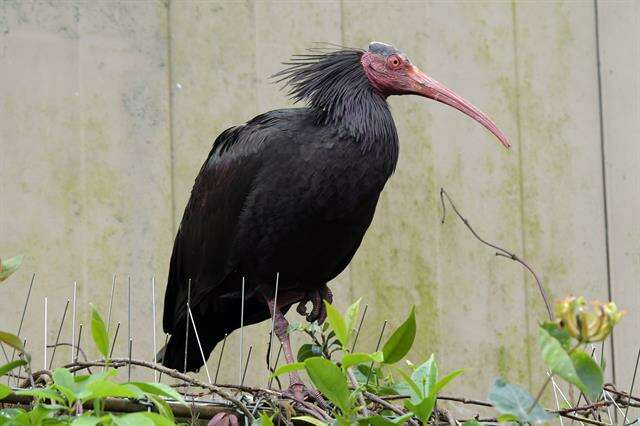
Geronticus
__NOTOC__
Bilby-5.jpg)
Macrotis
Macrotis is a genus of desert-dwelling marsupial omnivores known as bilbies or rabbit-bandicoots; they are members of the order Peramelemorphia.
.jpg)
Botaurinae
Bitterns are birds belonging to the subfamily Botaurinae of the heron family Ardeidae. Bitterns tend to be shorter-necked and more secretive than other members of the family. They were called hæferblæte and various iterations of raredumla in Old English; the word "bittern" came to English from Old French butor, itself from Gallo-Roman butitaurus, a compound of Latin būtiō (buzzard) and taurus (bull).
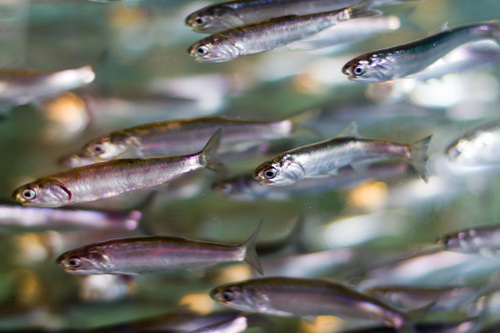
Engraulis
Engraulis is a genus of anchovies, currently containing 9 species. Species in this genus are found in the Pacific and Atlantic Oceans, as well as the Mediterranean Sea, and several of them are commercially important.

Tambaqui / Cachama
The tambaqui (Colossoma macropomum) is a large species of freshwater fish in the family Serrasalmidae. It is native to tropical South America, but kept in aquaculture and introduced elsewhere. It is also known by the names black pacu, black-finned pacu, giant pacu, cachama, gamitana, and sometimes as pacu (a name used for several other related species).
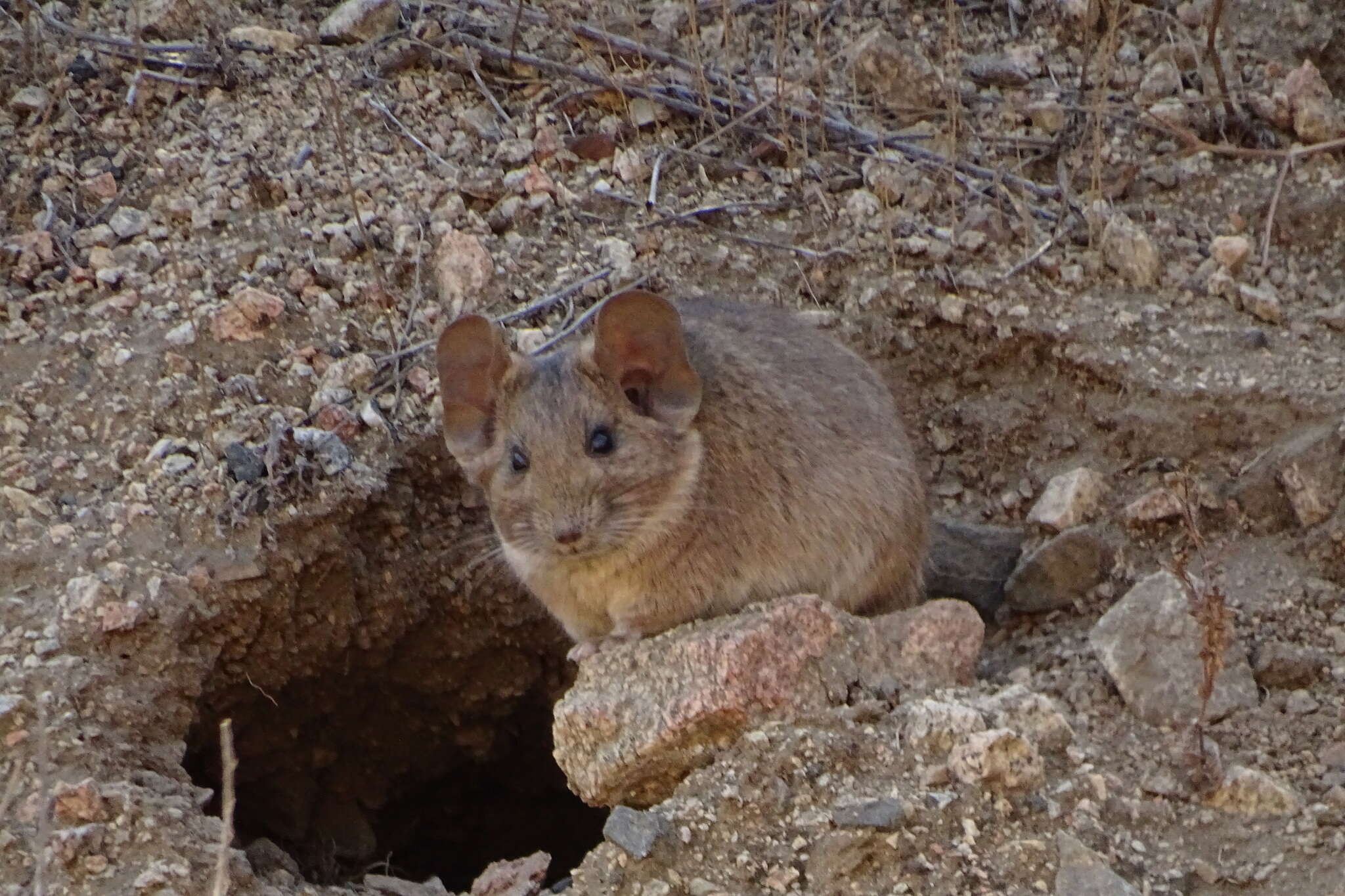
chinchilla rats
family of mammals
.png)
Caninae
Caninae, whose members are known as canines (), is the only living subfamily within Canidae, alongside the extinct Borophaginae and Hesperocyoninae. They first appeared in North America, during the Oligocene around 35 million years ago, subsequently spreading to Asia and elsewhere in the Old World at the end of the Miocene, some 7 million to 8 million years ago.
.jpg)
Silky-flycatcher
The silky-flycatchers are a small family, Ptiliogonatidae, of passerine birds. The family contains only four species in three genera. They were formerly lumped with waxwings and hypocolius in the family Bombycillidae, and they are listed in that family by the Sibley-Monroe checklist. The family is named for their silky plumage and their aerial flycatching techniques, although they are only distantly related to the Old World flycatchers (Muscicapidae) and the tyrant flycatchers (Tyrannidae).
Pelecanoides
genus of birds
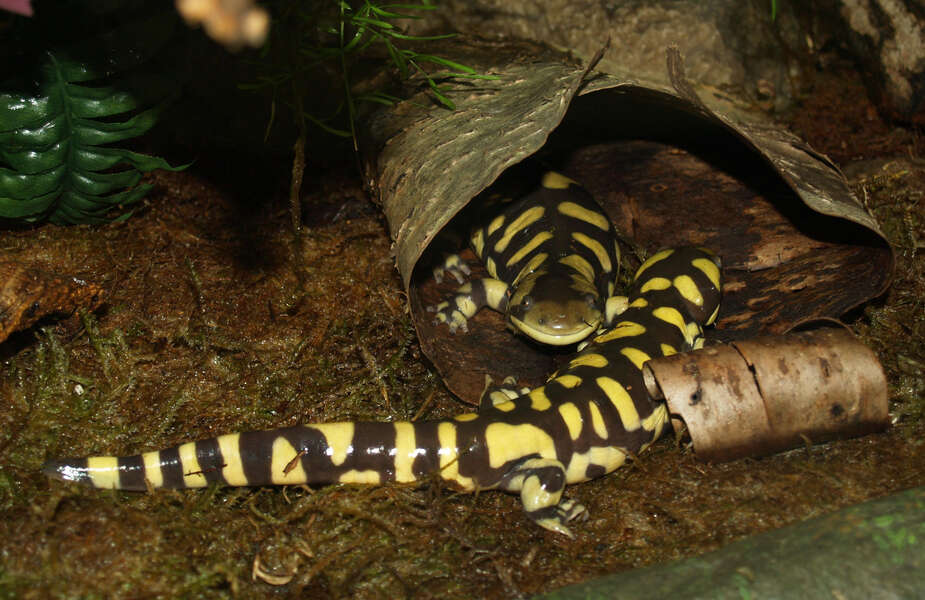
Tiger salamander
species of North American mole salamander

Cepphus
Cepphus is a genus of seabirds in the auk family also referred to as guillemots by association with the related genus Uria, or tysties, from the Old Norse name for C. grylle.
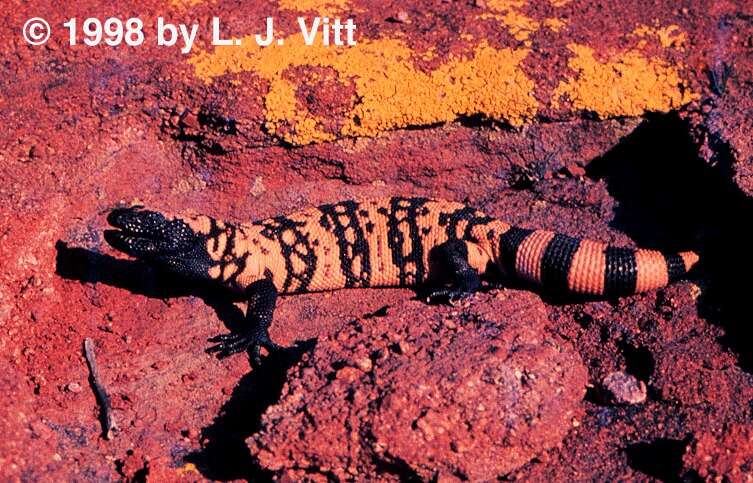
Heloderma
Heloderma is a genus of toxicoferan lizards that contains five species, all of which are venomous. It is the only extant genus of the family Helodermatidae.
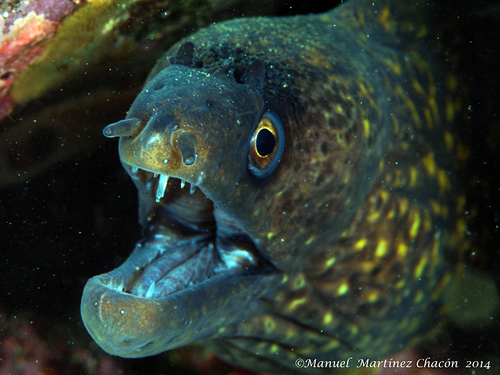
Muraena
Muraena is a genus of nine valid species of large eels in the family Muraenidae.

Heliornis fulica
The sungrebe or American finfoot (Heliornis fulica) is a small aquatic gruiform found in the tropical and subtropical Americas from northeastern Mexico to central Ecuador and southern Brazil.
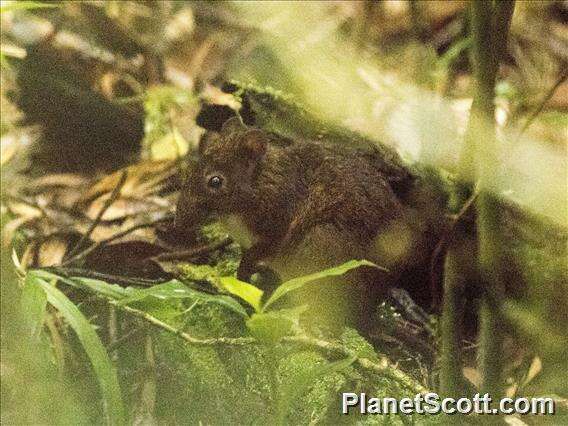
Nesomyidae
The Nesomyidae are a family of African rodents in the large and complex superfamily Muroidea. It includes several subfamilies, all of which are native to either continental Africa or to Madagascar. Included in this family are Malagasy rodents, climbing mice, African rock mice, swamp mice, pouched rats, and the white-tailed rat.
.jpg)
Micropterus
Micropterus is a genus of North American freshwater fish collectively known as the black bass, which belong to the sunfish family Centrarchidae of order Centrarchiformes. They are sometimes erroneously called "black trout", but the name trout more correctly refers to certain potamodromous members of the family Salmonidae (order Salmoniformes).

Miniopterus
Miniopterus, known as the bent-winged or long winged bats, is the sole genus of the family Miniopteridae. They are small flying insectivorous mammals, micro-bats of the order Chiroptera, with wings over twice the length of the body. The genus had been placed in its own subfamily among the vespertilionid bats, as Miniopterinae, but is now classified as its own family.

Manta
genus of fishes

Serrasalmidae
The Serrasalmidae (serrasalmids) are a family of characiform fishes native to freshwater habitats of South America. They include more than 90 species. The name means "serrated salmon family", which refers to the serrated keel running along the belly of these fish. Fish classified as Serrasalmidae are also known by these common names: pacu, piranha, and silver dollar. These common names generally designate differing dental characteristics and feeding habits.
crocodile shark
species of fish
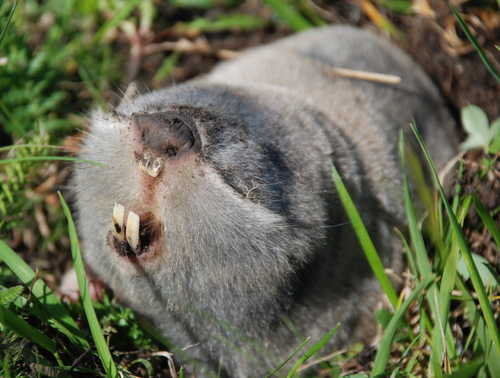
Spalax
Spalax is a genus of rodent in the family Spalacidae, subfamily Spalacinae (blind mole-rats). It is one of two extant genera in the subfamily Spalacinae, alongside Nannospalax.

Spirula spirula
Spirula spirula is a species of deep-water squid-like cephalopod mollusk. It is the only extant member of the genus Spirula, the family Spirulidae, and the order Spirulida. Because of the shape of its internal shell, it is commonly known as the '''ram's horn squid or the little post horn squid. Because the live animal has a light-emitting organ, it is also sometimes known as the tail-light squid'''.

Argonauta
genus of molluscs
Platacanthomyidae
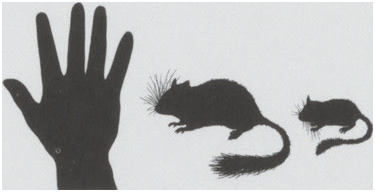
The rodent family Platacanthomyidae, or Oriental dormice, includes the spiny dormice and the Chinese pygmy dormice. In spite of their appearance, these animals are not true dormice, but are part of the large and complex superfamily Muroidea. The platacanthomyids can be distinguished from the true dormice, because they have no premolars, giving them three cheek teeth, like their relatives, the Muroidea.
Clinid
Clinidae is a family of marine fish in the order Blenniiformes within the series Ovalentaria, part of the Percomorpha . Temperate blennies, the family ranges from the Atlantic, Pacific, and Indian Oceans, in both the Southern and Northern Hemispheres. The family contains about 86 species in 20 genera, the 60-cm-long giant kelpfish (Heterostichus rostratus) being the largest; most are far smaller.

Tetraodon
Tetraodon is a genus in the pufferfish family (Tetraodontidae) found in freshwater in Africa. It is the type genus of the family and historically included numerous other species; several Asian species were moved to the genera Dichotomyctere, Leiodon and Pao in 2013. The genus name comes from Ancient Greek τετρα- (tetra-), meaning "four", and ὀδούς (odoús), meaning "tooth", referring to the genus' four teeth.
Bathynomus
genus of crustaceans

Odobenidae
Odobenidae is a family of pinnipeds, of which the only extant species is the walrus (Odobenus rosmarus). In the past, however, the group was much more diverse, and includes more than a dozen fossil genera.

Psammomys obesus
species of mammal

Mola
genus of fishes

Hylocitrea bonensis
The hylocitrea (Hylocitrea bonensis), also known as the yellow-flanked whistler or olive-flanked whistler, is a species of bird that is endemic to montane forests on the Indonesian island of Sulawesi. It is monotypic within the genus Hylocitrea, and has traditionally been considered a member of the family Pachycephalidae, but recent genetic evidence suggests it should be placed in a monotypic subfamily of the family Bombycillidae, or even its own family, Hylocitreidae. A 2019 study found it to be a sister group to a clade containing the hypocolius (Hypocoliidae) and the extinct Hawaiian honeye
_-_Cypraeidae_-_Mollusc%20shell.jpg)
Cypraea
thumb|Cypraea albuginosa, museum specimens. Naturalis.

Wattled Curassow
species of bird

Geochelone
Geochelone, from Ancient Greek γῆ (gê), meaning "earth", and χελώνη (khelṓnē), meaning "turtle", is a genus of tortoises.

Sistrurus
Common names: ground rattlesnakes, pygmy rattlesnakes, massasaugas
%20de%20M%C3%A9diterran%C3%A9e%20(Ifremer%2000676-78846%20-%2031633).jpg)
viperfish
A viperfish is any species of the genus Chauliodus, marine fish inhabiting the twilight or mesopelagic zone. Viperfish are at most around , and are characterized by silvery scales, long needle-like teeth and photophores along the ventral side of their body (though other fish of the family Stomiidae often have the latter two traits).
Bubalina
Bubalina is a subtribe of Bovini (wild cattle) that includes the various species of true buffalo. Species include the African buffalo, the anoas, and the wild water buffalo (including the domesticated variant water buffalo). Buffaloes can be found naturally in sub-Saharan Africa, South Asia and Southeast Asia, and domestic and feral populations have been introduced to Europe, the Americas, and Australia. In addition to the living species, bubalinans have an extensive fossil record where remains have been found in much of Afro-Eurasia.
Platanistidae
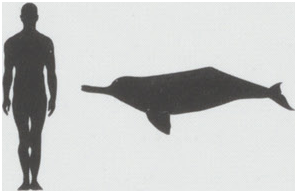
Platanistidae is a family of river dolphins containing the extant Ganges river dolphin and Indus river dolphin (both in the genus Platanista) but also extinct relatives from freshwater and marine deposits in the Neogene.

Andrias
Andrias is a genus of giant salamanders. It includes the largest salamanders in the world, with A. japonicus reaching a length of , and A. sligoi reaching . While extant species are known only from East Asia, several extinct species in the genus are known from late Oligocene and Neogene aged fossils collected in Europe and North America, indicating that the genus formerly had a much wider range.

leftvent
Leftvents seadevils comprise the family Linophrynidae, marine ray-finned fishes within the suborder Ceratioidei, the deep sea anglerfishes. These fishes are found in the Atlantic, Indian and Pacific Oceans.

Dinomyidae
The Dinomyidae are a family of South American hystricognath rodents: the dinomyids were once a very speciose group, but now contain only a single living species, the pacarana. Several of the extinct dinomyids were among the largest rodents known to date; these included the bison-sized Josephoartigasia monesi and the smaller Josephoartigasia magna. The dinomyids are thought to have occupied ecological niches associated with large grazing mammals due to their ability to compete with the native ungulates of South America. Conversely, they could feed on aquatic or swampy plants along the ancient r
kestrel
The term kestrel (from , derivative from , i.e. ratchet) is the common name given to several species of predatory birds from the falcon genus Falco. Kestrels are most easily distinguished by their typical hunting behaviour which is to hover at a height of around over open country and swoop down on ground prey, usually small mammals, lizards or large insects, while other falcons are more adapted for active hunting during flight.
Cancer
genus of crabs

Bodianus
Bodianus is a genus of fishes in the family of wrasses, the Labridae, which are commonly known as hogfishes. They are found in the Atlantic, Indian, and Pacific Oceans. These species have many parasites.

Oxynotus
thumb|253px|right|Prickly dogfish, Oxynotus bruniensis
thumb|253px|right|Angular roughshark, Oxynotus centrina
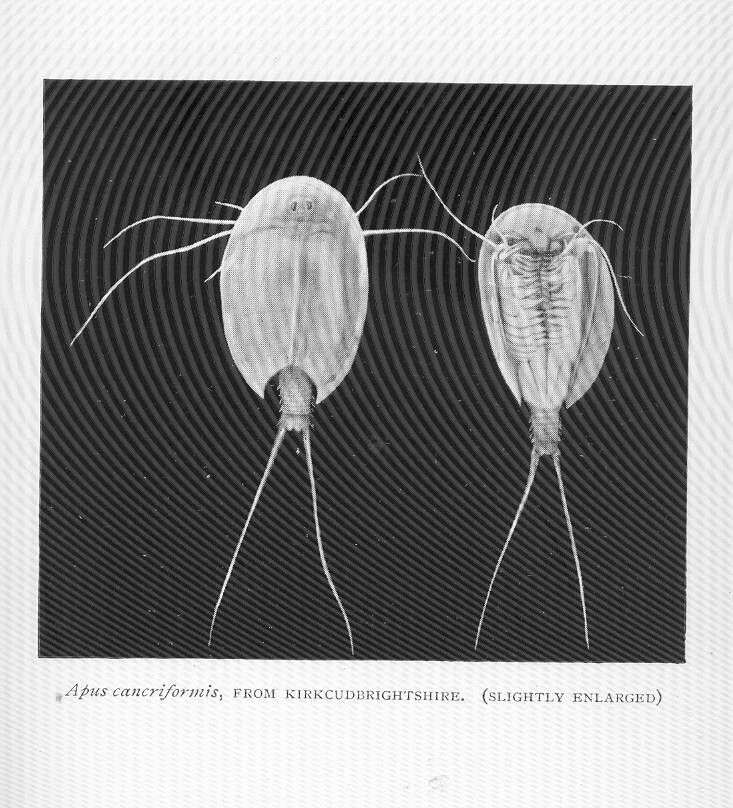
Triops
Triops, from Ancient Greek (), meaning "three", and (), meaning "face" or "eye", is a genus of small crustaceans in the order Notostraca (tadpole shrimp). The long-lasting resting eggs of several species of Triops are commonly sold in kits as pets. The animals hatch upon contact with fresh water. Most adult-stage Triops have a life expectancy of up to 90 days and can tolerate a pH range of 6 to 10. In nature, they often inhabit temporary pools.

Mya arenaria
species of mollusc
%20Chambers%20Co.%2C%20TX%2C%2020%20April%202019.jpg)
Nerodia
thumb|Gulf saltmarsh watersnake (Nerodia clarkii clarkii), Chambers County, Texas, 20 April 2019
thumb|Concho Watersnake (Nerodia paucimaculata) from central Texas

Arapaima
The arapaima, pirarucu, or paiche is any large species of bonytongue in the genus Arapaima native to the Amazon and Essequibo basins of South America. Arapaima is the type genus of the subfamily Arapaiminae within the family Osteoglossidae. They are among the world's largest freshwater fish, reaching as much as in length. They are an important food fish. They have declined in the native range due to overfishing and habitat loss. In contrast, arapaima have been introduced to several tropical regions outside the native range (within South America and elsewhere), where they are sometimes consider

Lepomis
Lepomis or true sunfish is a genus of North American freshwater fish from the family Centrarchidae in the order Centrarchiformes. The generic name Lepomis derives from the Greek ("scale") and ("cover", "plug", "operculum"). The genus' most recognizable species is perhaps the bluegill.

Chromis
Chromis is a genus of fish in the family Pomacentridae. While the term damselfish describes a group of marine fish including more than one genus, Chromis is the largest genus of damselfishes. Certain species within the genus are common in the aquarium trade.

Pomoxis
Crappies () are two species of North American freshwater fish of the genus Pomoxis in the family Centrarchidae (sunfishes). Both species of crappies are popular game fish among recreational anglers.
.jpg)
Tridacna
thumb|upright=1.22|

Eschrichtiidae
Eschrichtiidae or the gray whales is a family of baleen whale (Parvorder Mysticeti) with a single extant species, the gray whale (Eschrichtius robustus), as well as four described fossil genera: Archaeschrichtius (Miocene), Glaucabalaena and Eschrichtioides (Pliocene) from Italy, and Gricetoides from the Pliocene of North Carolina. Some phylogenetic studies have found this family to be invalid, with its members nesting inside of the clade Balaenopteridae. The names of the extant genus and the family honours Danish zoologist Daniel Eschricht.
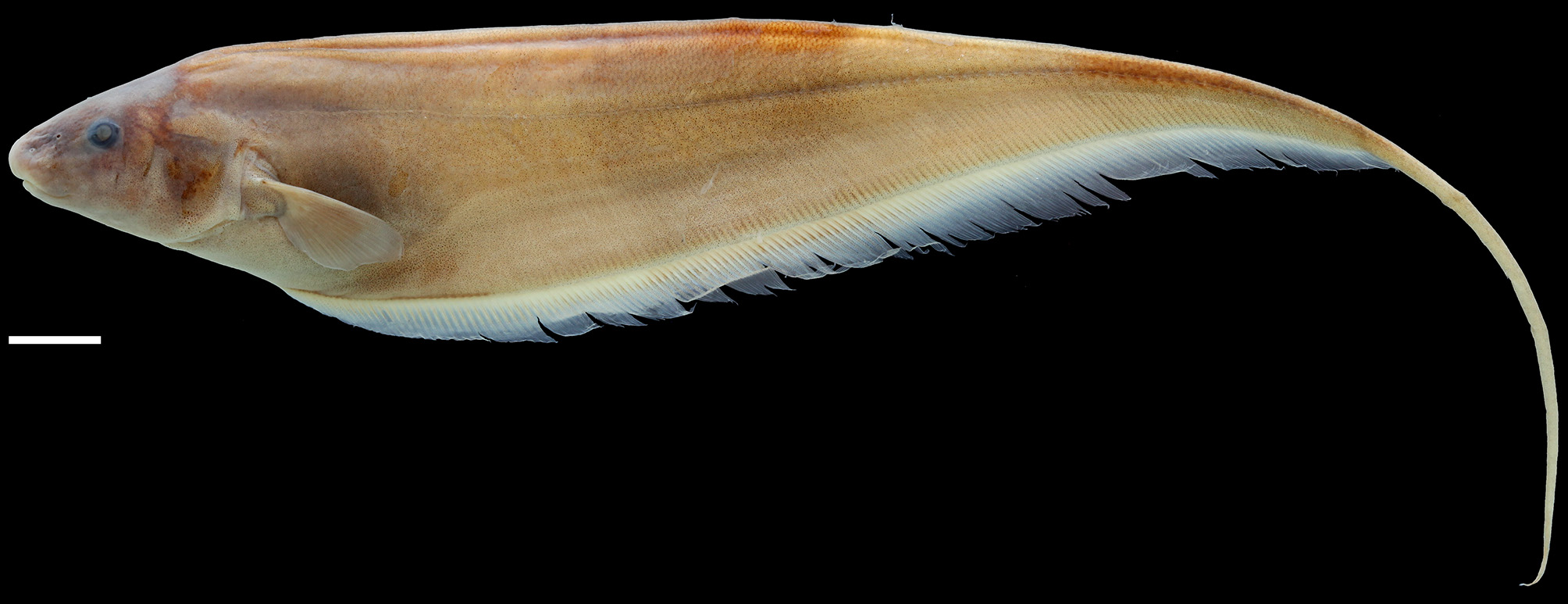
Sternopygidae
family of fishes
.jpg)
Lampris
The opah, also commonly known as moonfish, sunfish (not to be confused with Molidae), cowfish, kingfish, and redfin ocean pan are large, colorful, deep-bodied pelagic lampriform fishes comprising the genus Lampris, of the small family Lampridae (also spelled Lamprididae).
Pelobates cultripes
species of amphibian

Mystacinidae
__NOTOC__
Mystacinidae is a family of unusual bats, the New Zealand short-tailed bats. There is one living genus, Mystacina, with two species, one of which could have possibly become extinct in the 1960s. They are medium-sized bats, about in length, with grey, velvety fur.

Plectorhinchus
Plectorhinchus is a genus of marine ray-finned fish, sweetlips belonging to the subfamily Plectorhinchinae which is one of two subfamilies in the family Haemulidae which also includes the grunts. The species in this genus are found in fresh, brackish, and salt waters.
== Description and characteristics ==
These fish have big, fleshy lips and tend to live on coral reefs in the Indo-Pacific in small groups or pairs. They will often associate with other fishes of similar species; several species of sweetlips sometimes swim together.
They are usually seen in clusters in nooks and crannies or under

short-nosed bandicoot
genus of mammals