Category
page 2Extant Miocene first appearances

Ardea
genus of birds in the Heron family (Ardeidae)

Caviidae
Caviidae, the cavy family, is composed of rodents native to South America and includes the domestic guinea pig, wild cavies, and the largest living rodent, the capybara. They are found across South America in open areas from moist savanna to thorn forests or scrub desert. This family of rodents has fewer members than most other rodent families, with 19 species in seven genera in three subfamilies.

Mergus
Mergus is the genus containing the typical mergansers ( ), fish-eating ducks in the subfamily Anatinae.
Tamias
Tamias is a genus of chipmunks in the tribe Marmotini of the squirrel family. The genus includes a single living species, the eastern chipmunk (Tamias striatus). The genus name Tamias () means "treasurer", "steward", or "housekeeper", which is a reference to the animals' role in plant dispersal through their habit of collecting and storing food for winter use.

Muraenidae
family of fishes
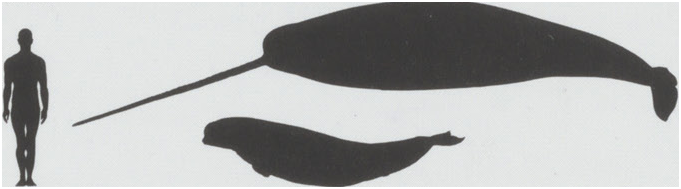
Monodontidae
The cetacean family Monodontidae comprises two living whale species, the narwhal and the beluga whale and at least four extinct species, known from the fossil record. Beluga and narwhal are native to coastal regions and pack ice around the Arctic Ocean. Both species are relatively small whales, in length, with a forehead melon, and a short or absent snout. Premaxillary teeth are absent. They do not have a true dorsal fin, but do have a narrow ridge running along the back, which is much more pronounced in the narwhal. They are highly vocal animals, communicating with a wide range of sounds. Lik
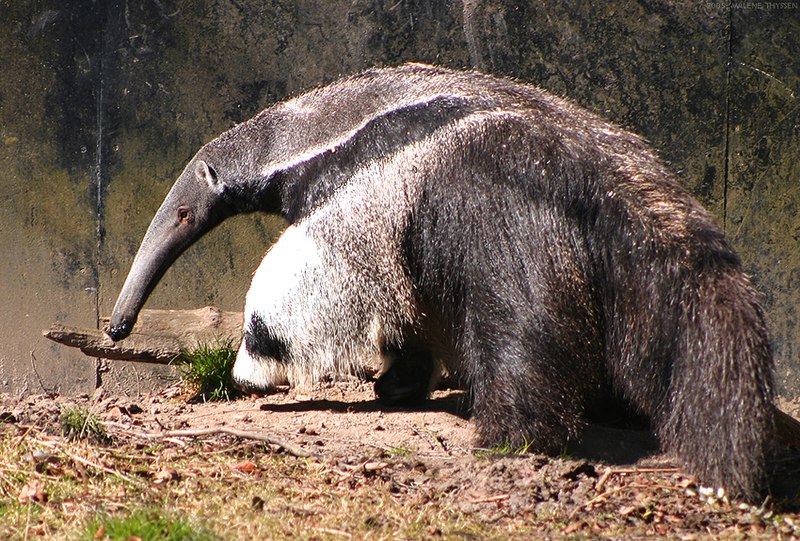
Myrmecophagidae
The Myrmecophagidae are a family of anteaters. Two genera and three species are in the family, consisting of the giant anteater, and the tamanduas. The fossil Eurotamandua from the Messel Pit in Germany may be an early anteater, but its status is currently debated. The name is derived from the Ancient Greek words (), meaning "ant", and (''''), meaning "eater".

Homininae
The Homininae (; hominines) is a subfamily of the family Hominidae (hominids). The Homininae encompass humans, and are also called "African hominids" or "African apes". This subfamily includes two tribes, Hominini and Gorillini, both having extant (or living) species as well as extinct species.

Lorisidae
Lorisidae (or sometimes Loridae) is a family of strepsirrhine primates. The lorisids are all slim arboreal animals and comprise the lorises, pottos, and angwantibos. Lorisids live in tropical, central Africa as well as in south and southeast Asia.

Rana catesbeiana
species of amphibian

Anserinae
The Anserinae are a subfamily in the waterfowl family Anatidae and includes the swan and geese. Under alternative systematical concepts (see e.g., Terres & NAS, 1991), it is split into two subfamilies. The Anserinae contains geese and ducks, while the Cygninae contains the swans.

duiker
A duiker is a small to medium-sized brown antelope native to sub-Saharan Africa, found in heavily wooded areas. The 22 extant species, including three sometimes considered to be subspecies of the other species, form a clade or natural grouping, either considered to be the subfamily Cephalophinae or the tribe Cephalophini.

porbeagle
The porbeagle or porbeagle shark (Lamna nasus) is a species of mackerel shark in the family Lamnidae, distributed widely in the cold and temperate marine waters of the North Atlantic and Southern Hemisphere. In the North Pacific, its ecological equivalent is the closely related salmon shark (L. ditropis). It typically reaches in length and a weight of ; North Atlantic sharks grow larger than Southern Hemisphere sharks and differ in coloration and aspects of life history. Grey above and white below, the porbeagle has a very stout midsection that tapers towards the long, pointed snout and t

Phasianus
The "typical" pheasant genus Phasianus in the family Phasianidae consists of two species. The genus name is Latin for pheasant.
.png)
Microhylidae
The Microhylidae, commonly known as narrow-mouthed frogs, are a geographically widespread family of frogs. The 683 species are in 57 genera and 11 subfamilies.
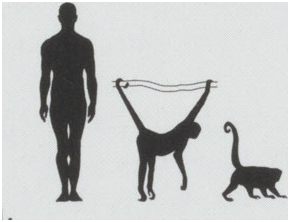
Atelidae
The Atelidae are one of the five families of New World monkeys now recognised. It was formerly included in the family Cebidae. Atelids are generally larger monkeys; the family includes the howler, spider, woolly, and woolly spider monkeys (the latter being the largest of the New World monkeys). They are found throughout the forested regions of Central and South America, from Mexico to northern Argentina.

Tyto
Tyto is a genus of owls in the family Tytonidae. Depending on the species and the locality, common names include barn owl, common barn owl, grass owl, sooty owl, masked owl, field owl or simply owl. It is the most widely distributed genus of owls in the world and one of the most widespread of all genera of birds, living almost everywhere except for polar and desert regions, Asia north of the Himalayas, some Indonesian islands and some Pacific Islands.

Casuariiformes
The Casuariiformes is an order of large flightless birds that has four surviving members: the three species of cassowary, and the only remaining species of emu. They are divided into either a single family, Casuariidae, or occasionally two, with the emu splitting off into its own family, Dromaiidae. The IOC World Bird List and Cornell Lab of Ornithology's Birds of the World both do not recognize Dromaiidae, placing the emu in the family Casuariidae.

Salmo
Salmo is a genus of ray-finned fish from the subfamily Salmoninae of family Salmonidae, and is part of the tribe Salmonini along with the sister genera Salvelinus and Salvethymus. Almost all Salmo species are native only in the Old World (including most of Europe, coastal North Africa and part of West Asia around the Black Sea), the only exception being the Atlantic salmon (Salmo salar), which is also naturally found across the North Atlantic in eastern North America.
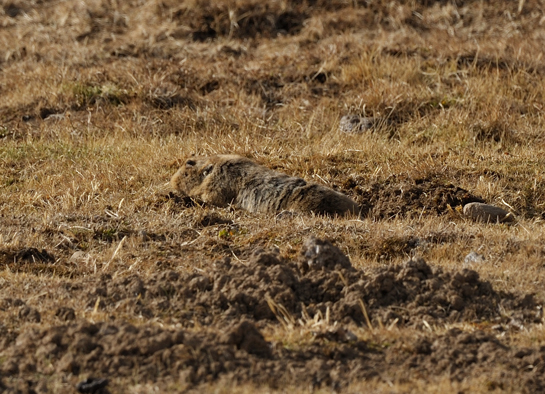
Spalacidae
The Spalacidae, or spalacids, are a family of rodents in the large and complex superfamily Muroidea. They are native to eastern Asia, the Horn of Africa, the Middle East, and southeastern Europe. It includes the blind mole-rats, bamboo rats, mole-rats, and zokors. This family represents the oldest split (excluding perhaps the Platacanthomyidae) in the muroid superfamily, and comprises animals adapted to a subterranean way of life. These rodents were thought to have evolved adaptations to living underground independently until recent phylogenetic studies demonstrated they form a monophyletic gr
%20in%20AP%20W%20IMG%203625.jpg)
Egretta
Egretta is a genus of medium-sized herons, mostly breeding in warmer climates.

Cyprinus
Cyprinus is the genus of typical carps in family Cyprinidae. Most species in the genus are of East Asia origin with only the common carp (C. carpio) in Western Asia and Europe; this invasive species has also been introduced to many other regions around the world. Cyprinus are closely related to some more barb-like genera, such as Cyclocheilichthys and Barbonymus (tinfoils). The crucian carps (Carassius) of western Eurasia, which include the goldfish (C. auratus), are apparently not as closely related.
.jpg)
Centrarchidae
Centrarchidae, better known as sunfishes or centrarchids, is a family of freshwater ray-finned fish belonging to the order Centrarchiformes, native only to North America. There are eight universally included genera within the centrarchid family: Lepomis (true sunfishes), Micropterus (black basses), Pomoxis (crappies), Enneacanthus (banded sunfishes), Centrarchus (type genus, consisting solely of the flier C. macropterus), Archoplites (Sacramento perch), Ambloplites (rock basses), and Acantharchus (mud sunfish). Their closest relatives are the pygmy sunfishes of the family Elassomatidae, which
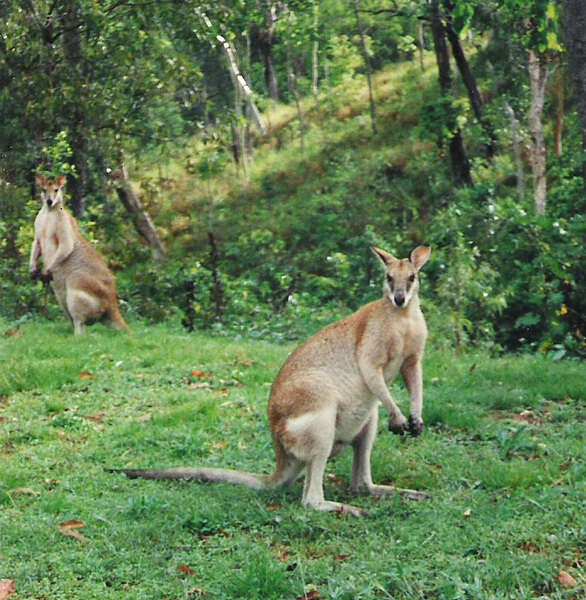
Macropus
Macropus, from the Ancient Greek words (makrós), meaning "long", and (pous), meaning "foot", is a marsupial genus in the family Macropodidae. It has two extant species of large terrestrial kangaroos. Thirteen known extinct species are recognised. The type species is the eastern grey kangaroo.
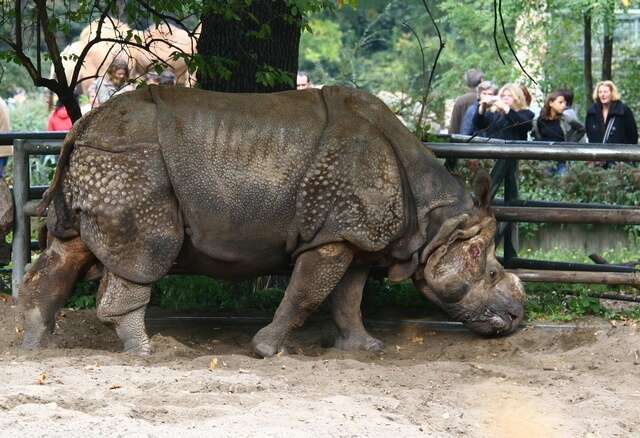
Rhinoceros
genus of mammals

Balaenoptera
Balaenoptera () is a genus of rorquals containing eight extant species. Balaenoptera comprises all but two of the extant species in its family (the humpback whale and gray whale); the genus is currently polyphyletic, with the two aforementioned species being phylogenetically nested within it.

Alpine newt
species of amphibian

Apodemus
Apodemus is a genus of murid (true mice and rats) containing the field mice as well as other well-known species like the wood mouse and the yellow-necked mouse. The name is unrelated to that of the Mus genus, instead being derived from the Greek ἀπό-δημος (literally away from home).

Heteromyidae
Heteromyidae is a family of rodents consisting of kangaroo rats, kangaroo mice, pocket mice and spiny pocket mice. Most heteromyids live in complex burrows within the deserts and grasslands of western North America, though species within the genus Heteromys are also found in forests and their range extends as far south as northern South America. They feed mostly on seeds and other plant parts, which they carry in their fur-lined cheek pouches to their burrows.

Oncorhynchus
Oncorhynchus is a genus of ray-finned fish in the subfamily Salmoninae of the family Salmonidae, native to coldwater tributaries of the North Pacific basin. The genus contains sixteen extant species, namely six species of Pacific salmon and ten species of Pacific trout, all of which are migratory (either anadromous or potamodromous) mid-level predatory fish that display natal homing and semelparity.

Cariamidae
The seriemas are the sole living members of the small bird family Cariamidae (the entire family is also referred to as "seriemas"), which is also the only surviving lineage of the order Cariamiformes. Once believed to be related to cranes, they have been placed near the falcons, parrots, and passerines, as well as the extinct Phorusrhacidae (terror birds). The seriemas are large, long-legged territorial birds that range from in length. They live in grasslands, savanna, dry woodland and open forests of Brazil, Bolivia, Argentina, Paraguay and Uruguay. There are two species of seriemas, the red-
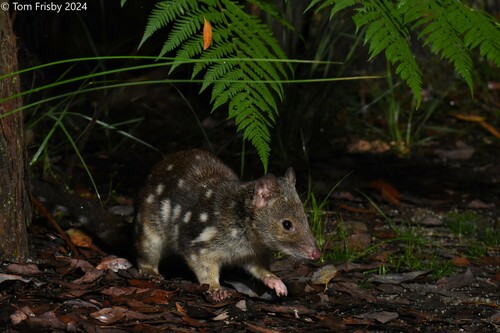
quoll
Quolls (; genus Dasyurus) are carnivorous marsupials native to Australia and New Guinea. They are primarily nocturnal, and spend most of the day in a den. Of the six species of quoll, four are found in Australia and two in New Guinea. Another two species are known from fossil remains in Pliocene and Pleistocene deposits in Queensland.

painted turtle
species of reptile

Grey Hypocolius
species of bird
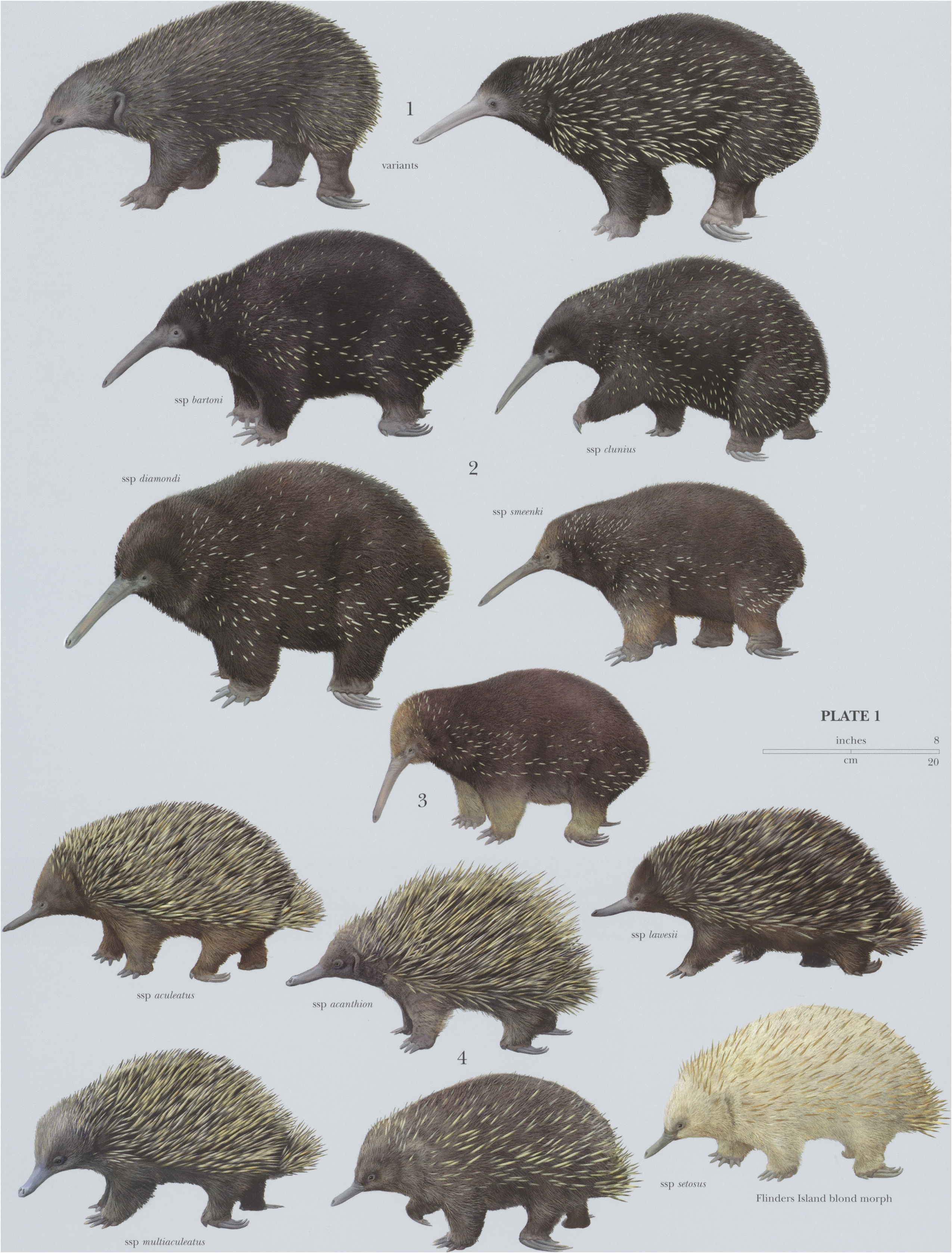
Zaglossus
genus of echidnas
Moschus
genus of mammals

Lacerta
genus of reptiles
Plethodontidae
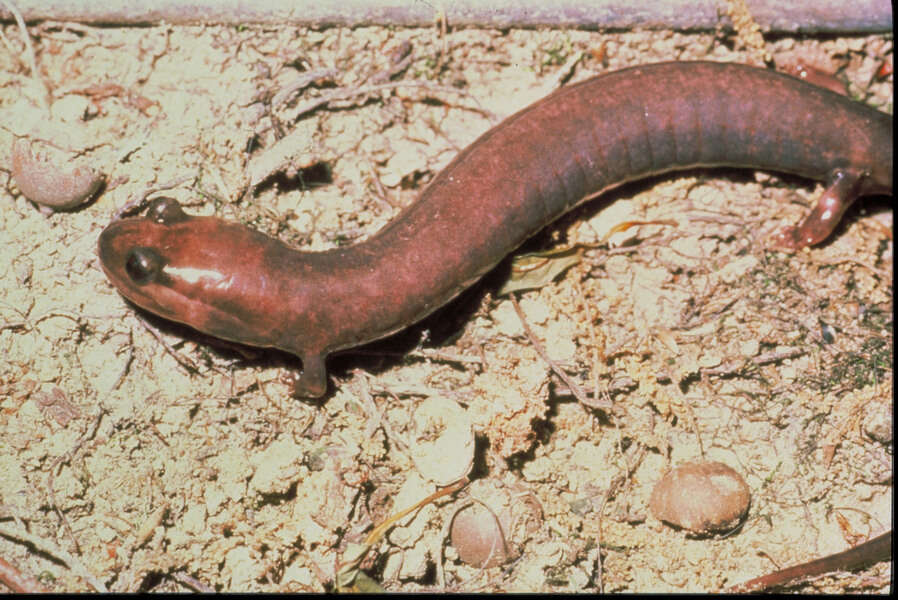
Plethodontidae, or lungless salamanders, are a family of salamanders. With over 500 species, lungless salamanders are by far the largest family of salamanders in terms of their diversity. Most species are native to the Western Hemisphere, from British Columbia to Brazil. Only two extant genera occur in the Eastern Hemisphere: Speleomantes (native to Sardinia and mainland Europe south of the Alps) and Karsenia (native to South Korea).

Alcelaphinae
The subfamily Alcelaphinae (or tribe Alcelaphini), of the family Bovidae, contains the wildebeest, tsessebe, topi, hartebeest, blesbok and bontebok, and several other related species. Depending on the classification, there are 6–10 species placed in four genera, although Beatragus is sometimes considered a subgenus of Damaliscus, while Sigmoceros is sometimes considered for the Lichtenstein's hartebeest.

garter snake
genus of reptiles

silky shark
species of fish

alligator gar
Ray-finned euryhaline fish related to the bowfin in the infraclass Holostei

Broad-snouted caiman
species of reptile

Oriental giant squirrel
genus of the squirrels
Salvelinus
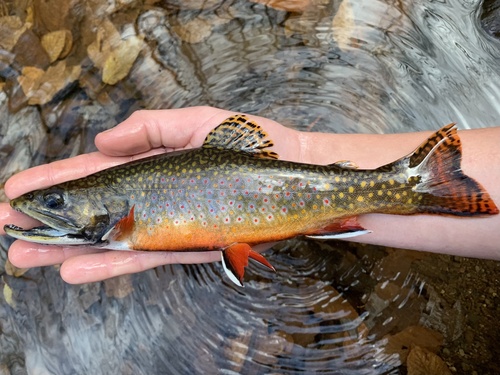
Salvelinus is a genus of salmonid fish often called char or charr; some species are called "trout". Salvelinus is a member of the subfamily Salmoninae within the family Salmonidae. The genus has a northern circumpolar distribution, and most of its members are typically cold-water fish that primarily inhabit fresh waters. Many species also migrate to the sea.

Bathyergidae
The blesmols, also known as mole-rats or African mole-rats, are burrowing rodents of the family Bathyergidae. They represent a distinct evolution of a subterranean life among rodents much like the pocket gophers of North America, the tuco-tucos in South America, and the Spalacidae from Eurasia.
Dulus dominicus
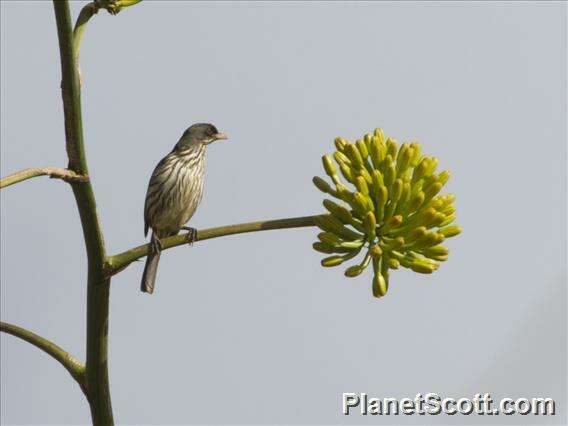
The palmchat (Dulus dominicus) is a small, long-tailed passerine bird, the only species in the genus Dulus and the family Dulidae endemic to the Caribbean island of Hispaniola (split between the Dominican Republic and Haiti). It is related to the waxwings, family Bombycillidae. Its name reflects its strong association with palms for feeding, roosting, and nesting.
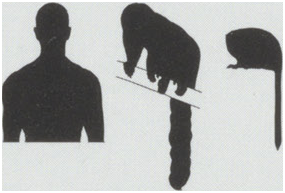
Pitheciidae
The Pitheciidae () are one of the five families of New World monkeys now recognised. Formerly, they were included in the family Atelidae. The family includes the titis, saki monkeys and uakaris. Most species are native to the Amazon region of Brazil, with some being found from Colombia in the north to Bolivia in the south.
.JPG)
Hutia
Hutias (known in Spanish as jutía) are moderately large cavy-like rodents of the subfamily Capromyinae that inhabit the Caribbean islands. Most species are restricted to Cuba, but species are known from all of the Greater Antilles, as well as the Bahamas and (formerly) Little Swan Island off of Honduras.
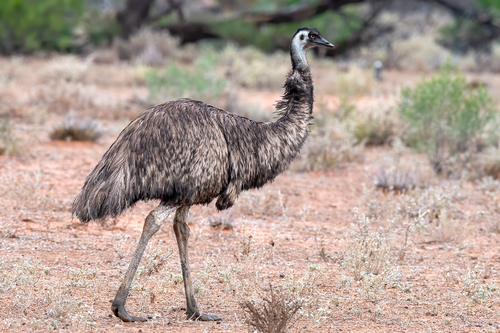
Dromaius
Dromaius (from Ancient Greek δρομαῖος; "swift one", "runner") is a genus of ratite present in Australia. There is one extant species, Dromaius novaehollandiae, commonly known as the emu.

Oxyura
genus of birds
.jpg)
Antilocapridae
The Antilocapridae are a family of ruminant artiodactyls endemic to North America. Their closest extant relatives are the giraffids. Only one species, the pronghorn (Antilocapra americana), is living today; all other members of the family are extinct. The living pronghorn is a small ruminant mammal resembling an antelope.

Delichon
Delichon is a small genus of passerine birds that belongs to the swallow family and contains four species called house martins. These are chunky, bull-headed and short-tailed birds, blackish-blue above with a contrasting white rump, and with white or grey underparts. They have feathering on the toes and tarsi that is characteristic of this genus. The house martins are closely related to other swallows that build mud nests, particularly the Hirundo barn swallows. They breed only in Europe, Asia and the mountains of North Africa. Three species, the common, Siberian and Asian house martins, migra

Dolichotis
Dolichotis is a genus of the cavy family of rodents. These large relatives of guinea pigs are common in the Patagonian steppes of Argentina, but also live in Paraguay and elsewhere in South America. It contains a single extant species, the Patagonian mara, which is one of the largest rodents in the world after the two species each of capybaras and beavers, and the large species of porcupines, reaching about in height.

Mouse-like hamster
genus of mammals

Laotian rock rat
species of mammal
Cebinae
subfamily of New World monkeys
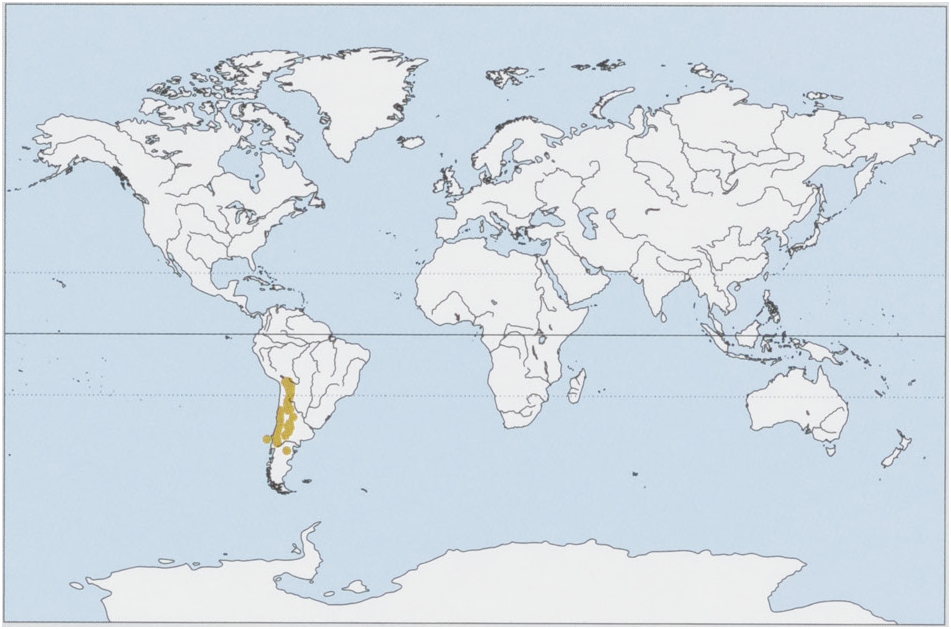
Octodontidae
Octodontidae, from Ancient Greek ὀκτώ (oktṓ), meaning "eight", and ὀδούς (odoús), meaning "tooth", is a family of rodents, restricted to southwestern South America. Fourteen species of octodontid are recognised, arranged in seven genera. The best known species is the common degu, Octodon degus.
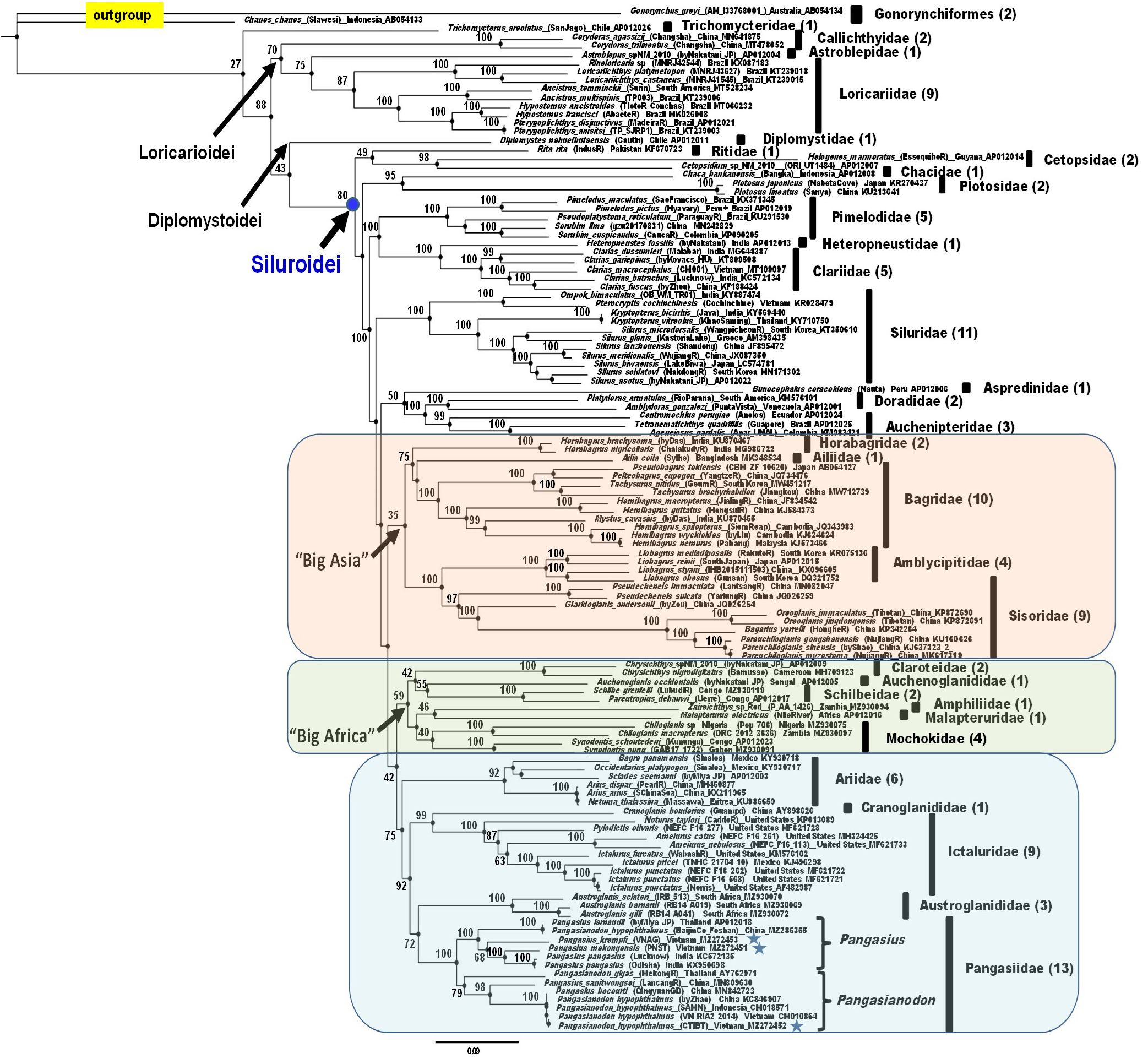
Pangasiidae
family of fishes
Bilby-5.jpg)
Macrotis
Macrotis is a genus of desert-dwelling marsupial omnivores known as bilbies or rabbit-bandicoots; they are members of the order Peramelemorphia.