Category
page 1Virus genera

norovirus
Norovirus, also known as Norwalk virus, is the most common cause of gastroenteritis. The infection, sometimes referred to as the winter vomiting disease, is characterized by non-bloody diarrhea, vomiting, and stomach pain. Fever or headaches may also occur. Symptoms usually develop 24 hours after being exposed, and recovery typically occurs within one to three days. Complications are uncommon, but may include dehydration, especially in the young, the old, and those with other health problems.

Rotavirus
Rotaviruses are the most common cause of diarrhoeal disease among infants and young children. Nearly every child in the world is infected with a rotavirus at least once by the age of five. Immunity develops with each infection, so subsequent infections are less severe. Adults are rarely affected.

Orthohantavirus
Orthohantavirus is a genus of viruses that includes all hantaviruses (family Hantaviridae) that cause disease in humans, but are not spread by humans. Orthohantaviruses, hereafter referred to as hantaviruses, are naturally found primarily in rodents. In general, each hantavirus is carried by one rodent species and each rodent that carries a hantavirus carries one hantavirus species. Hantaviruses in their natural reservoirs usually cause an asymptomatic, persistent infection. In humans, however, hantaviruses cause two diseases: hemorrhagic fever with renal syndrome (HFRS) and hantavirus pulmona

Cytomegalovirus
Cytomegalovirus (CMV) (from cyto- 'cell' via Greek - 'container' + 'big, megalo-' + -virus via Latin 'poison') is a genus of viruses in the order Herpesvirales, in the family Herpesviridae, in the subfamily Betaherpesvirinae. Humans and other primates serve as natural hosts. The 11 species in this genus include human betaherpesvirus 5 (HCMV, human cytomegalovirus, HHV-5), which is the species that infects humans. Diseases associated with HHV-5 include mononucleosis and pneumonia, and congenital CMV in infants can lead to variety of birth defects, including those involving the eyes, ears, liver

Enterovirus
Enterovirus (EV) is a genus of positive-sense single-stranded RNA viruses associated with several human and mammalian diseases. Enteroviruses are named by their transmission-route through the intestine ('enteric' meaning intestinal).

Ebolavirus
thumb|Phylogenetic tree comparing ebolaviruses and marburgviruses. Numbers indicate percent confidence of branches.

Lentivirus
Lentivirus is a genus of retroviruses that cause chronic and deadly diseases characterized by long incubation periods, in humans and other mammalian species. The genus includes the human immunodeficiency virus (HIV), which causes AIDS. Lentiviruses are distributed worldwide, and are known to be hosted in apes, cows, goats, horses, cats, and sheep as well as several other mammals.

Betacoronavirus
Betacoronavirus (β-CoVs or Beta-CoVs) is one of four genera (Alpha-, Beta-, Gamma-, and Delta-) of coronaviruses. Member viruses are enveloped, positive-strand RNA viruses that infect mammals, including humans. The natural reservoir for betacoronaviruses are bats and rodents. Rodents are the reservoir for the subgenus Embecovirus, while bats are the reservoir for the other subgenera.

Mimivirus
thumb|upright=1.5|Schematic drawing of a virion of genus Mimivirus (cross section and side view) showing filaments ("hairs") and stargate (downside)
Mimivirus is a genus of giant viruses, in the family Mimiviridae. It is believed that Amoeba serve as their natural hosts. It also refers to a group of phylogenetically related large viruses.

Henipavirus
Henipavirus is a genus of negative-strand RNA viruses in the family Paramyxoviridae, order Mononegavirales containing five established species, and numerous others still under study. Henipaviruses are naturally harboured by several species of small mammals, notably pteropid fruit bats (flying foxes), microbats of several species, and shrews. Henipaviruses are characterised by long genomes and a wide host range. Their recent emergence as zoonotic pathogens capable of causing illness and death in domestic animals and humans is a cause of concern.

Flavivirus
Orthoflavivirus (Flavivirus prior to 2023; common name orthoflavivirus, orthoflaviviral or orthoflaviviruses) is a genus of positive-strand RNA viruses in the family Flaviviridae. The genus includes the West Nile virus, dengue virus, tick-borne encephalitis virus, yellow fever virus, Zika virus and several other viruses which may cause encephalitis, as well as insect-specific flaviviruses (ISFs) such as cell fusing agent virus (CFAV), Palm Creek virus (PCV), and Parramatta River virus (PaRV). While dual-host flaviviruses can infect vertebrates as well as arthropods, insect-specific flaviviruse

Lyssavirus
Lyssavirus (from the Greek lyssa "rage, fury, rabies" and the Latin vīrus) is a genus of RNA viruses in the family Rhabdoviridae, order Mononegavirales. Mammals, including humans, can serve as natural hosts. The genus Lyssavirus includes the causative agent (rabies virus) of rabies.

Morbillivirus
Morbillivirus is a genus of viruses in the order Mononegavirales, in the family Paramyxoviridae. Humans, dogs, cats, cattle, seals, and cetaceans serve as natural hosts. This genus contains 10 species, one of which is extinct. Diseases in humans associated with viruses classified in this genus include measles; in animals, they include acute febrile respiratory tract infection and Canine distemper. In 2013, a wave of increased death among the Common bottlenose dolphin population was attributed to morbillivirus.

Alphavirus
Alphavirus is a genus of RNA viruses, the sole genus in the Togaviridae family. Alphaviruses belong to group IV of the Baltimore classification of viruses, with a positive-sense, single-stranded RNA genome. There are 32 alphavirus species, which infect various vertebrates such as humans, rodents, fish, birds, and larger mammals such as horses, as well as invertebrates. Alphaviruses that can infect both vertebrates and arthropods are referred to as dual-host alphaviruses, while insect-specific alphaviruses such as Eilat virus and Yada yada virus are restricted to their competent arthropod vecto

Orbivirus
Orbivirus is a genus of double-stranded RNA viruses in the order Reovirales and the family Sedoreoviridae. Unlike other reoviruses, orbiviruses are arboviruses. They can infect and replicate within a wide range of arthropod and vertebrate hosts. Orbiviruses are named after their characteristic doughnut-shaped capsomers ( in Latin means ring).

Alphacoronavirus
Alphacoronaviruses (Alpha-CoV) are members of the first of the four genera (Alpha-, Beta-, Gamma-, and Delta-) of coronaviruses. They are positive-sense, single-stranded RNA viruses that infect mammals, including humans. They have spherical virions with club-shaped surface projections formed by trimers of the spike protein, and a viral envelope.
Marburgvirus
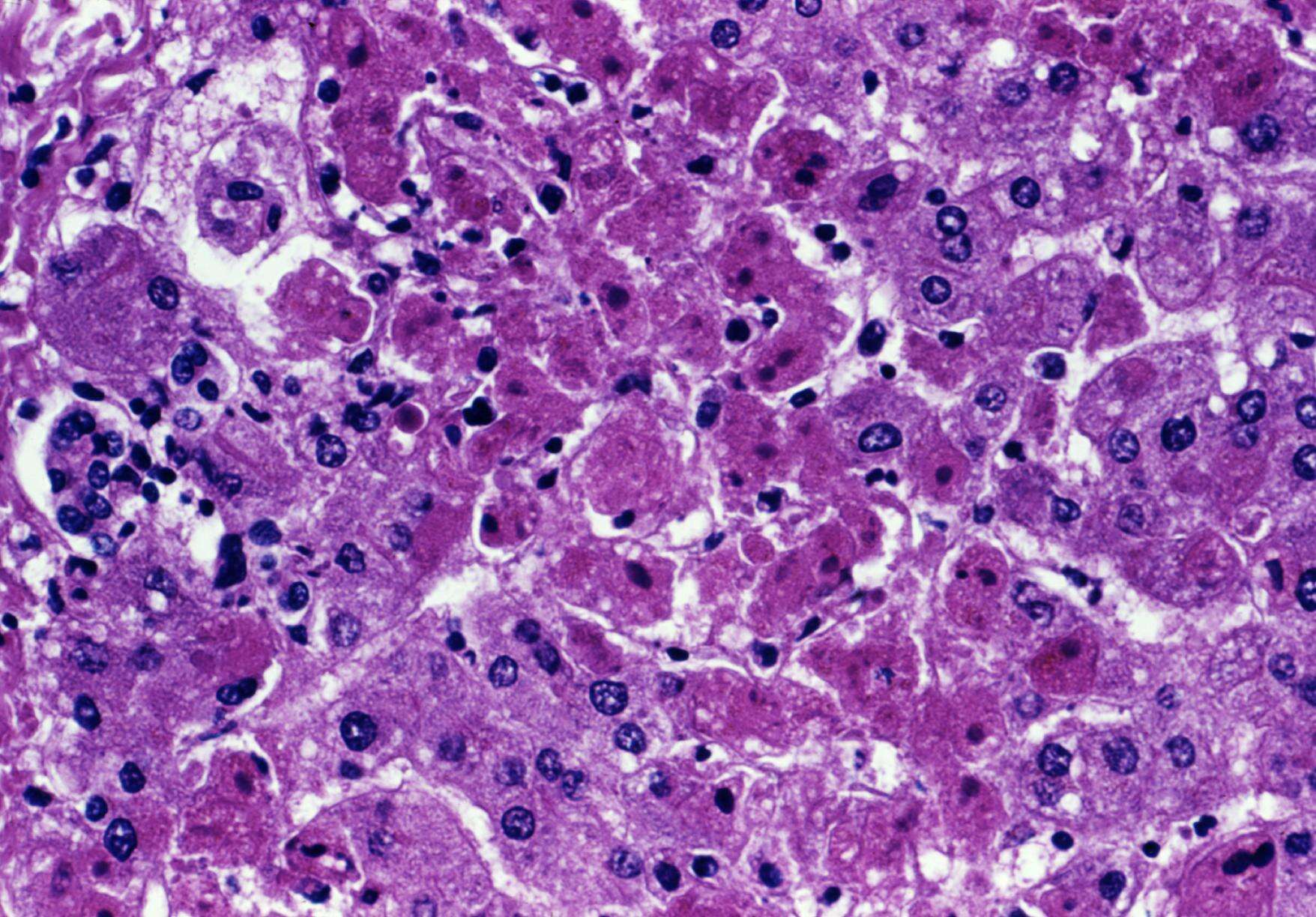
The genus Marburgvirus is the taxonomic home of Marburg marburgvirus, whose members are the two known marburgviruses, Marburg virus (MARV) and Ravn virus (RAVV). Both viruses cause Marburg virus disease in humans and nonhuman primates, a form of viral hemorrhagic fever. Both are select agents, World Health Organization Risk Group 4 Pathogens (requiring Biosafety Level 4-equivalent containment), National Institutes of Health/National Institute of Allergy and Infectious Diseases Category A Priority Pathogens, Centers for Disease Control and Prevention Category A Bioterrorism Agents, and are list
Megavirus
Megavirus is a viral genus, phylogenetically related to Acanthamoeba polyphaga mimivirus (APMV). In colloquial speech, Megavirus chilense is more commonly referred to as just "Megavirus". Until the discovery of pandoraviruses in 2013, it had the largest capsid diameter of all known viruses, as well as the largest and most complex genome among all known viruses.

Pestivirus
Orthopestivirus, formerly called Pestivirus, is a genus of viruses in the family Pestiviridae. Viruses in the genus infect mammals, including members of the family Bovidae (which includes cattle, sheep, and goats) and the family Suidae (which includes various species of swine). There are 19 species in this genus. Diseases associated with this genus include: hemorrhagic syndromes, abortion, and fatal mucosal disease.

Orthopoxvirus
Orthopoxvirus is a genus of viruses in the family Poxviridae and subfamily Chordopoxvirinae. Vertebrates, including mammals and reptiles, and arthropods serve as natural hosts. There are 12 known species in this genus. Diseases associated with this genus include smallpox, cowpox, horsepox, camelpox, and mpox. The most widely known member of the genus is Variola virus, which causes smallpox. It was eradicated globally by 1977, through the use of Vaccinia virus as a vaccine. The most recently described species is the Borealpox virus, first isolated in 2015.
Deltacoronavirus
Deltacoronavirus (Delta-CoV) is one of the four genera (Alpha-, Beta-, Gamma-, and Delta-) of coronaviruses. It is in the subfamily Orthocoronavirinae of the family Coronaviridae. They are enveloped, positive-sense, single-stranded RNA viruses. Deltacoronaviruses infect mostly birds and some mammals.
Metapneumovirus
Metapneumovirus is a genus of viruses in the family Pneumoviridae.
Deltaretrovirus
Deltaretrovirus is a genus of the Retroviridae family. It consists of exogenous horizontally transmitted viruses found in several groups of mammals. The genus contains Bovine leukemia virus and three species of primate T-lymphotropic virus.
Gammacoronavirus
Gammacoronavirus (Gamma-CoV) is one of the four genera (Alpha-, Beta-, Gamma-, and Delta-) of coronaviruses. It is in the subfamily Orthocoronavirinae of the family Coronaviridae. They are enveloped, positive-sense, single-stranded RNA viruses of zoonotic origin. Coronaviruses infect both animals and humans.

Gammaretrovirus
Gammaretrovirus is a genus in the Retroviridae family. Example species are the murine leukemia virus and the feline leukemia virus. They cause various sarcomas, leukemias and immune deficiencies in mammals, reptiles and birds.

Coccolithovirus
Coccolithovirus is a genus of giant double-stranded DNA virus, in the family Phycodnaviridae. Algae, specifically Emiliania huxleyi, a species of coccolithophore, serve as natural hosts. There is only one described species in this genus: Emiliania huxleyi virus 86 (Coccolithovirus huxleyi).

Varicellovirus
Varicellovirus (var′i-sel′ō-vi′rŭs) is a genus of viruses belonging to subfamily Alphaherpesvirinae, a member of family Herpesviridae. Humans and other mammals serve as natural hosts. There are 19 species in this genus. Diseases associated with this genus include: HHV-3—chickenpox (varicella) and shingles; BoHV-1—infectious bovine rhinotracheitis/infectious pustular vulvovaginitis (IPV); and SuHV-1 (also known as pseudorabies virus)—Aujesky's disease.
Alpharetrovirus
Alpharetrovirus is a genus of viruses in the family Retroviridae. The genus contains nine species.

Aphthovirus
Aphthovirus (from the Greek , , 'vesicles in the mouth') is a viral genus of the family Picornaviridae. Aphthoviruses infect split-hooved animals, and include the causative agent of foot-and-mouth disease, foot-and-mouth disease virus (FMDV). There are seven FMDV serotypes: A, O, C, SAT 1, SAT 2, SAT 3 and Asia 1, and four non-FMDV serotypes belonging to three additional species Bovine rhinitis A virus (BRAV), Bovine rhinitis B virus (BRBV) and Equine rhinitis A virus (ERAV).
Simplexvirus
Simplexvirus is a genus of viruses in the order Herpesvirales, in the family Herpesviridae, in the subfamily Alphaherpesvirinae. Humans and mammals serve as natural hosts. Diseases associated with this genus include skin vesicles or mucosal ulcers, rarely encephalitis, and meningitis.

Tupanvirus
Tupanvirus is a genus of viruses first described in 2018.
Roseolovirus
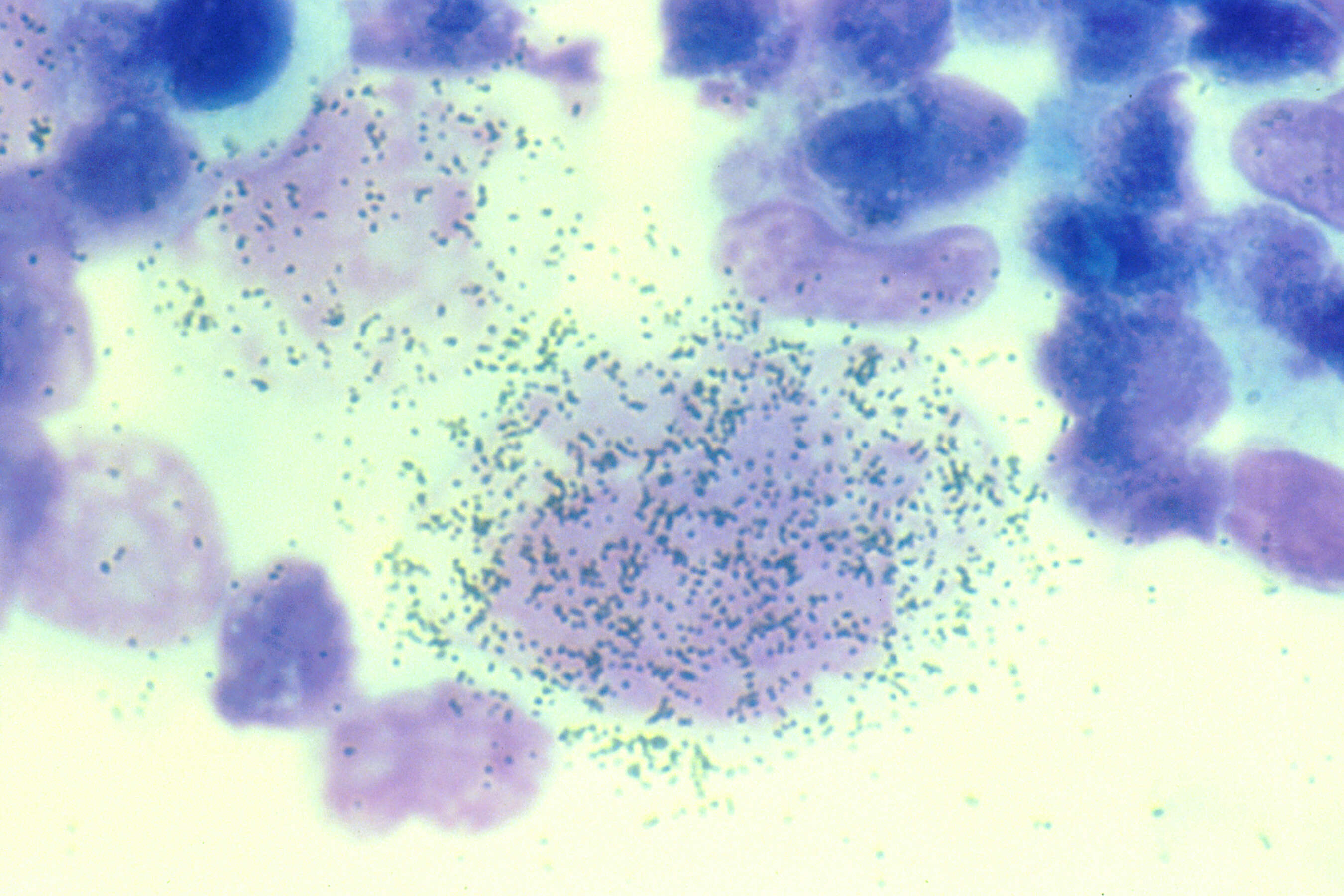
Roseolovirus is a genus of viruses in the order Herpesvirales, in the family Herpesviridae, in the subfamily Betaherpesvirinae. There are currently six species in this genus. Diseases associated with this genus include: HHV-6: sixth disease (roseola infantum, exanthema subitum); HHV-7: symptoms analog to the 'sixth disease'.

Betaretrovirus
thumb|alt=Betaretrovirus virion|Betaretrovirus virion
Betaretrovirus is a genus of viruses in the family Retroviridae.

Phlebovirus
Phlebovirus is a genus of viruses in the family Phenuiviridae in the order Hareavirales. The genus contains 71 species. It derives its name from Phlebotominae, the vectors of member species sandfly fever Naples virus, which is said to be ultimately from the Greek , meaning "vein". The proper word for "vein" in Ancient Greek is, however, phleps ().

Lymphocryptovirus
Lymphocryptovirus is a genus of viruses in the order Herpesvirales, in the family Herpesviridae, in the subfamily Gammaherpesvirinae. This genus includes the human-infecting Human gammaherpesvirus 4 (Epstein–Barr virus), as well as viruses that infect both Old World monkeys and New World monkeys. Other names for the Lymphocryptovirus genus include Lymphocryptoviridae (suffix -viridae implying family rank, although this is not the accepted taxonomy) and gamma-1 herpesviruses. There are nine species in this genus. Diseases associated with this genus include: mononucleosis, Burkitt's lymphoma, an

Hepacivirus
Orthohepacivirus, formerly called Hepacivirus, is a genus of positive-strand RNA viruses in the family Hepaciviridae. The hepatitis C virus (HCV), in species Orthohepacivirus hominis, infects humans and is associated with hepatitis and hepatocellular carcinoma. There are fourteen species in the genus which infect a range of other vertebrate.

Ranavirus
thumb|Transmission electron micrograph of a cell infected with ranaviruses, which gather in the cytoplasm and in the assembly bodies next to the contorted nucleus.

Rudivirus
Icerudivirus is a genus of viruses in the family Rudiviridae. These viruses are non-enveloped, stiff-rod-shaped viruses with linear dsDNA genomes, that infect hyperthermophilic archaea of the species Sulfolobus islandicus. There are three species in the genus.
Potyvirus
Potyvirus is a genus of positive-strand RNA viruses (named after Potato virus Y (Potyvirus yituberosi, PVY)) in the family Potyviridae. Plants serve as natural hosts. Like begomoviruses, members of this genus may cause significant losses in agricultural, pastoral, horticultural, and ornamental crops. More than 200 species of aphids spread potyviruses, and most are from the subfamily Aphidinae (genera Macrosiphum and Myzus). The genus contains 216 species.
Thogotovirus
Thogotovirus is a genus of enveloped RNA viruses in the virus family Orthomyxoviridae. Their single-stranded, negative-sense RNA genome has six or seven segments. Thogotoviruses are distinguished from most other orthomyxoviruses by being arboviruses – viruses that are transmitted by arthropods, in this case usually ticks. Thogotoviruses can replicate in both tick cells and vertebrate cells; one subtype has also been isolated from mosquitoes. A consequence of being transmitted by blood-sucking vectors is that the virus must spread systemically in the vertebrate host – unlike influenza viruses,
Parapoxvirus
Parapoxvirus is a genus of viruses, in the family Poxviridae, in the subfamily Chordopoxvirinae. Like all members of the family Poxviridae, they are oval, relatively large, double-stranded DNA viruses. Parapoxviruses have a unique spiral coat that distinguishes them from other poxviruses. Parapoxviruses infect vertebrates, including a wide selection of mammals, and humans.
Corticovirus
Merivirus is a genus of viruses that is the sole genus in the family Corticoviridae. Meriviruses are bacteriophages; that is, their natural hosts are bacteria. The genus contains two species. From 1981 to 2024, the genus was named Corticovirus, sharing a name with its family. Prophages closely related to bacteriophage PM2 are abundant in the genomes of aquatic bacteria, suggesting that the ecological importance of meriviruses might be underestimated. Bacteriophage PM2 was first described in 1968 after isolation from seawater sampled from the coast of Chile.
Orthohepadnavirus
Orthohepadnavirus is a genus of viruses, in the family Hepadnaviridae. Humans and other mammals serve as natural hosts. There are 19 species in this genus. Diseases associated with this genus include: hepatitis, hepatocellular carcinoma (chronic infections), and cirrhosis.
Sequivirus
Sequivirus is a genus of viruses in the order Picornavirales, in the family Secoviridae. Plants serve as natural hosts. There are five species in this genus. Diseases associated with this genus include: PYFV: vein-yellowing, yellow flecks and yellow/green mosaic symptoms in parsnip, and ‘yellow net', followed by yellow spots and leaf distortion in celery.
Torovirus
Torovirus is a genus of enveloped, positive-strand RNA viruses in the order Nidovirales and family Tobaniviridae. They primarily infect vertebrates, especially cattle, pigs, and horses. Diseases associated with this genus include gastroenteritis, which commonly presents in mammals. Torovirus is the only genus in the monotypic subfamily Torovirinae.
Letovirinae
Letovirinae is a subfamily of viruses within the family Coronaviridae, where it is the only subfamily besides the more diverse Orthocoronavirinae (coronaviruses). Letovirinae contains one genus, Alphaletovirus, which contains one subgenus, Milecovirus, which contains one species, Microhyla letovirus 1 (MLeV, Alphaletovirus microhylae). This species was discovered in 2018 and is hosted by the ornate chorus frog (Microhyla fissipes).
Sapovirus
Sapovirus is a genetically diverse genus of single-stranded positive-sense RNA, non-enveloped viruses within the family Caliciviridae. Together with norovirus, sapoviruses are the most common cause of acute gastroenteritis (commonly called the "stomach flu" although it is not related to influenza) in humans and animals. It is a monotypic taxon containing only one species: Sapporo virus (Sapovirus sapporoense).
Rhadinovirus
Rhadinovirus (synonyms: Rhadinoviridae and gamma-2 herpesviruses) is a genus of viruses in the order Herpesvirales, in the family Herpesviridae, in the subfamily Gammaherpesvirinae. Humans and other mammals serve as natural hosts. Diseases associated with this genus include: Kaposi's sarcoma, primary effusion lymphoma and multicentric Castleman's disease, caused by Human herpesvirus 8 (HHV-8), also known as Kaposi's sarcoma-associated herpesvirus (KSHV). The term rhadino comes from the Latin fragile, referring to the tendency of the viral genome to break apart when it is isolated.
Cuevavirus
REDIRECT Lloviu virus
Orthotospovirus
Orthotospovirus is a genus of negative-strand RNA viruses, in the family Tospoviridae of the order Elliovirales, which infects plants. Tospoviruses take their name from the species Tomato spotted wilt virus (TSWV) which was discovered in Australia in 1919. TSWV remained the only known member of the family until the early 1990s when genetic characterisation of plant viruses became more common. There are now 36 species in the genus. Member viruses infect over eight hundred plant species from 82 different families.
Epsilonretrovirus
Epsilonretrovirus is a genus of viruses in the family Retroviridae.

Begomovirus
Begomovirus is a genus of viruses, in the family Geminiviridae. They are plant viruses that as a group have a very wide host range, infecting dicotyledonous plants. Worldwide they are responsible for a considerable amount of economic damage to many important crops such as tomatoes, beans, squash, cassava and cotton. There are 466 species in this genus.
Avipoxvirus
Avipoxvirus (avian pox) is a genus of viruses within the family Poxviridae. Poxviridae is the family of viruses which cause the afflicted organism to have poxes as a symptom. Poxviruses have generally large genomes, and other such examples include smallpox and monkeypox. Members of the genus Avipoxvirus infect specifically birds. Avipoxviruses are unable to complete their replication cycle in non-avian species. Although it is comparably slow-spreading, Avipoxvirus is known to cause symptoms like pustules lining the skin and diphtheria-like symptoms. These diphtheria-like symptoms might include

Carlavirus
Carlavirus, formerly known as the "Carnation latent virus group", is a genus of viruses in the order Tymovirales, in the family Betaflexiviridae. Plants serve as natural hosts. There are 73 species in this genus. Diseases associated with this genus include: mosaic and ringspot symptoms.
Orthobunyavirus
Orthobunyavirus is a genus of the Peribunyaviridae family in the order Elliovirales. The genus contains 138 species.
Rhizidiovirus
Rhizidiovirus is a genus of viruses. Stramenopiles (specifically Hyphochytridiomycota) serve as natural hosts. There is only one species in this genus: Rhizidiomyces virus.
Coltivirus
Coltivirus is a genus of viruses (belonging to the Spinareoviridae family) that infects vertebrates and invertebrates. It includes the causative agent of Colorado tick fever. Colorado tick fever virus can cause a fever, chills, headache, photophobia, myalgia, arthralgia, and lethargy. Children, in particular, may develop a hemorrhagic disease. Leukopenia with both lymphocytes and neutrophils is very common for Colorado tick fever virus. In either case, the infection can lead to encephalitis or meningitis.
Sobemovirus
Sobemovirus is a genus of non-enveloped, positive-strand RNA viruses which infect plants. Plants serve as natural hosts. There are 27 species in this genus. Diseases associated with this genus include: mosaics and mottles.
Cardiovirus
Cardiovirus are a group of viruses within order Picornavirales, family Picornaviridae. Vertebrates serve as natural hosts for these viruses.
Leishmaniavirus
Leishmaniavirus (also known as '''Leishmania RNA virus or LRV') is a genus of double-stranded RNA virus, in the family Pseudototiviridae. Protozoa serve as natural hosts, and Leishmaniaviruses are present in several species of the human protozoan parasite Leishmania''. There are six species in this genus.