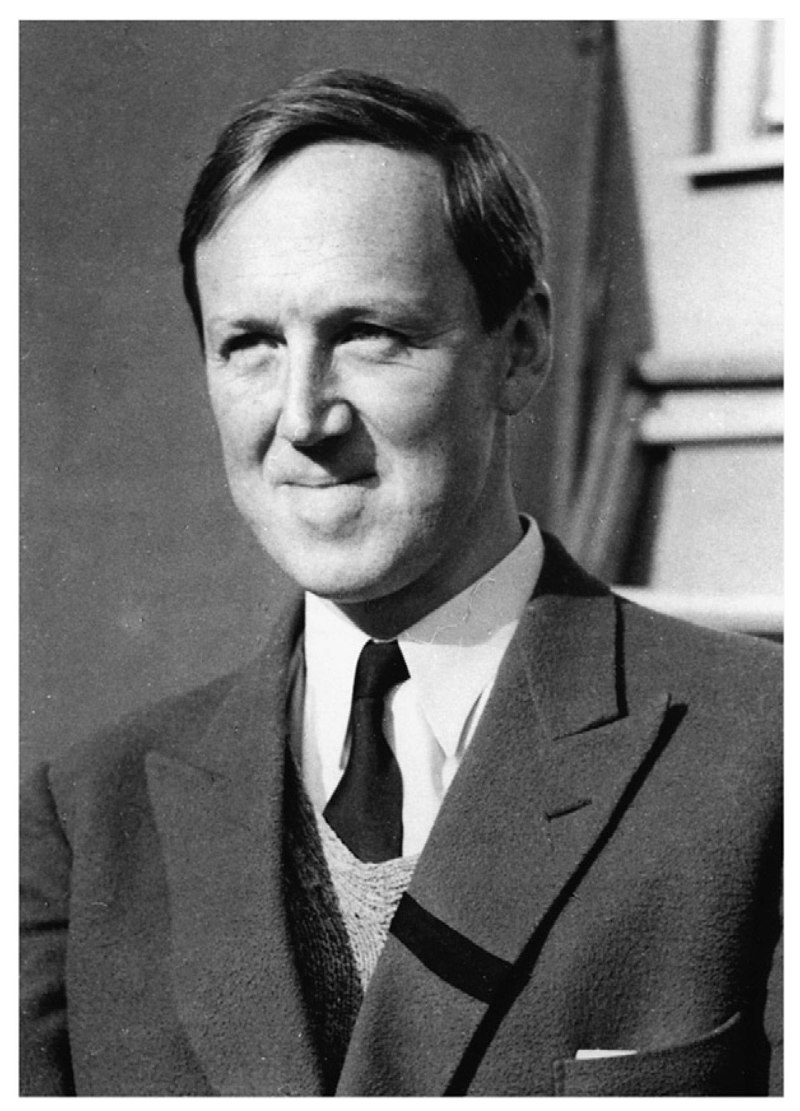
File:YoungAlfven.jpg · Wikimedia Commons · See Wikimedia Commons
Hannes Alfvén
Sign in to saveAlso known as Hannes Olof Gösta Alfvén, Hannes Alfven, Olof Johannesson, Hannes Olof Gosta Alfvén
Swedish electrical engineer, plasma physicist and science fiction author (1908–1995), winner of the 1970 Nobel Prize for Physics
OverviewAI-generated
Hannes Alfvén was a scientist born on May 30, 1908, and died on April 2, 1995. He was also known by the pseudonym Olof Johannesson. Alfvén held an Erdős number of 5.
He received one Nobel Prize. His work is recognized in several collections, including the Royal Society collection, the Nobel Laureates collection, the Nobel Physics collection, and the American Academy Arts Sciences collection.
Synthesized by Vinony from 10 facts across 3 sources: Wikidata, Nobel Prize, Vinony collections. Generated from structured data (not the Wikipedia text) and checked against those facts — may still contain errors.
Nobel Prize
- The Nobel Prize in Physics1970
“for fundamental work and discoveries in magnetohydro-dynamics with fruitful applications in different parts of plasma physics”
Shared · 1/2 portion
Wikidata facts
- Instance of
- human
- Given name
- Gösta
- Gender
- male
- Citizenship
- Sweden
- Educated at
- Uppsala University
- Languages spoken
- English language
- Religion
- atheism
- Doctoral advisor
- Manne Siegbahn
- Field of work
- physics
- Image
- YoungAlfven.jpg
Show 13 more facts
- maintained by WikiProject
- WikiProject Mathematics
- pseudonym
- Olof Johannesson
- birth name
- Hannes Olof Gösta Alfvén
- member of
- American Philosophical Society
- Commons category
- Hannes Alfvén
- date of birth
- 1908-05-30
- date of death
- 1995-04-02
- Erdős number
- 5
- nominated for
- Nobel Prize in Physics
- name in native language
- Hannes Alfvén
- ethnic group
- Swedes
- interested in
- physics
- subject has role
- eponym
Sources (10)
via Wikidata · CC0
~12 min read
Encyclopedic overview
Hannes Olof Gösta Alfvén ( Swedish: [alˈveːn]; 30 May 1908 – 2 April 1995) was a Swedish electrical engineer, plasma physicist and winner of the 1970 Nobel Prize in Physics for his work on magnetohydrodynamics (MHD). He described the class of MHD waves now known as Alfvén waves. He was originally trained as an electrical power engineer and later moved to research and teaching in the fields of plasma physics and electrical engineering. Alfvén made many contributions to plasma physics, including theories describing the behavior of aurorae, the Van Allen radiation belts, the effect of magnetic storms on the Earth's magnetic field, the terrestrial magnetosphere, and the dynamics of plasmas in the Milky Way galaxy.
Education
Excerpted from Wikipedia’s “Hannes Alfvén” article, available under the CC BY-SA 4.0 licence.
Gallery (2)
Available in 77 languages
- Español
- Français
- Deutsch
- 中文
- 日本語
- Русский
- Português
- Italiano
- العربية
- हिन्दी
- Afrikaans
- Armenian
- azb
- Bahasa Indonesia
- Bangla
- Basque
- Belarusian
- Bosnian
Show 58 more
- Bulgarian
- Catalan
- Central Kurdish
- Croatian
- Czech
- Danish
- Egyptian Arabic
- Esperanto
- Estonian
- Finnish
- Galician
- Georgian
- Greek
- Haitian Creole
- Hakka Chinese
- Hausa
- Hebrew
- Hungarian
- Ido
- Kazakh
- Kurdish
- Latin
- Latvian
- Lithuanian
- Luxembourgish
- Macedonian
- Malagasy
- Malay
- Marathi
- Mazanderani
- Mingrelian
- Nederlands
- Newari
- Norwegian
- Norwegian Nynorsk
- Polski
- Romanian
- Scottish Gaelic
- Serbian
- simple
- Slovak
- Slovenian
- Svenska
- Swahili
- Tamil
- Tatar
- Tiếng Việt
- Türkçe
- Ukrainian
- Urdu
- Uzbek
- Western Panjabi
- Wu Chinese
- Yoruba
- zh_min_nan
- zh_yue
- فارسی
- 한국어
via Wikidata sitelinks · CC0